Most interstellar objects that reach Earth come from the direction of the constellation Hercules and most often fall near the equator during winter. Scientists continue to study their origins and the unique characteristics of their trajectories.
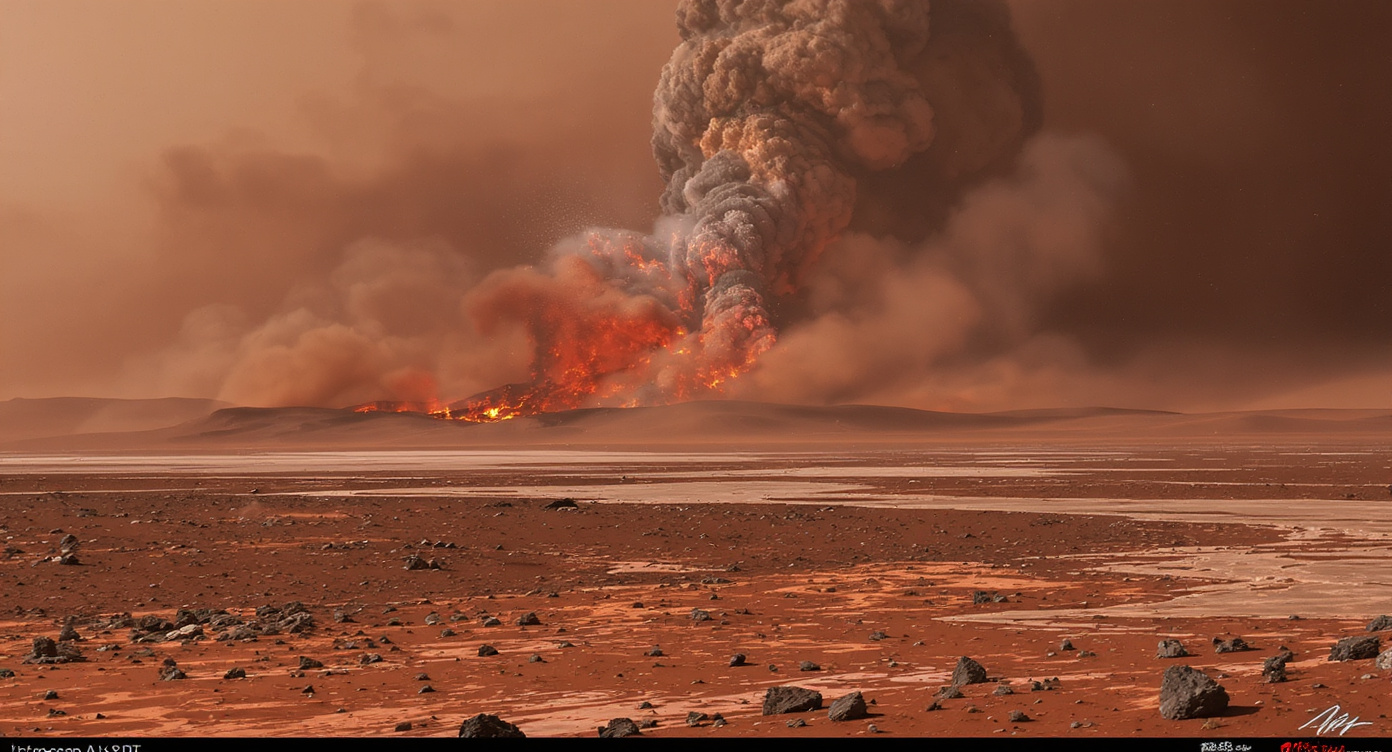
A new study has shown that powerful volcanic eruptions on early Mars may have led to the formation of thick ice sheets in the planet's equatorial regions. This explains the unusually high hydrogen content found in these areas and could play an important role in the future colonization of Mars.
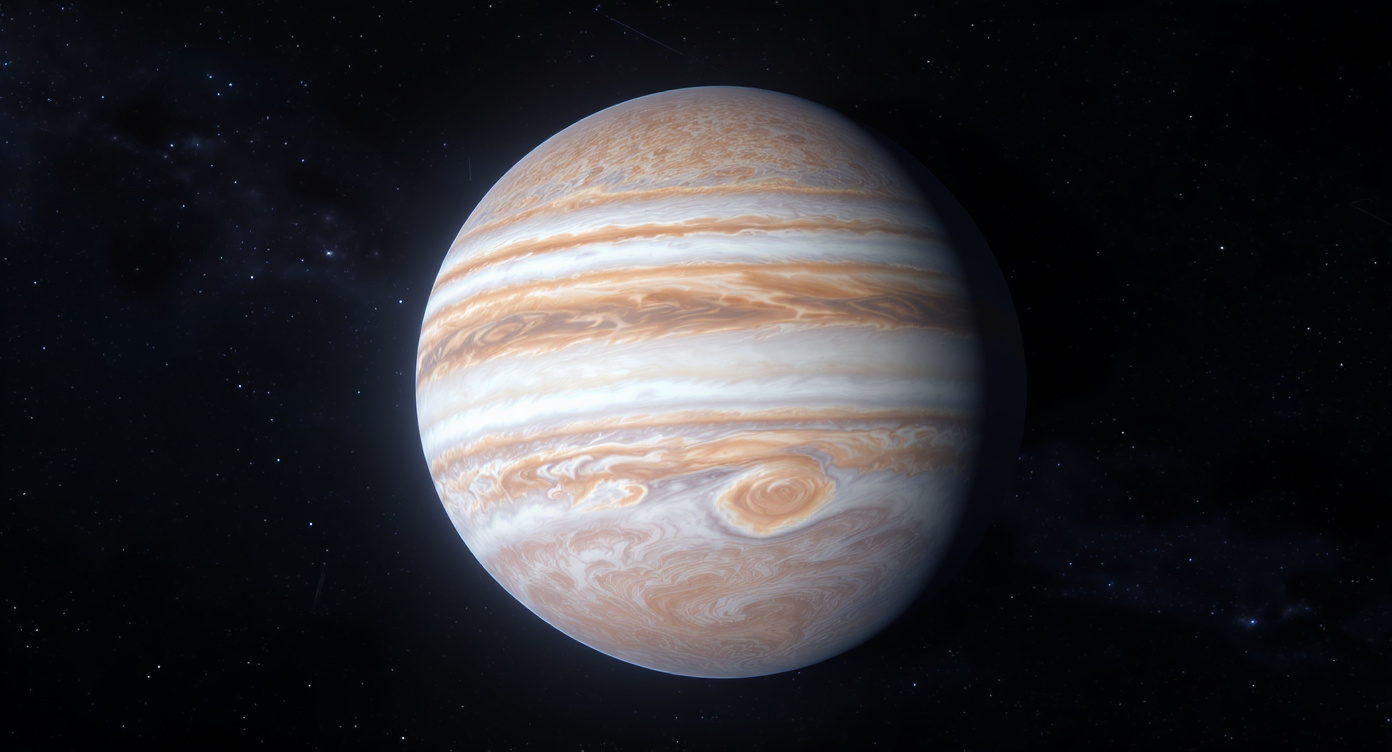
New measurements from a NASA probe have revealed that Jupiter is slightly smaller and more flattened than previously believed. This data will help scientists study the planet's atmosphere and internal structure with greater accuracy.


 Cursus