The compact CosmicWatch detector offers a simple and affordable way to detect cosmic particles—muons—opening up new opportunities for education, scientific research, and monitoring of cosmic phenomena. This device is widely used in universities and professional experiments around the world.
An international team has developed an artificial intelligence-based simulator that accelerates and simplifies the modeling of heavy element formation processes in the Universe. The new RHINE tool enables more accurate and faster calculations of nuclear reactions during neutron star mergers, significantly reducing computational costs.
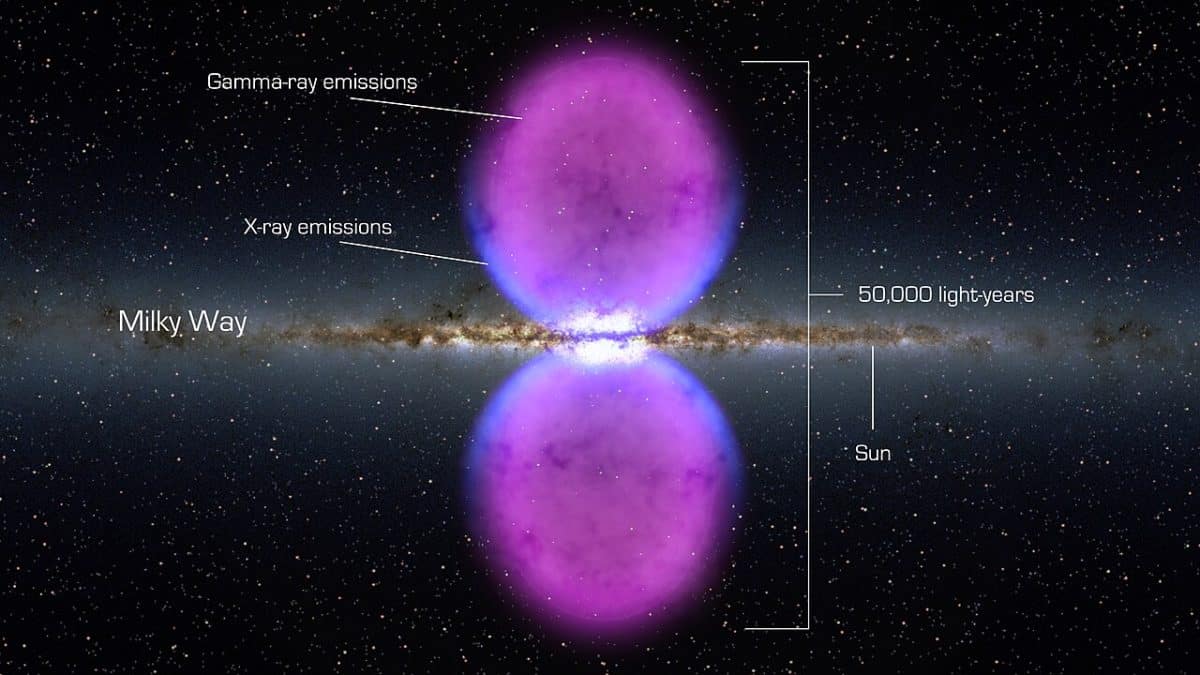
A new study has detected gamma radiation from the center of the Galaxy, which may be linked to the decay of dark matter particles. If this discovery is confirmed, it could transform our understanding of the Universe.
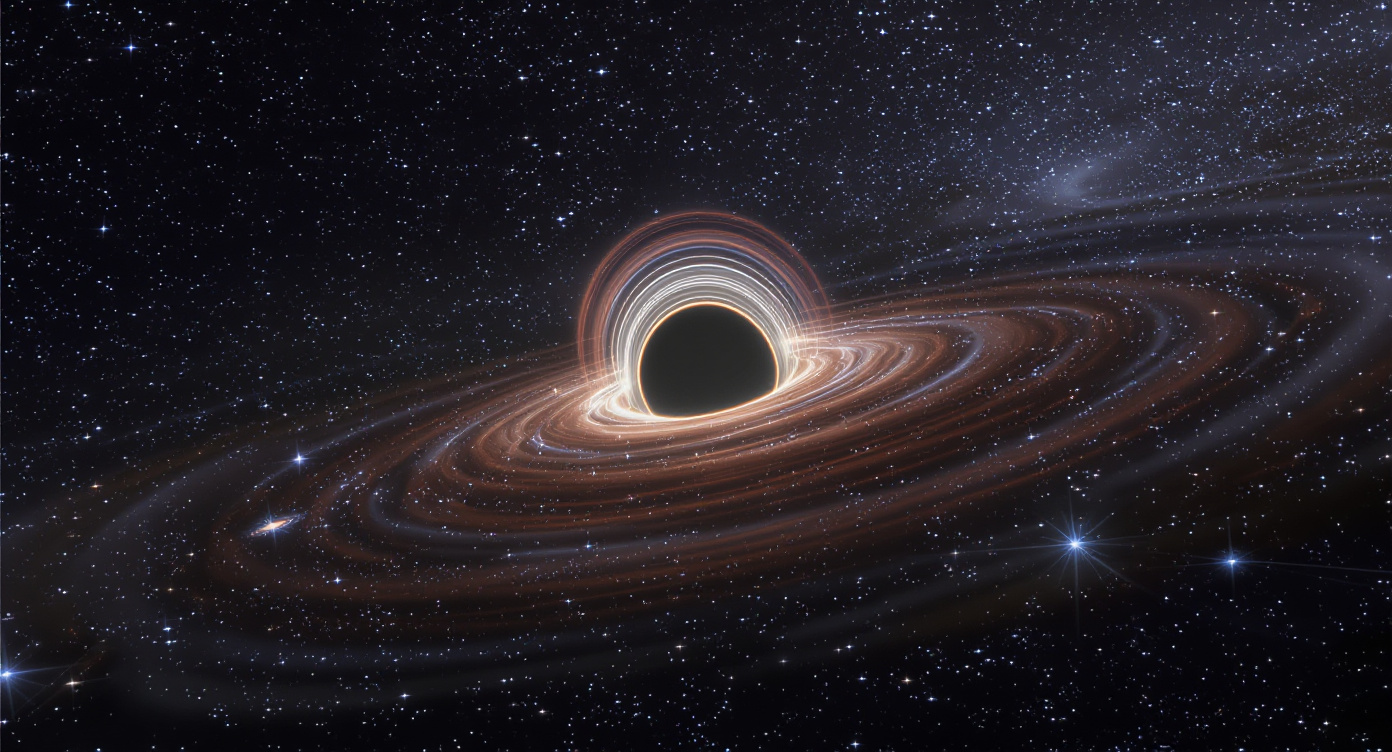
A new study has shown that magnetic fields play a crucial role in the formation of black holes with unusual masses and spin rates, helping to explain the mysterious observations made in 2023. This mechanism opens up new possibilities for studying extreme objects in the Universe.
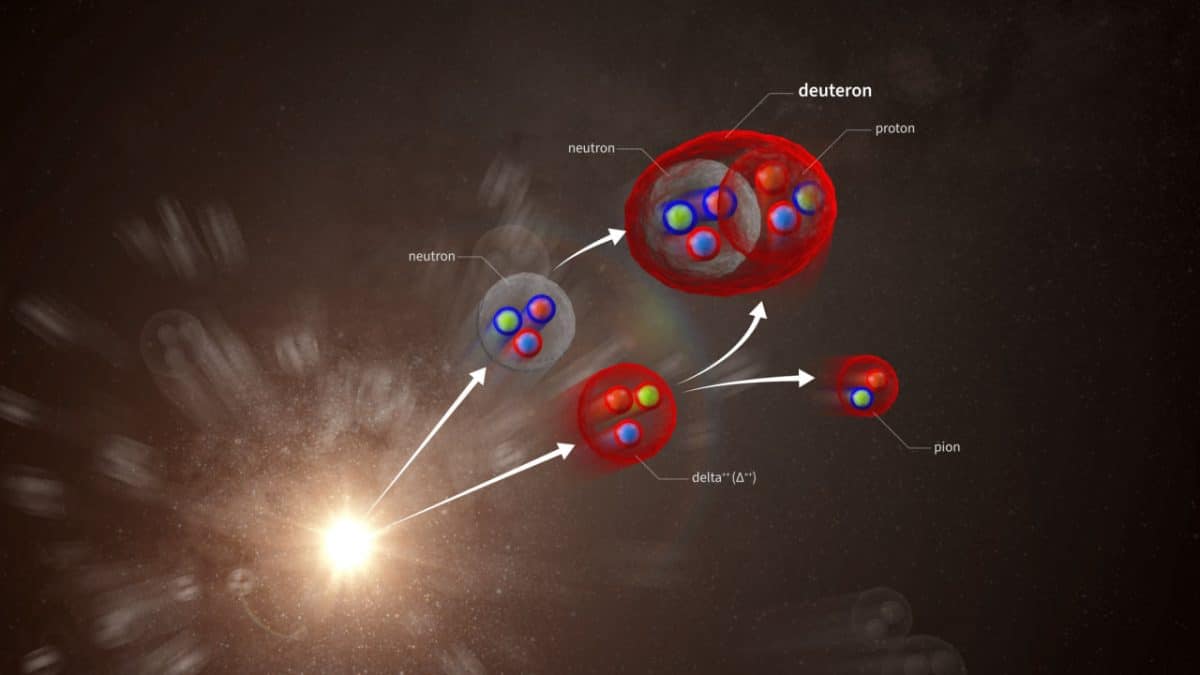
Physicists have discovered that light atomic nuclei are formed not at the center of particle collisions, but in a cooler region, which allows them to survive under extreme temperatures. This finding helps to better understand processes in space and the development of theoretical models.
New cosmological simulations have shown that supermassive black holes in the early Universe grew gradually, rather than through rapid consumption of matter. Slow but steady growth proved to be more effective than a fast start.
Most interstellar objects that reach Earth come from the direction of the constellation Hercules and most often fall near the equator during winter. Scientists continue to study their origins and the unique characteristics of their trajectories.
Studies have shown that moons ejected from their planetary systems by rogue planets can maintain life-friendly conditions for billions of years thanks to tidal heating. This expands our understanding of where life might exist in the Universe.
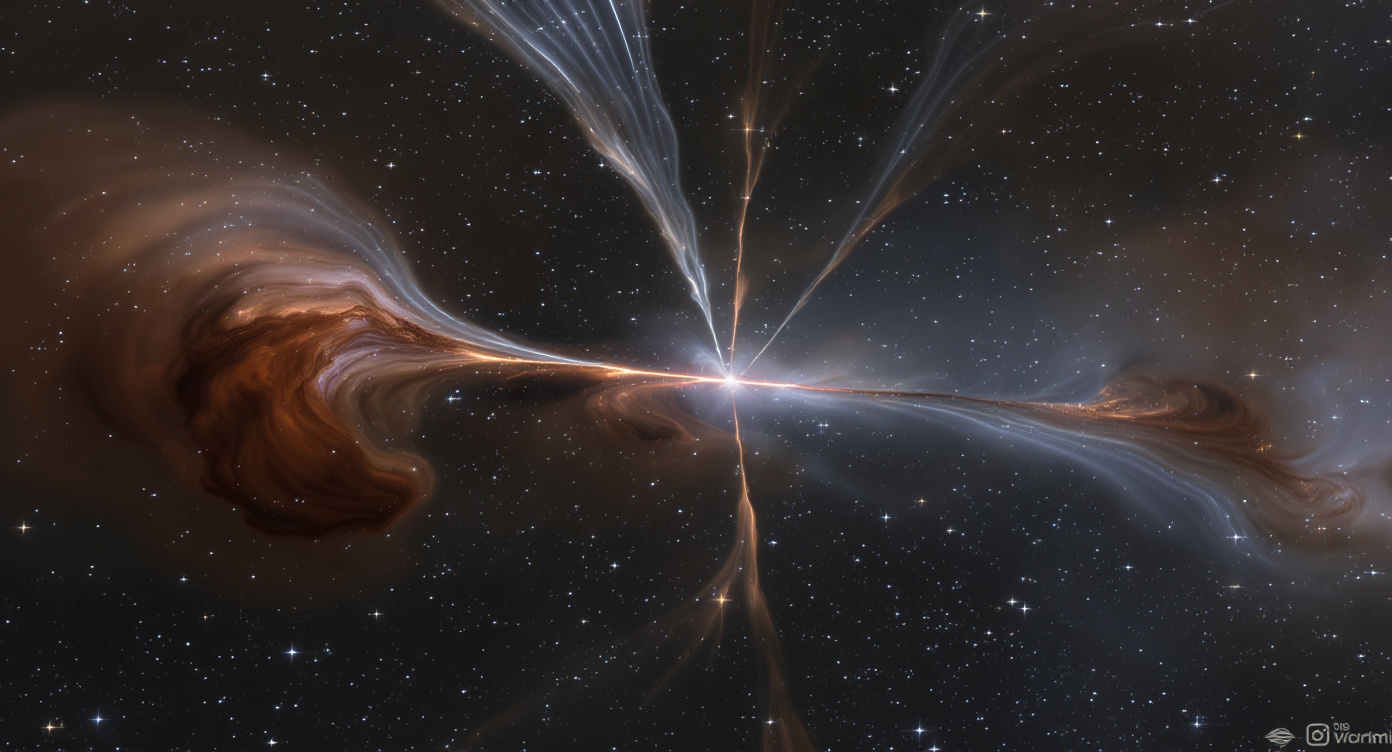
Astronomers have, for the first time, detected a hot wind emanating from the supermassive black hole at the center of the Milky Way. This discovery helps explain the unusual inactivity of Sagittarius A* and deepens our understanding of our Galaxy's evolution.
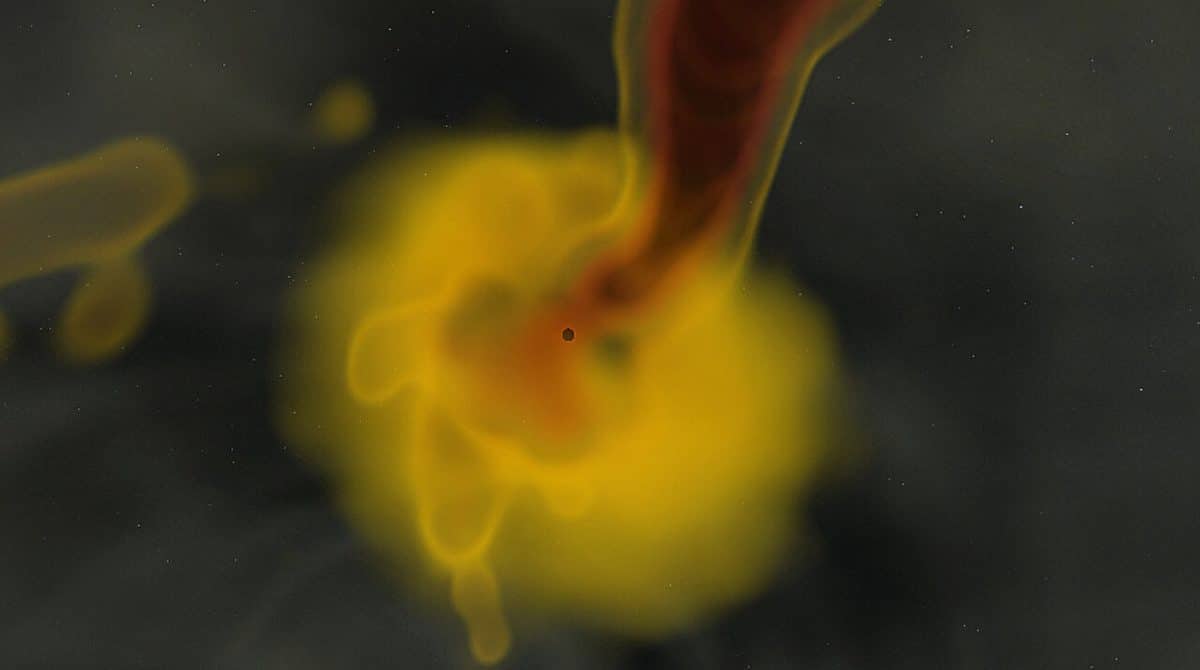
Astronomers have, for the first time, closely tracked the birth of a massive star, uncovering a complex system of gas flows and structures that regulate its growth. This discovery sheds light on how giant stars form and explains why their emergence takes hundreds of thousands of years.
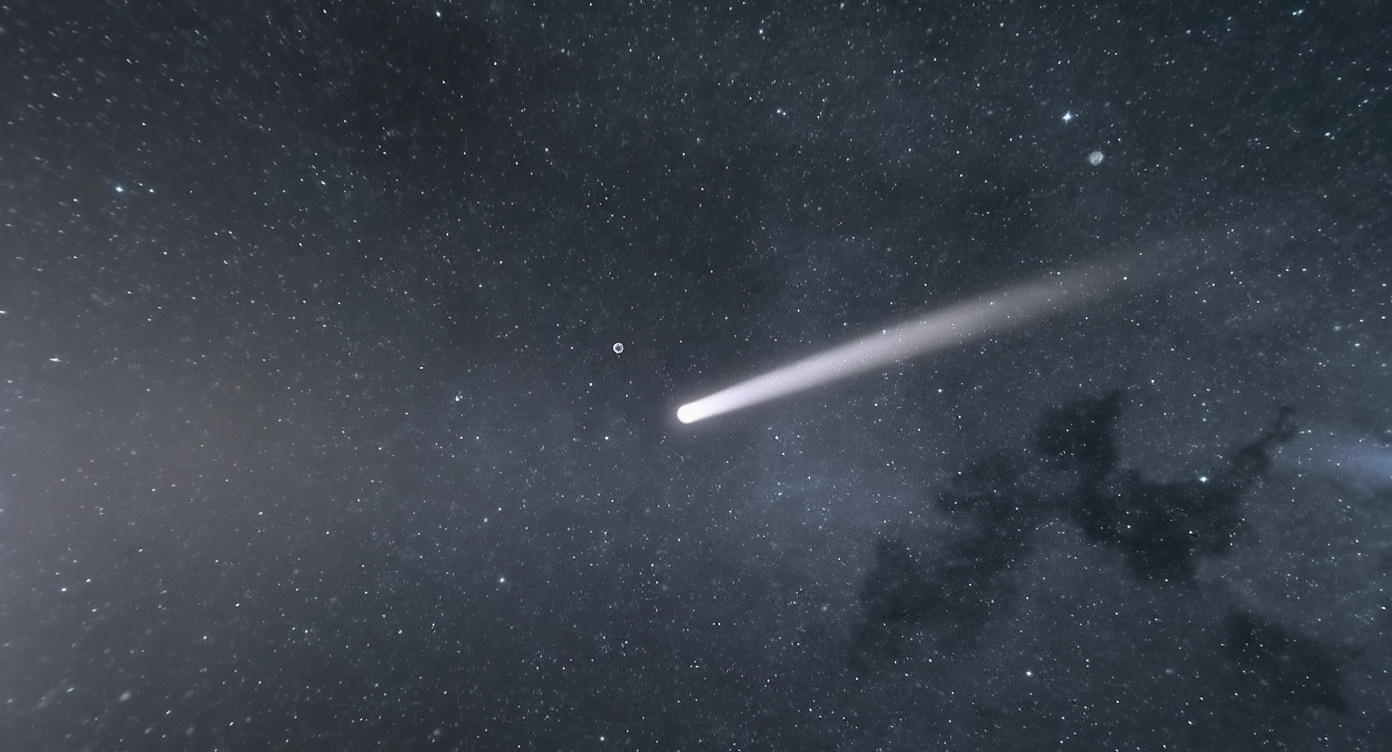
The interstellar comet 3I/ATLAS is moving twice as fast as its predecessors, and scientists are unable to explain its unusually high speed. The origin of this object remains a mystery.

 Cursus