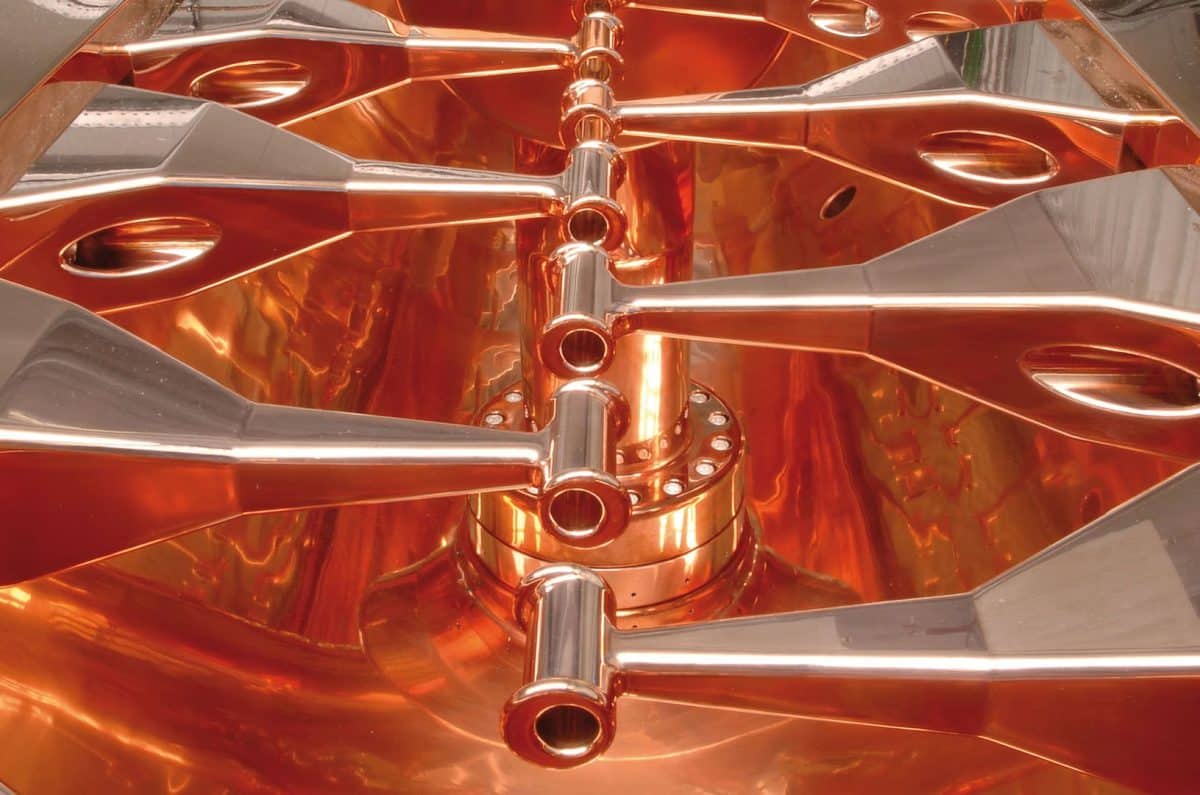
At the German GSI Institute, scientists have, for the first time, managed to slow down and fully capture highly ionized argon ions moving at 30% of the speed of light, and cool them using electron cooling. This method opens up new possibilities for precise studies of rare particles.
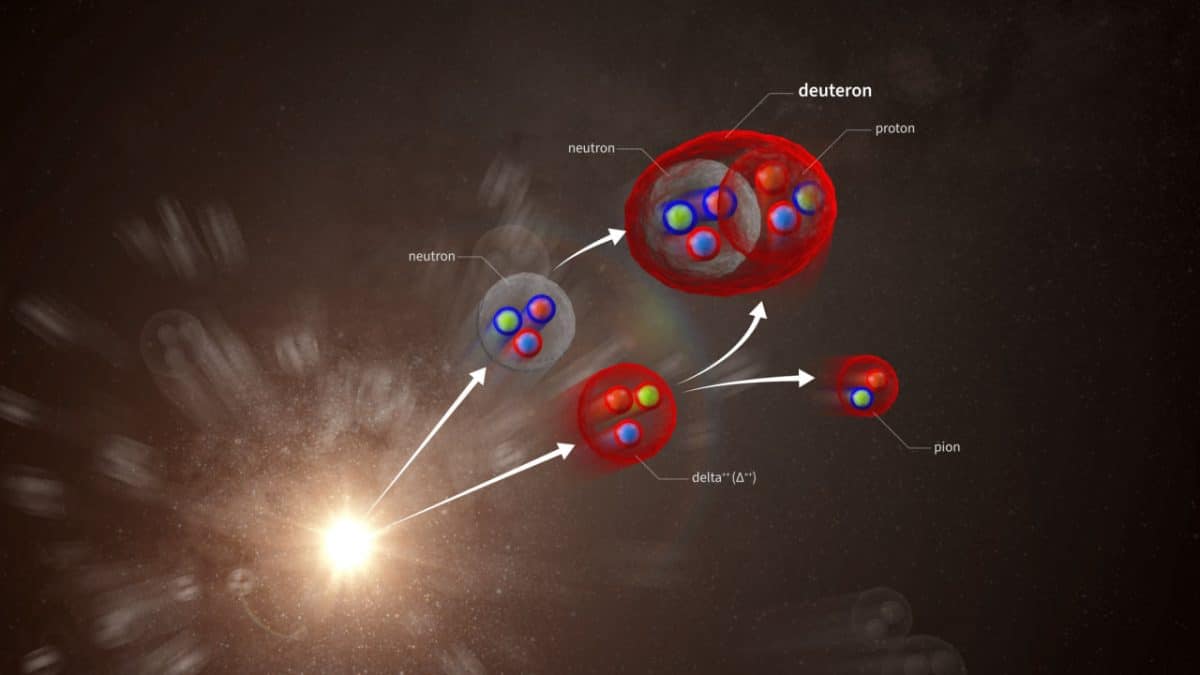
Physicists have discovered that light atomic nuclei are formed not at the center of particle collisions, but in a cooler region, which allows them to survive under extreme temperatures. This finding helps to better understand processes in space and the development of theoretical models.
The South Atlantic Anomaly in Earth's magnetic field continues to expand and become more complex, increasing risks for satellites and requiring constant monitoring to better understand the processes occurring deep within the planet.
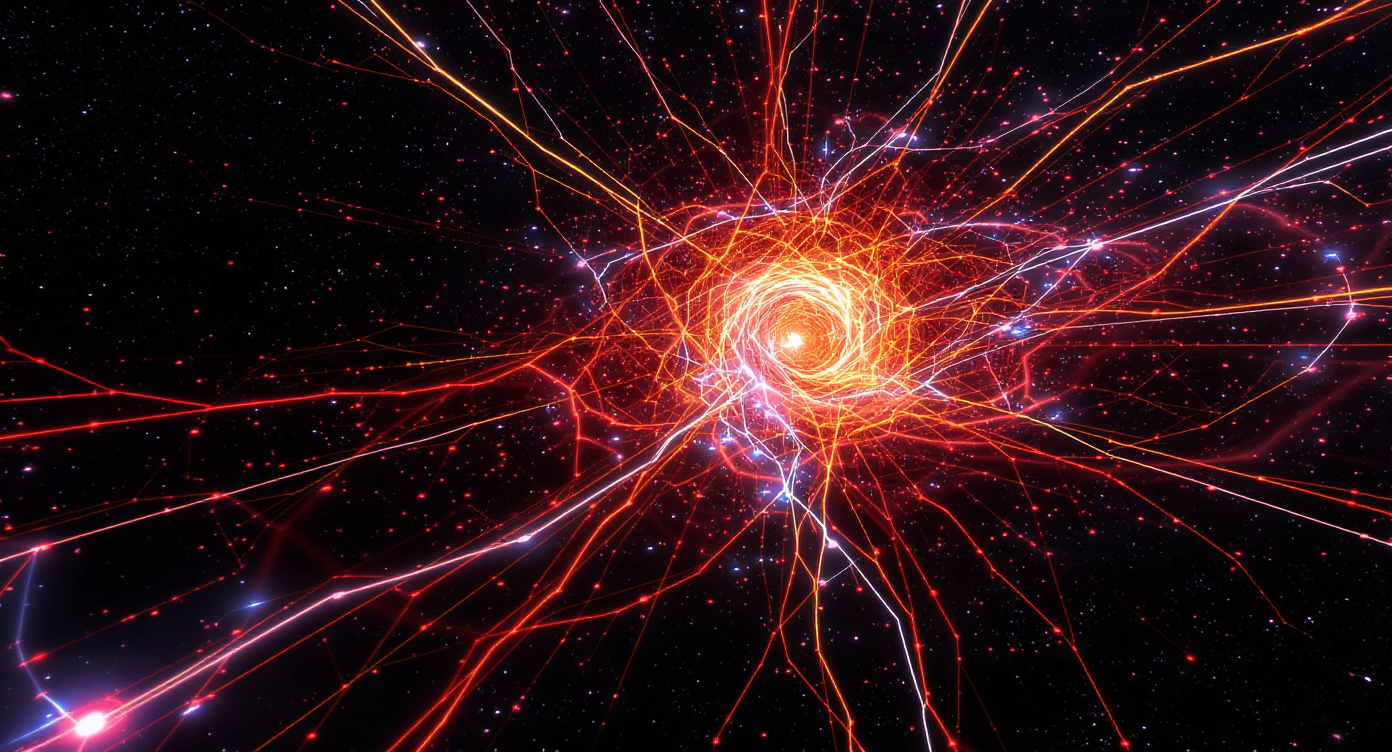
Collisions of oxygen and neon nuclei at the Large Hadron Collider have enabled scientists to refine the properties of quark-gluon plasma and confirmed the elongated shape of the neon nucleus. These experiments open up new possibilities for studying the early Universe and the structure of matter.

 Cursus