Scientists from the Virginia Tech University have developed a method to recycle PVC waste into components for lubricants, which could help reduce plastic pollution and make oil production more environmentally friendly. The team is currently working on scaling up the technology for industrial use.
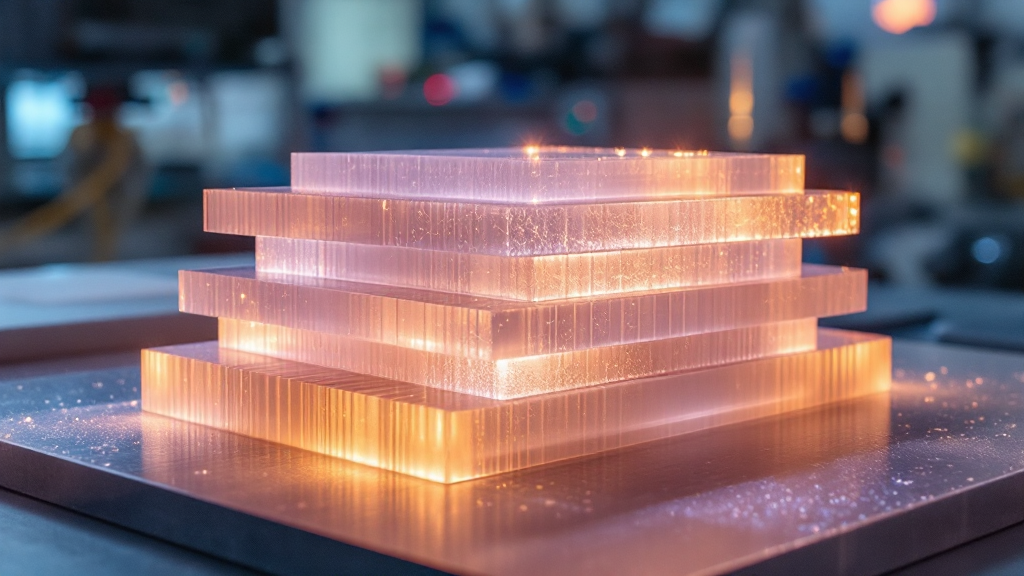
Scientists have developed a method to create twisted oxide materials with precise control over the angle between layers and strong chemical bonds. This technology opens up new possibilities for designing complex electronic devices and tailoring their properties.
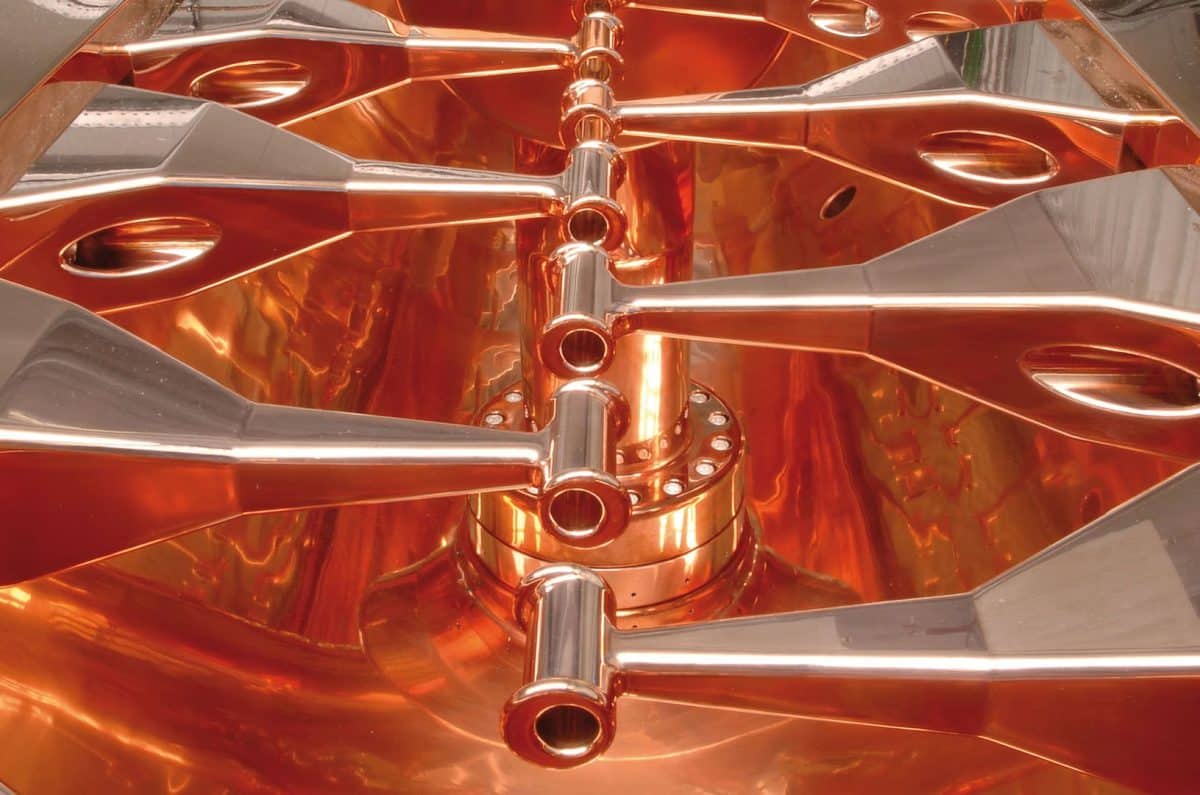
At the German GSI Institute, scientists have, for the first time, managed to slow down and fully capture highly ionized argon ions moving at 30% of the speed of light, and cool them using electron cooling. This method opens up new possibilities for precise studies of rare particles.
A new study has shown that the unusual properties of cuprates in the "strange metal" state are linked to changes in their electronic structure, rather than to the mechanism of electron scattering. This resolves the contradiction between experiment and theory and confirms the universality of the Planckian limit.
An international team of researchers has developed an optical fiber with a liquid core that, when frozen, demonstrates record-breaking enhancement of optoacoustic effects. This technology opens up new possibilities for energy-efficient neuromorphic computing and advanced physical platforms.
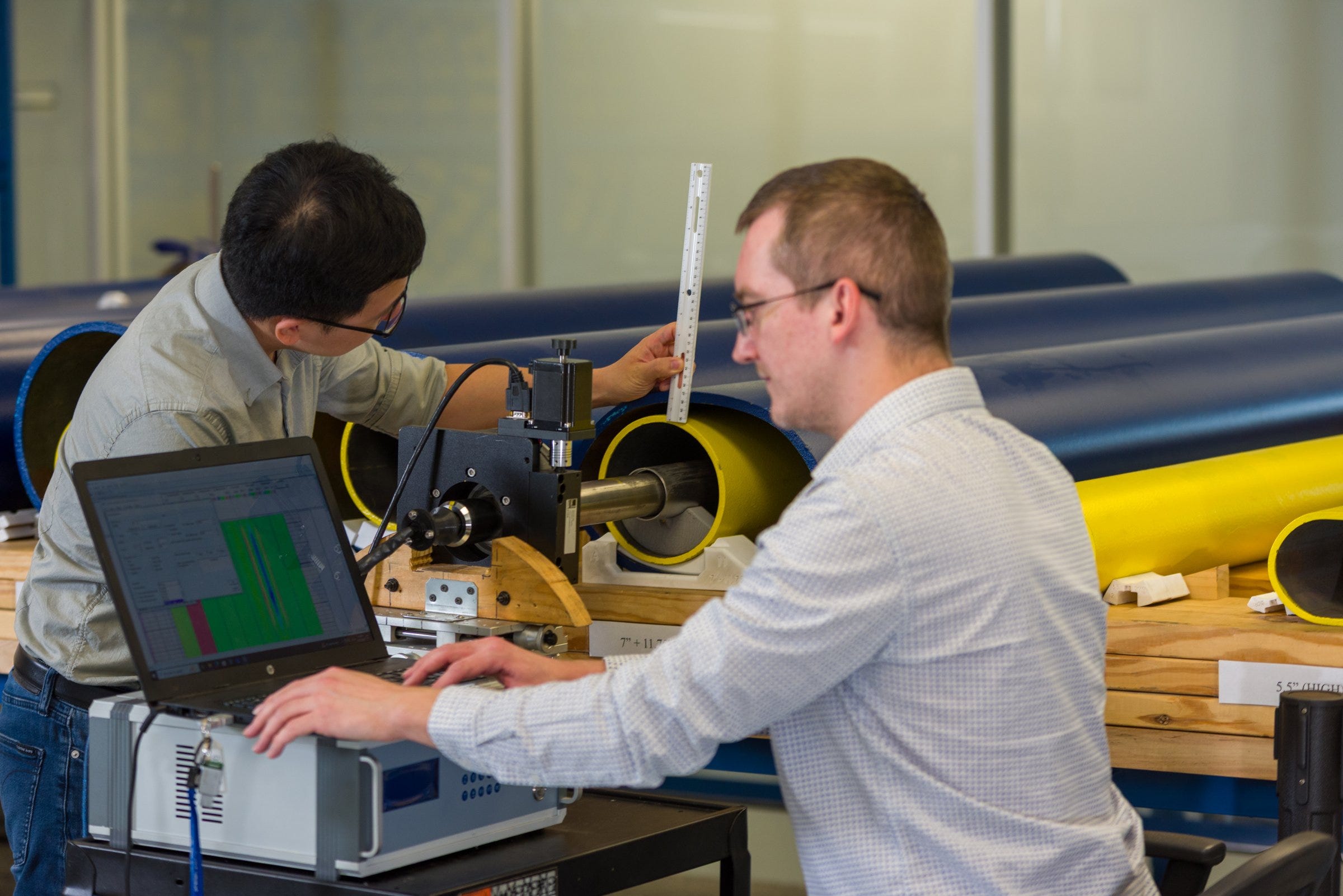
The reduction of R&D investments by major oilfield service companies is creating new opportunities for specialized technology firms such as GOWell and TGT Diagnostics. These companies are actively developing and licensing innovative solutions, filling the gaps that have emerged in the market.
A new study has shown that the stingers and pincers of scorpions contain certain metals that strengthen their structure. The distribution of these elements is linked to the specific hunting and defense strategies of different species.
A new study reveals that the degradation of chemical bonds in electronic materials begins with quantum-mechanical processes triggered by individual electrons. These findings will help in developing more reliable electronic devices.
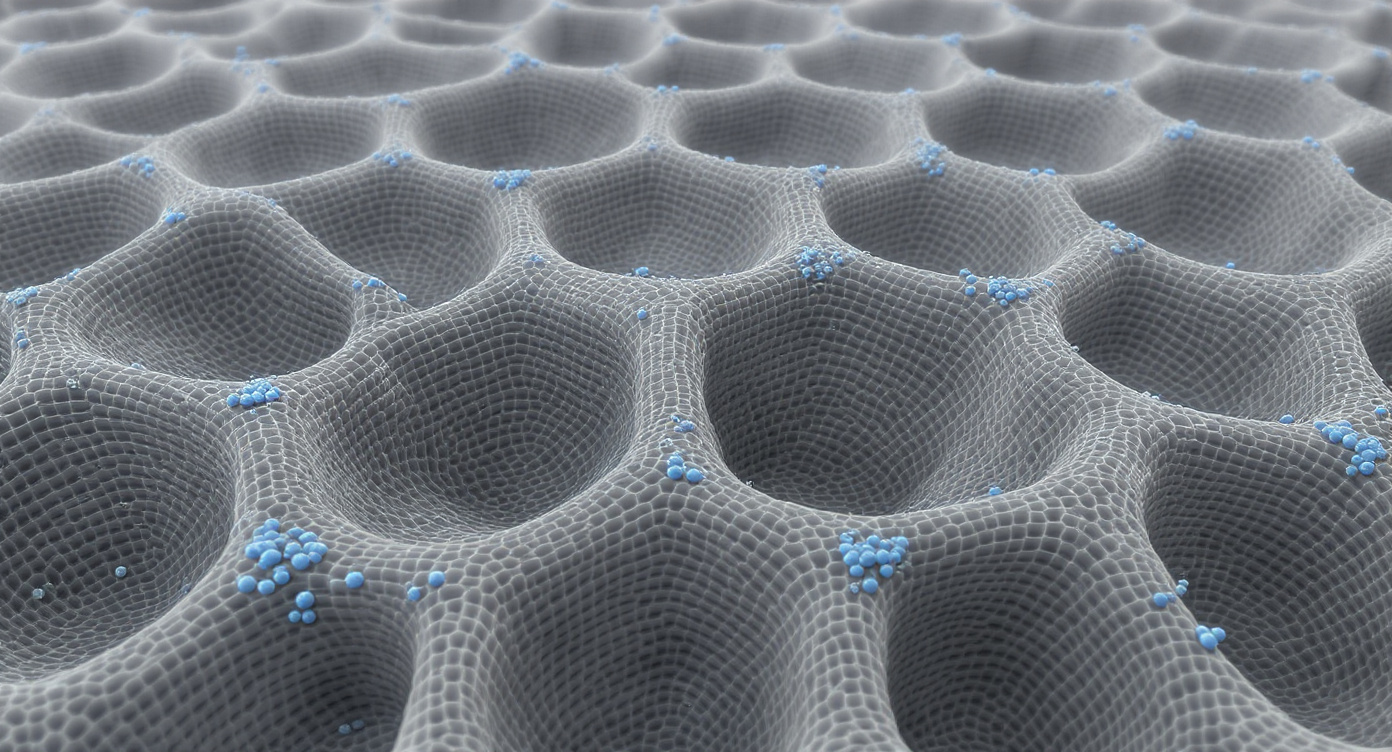
Researchers have developed new carbon materials with precisely controlled placement of nitrogen groups, enabling more efficient capture and easy release of CO₂ at low temperatures. This approach paves the way for creating more cost-effective and efficient technologies to reduce greenhouse gas emissions.
Chinese scientists have developed a new alloy capable of reaching ultra-low temperatures without the use of the rare helium-3 isotope. This breakthrough could simplify the creation of compact quantum and cryogenic systems, reducing infrastructure requirements and expanding opportunities for the advancement of cutting-edge technologies.
Researchers have developed fire-resistant panels made from sawdust and the mineral struvite, which offer high strength and are lighter than cement boards. The new material can also be recycled after use.
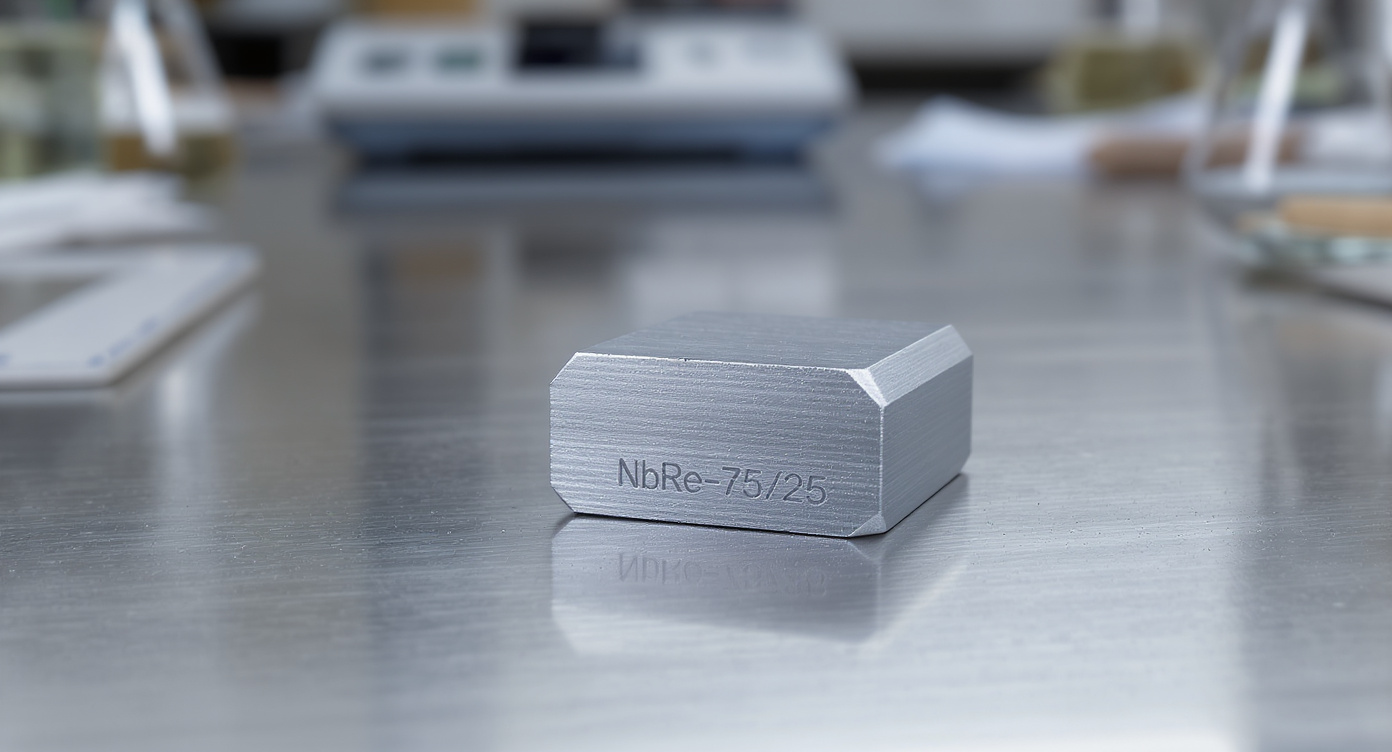
Studies of the niobium-rhenium (NbRe) alloy have revealed signs of rare triplet superconductivity, which enables the transmission of both electrical and spin signals without energy loss. This discovery could bring us closer to creating energy-efficient quantum computers that operate at higher temperatures.
A new study has shown that the main factor behind the slipperiness of ice is the heating of its surface caused by friction, which leads to the formation of a thin layer of water. This finding brings together previous theories and explains how friction depends on speed.
Lithium dendrites in batteries can cause short circuits and reduce capacity due to their brittleness. New research reveals their mechanical properties and suggests ways to prevent their damaging effects on batteries.
Scientists from China have developed a new hydrofluorocarbon-based electrolyte that significantly increases the efficiency of batteries at low temperatures and delivers record-breaking energy density. This technology opens up new possibilities for use in electric vehicles, the aerospace industry, and energy storage systems operating in extreme climate conditions.


 Cursus