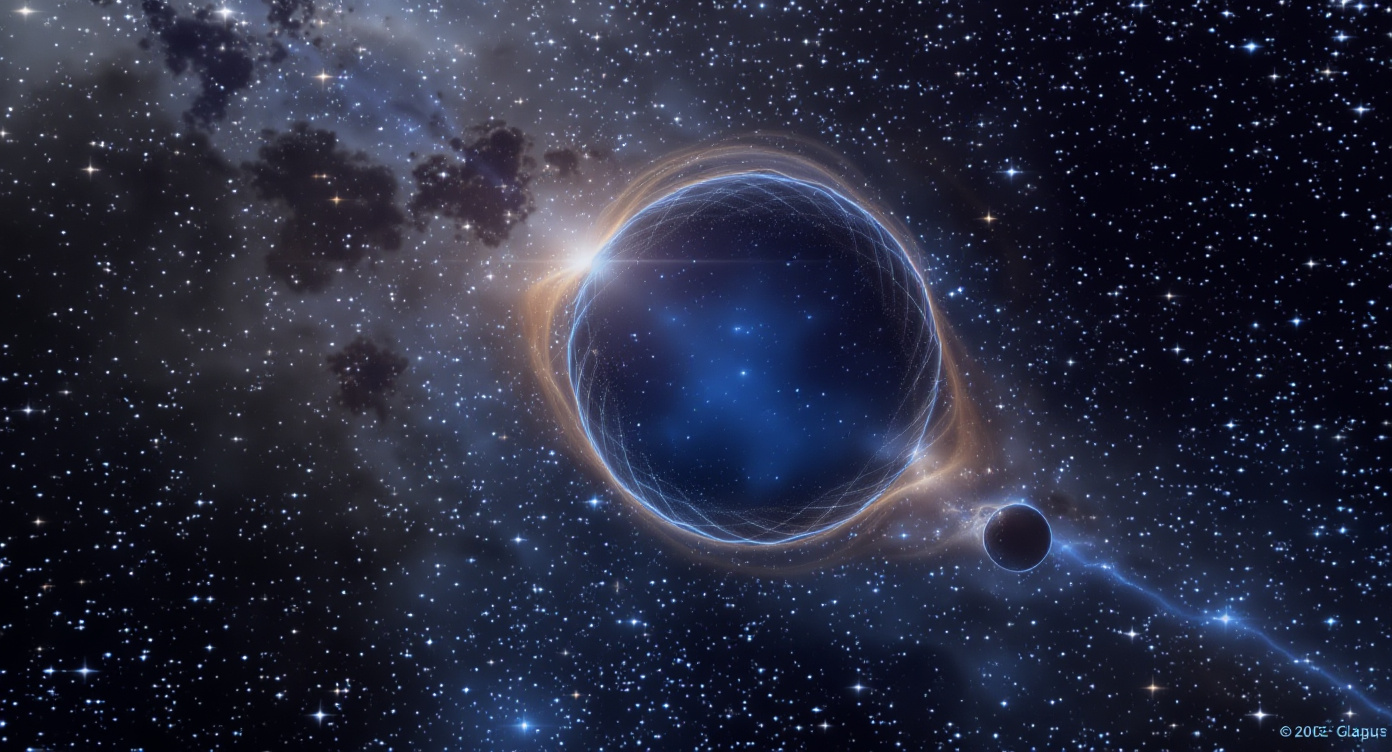
In 2022, a photon with record-breaking energy from a gamma-ray burst was detected on Earth—something that, according to current physical models, should not have been possible. To explain this phenomenon, astrophysicists proposed a new model that takes into account unusual effects at extreme energy levels.
Physicists from ISTA have, for the first time, implemented an autonomous method for distributing quantum entanglement using a "quantum bath." This breakthrough could lay the foundation for scalable quantum computers and networks. The new approach enables a continuous connection between distant qubits without the need for active control, opening up new possibilities for the advancement of quantum technologies.
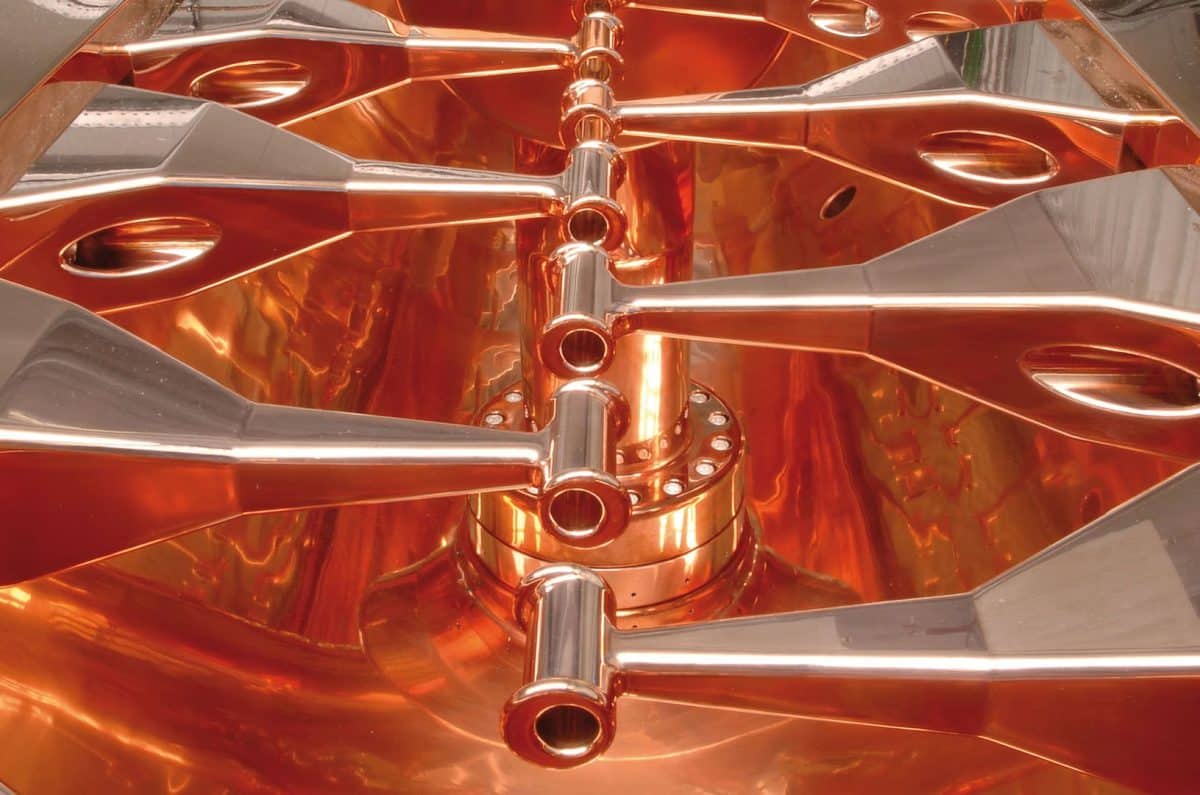
At the German GSI Institute, scientists have, for the first time, managed to slow down and fully capture highly ionized argon ions moving at 30% of the speed of light, and cool them using electron cooling. This method opens up new possibilities for precise studies of rare particles.
A group of students from the University of Hamburg has developed a compact detector for searching for axions—candidates for dark matter—and has set new limits on their properties. This project demonstrates that even small research teams can make significant contributions to solving complex problems in physics.
A new study has shown that the torpedo-shaped bat, despite its popularity following the Yankees' record-breaking game, does not increase the distance a ball travels compared to traditional bats. However, its design may make swinging more comfortable for players.
A new study has shown that the main factor behind the slipperiness of ice is the heating of its surface caused by friction, which leads to the formation of a thin layer of water. This finding brings together previous theories and explains how friction depends on speed.
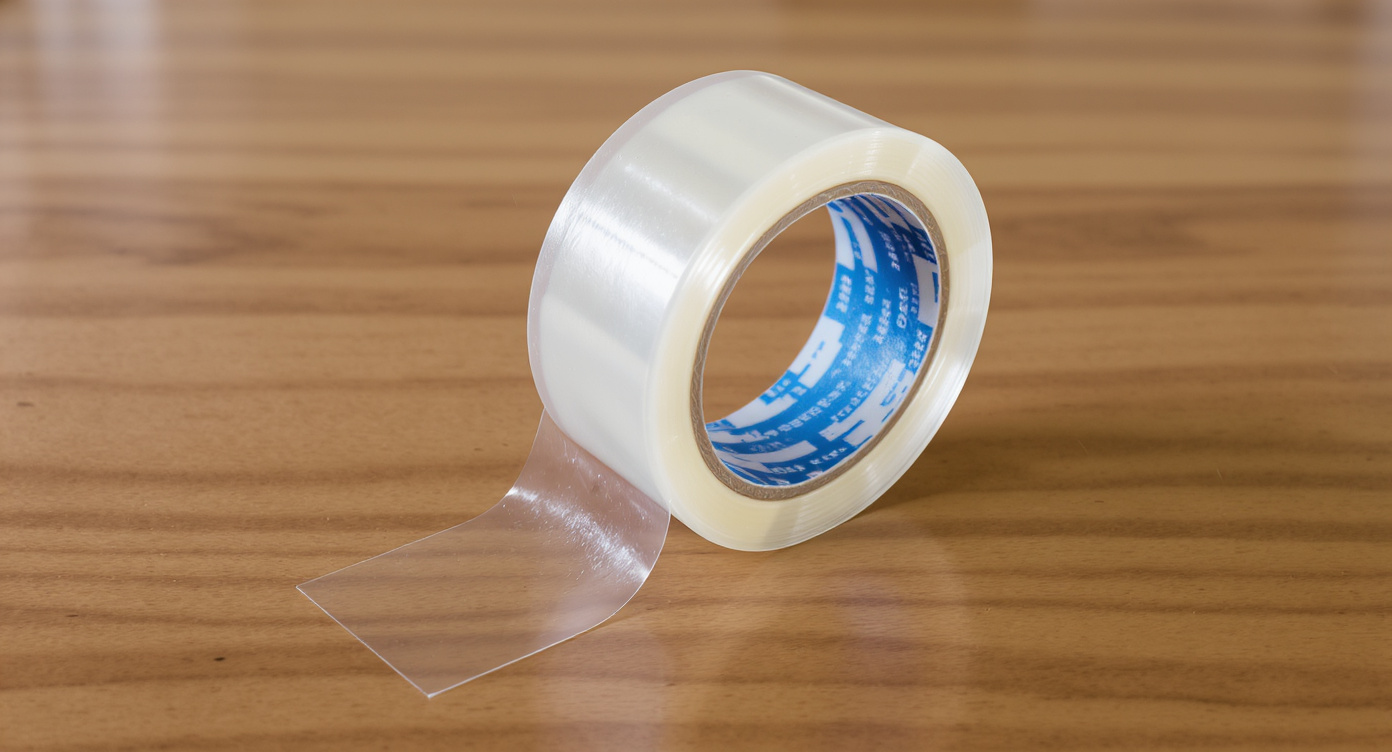
Recent studies have revealed that the characteristic squeal heard when peeling off tape is caused by a series of microscopic shock waves generated as cracks move at supersonic speeds along the tape. These processes repeat rapidly, producing the continuous screeching sound.
Physicists have developed a new computational tool for modeling self-interacting dark matter, opening up new possibilities for studying its role in the formation of galaxies and the structure of the universe. This new code enables researchers to investigate extreme processes, such as gravothermal collapse, with high accuracy and reduced resource requirements.
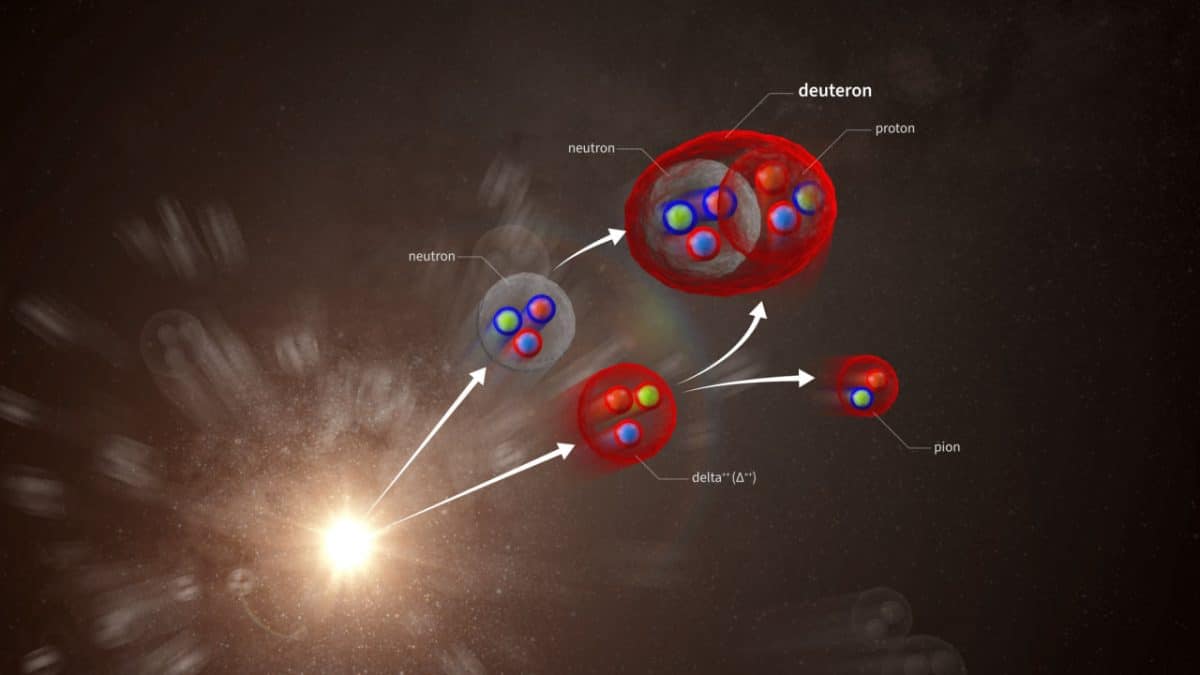
Physicists have discovered that light atomic nuclei are formed not at the center of particle collisions, but in a cooler region, which allows them to survive under extreme temperatures. This finding helps to better understand processes in space and the development of theoretical models.
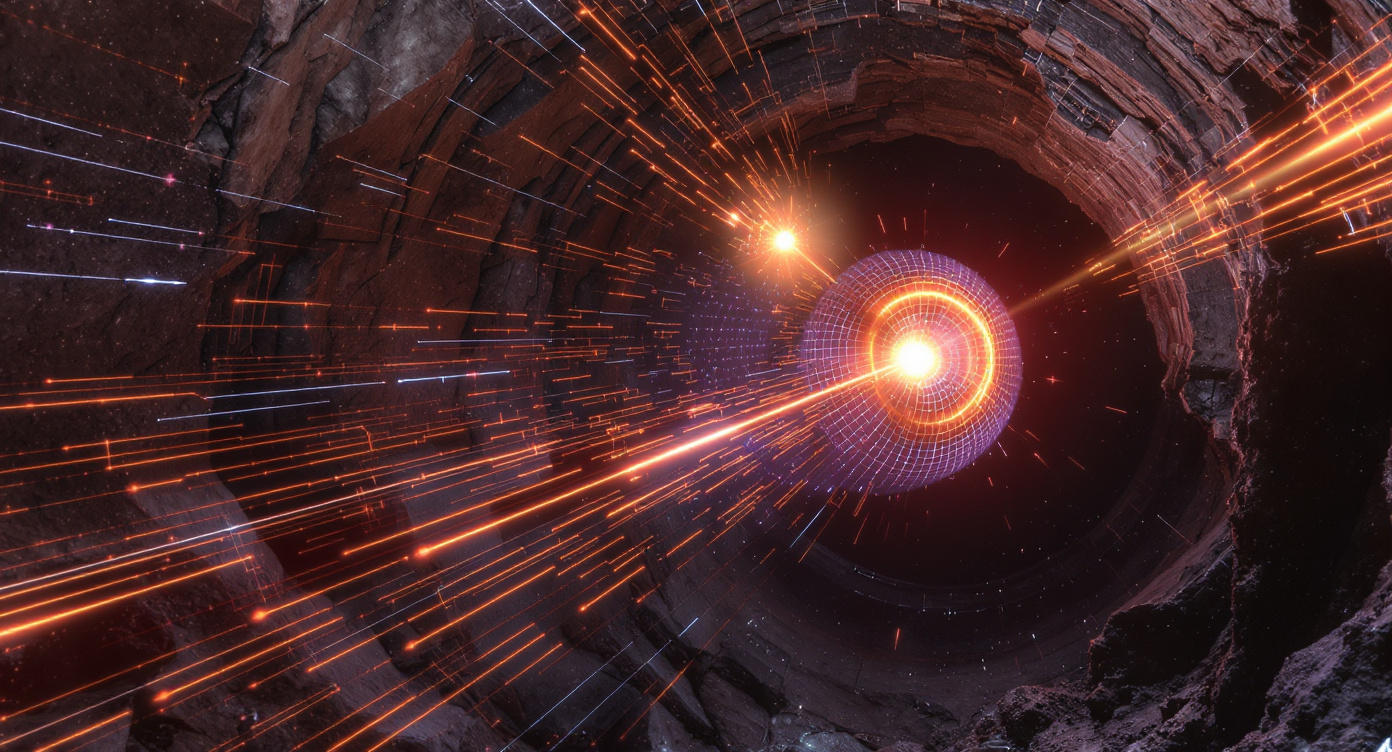
For the first time, scientists have observed solar neutrinos transforming carbon-13 isotopes into radioactive nitrogen-13, providing direct evidence of their involvement in weak interactions. The experiment was conducted at the underground SNO+ laboratory in Canada.
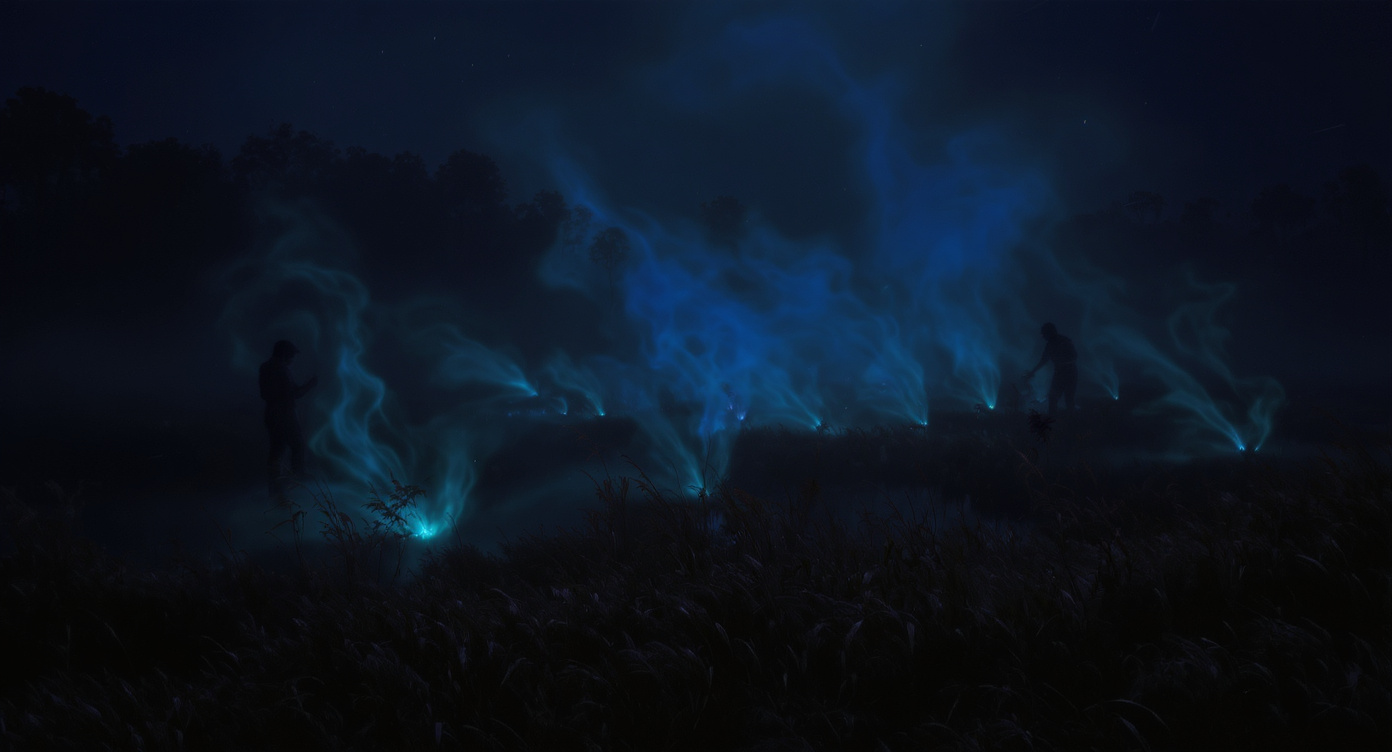
An international team of scientists has proposed a new explanation for the mysterious will-o'-the-wisps: their appearance is linked to microlightning—tiny electrical sparks between methane bubbles that produce a cold glow. This discovery paves the way for further research into this natural phenomenon.

 Cursus