Physicists have developed a new computational tool for modeling self-interacting dark matter, opening up new possibilities for studying its role in the formation of galaxies and the structure of the universe. This new code enables researchers to investigate extreme processes, such as gravothermal collapse, with high accuracy and reduced resource requirements.
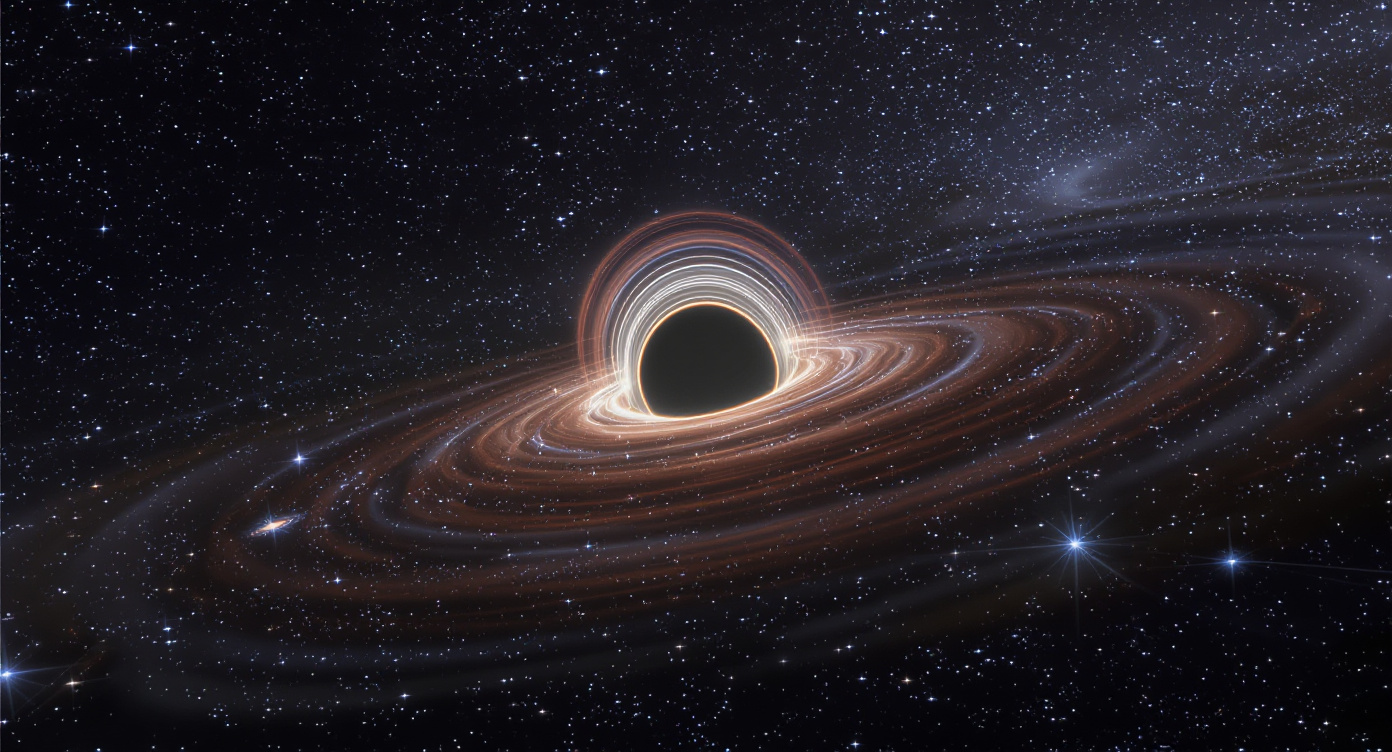
New cosmological simulations have shown that supermassive black holes in the early Universe grew gradually, rather than through rapid consumption of matter. Slow but steady growth proved to be more effective than a fast start.
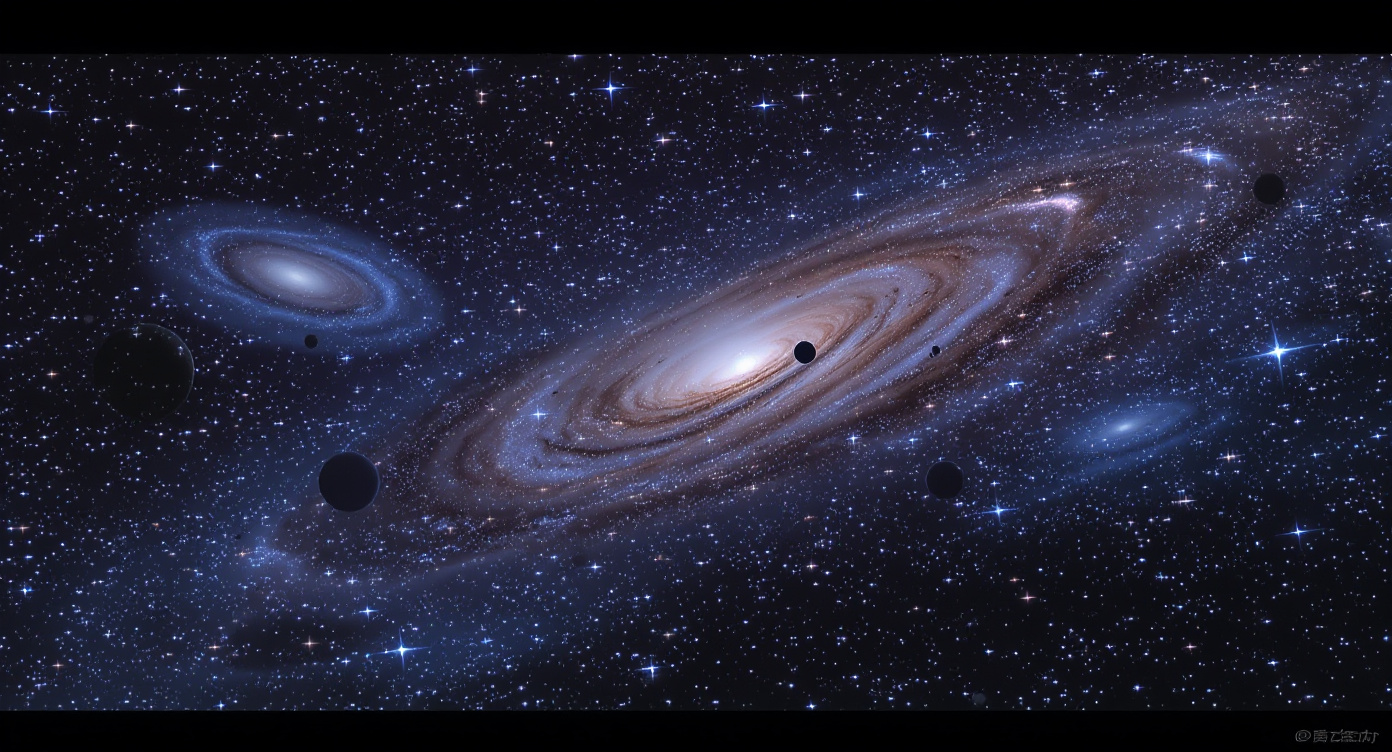
Scientists have unveiled Flagship 2—the largest simulation of the Universe ever created, encompassing more than 3.4 billion galaxies. This virtual catalog will help researchers study the evolution of galaxies and prepare for new discoveries in astronomy.
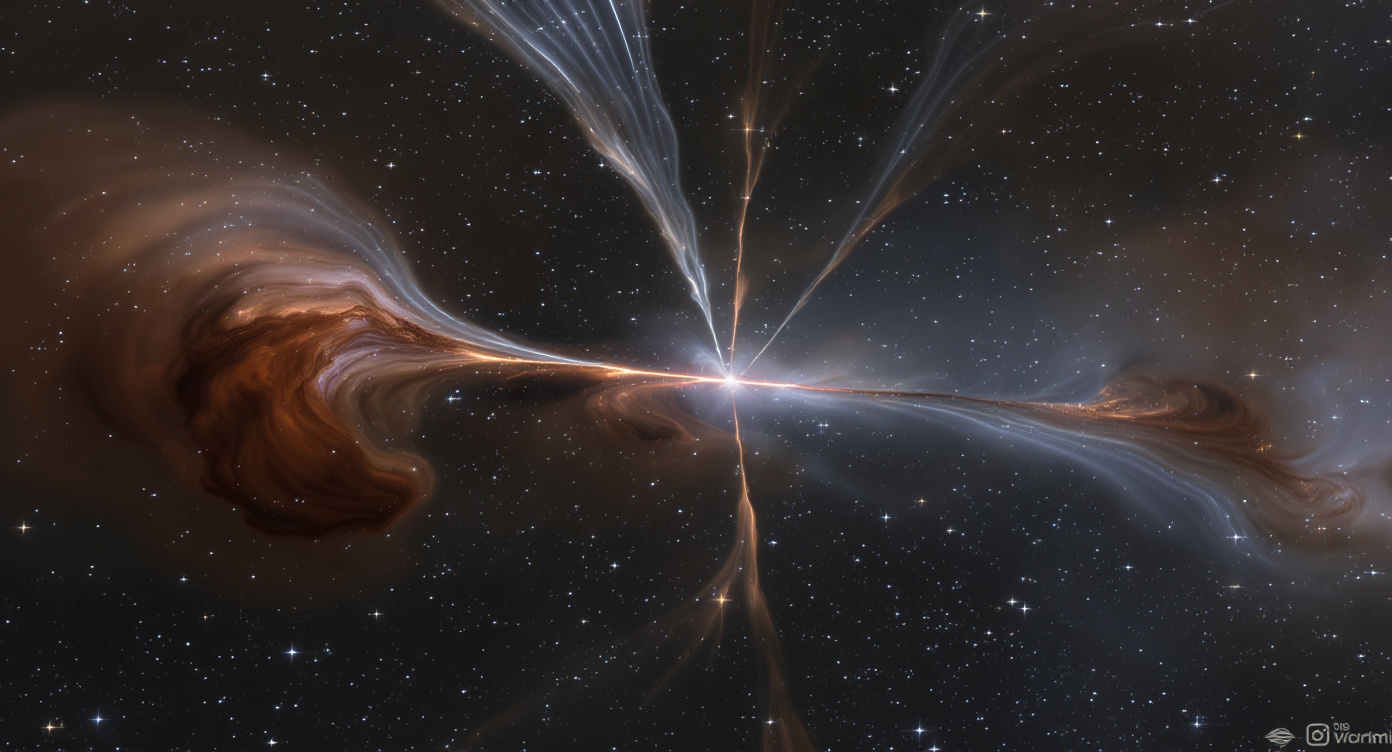
Astronomers have, for the first time, closely tracked the birth of a massive star, uncovering a complex system of gas flows and structures that regulate its growth. This discovery sheds light on how giant stars form and explains why their emergence takes hundreds of thousands of years.
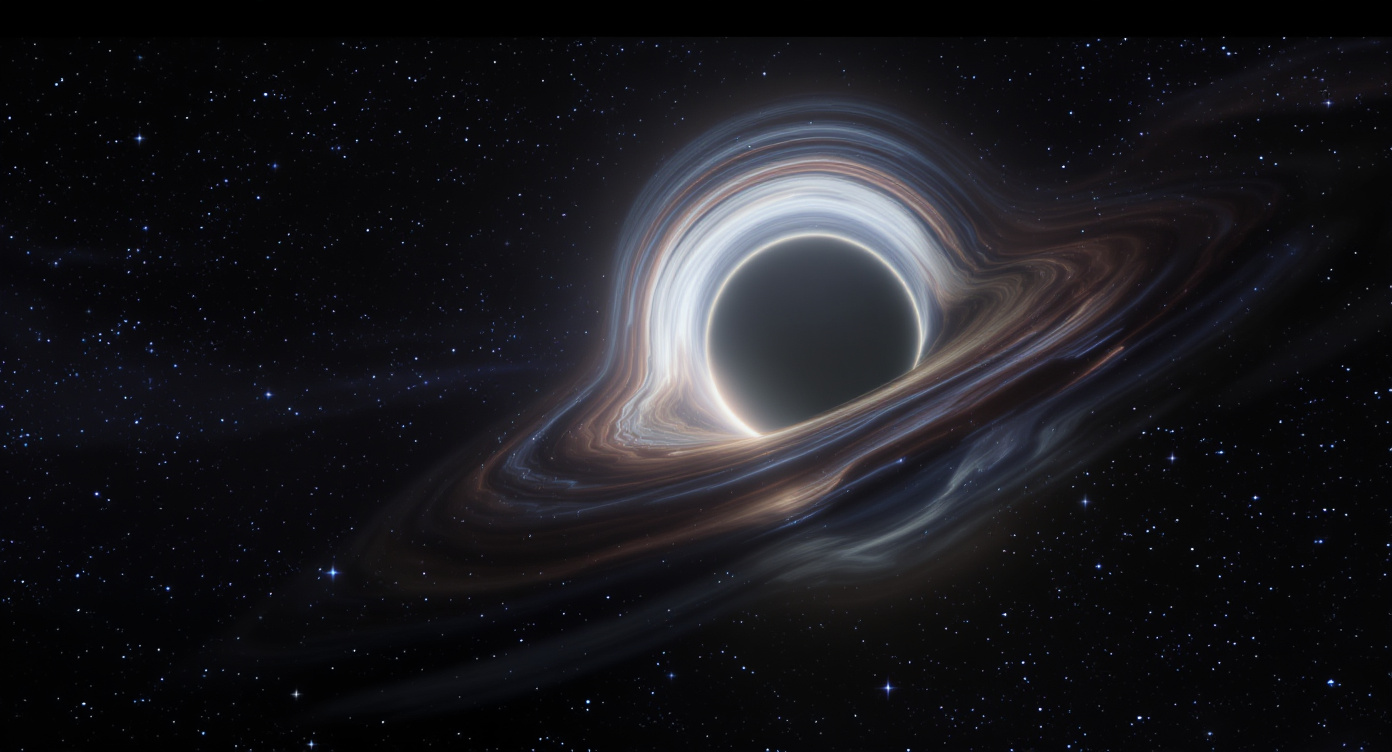
Recent studies show that low-mass black holes cannot account for all the dark matter in the Universe. However, debates about the nature of dark matter continue, and new discoveries may change scientists' perspectives.
Astronomers have discovered that tiny "little red dots" may represent an early stage in the evolution of blue, dust-rich galaxies. This finding helps trace the life cycle of massive galaxies in the Universe.

 Cursus