The article discusses a new hypothesis about the early stages of the Universe and the nature of dark matter, which contradicts established scientific data and lacks sufficient justification. Experts point out that this hypothesis does not align with current understanding in physics.
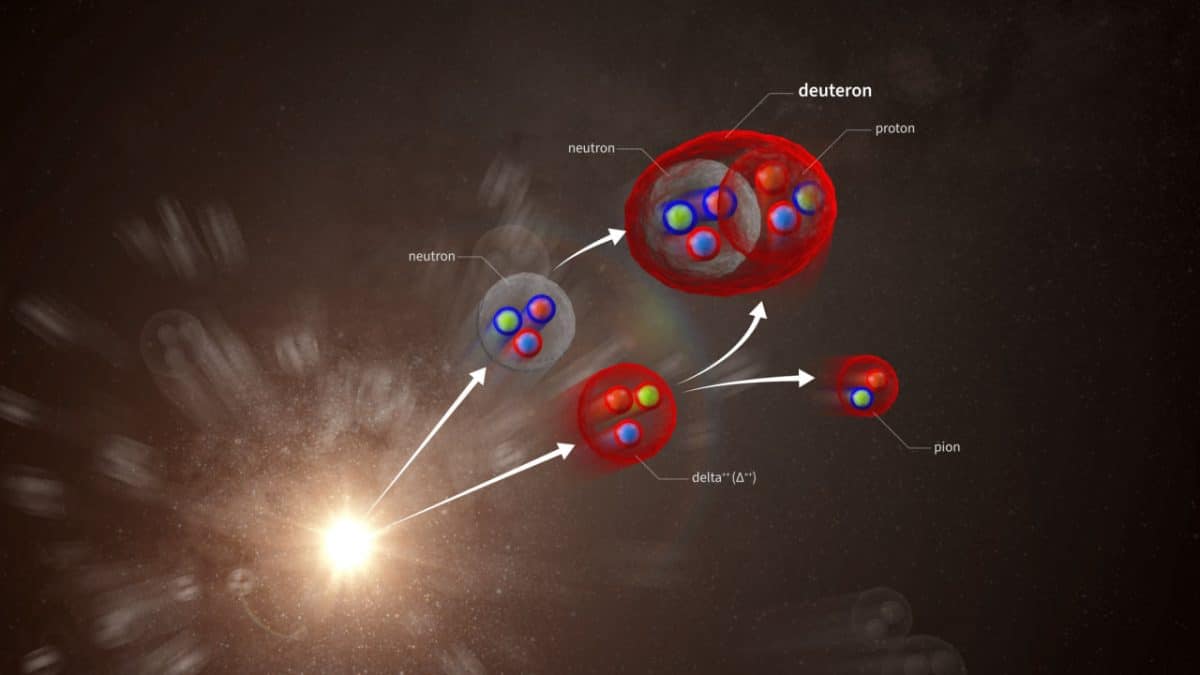
Physicists have discovered that light atomic nuclei are formed not at the center of particle collisions, but in a cooler region, which allows them to survive under extreme temperatures. This finding helps to better understand processes in space and the development of theoretical models.
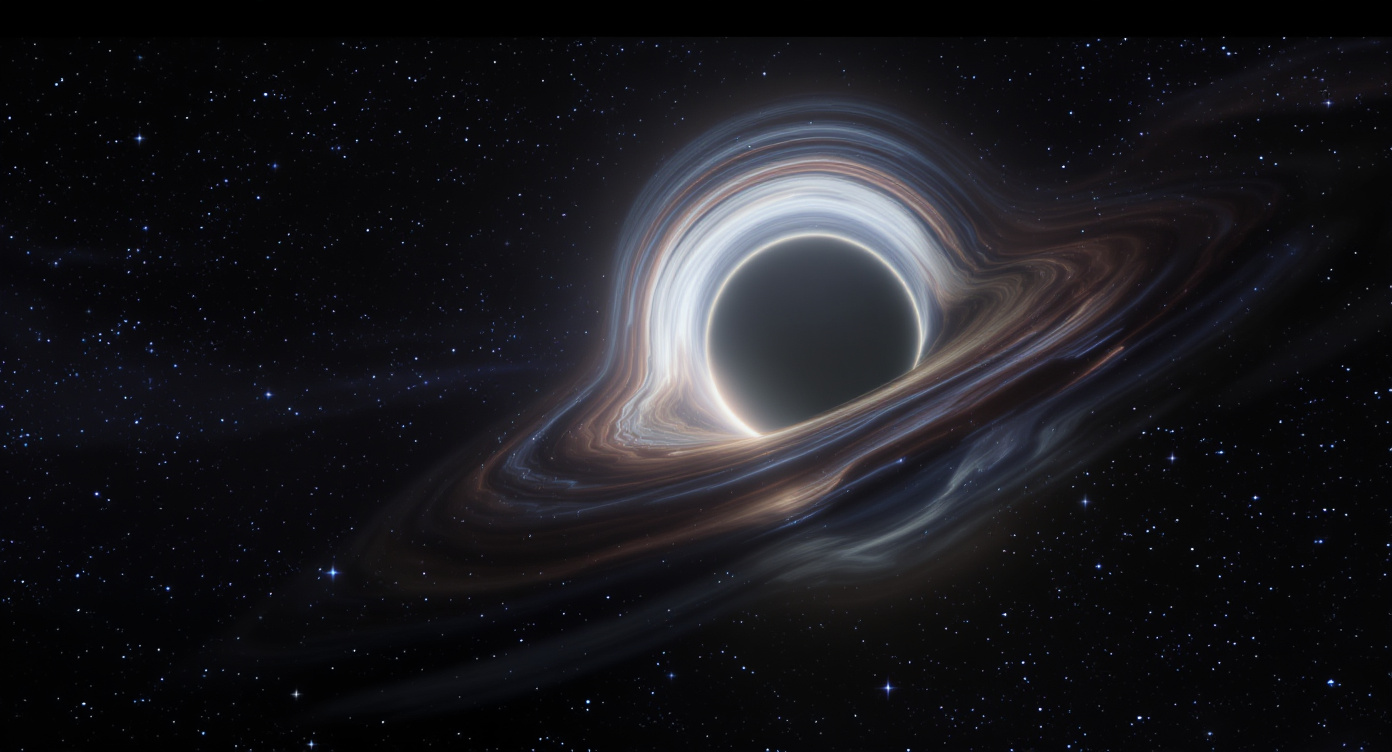
Recent studies show that low-mass black holes cannot account for all the dark matter in the Universe. However, debates about the nature of dark matter continue, and new discoveries may change scientists' perspectives.

 Cursus