The article discusses a new hypothesis about the early stages of the Universe and the nature of dark matter, which contradicts established scientific data and lacks sufficient justification. Experts point out that this hypothesis does not align with current understanding in physics.
A group of students from the University of Hamburg has developed a compact detector for searching for axions—candidates for dark matter—and has set new limits on their properties. This project demonstrates that even small research teams can make significant contributions to solving complex problems in physics.
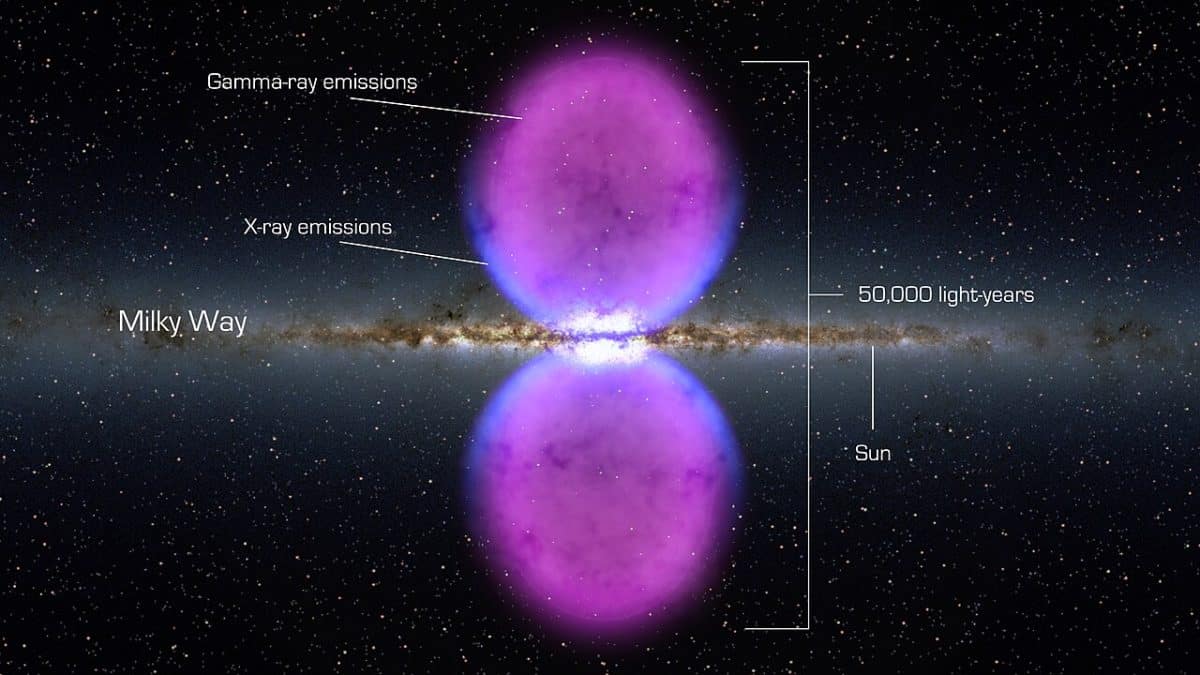
A new study has detected gamma radiation from the center of the Galaxy, which may be linked to the decay of dark matter particles. If this discovery is confirmed, it could transform our understanding of the Universe.
New research indicates that the expansion of the Universe is slowing down, rather than accelerating as previously believed. This finding is linked to a reassessment of the properties of type Ia supernovae and could change our understanding of dark energy and the evolution of the cosmos.
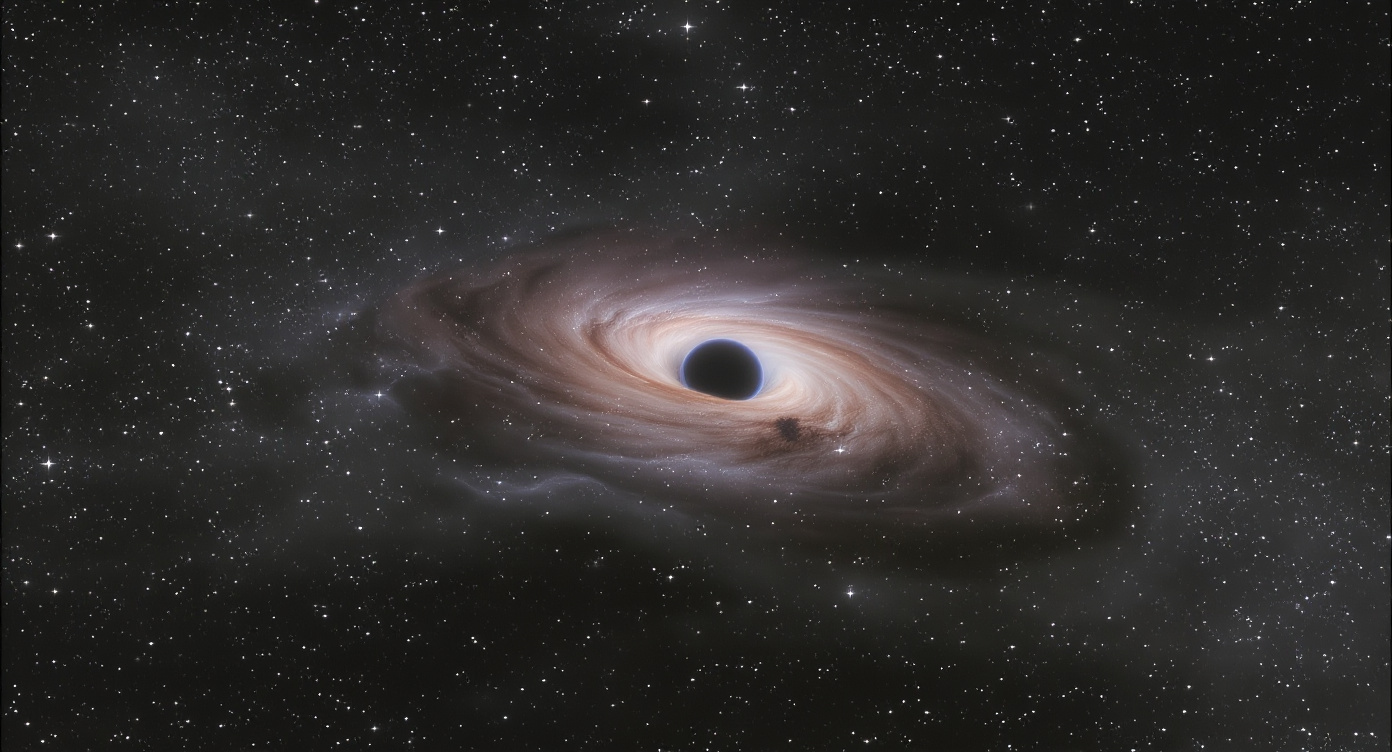
Astronomers have discovered a black hole in an ancient galaxy whose mass exceeds that of all the surrounding matter. This finding challenges standard theories about black hole formation and calls for new explanations.

 Cursus