A new study has shown that the Atlantic Meridional Circulation has been weakening for nearly two decades, which could significantly impact the climate, precipitation, and sea levels in adjacent regions. Long-term observations are helping scientists better predict potential climate changes in the future.
Astronomers have confirmed the discovery of the youngest known exoplanet, Elias 2-24 b, which is less than a million years old. This finding provides valuable insights into the early stages of planet formation.
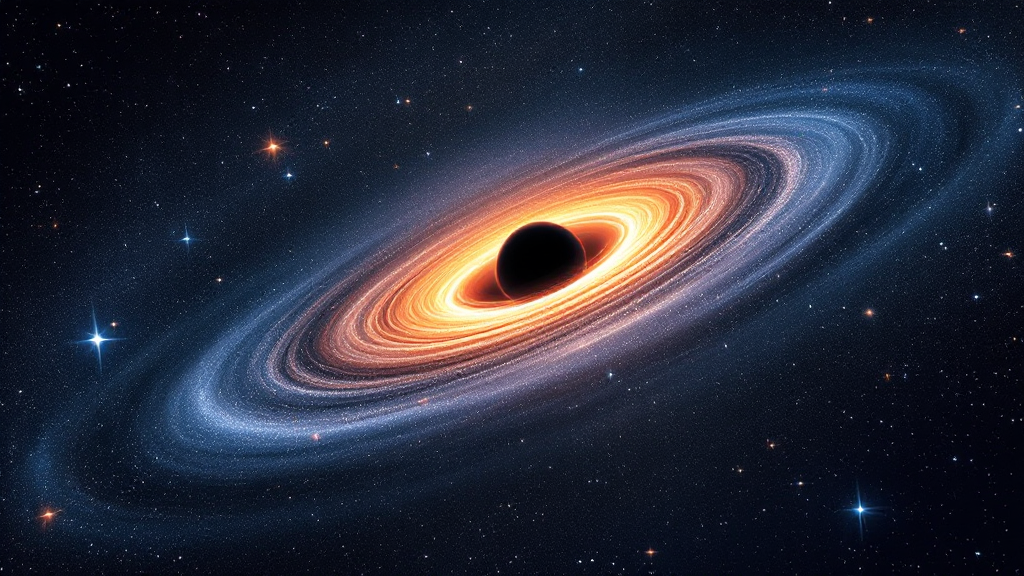
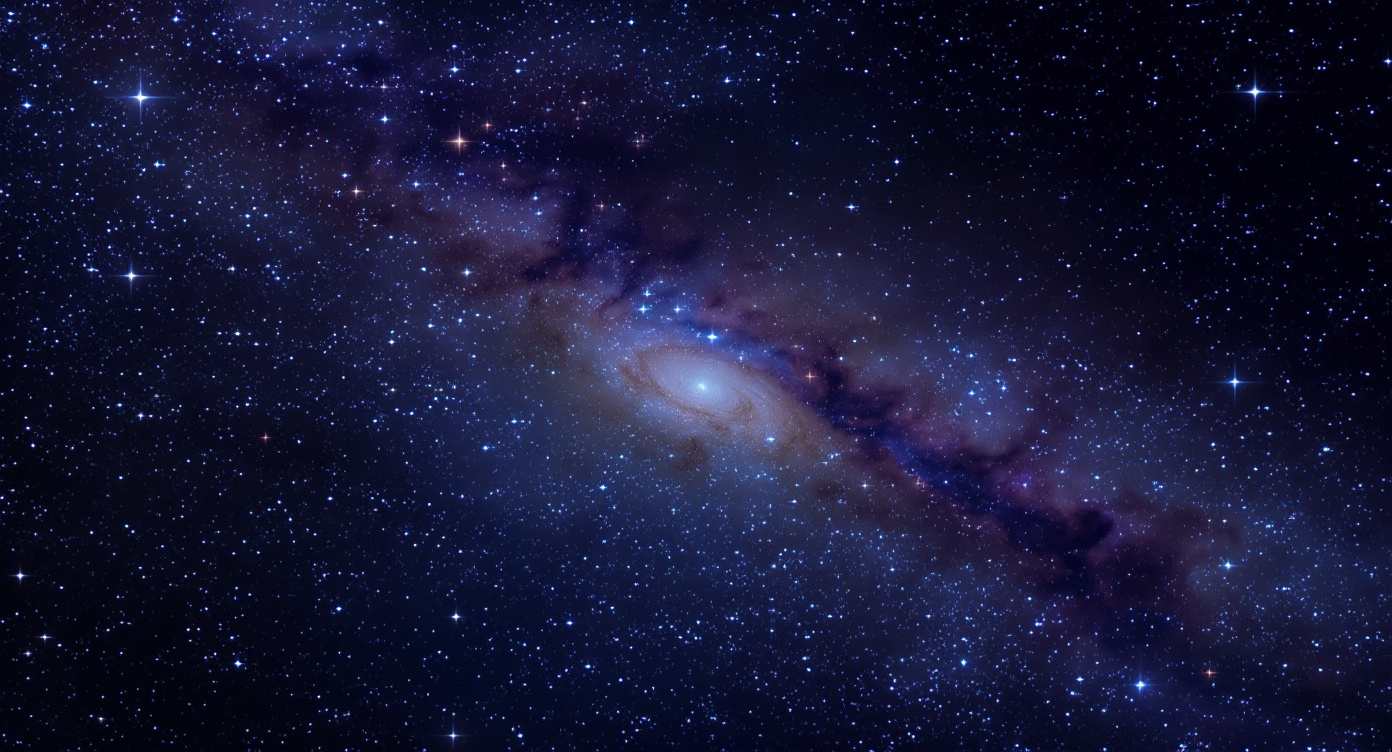
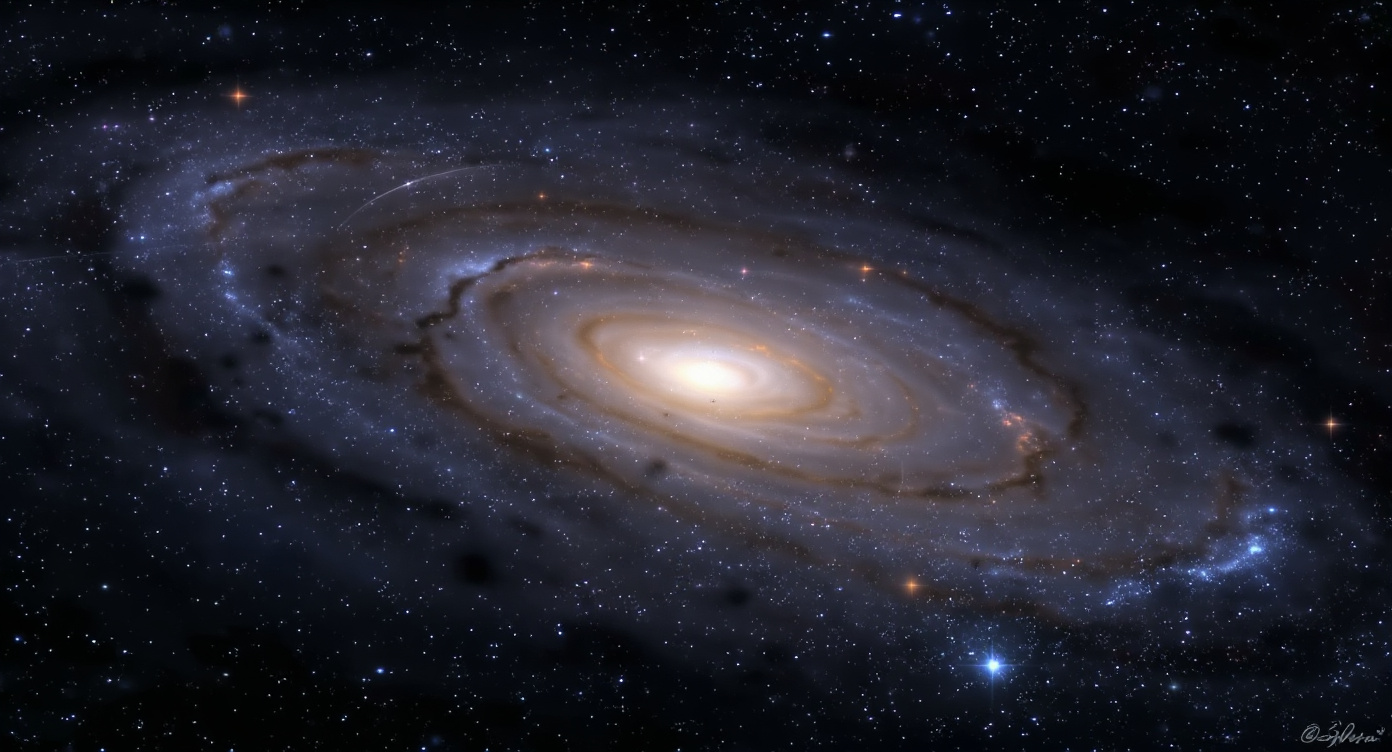
Astronomers have discovered a unique object, S301, moving along an elongated orbit around the supermassive black hole at the center of the Milky Way. Its distinctive features may help scientists measure the rotation of the black hole Sagittarius A* for the first time.
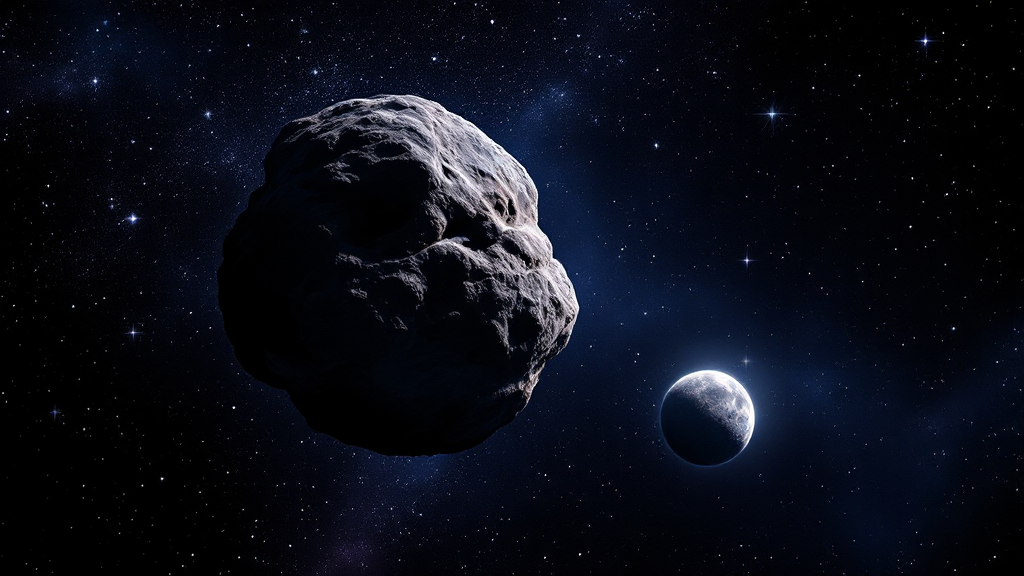
Astronomers have, for the first time, determined that asteroid 44 Nysa is composed of three distinct parts, making it unique among known asteroids. The origin of such a structure remains a mystery.
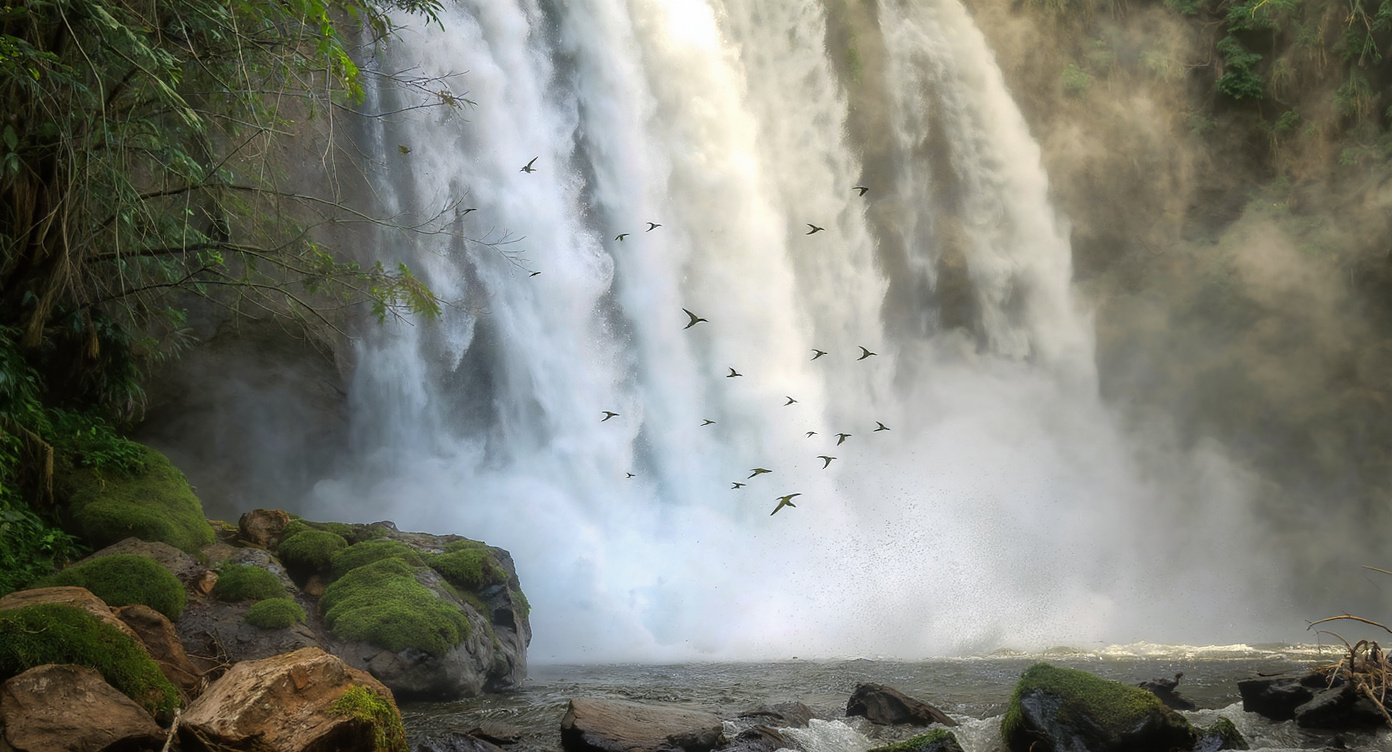
For many years, residents of Central Africa have told stories about fish capable of climbing waterfalls. Now, these accounts have received scientific confirmation: Parakneria thysi have been captured on video as they scaled a 15-meter waterfall. The study reveals the unique mechanisms behind their vertical movement and highlights the distinctive features of their migration.
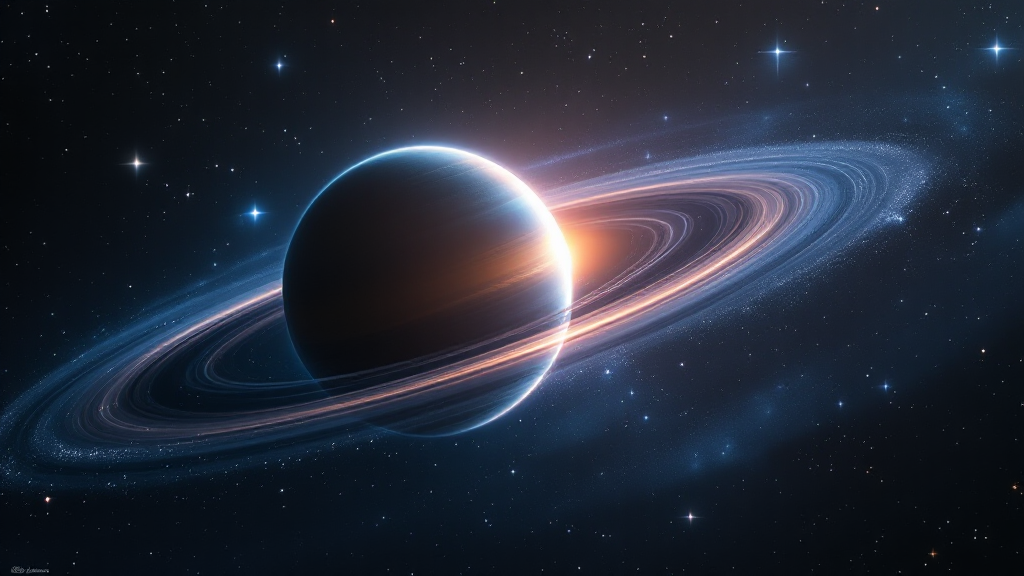
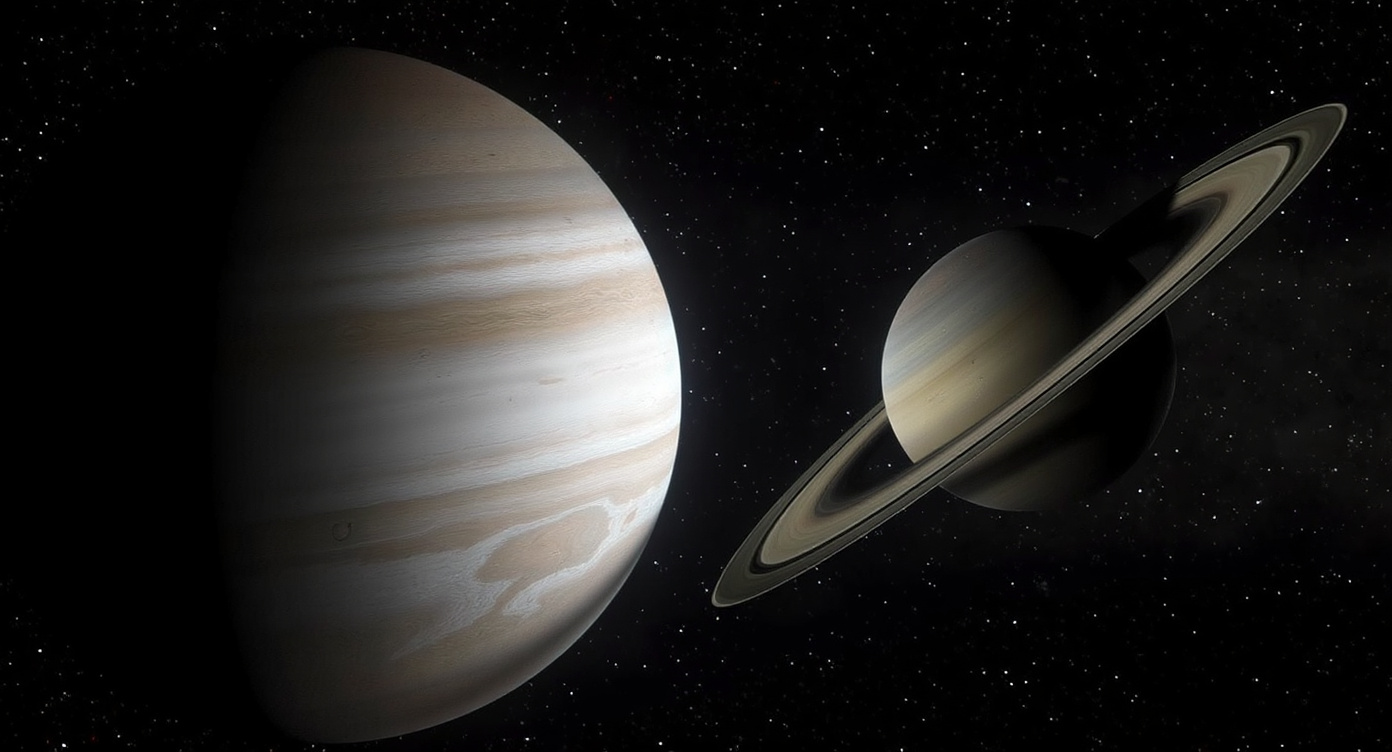
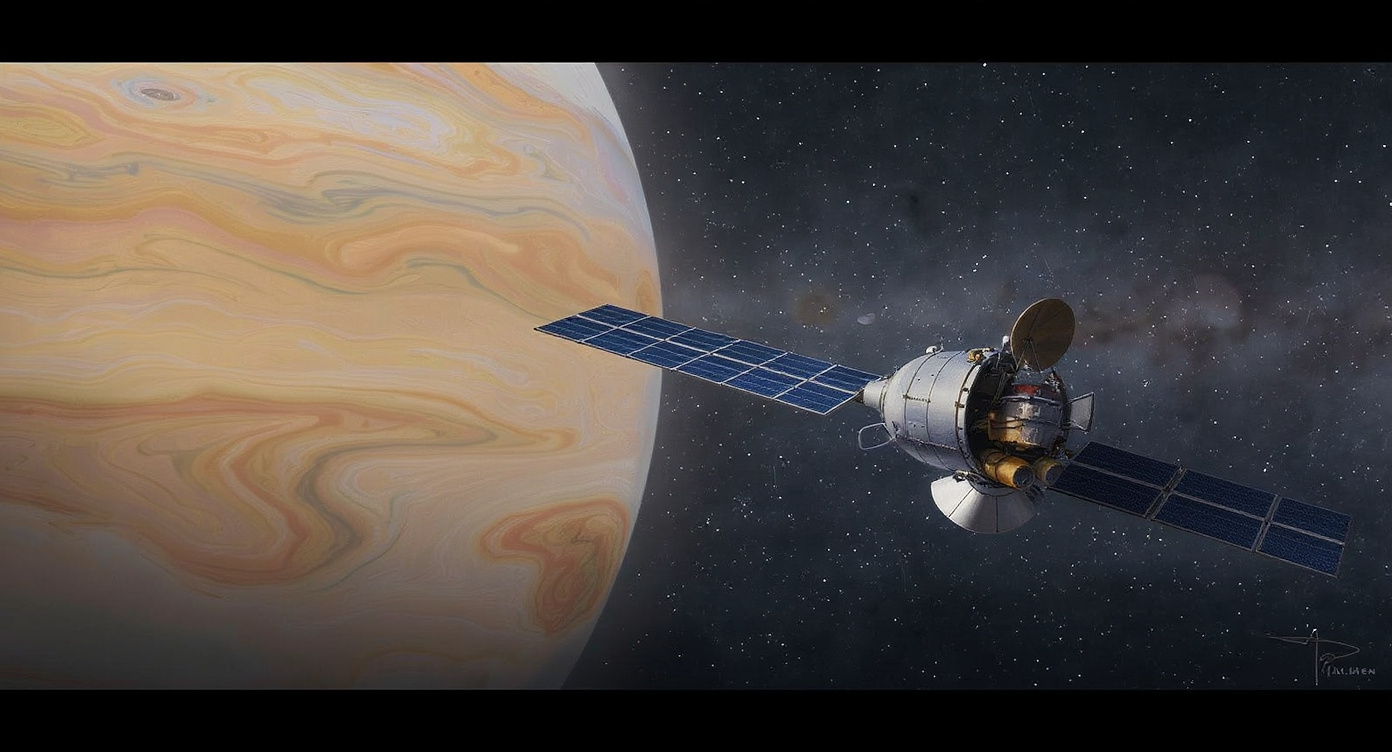
Astronomers have discovered new small moons orbiting Jupiter and Saturn using powerful telescopes. There are now 101 known moons around Jupiter and 285 around Saturn, and more discoveries are expected in the coming years.
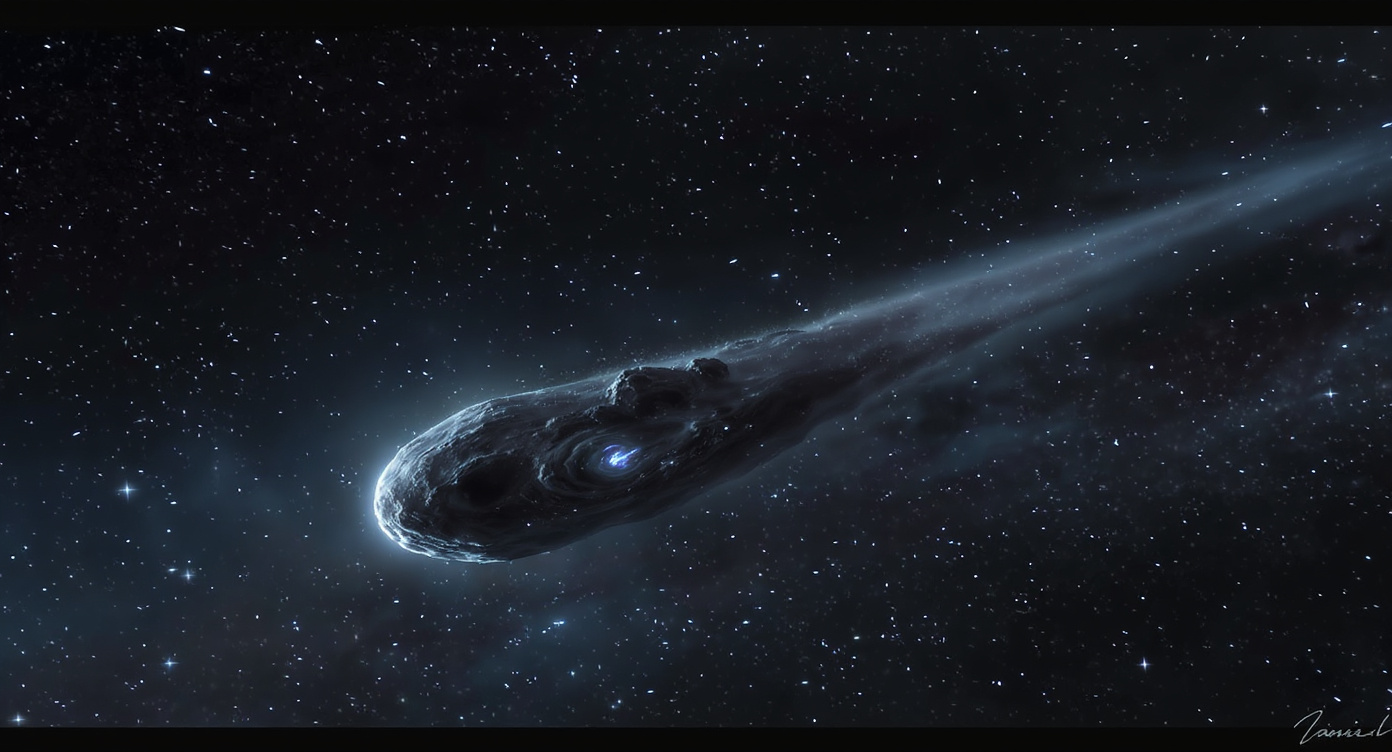
The interstellar comet 3I/ATLAS has been recognized as one of the oldest ever observed by astronomers—its age is estimated at 10 to 12 billion years. Analysis of data from the James Webb Telescope suggests that the comet originated in the cold and distant regions of the early Milky Way.
Astronomers have, for the first time, observed the formation of a magnetar during a supernova explosion, confirming that unusually bright supernovae receive additional energy from these objects. This discovery will help deepen our understanding of the processes that occur when massive stars die.
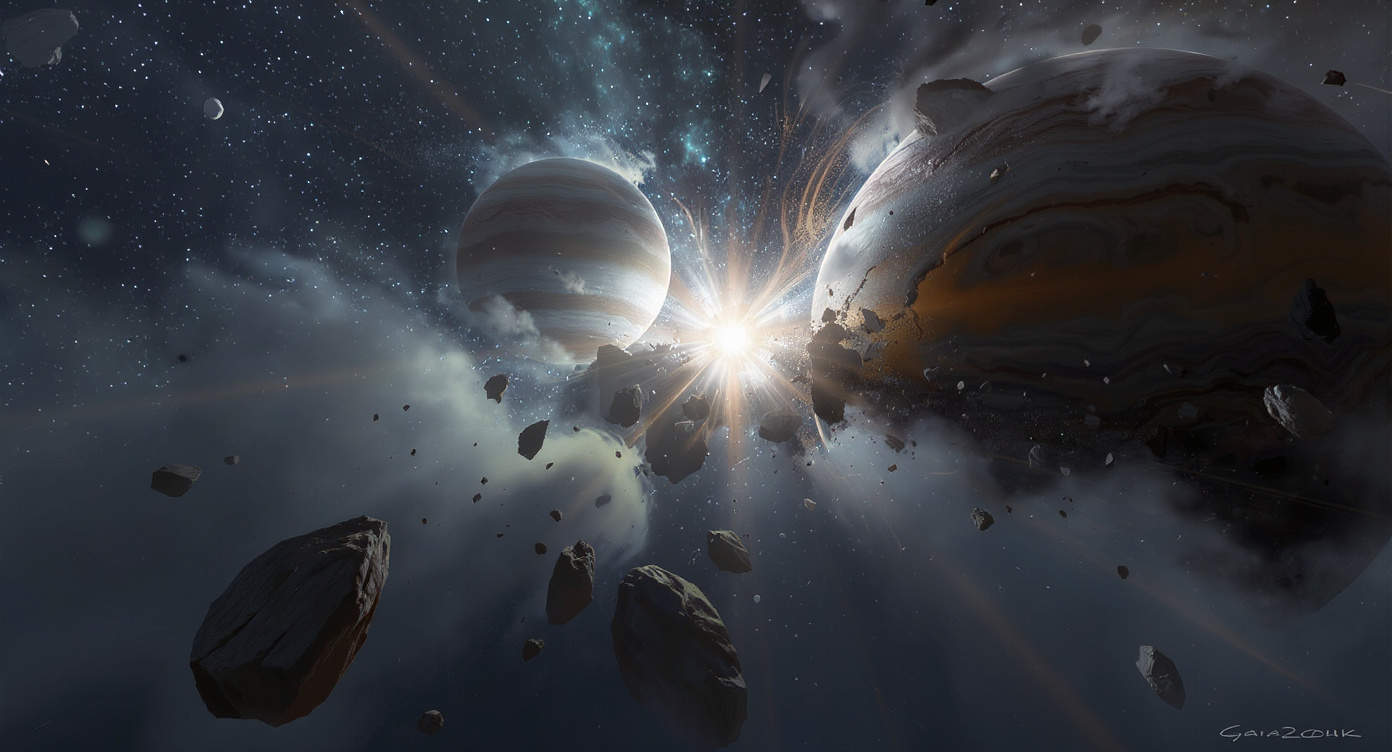
Astronomers have recorded a collision between two exoplanets in a system located 11,000 light-years from Earth. This discovery provides deeper insight into the processes of formation and evolution of planetary systems in the universe.
Astronomers using the Very Large Telescope have discovered a new gas cloud near the black hole Sagittarius A* at the center of the Milky Way. This discovery helps to shed light on the origins of other clouds and the structure of our galaxy.
The TESS space telescope has discovered the most compact known quadruple star system, where four stars are located within the radius of Jupiter’s orbit. This discovery offers new insights into the little-studied multiple star structures in the Universe.
Astronomers have discovered an unusual galaxy, CDG-2, which is composed almost entirely of dark matter and contains virtually no stars. This discovery is significant for studying the nature of dark galaxies and the mysteries of dark matter.
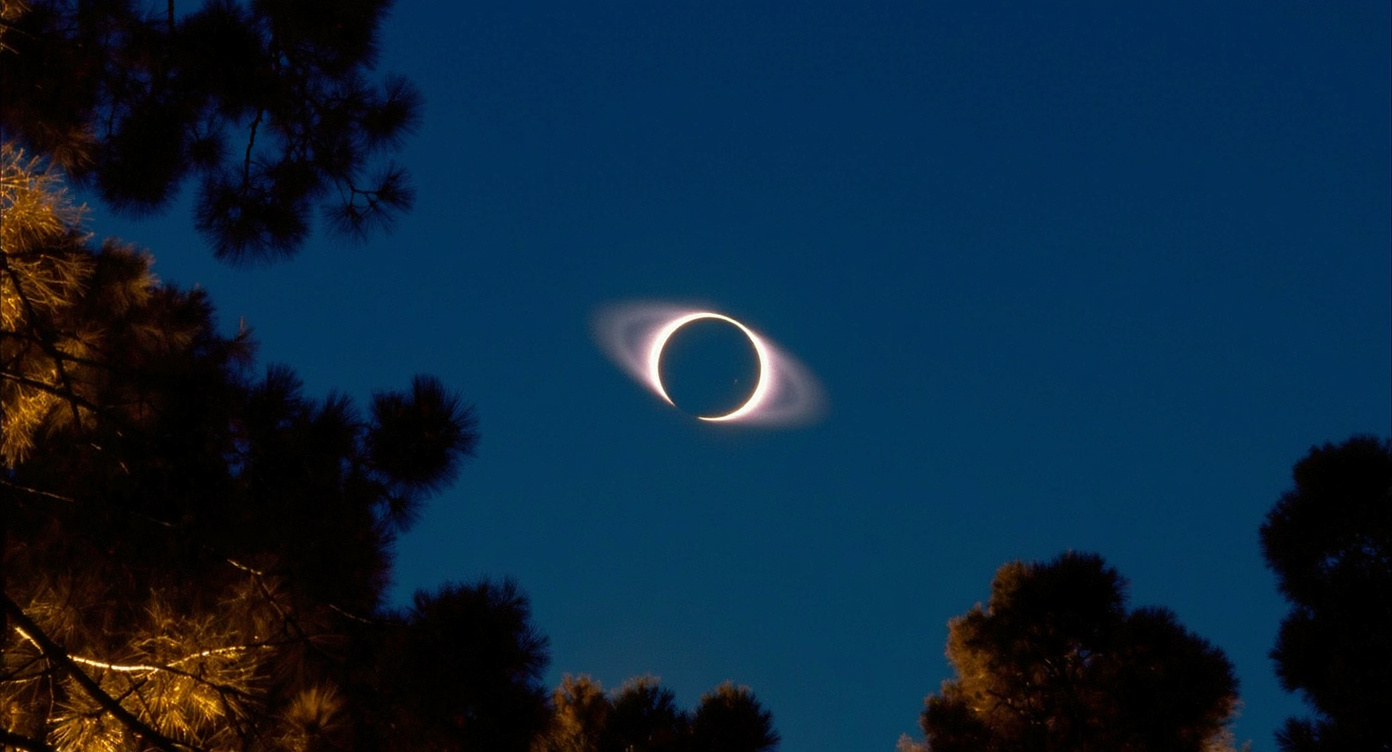
During the 2024 solar eclipse, volunteers across the United States collected tens of thousands of images for NASA's Eclipse Megamovie project. This data will help scientists gain deeper insights into the dynamics of the solar corona and improve space weather forecasting.
The European Space Agency has released the first images of the interstellar comet 3I/ATLAS, captured by the Juice spacecraft on its way to Jupiter. This data will provide new insights into the structure and origin of this rare object.
Astronomers have discovered a possible pulsar near the black hole at the center of the Milky Way. Confirming this discovery could help us gain a deeper understanding of the structure and processes within the Universe.


 Natura