Astronomers have identified 45 rocky exoplanets located in habitable zones that may possess conditions suitable for life. This discovery will help refine the search for life in the universe and expand our understanding of the cosmos.
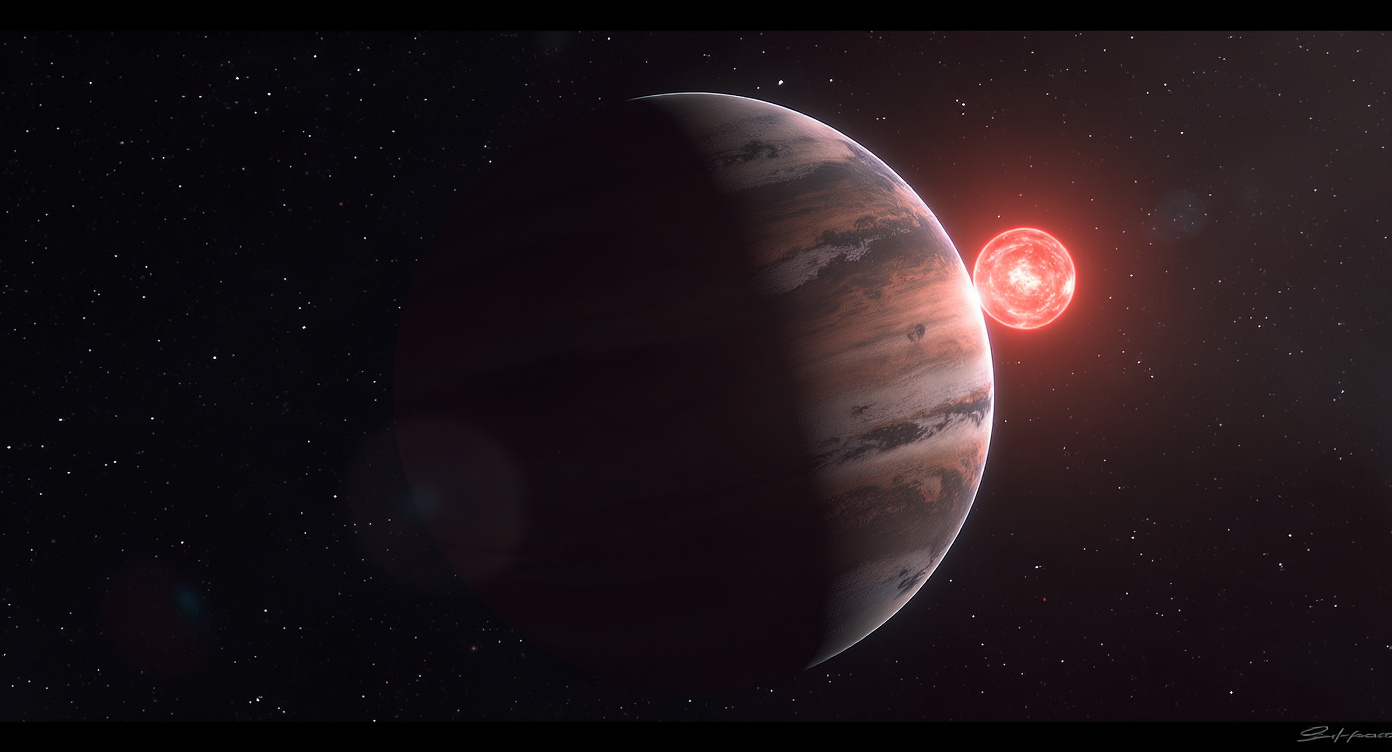
Astronomers have discovered a new super-Earth class exoplanet, TOI-1080 b, orbiting a red dwarf star 83 light-years from Earth. The planet is larger and more massive than Earth, but it lies outside the habitable zone of its star.
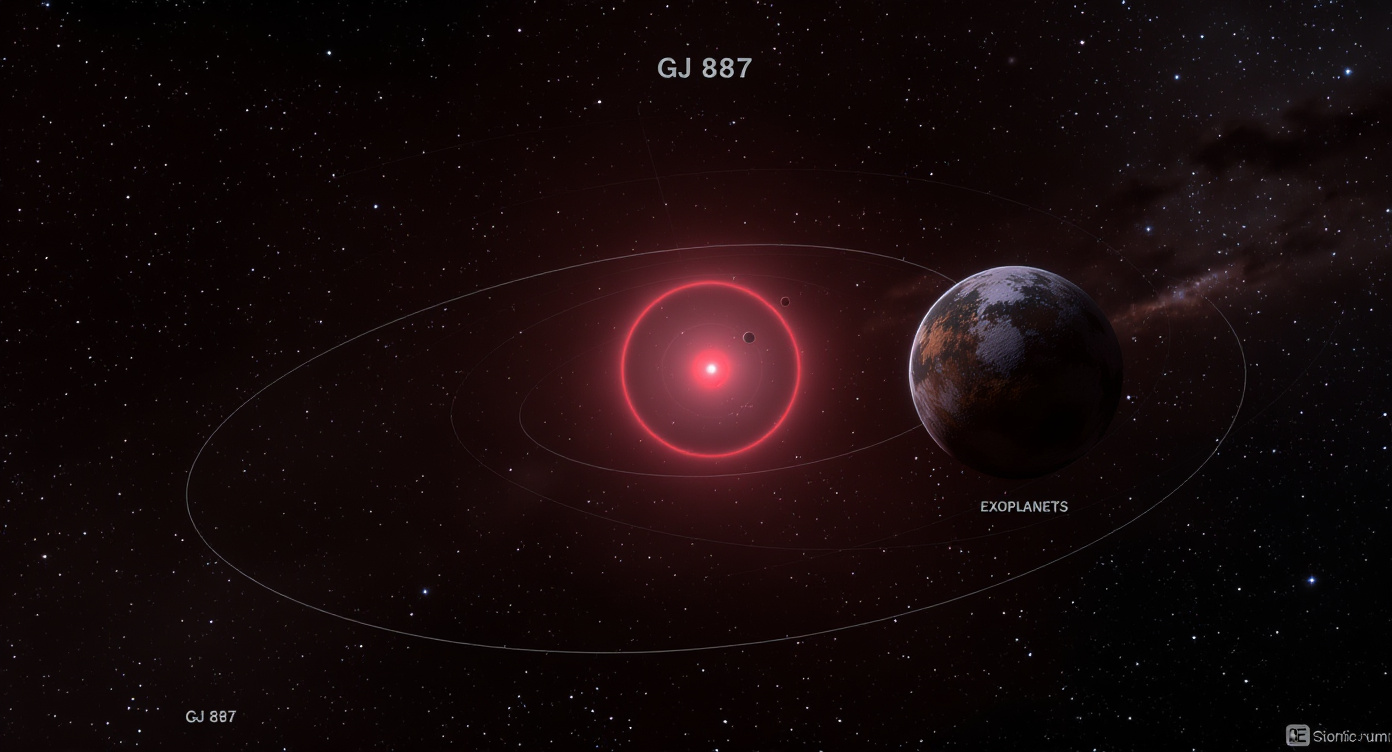
Astronomers have confirmed the existence of two new exoplanets orbiting the red dwarf GJ 887, one of which lies within the habitable zone and may have conditions suitable for liquid water. Further research will help scientists learn more about the potential for life in this system.
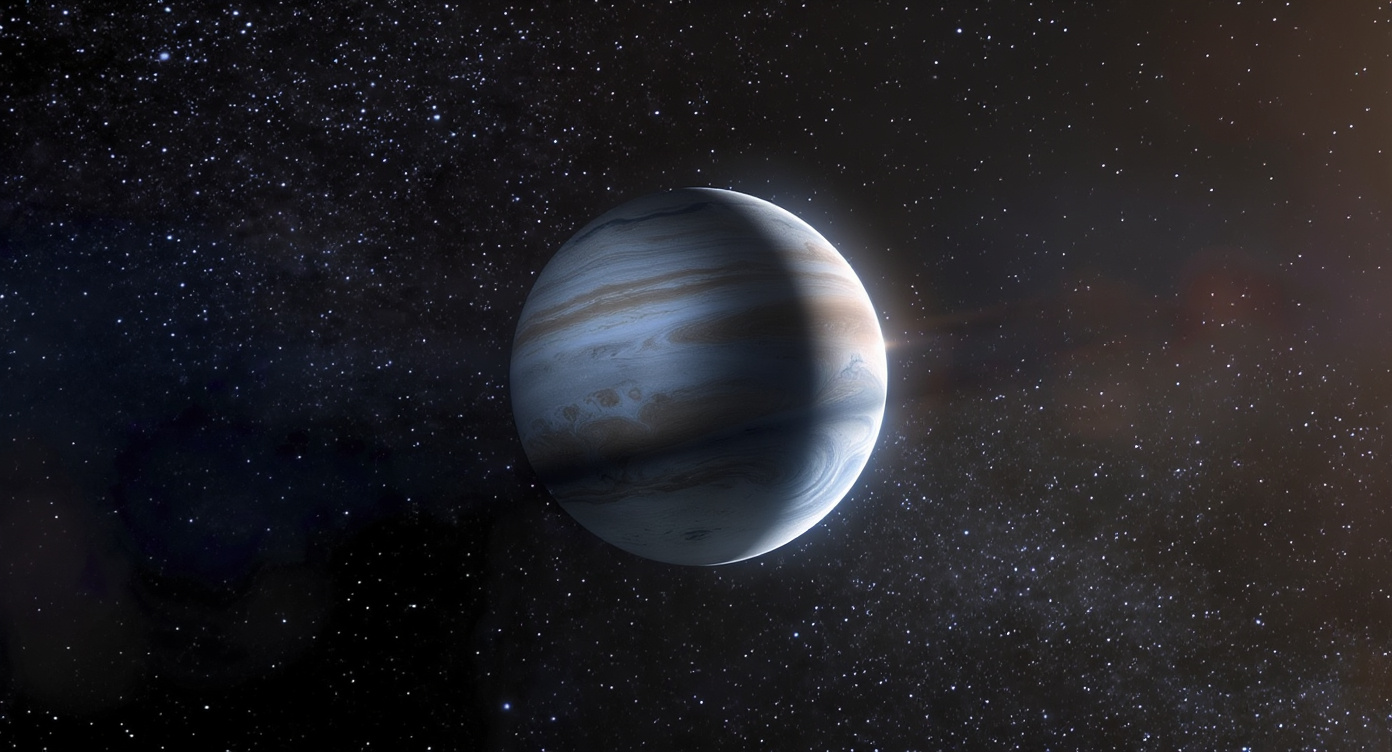
Astronomers have discovered the exoplanet TOI-5734 b, located 106 light-years from Earth and notable for its rare characteristics. It may lose its atmosphere and transform into a rocky super-Earth, which is significant for studying the evolution of planetary systems.
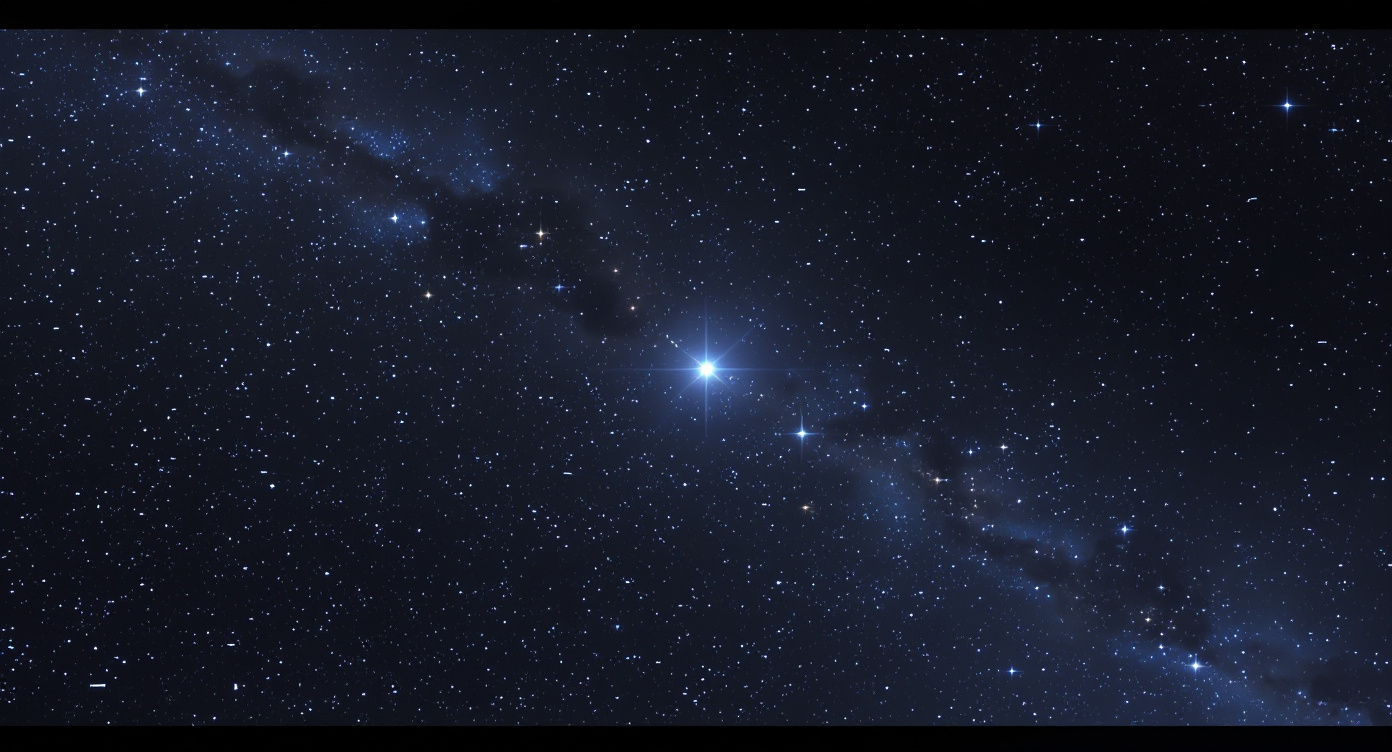
The TESS space telescope has discovered the most compact known quadruple star system, where four stars are located within the radius of Jupiter’s orbit. This discovery offers new insights into the little-studied multiple star structures in the Universe.

 Cursus