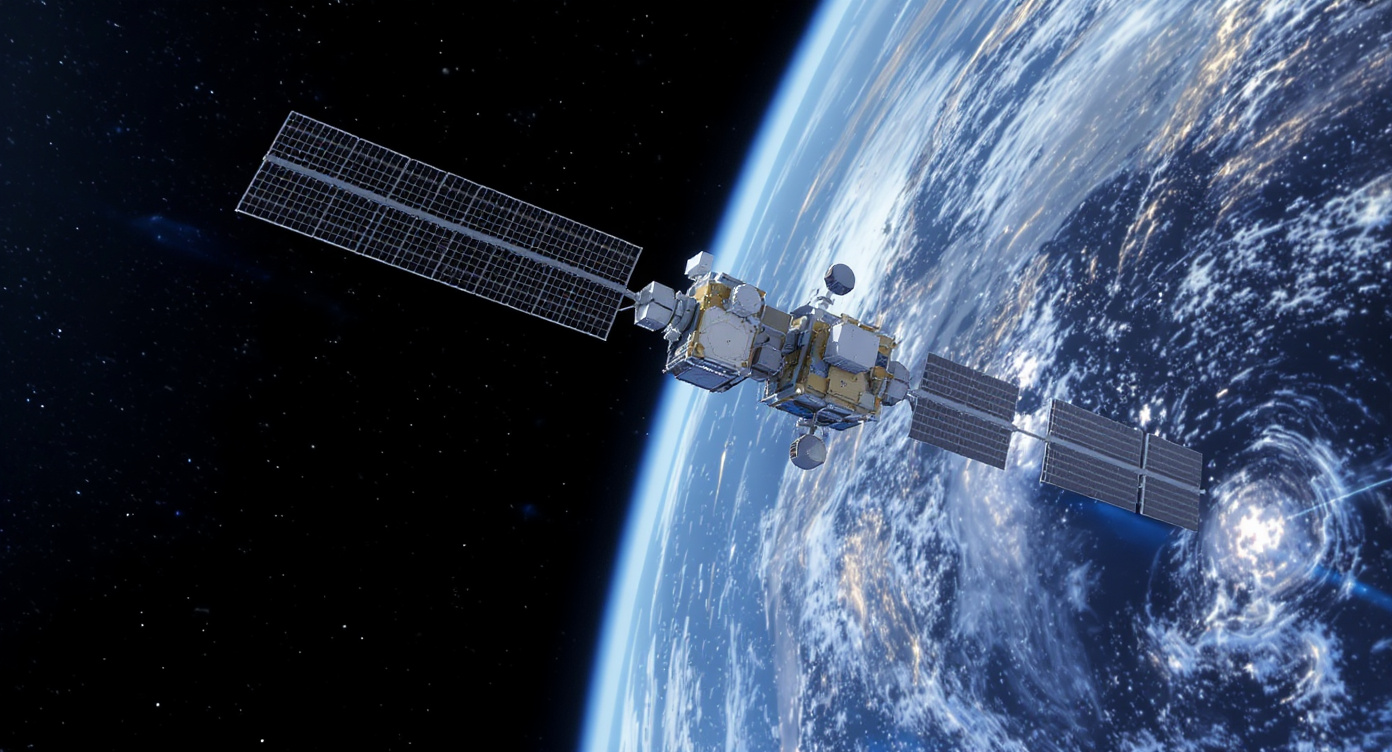
SpaceX is preparing a test launch of Starship, during which, for the first time, the upper stage is expected to be placed into a stable orbit and deploy new Starlink V3 satellites with record-breaking bandwidth. This mission will mark an important step toward creating a fully reusable orbital system.
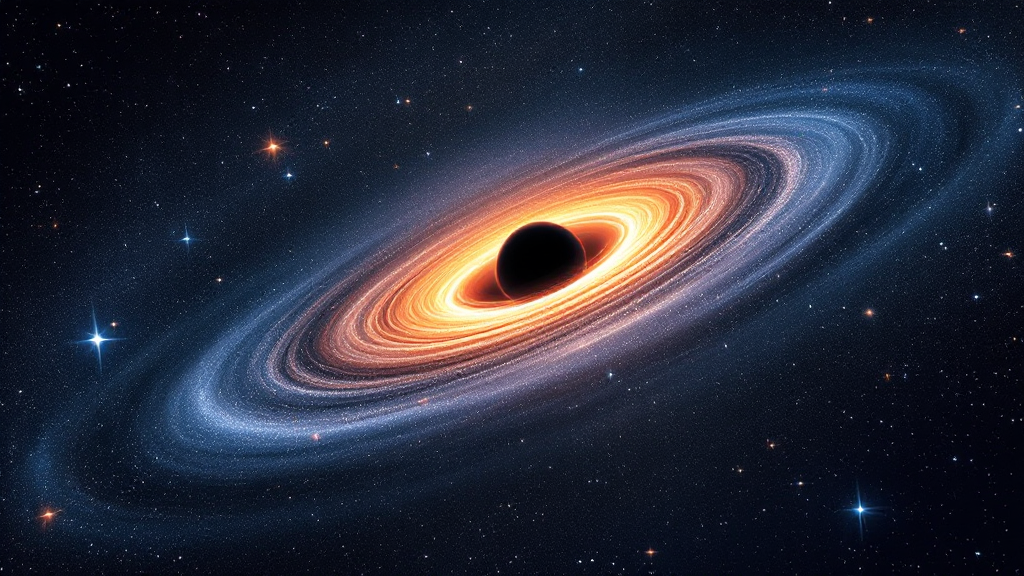
Astronomers have discovered a unique object, S301, moving along an elongated orbit around the supermassive black hole at the center of the Milky Way. Its distinctive features may help scientists measure the rotation of the black hole Sagittarius A* for the first time.
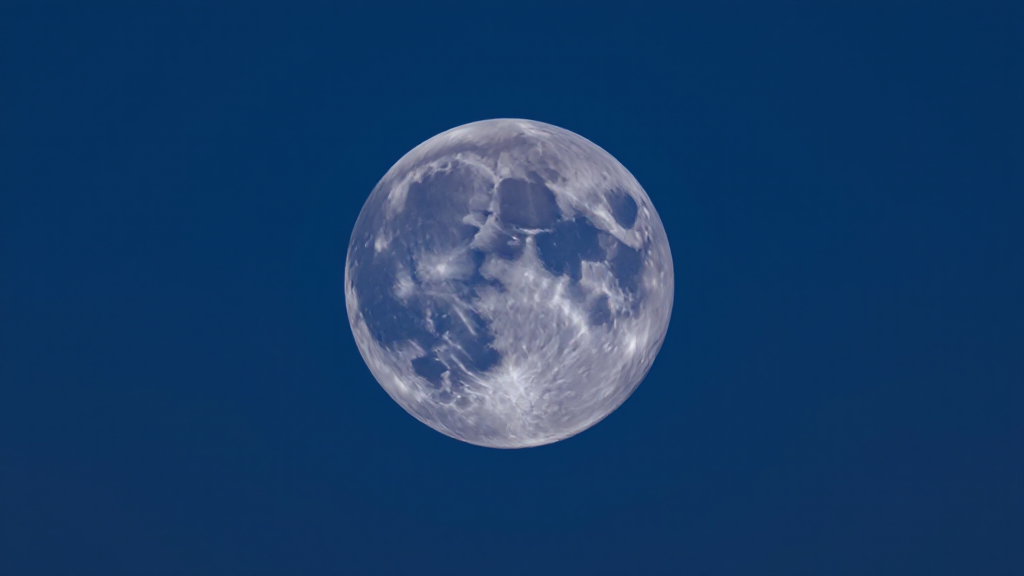
In August 2026, the upper stage of a Falcon 9 rocket will collide with the Moon, creating a crater and scattering debris. Astronomers plan to observe and document this event using telescopes and orbital spacecraft.
The U.S. Federal Communications Commission has updated its rules for the use of satellite spectrum to increase speeds, reduce costs, and improve the reliability of satellite internet. These changes take into account modern technologies and could boost the capacity of satellite networks by up to seven times.
The TESS space telescope has discovered the most compact known quadruple star system, where four stars are located within the radius of Jupiter’s orbit. This discovery offers new insights into the little-studied multiple star structures in the Universe.
The European Space Agency is developing an innovative OMLET laser system designed to alter the trajectories of space debris and enhance orbital safety. The project is currently in its early stages of implementation.
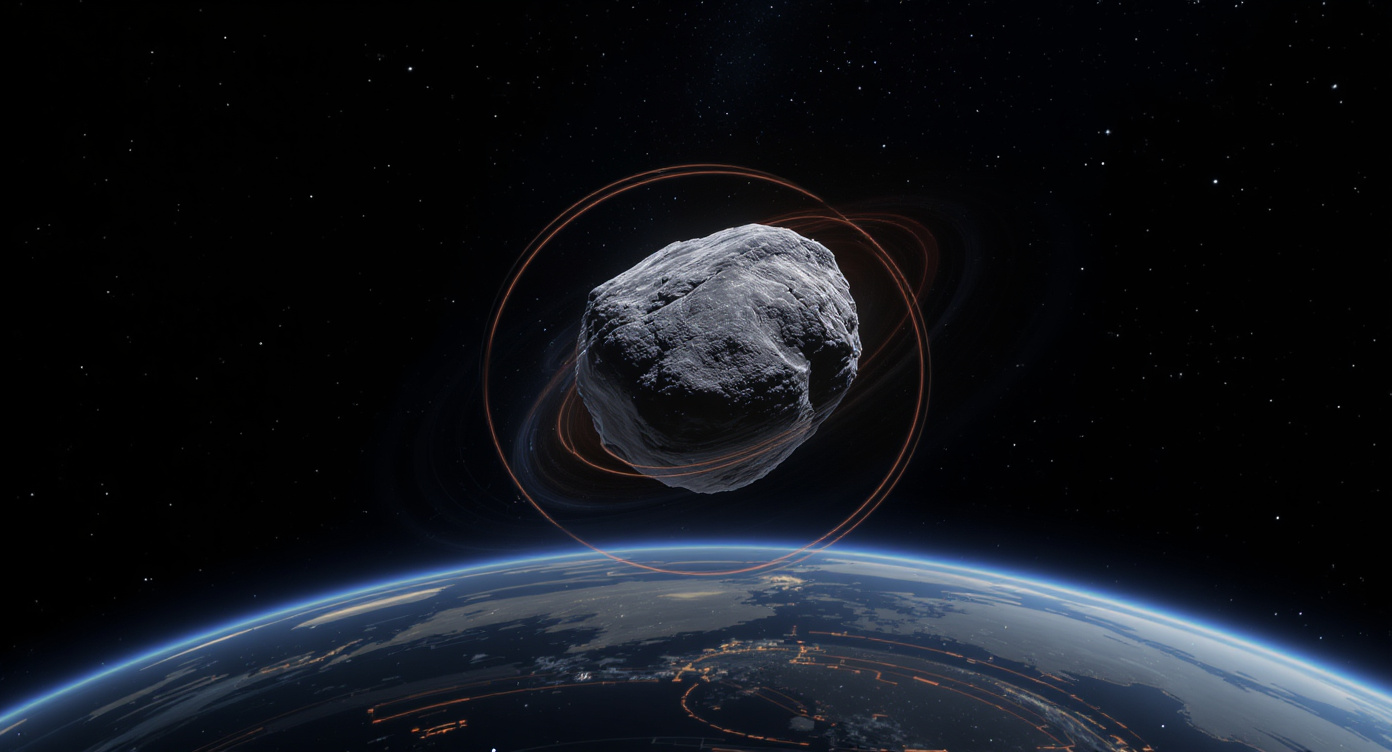
A new study has shown that, to effectively deflect dangerous asteroids, it is crucial to precisely choose the impact site. This helps prevent the asteroid from returning to a hazardous orbit and ensures the long-term protection of Earth.


 Ingenium