

SpaceX is preparing the first orbital launch of Starship V3
SpaceX is preparing a test launch of Starship, during which, for the first time, the upper stage is expected to be placed into a stable orbit and deploy new Starlink V3 satellites with record-breaking bandwidth. This mission will mark an important step toward creating a fully reusable orbital system.
Ingenium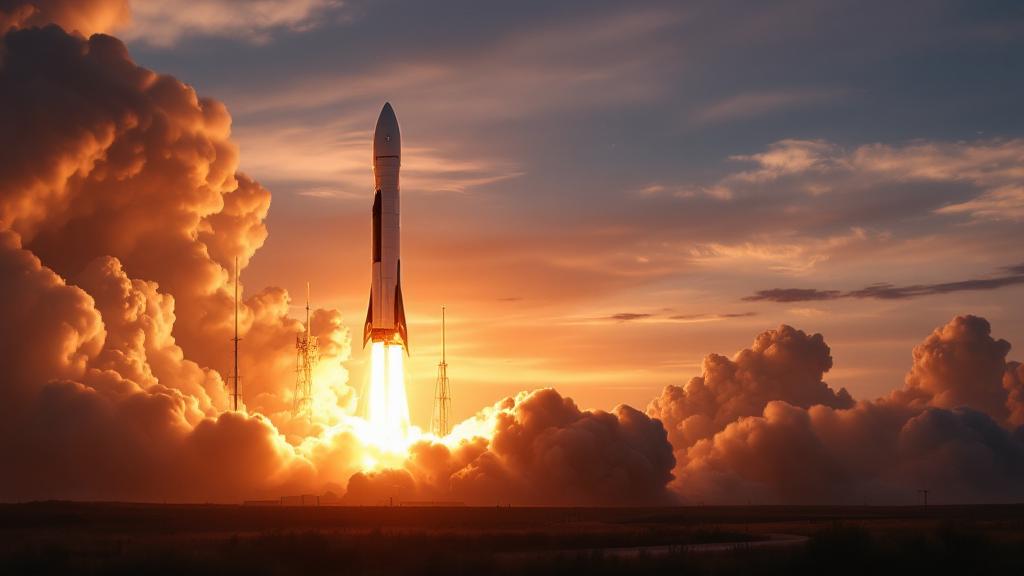
SpaceX plans to conduct the fourteenth test launch of the Starship rocket on September 22, 2026. During this mission, for the first time, the upper stage of the rocket is expected to be placed into a stable orbit around Earth, marking a key milestone in the development of a fully reusable orbital launch system.
Launch Details
The 75-minute launch window will open at 7:15 a.m. Central Time from the Starbase site in South Texas. The launch will proceed pending final approval from regulatory authorities.
The New Generation of Starlink Satellites
As part of the mission, the first operational batch of 26 next-generation Starlink V3 satellites is scheduled to be deployed into orbit. This will be the first time Starship will deliver a payload directly supporting the company’s commercial internet infrastructure. Starlink V3 satellites feature a significantly increased throughput—over 100 times greater than the capabilities of the V2 satellites previously launched with Falcon 9 rockets.
Technological Advancements
The increased size and power of the satellites have become possible thanks to Starship’s large cargo bay, allowing for the transport of larger and heavier equipment. Official specifications for Starlink V3 include advanced phased array antennas and high-performance space lasers, forming a laser network with a capacity of up to one petabit. This enables service for customers in both densely and sparsely populated regions worldwide, adapting data transmission density in real time.
Mission Features
Unlike previous tests, this time there are no plans to attempt recovery of the Super Heavy booster or the upper stage. Instead, the company has implemented a series of hardware and software changes to address previous issues with engine relight and will focus on evaluating the processes of launch, stage separation, orbital insertion, and splashdown.