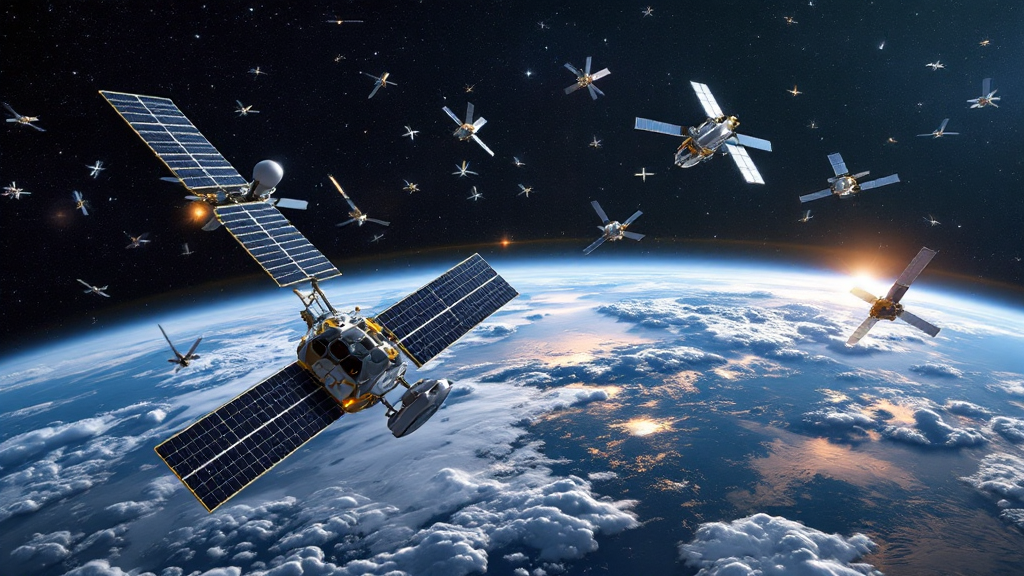
Starlink plans to introduce gigabit download speeds via its satellite network in 2026, initially available to owners of premium equipment. Broader expansion and accessibility are expected after the launch of V3 satellites.
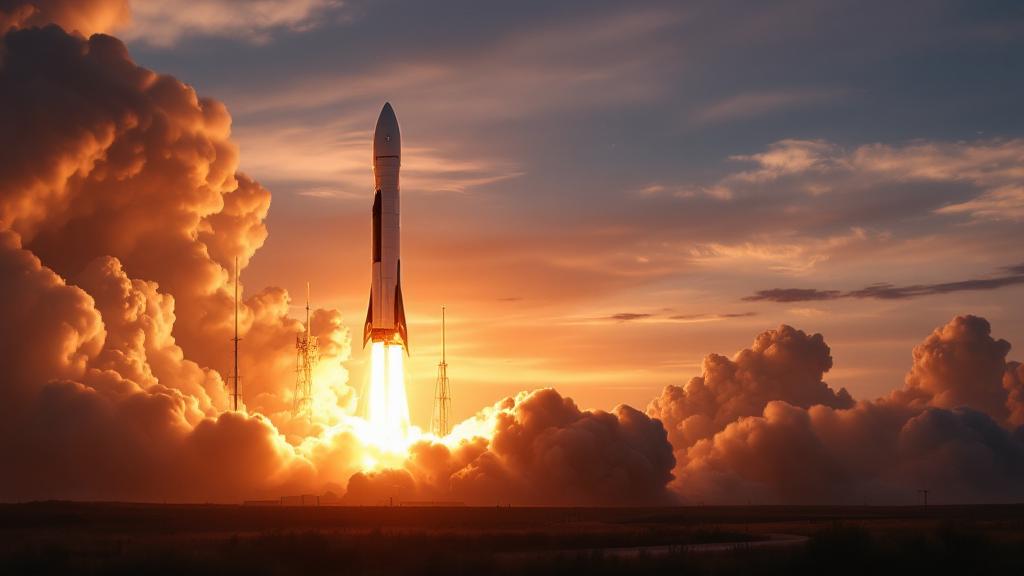
SpaceX is preparing a test launch of Starship, during which, for the first time, the upper stage is expected to be placed into a stable orbit and deploy new Starlink V3 satellites with record-breaking bandwidth. This mission will mark an important step toward creating a fully reusable orbital system.
SpaceX has requested permission to launch and operate up to 100,000 third-generation Starlink satellites, which would significantly increase the system's capacity but also raises concerns about orbital safety.
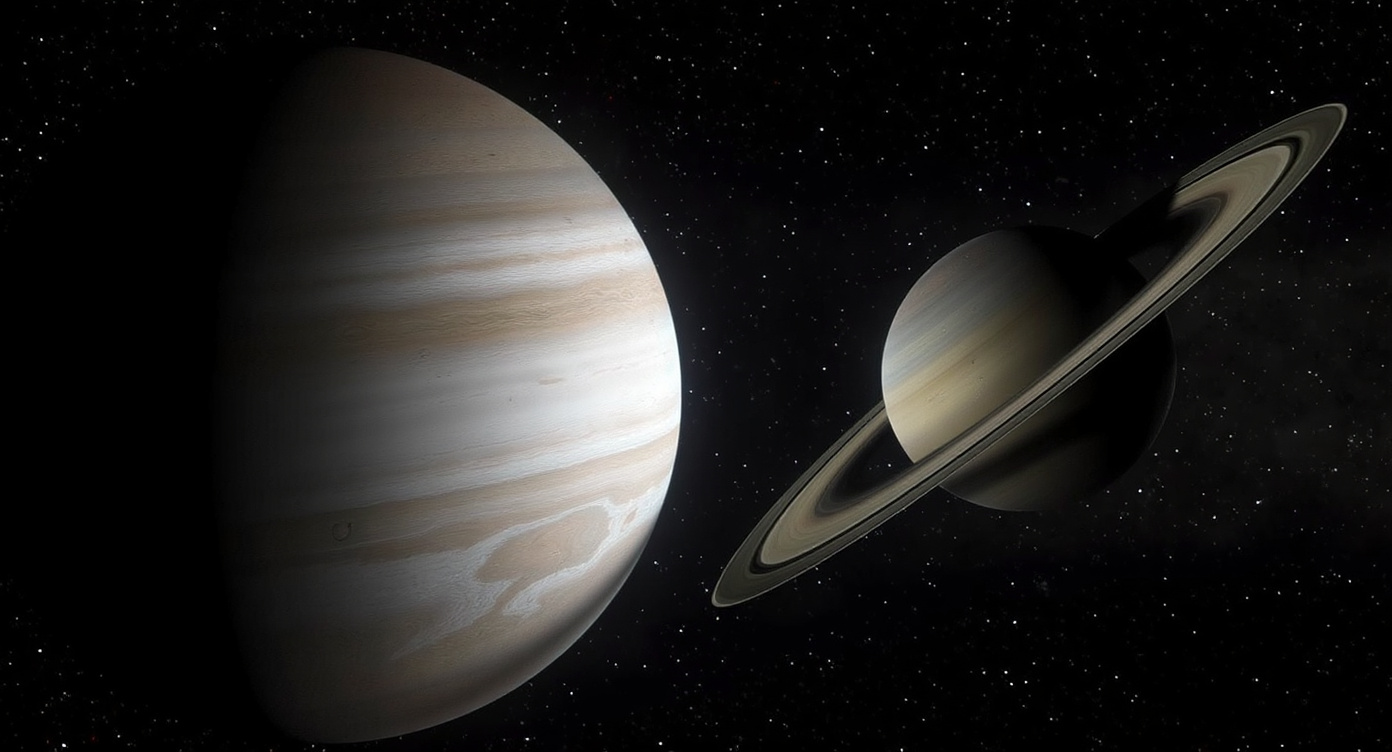
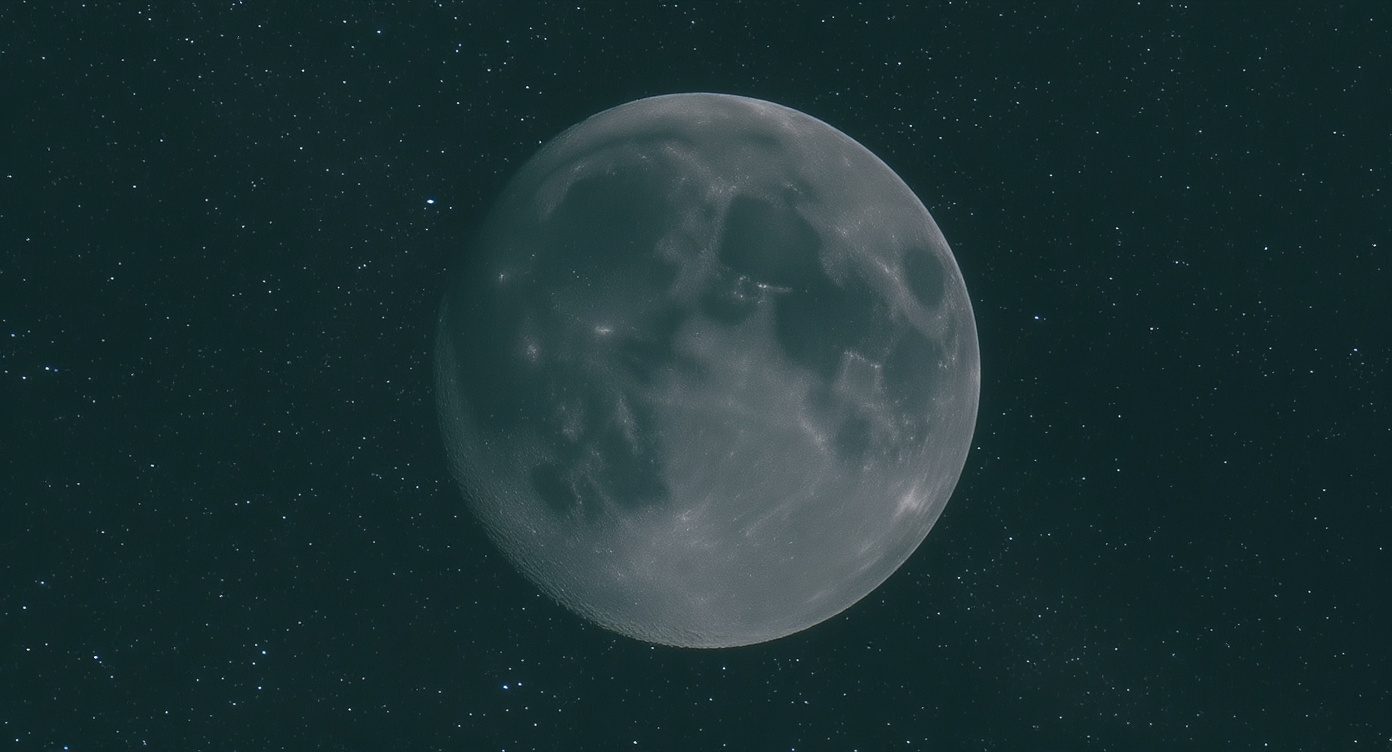
Astronomers have discovered new small moons orbiting Jupiter and Saturn using powerful telescopes. There are now 101 known moons around Jupiter and 285 around Saturn, and more discoveries are expected in the coming years.
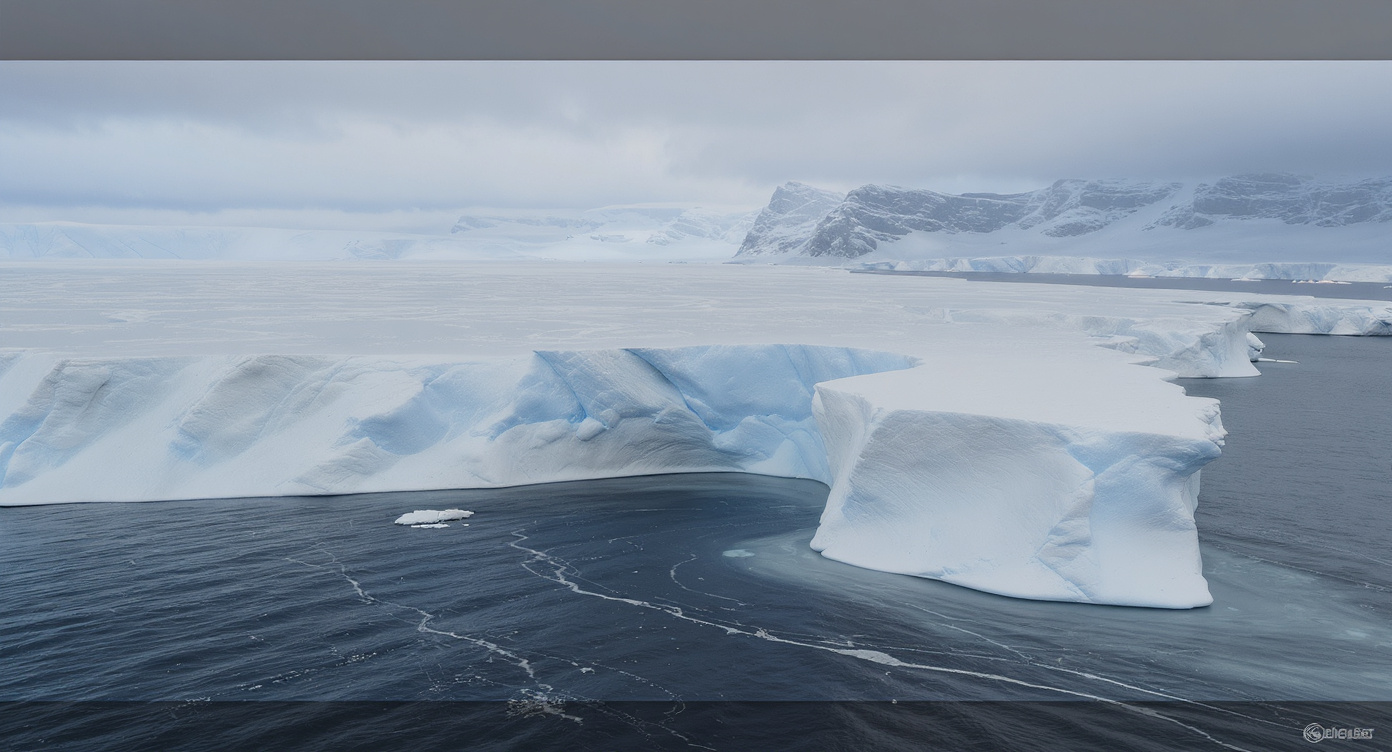
In recent decades, certain sections of the Antarctic ice sheet have retreated by more than 40 kilometers due to the warming of ocean waters. These changes could accelerate ice loss and impact global sea levels.
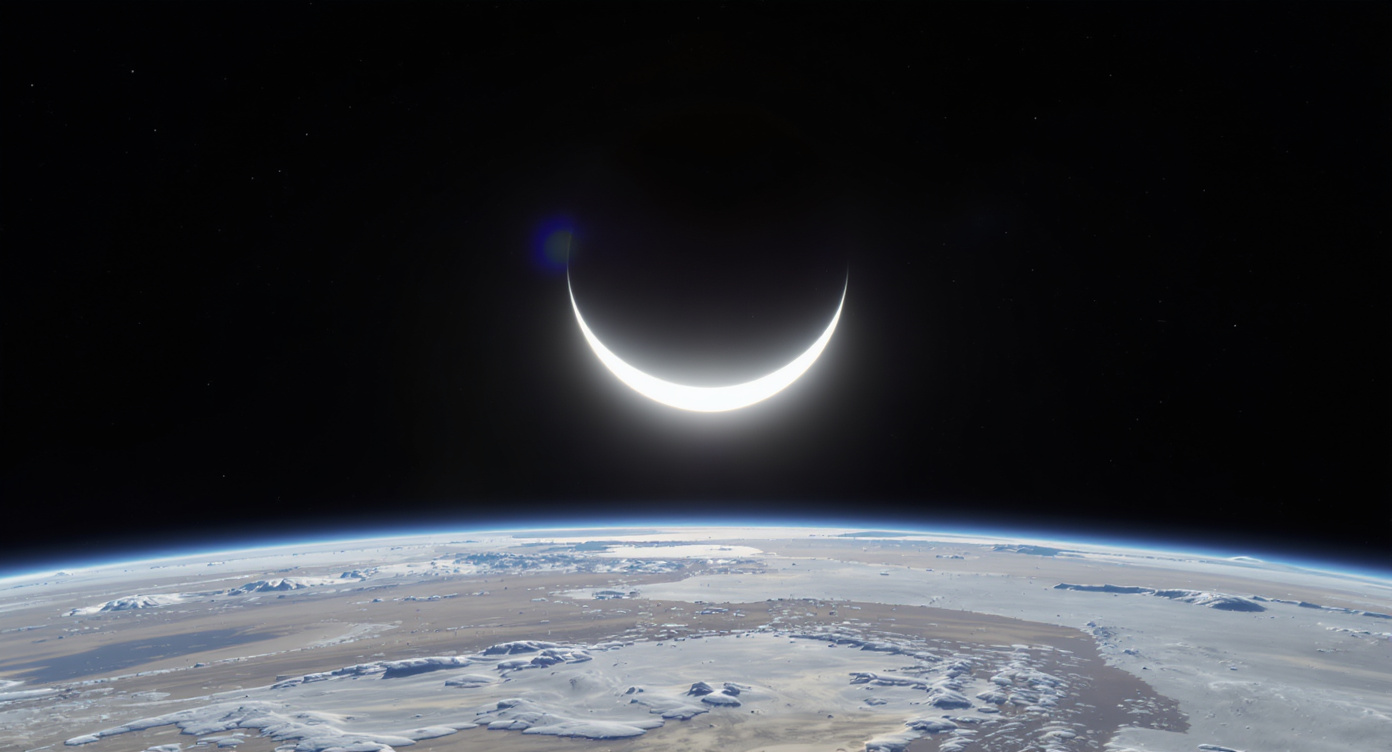
In February 2026, a solar eclipse over Antarctica was captured only by satellites, as the phenomenon was visible solely in a remote area. Later that year, more solar and lunar eclipses are expected, which will be observable by people living on different continents.
The European Space Agency is developing an innovative OMLET laser system designed to alter the trajectories of space debris and enhance orbital safety. The project is currently in its early stages of implementation.
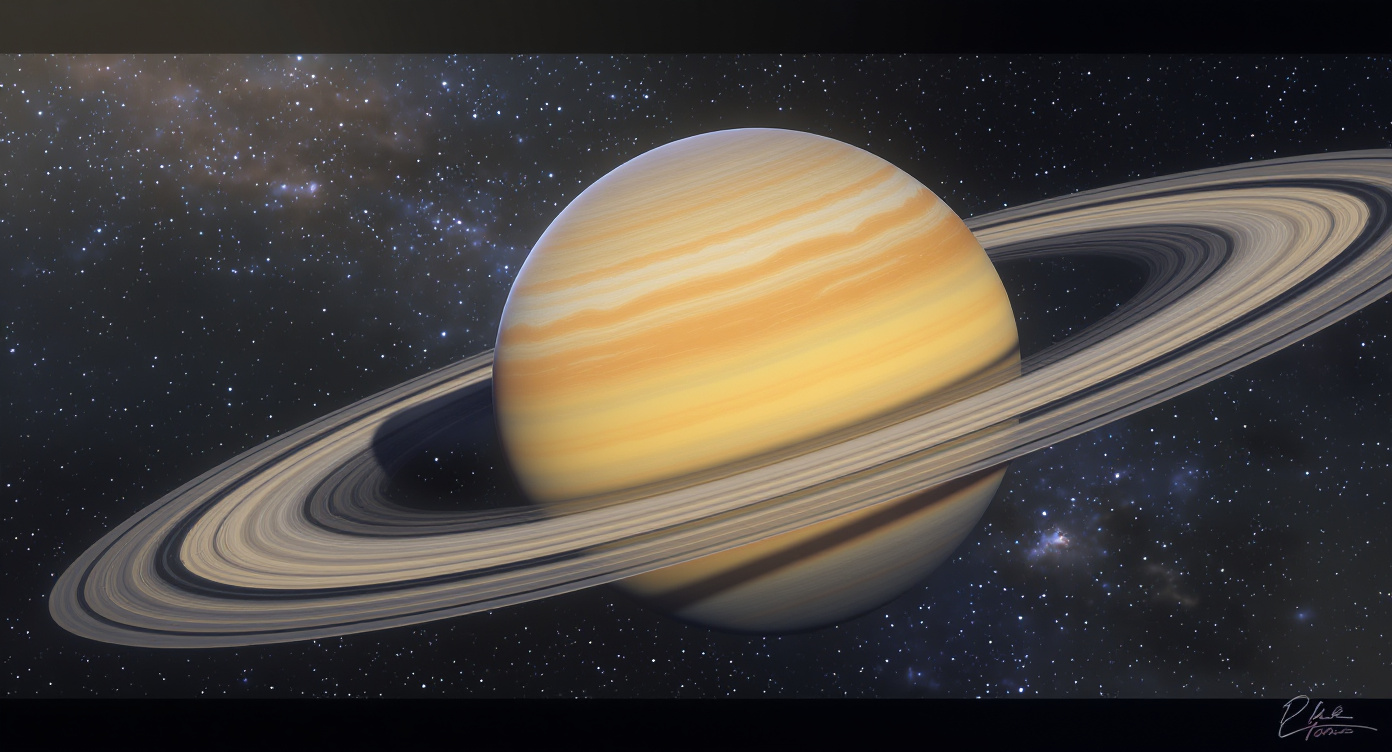
A new study suggests that Titan and Saturn’s famous rings may have formed as a result of a collision between ancient moons several hundred million years ago. The upcoming Dragonfly mission is expected to help confirm these hypotheses.
Leading technology companies are considering placing data centers in orbit as an alternative to land-based facilities. The project is attracting investment, but faces technical and environmental challenges.
Studies have shown that moons ejected from their planetary systems by rogue planets can maintain life-friendly conditions for billions of years thanks to tidal heating. This expands our understanding of where life might exist in the Universe.
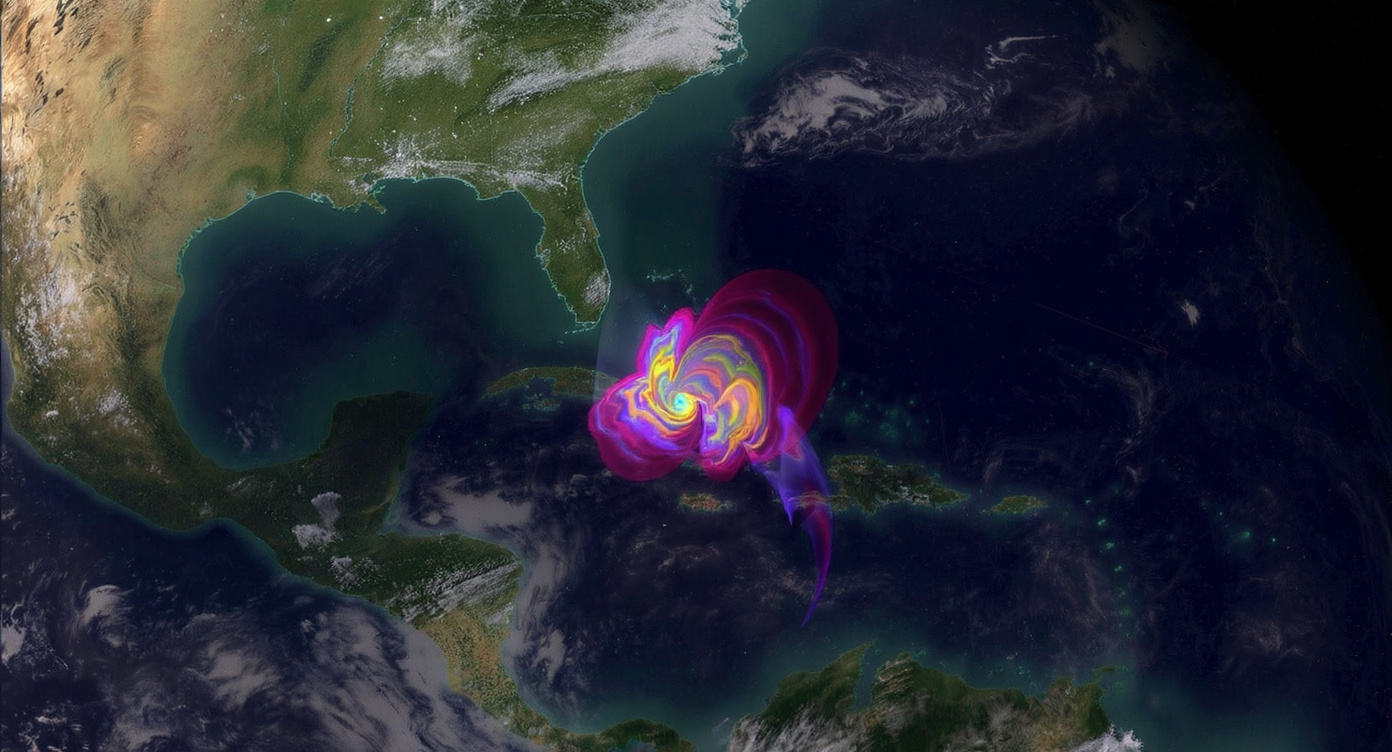
The South Atlantic Anomaly in Earth's magnetic field continues to expand and become more complex, increasing risks for satellites and requiring constant monitoring to better understand the processes occurring deep within the planet.
Astronomers have discovered an object in the CT Cha system whose mass is 14 to 24 times greater than that of Jupiter, surrounded by a disk of gas and dust—a rare opportunity to observe the birth of moons around a young planet. The chemical composition of this disk is noticeably different from the material surrounding the star, raising new questions for scientists about how moons and planets form.


 Signum