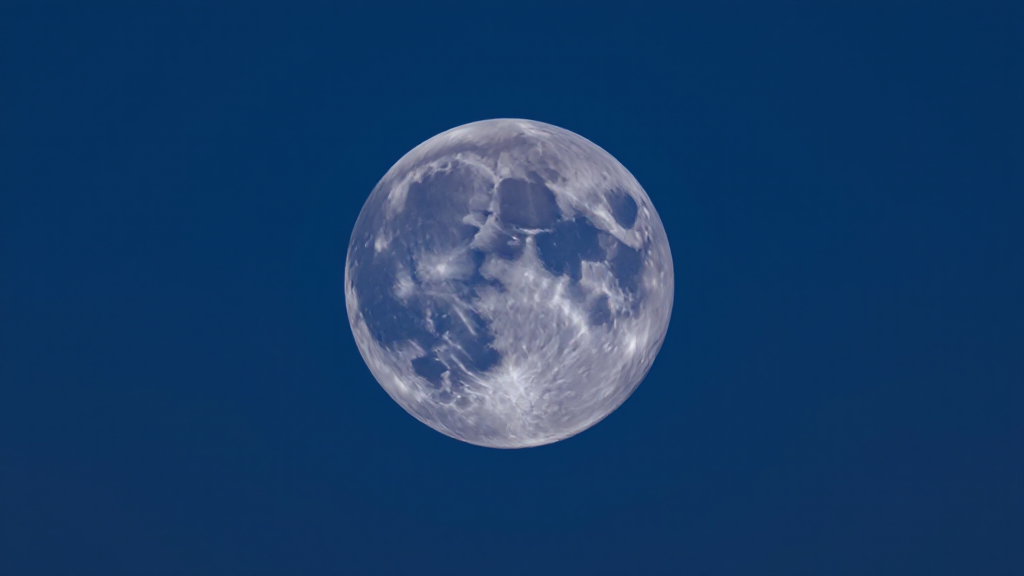
In August 2026, the upper stage of a Falcon 9 rocket will collide with the Moon, creating a crater and scattering debris. Astronomers plan to observe and document this event using telescopes and orbital spacecraft.
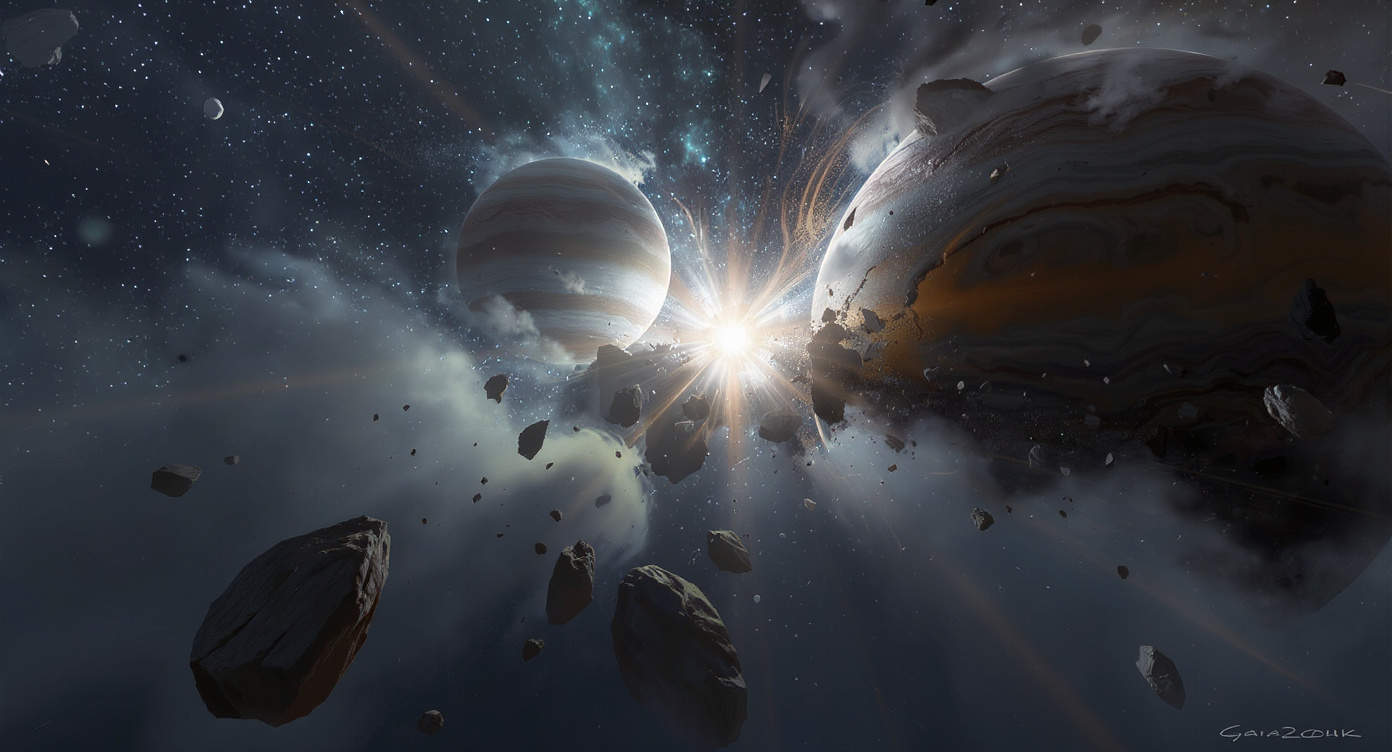
Astronomers have recorded a collision between two exoplanets in a system located 11,000 light-years from Earth. This discovery provides deeper insight into the processes of formation and evolution of planetary systems in the universe.
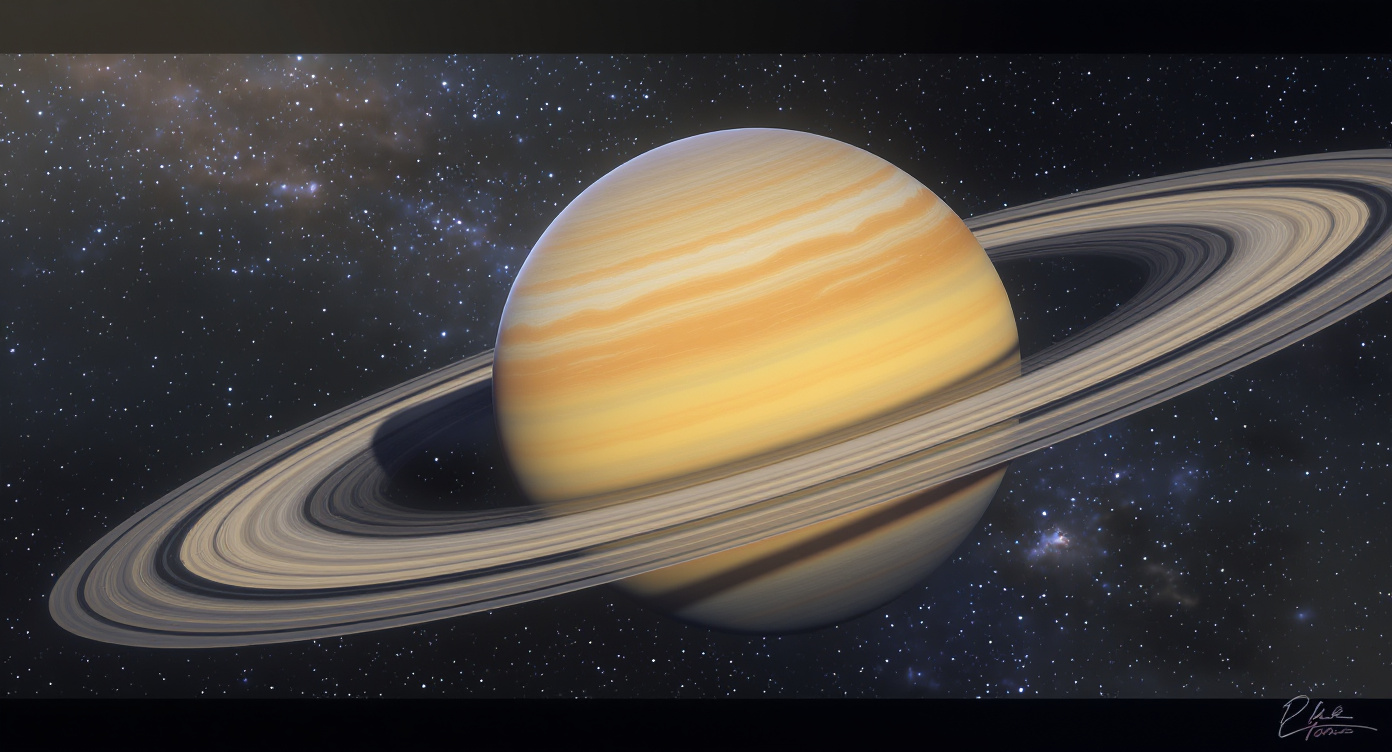
A new study suggests that Titan and Saturn’s famous rings may have formed as a result of a collision between ancient moons several hundred million years ago. The upcoming Dragonfly mission is expected to help confirm these hypotheses.
Scientists have proposed a new hypothesis about the origin of Mercury: it may have formed after a collision between two similarly sized protoplanets. This model explains Mercury's unusual structure, but leaves open questions about the composition of its surface.
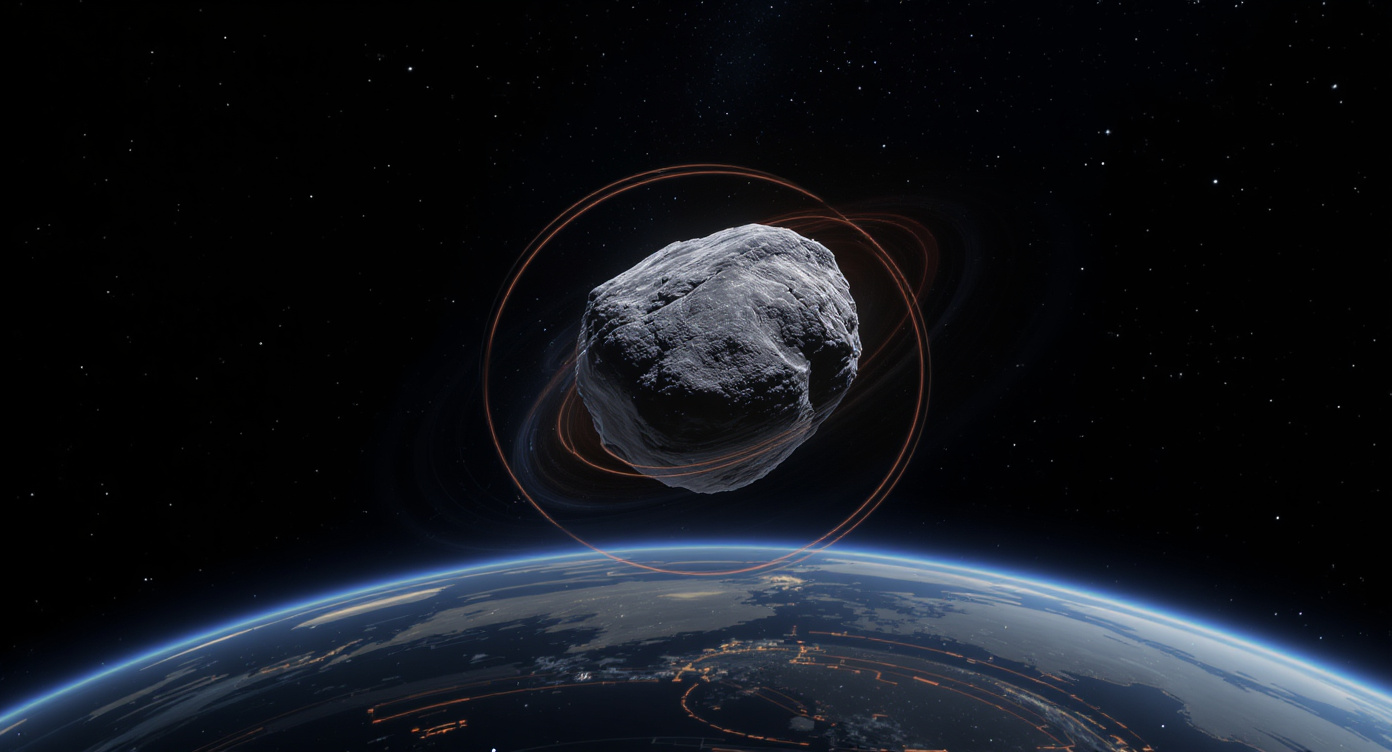
A new study has shown that, to effectively deflect dangerous asteroids, it is crucial to precisely choose the impact site. This helps prevent the asteroid from returning to a hazardous orbit and ensures the long-term protection of Earth.

 Cursus