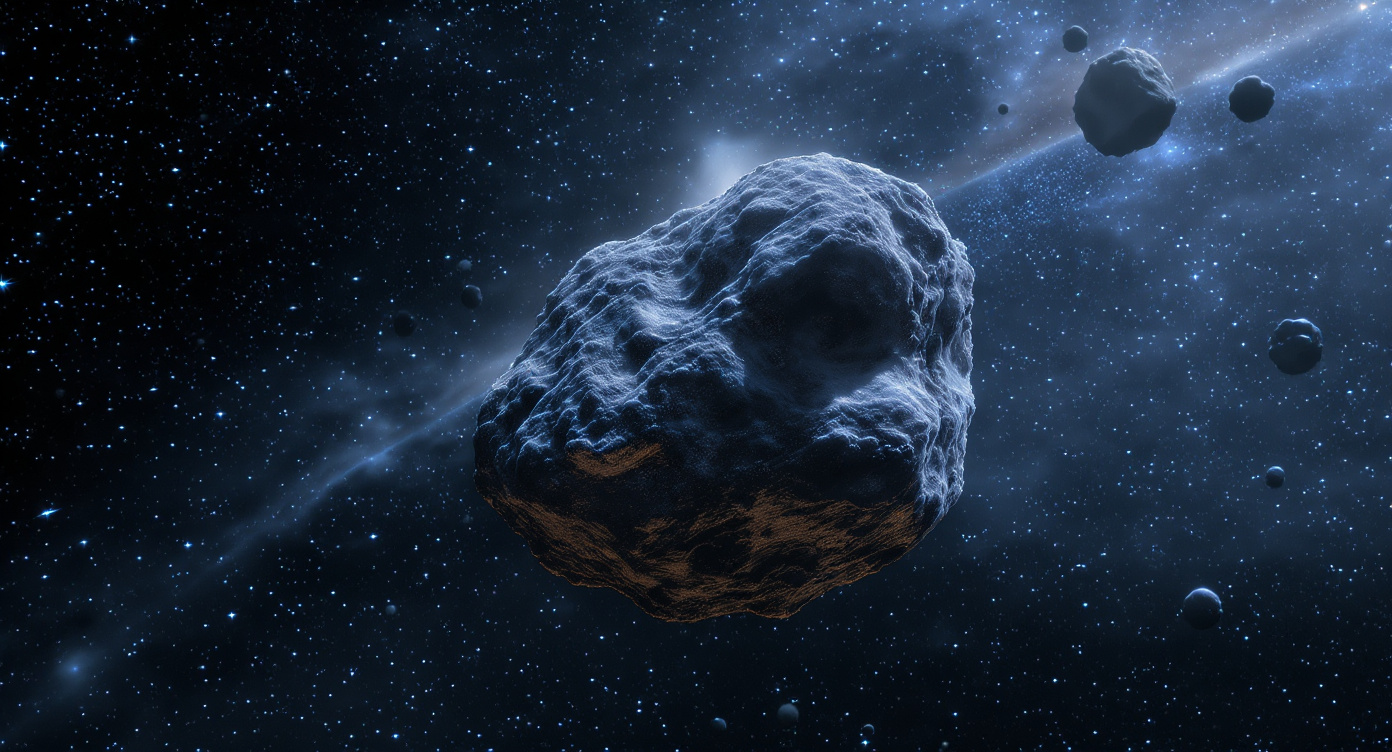
Astronomers have, for the first time, determined that asteroid 44 Nysa is composed of three distinct parts, making it unique among known asteroids. The origin of such a structure remains a mystery.
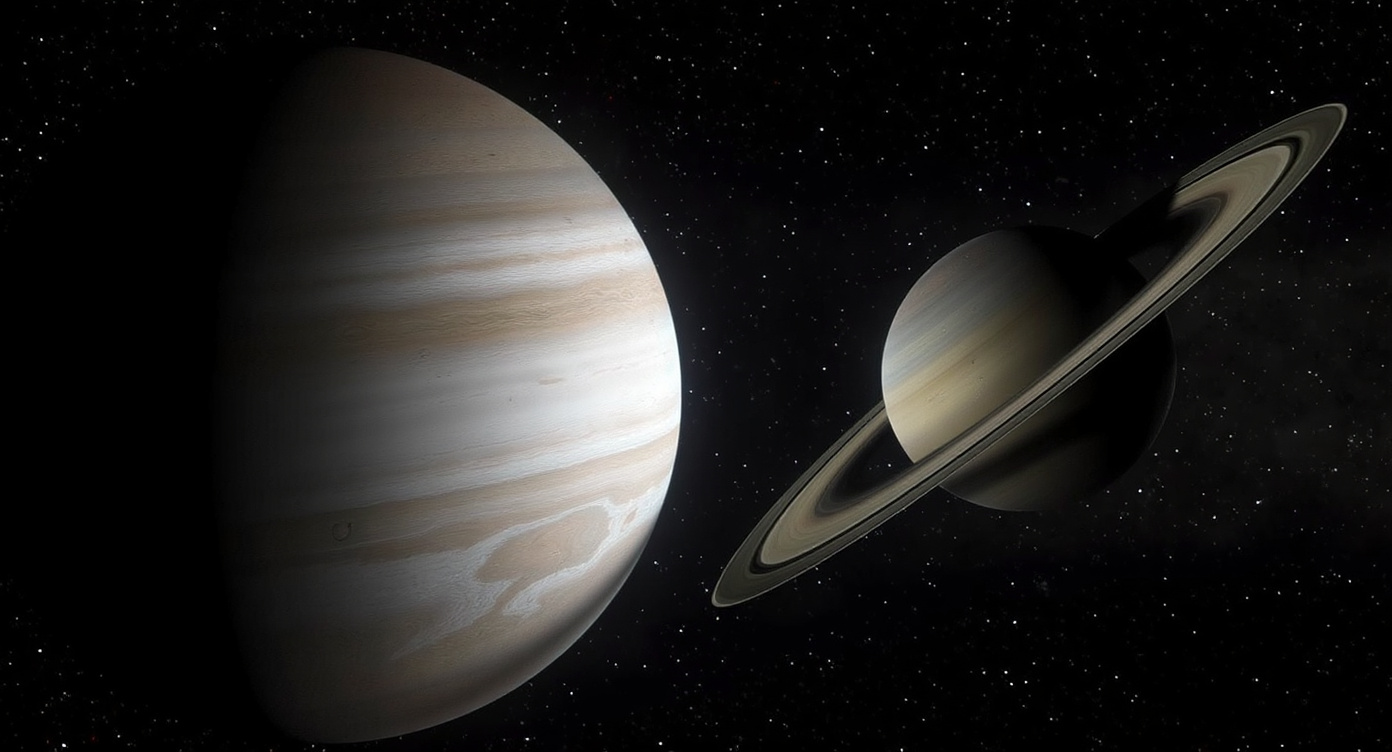
Astronomers have discovered new small moons orbiting Jupiter and Saturn using powerful telescopes. There are now 101 known moons around Jupiter and 285 around Saturn, and more discoveries are expected in the coming years.
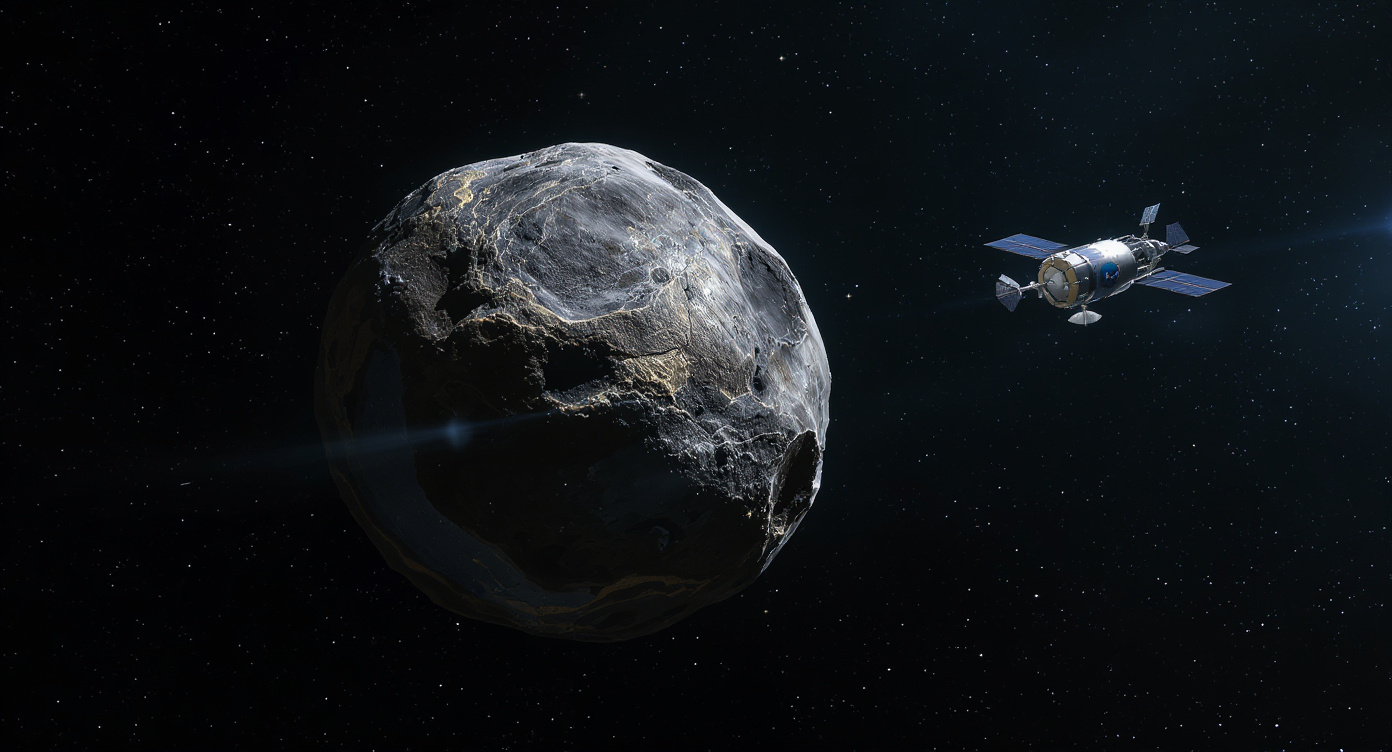
The asteroid Psyche, the largest metallic object in the belt between Mars and Jupiter, may be a fragment of a planetary core. A NASA mission launched in 2023 will help uncover its origin and structural features.
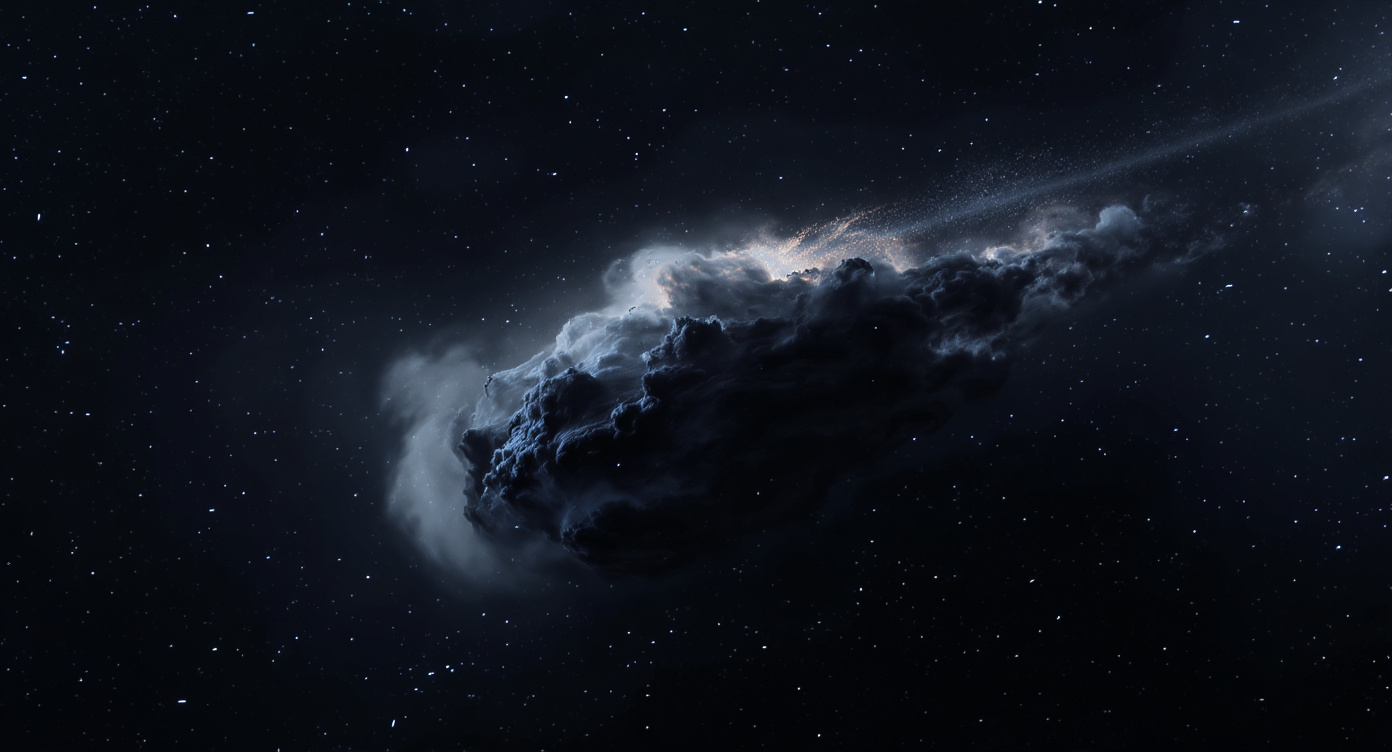
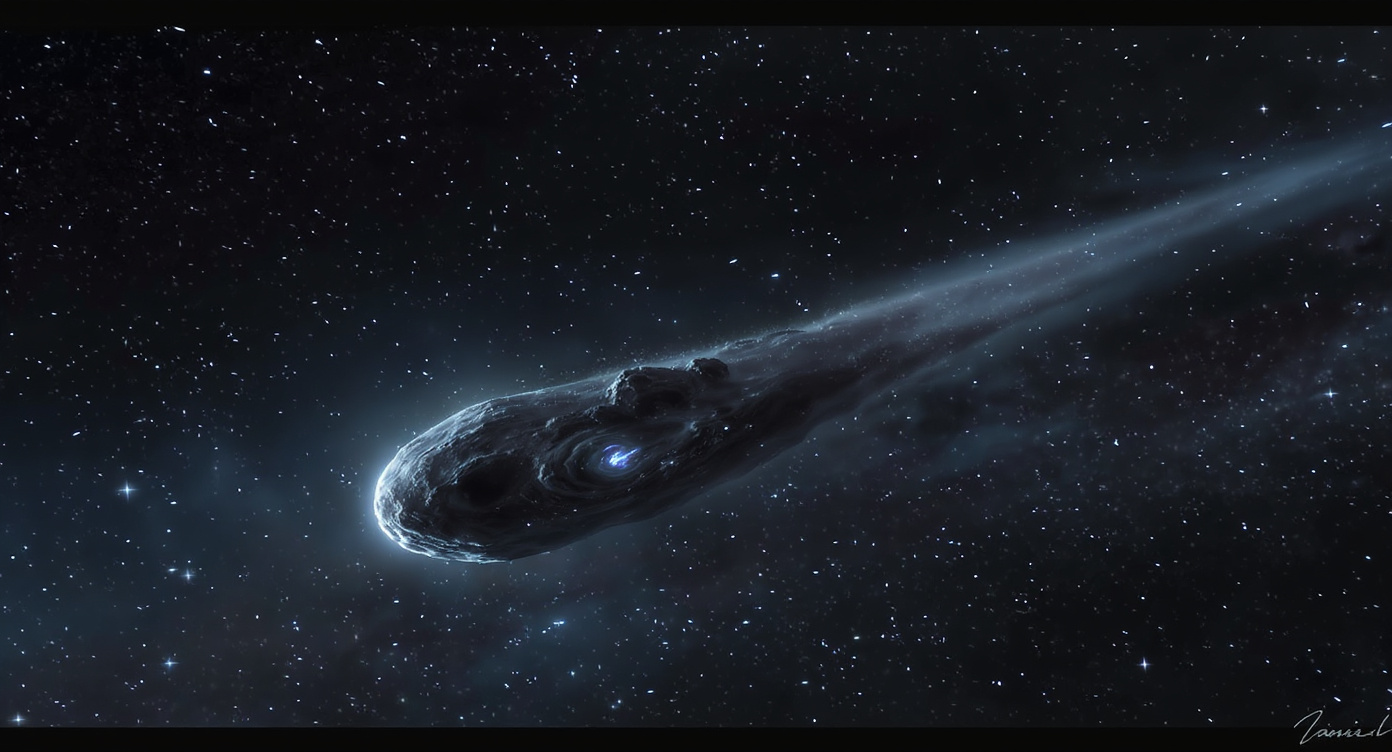
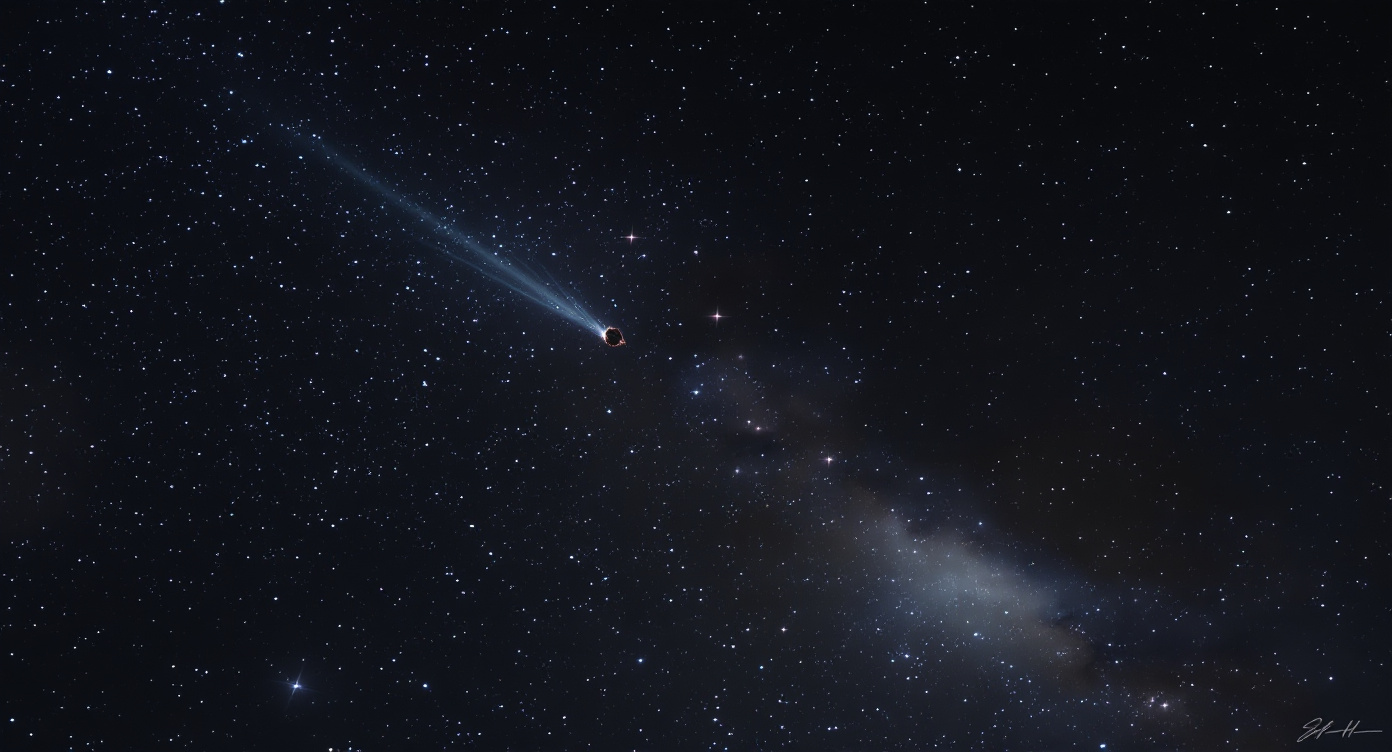
Recent studies have shown that the interstellar comet 3I/ATLAS contains an unusually high amount of methanol compared to other comets. This suggests that it formed under conditions different from those in our Solar System and helps us better understand the chemistry of other planetary systems.
The interstellar comet 3I/ATLAS has been recognized as one of the oldest ever observed by astronomers—its age is estimated at 10 to 12 billion years. Analysis of data from the James Webb Telescope suggests that the comet originated in the cold and distant regions of the early Milky Way.
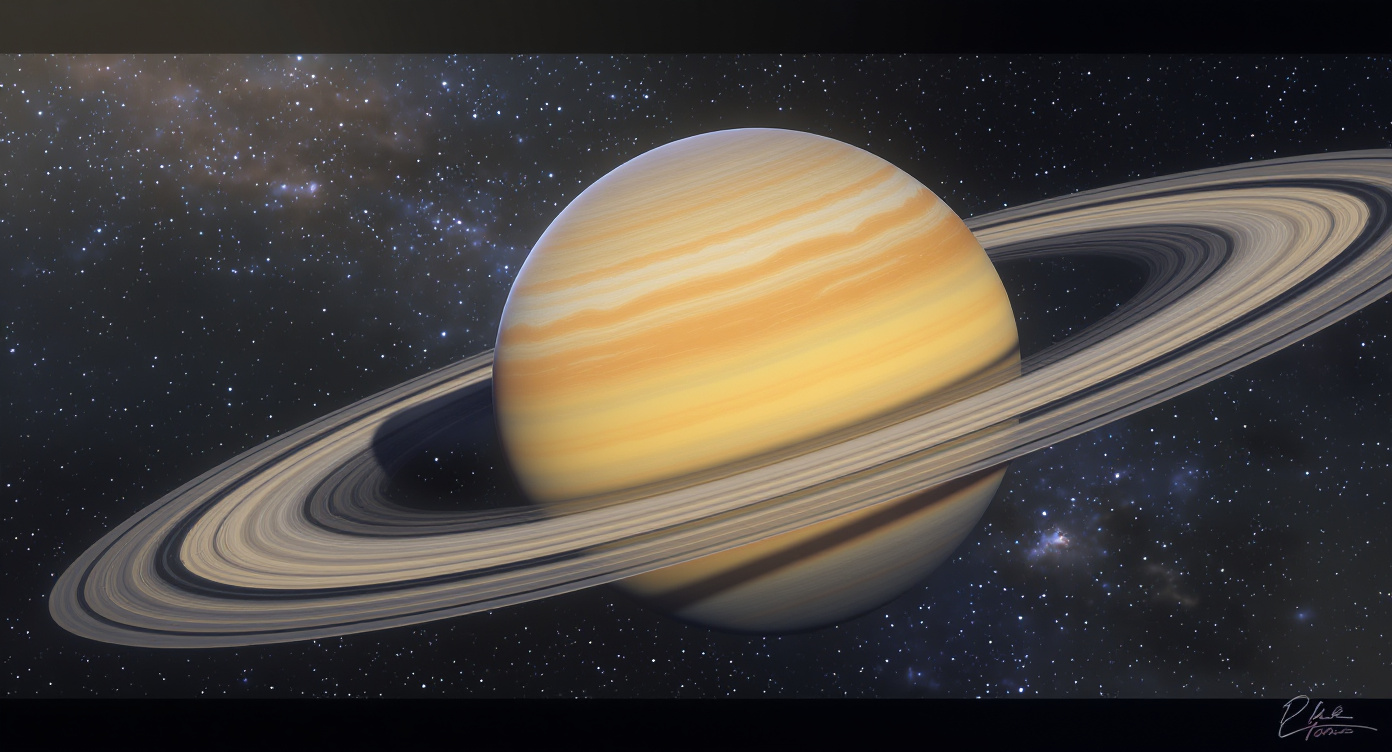
A new study suggests that Titan and Saturn’s famous rings may have formed as a result of a collision between ancient moons several hundred million years ago. The upcoming Dragonfly mission is expected to help confirm these hypotheses.
The ATLAS comet, which broke apart in 2020, left behind fragments that astronomers are still trying to locate. The fate of these remnants remains unknown, raising new questions about similar objects in our Solar System.
An analysis of soil from the asteroid Bennu has shown that amino acids can form in extremely cold conditions, not just in hot interiors. This discovery broadens our understanding of the possible pathways for the emergence of life in the universe.
Most interstellar objects that reach Earth come from the direction of the constellation Hercules and most often fall near the equator during winter. Scientists continue to study their origins and the unique characteristics of their trajectories.
A new study has revealed that Jupiter played a crucial role in the formation of planets and meteorites, protecting the inner planets from destruction and contributing to the emergence of a second generation of meteorites.
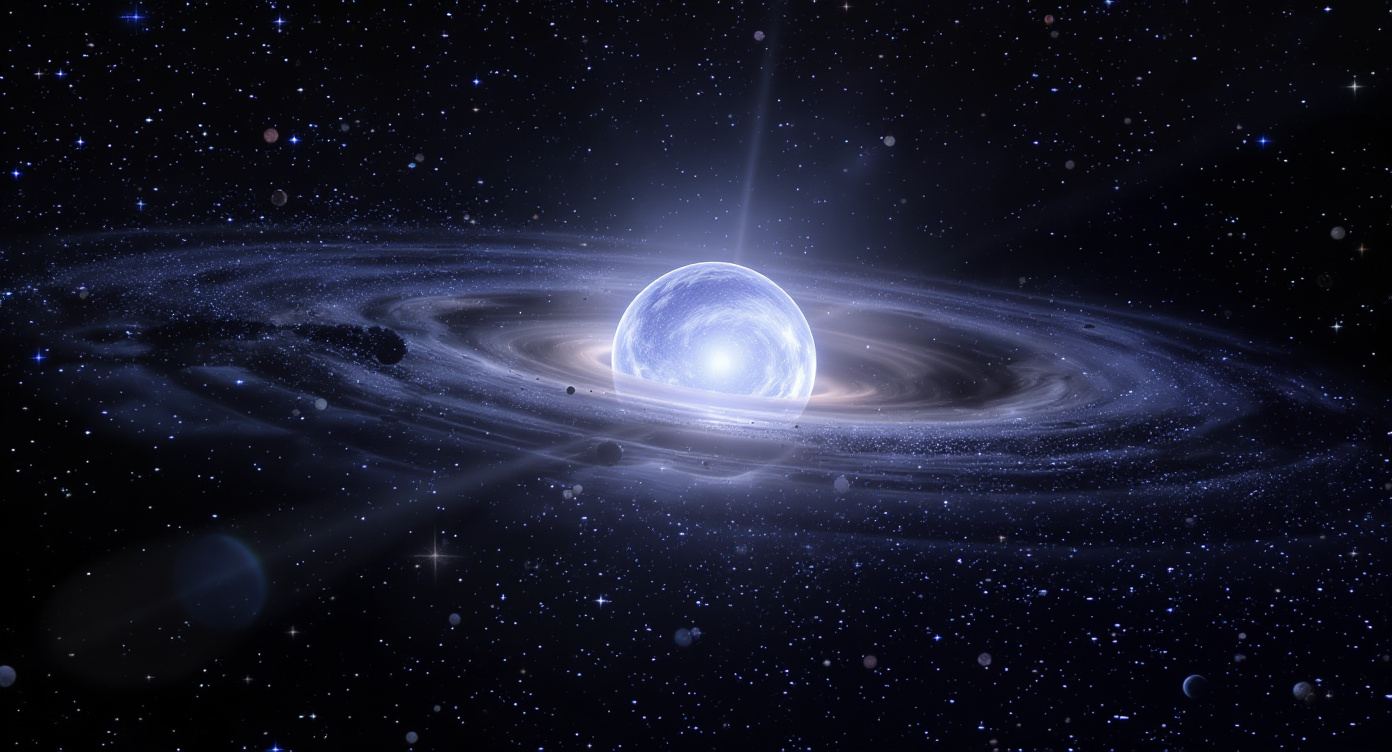
Astronomers are observing the GD 362 system, where, after the death of a star, a disk of debris from destroyed planets has formed around a white dwarf. This is a vivid example of what could one day happen to our own Solar System.
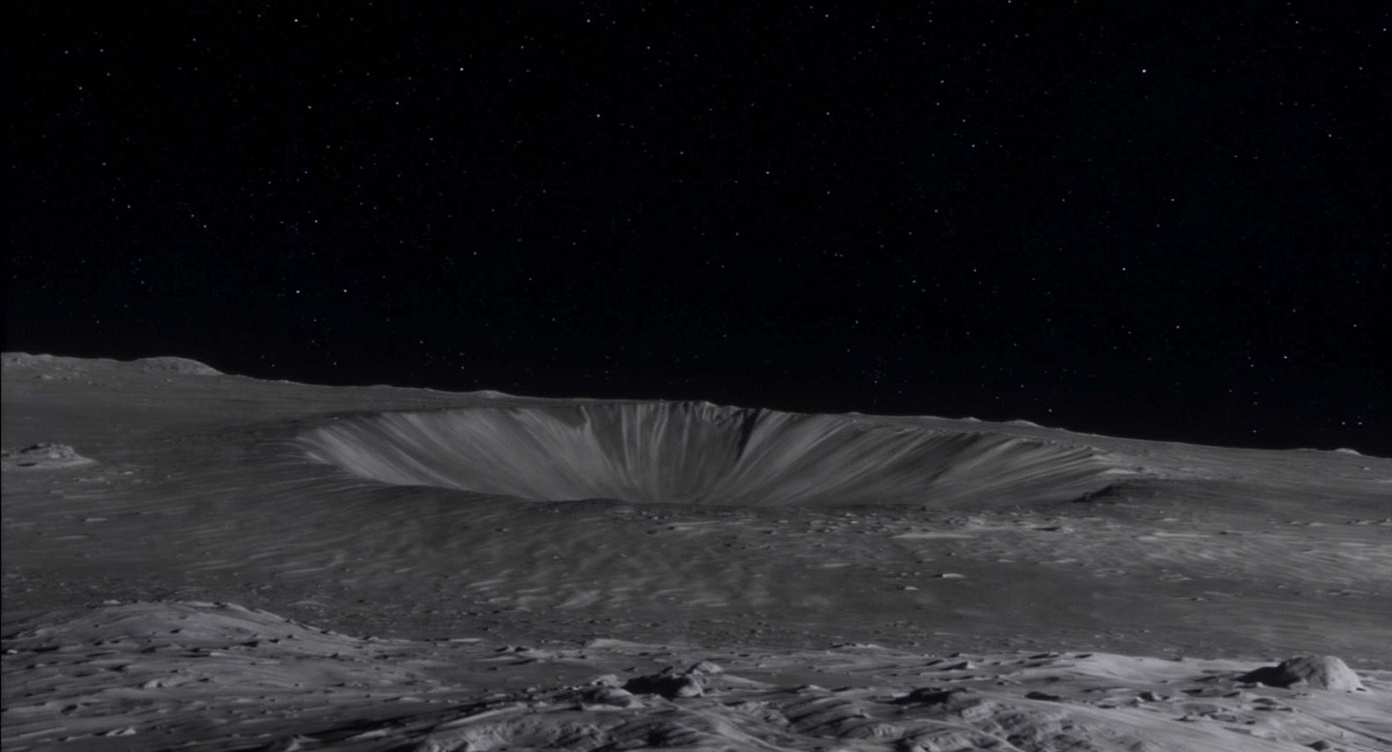
A new study of a lunar rock has revealed that the Mare Serenitatis crater on the Moon is older than previously thought—about 4.25 billion years old. This discovery could change our understanding of the early history of the Moon and other planets in the Solar System.
Scientists have proposed a new hypothesis about the origin of Mercury: it may have formed after a collision between two similarly sized protoplanets. This model explains Mercury's unusual structure, but leaves open questions about the composition of its surface.
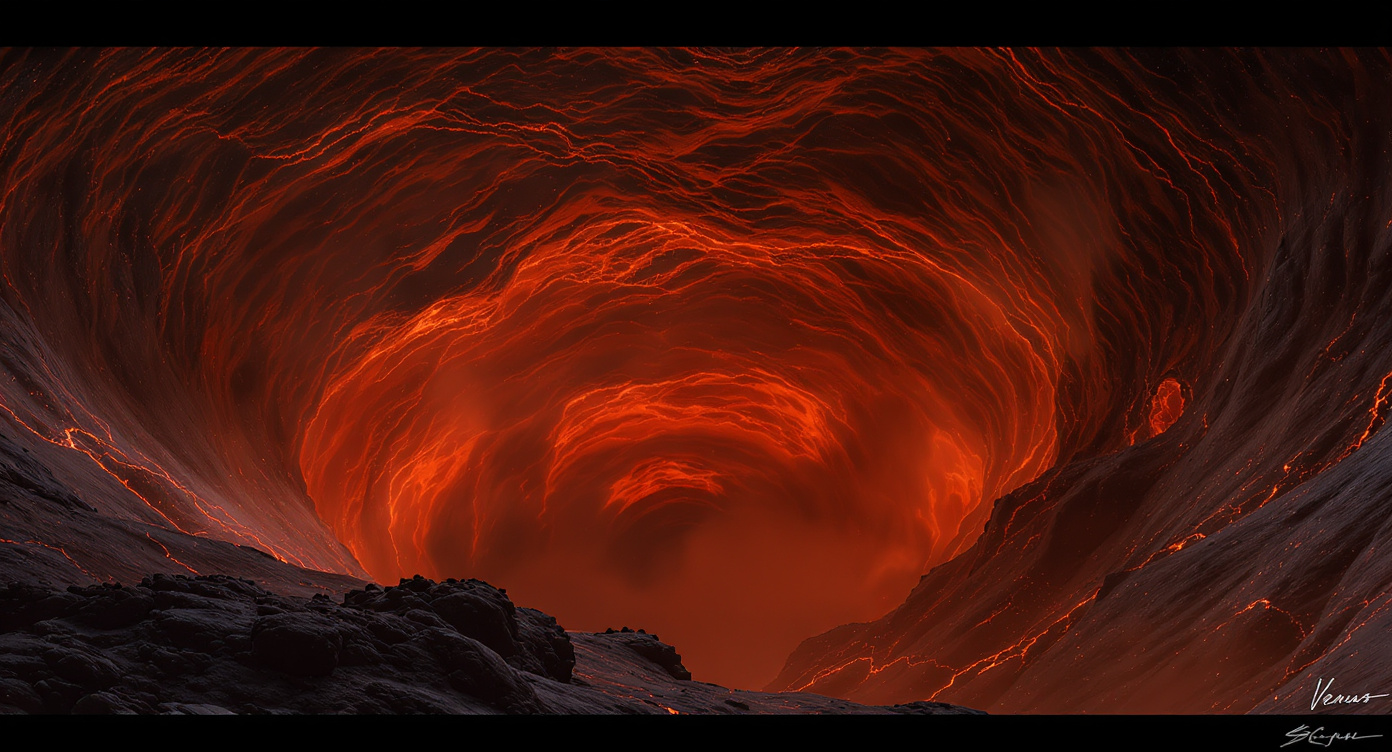
An international team of scientists has, for the first time, confirmed the existence of massive lava tunnels beneath the surface of Venus, comparable in size to those found on the Moon. This discovery reshapes our understanding of the planet's geology and is significant for future research.
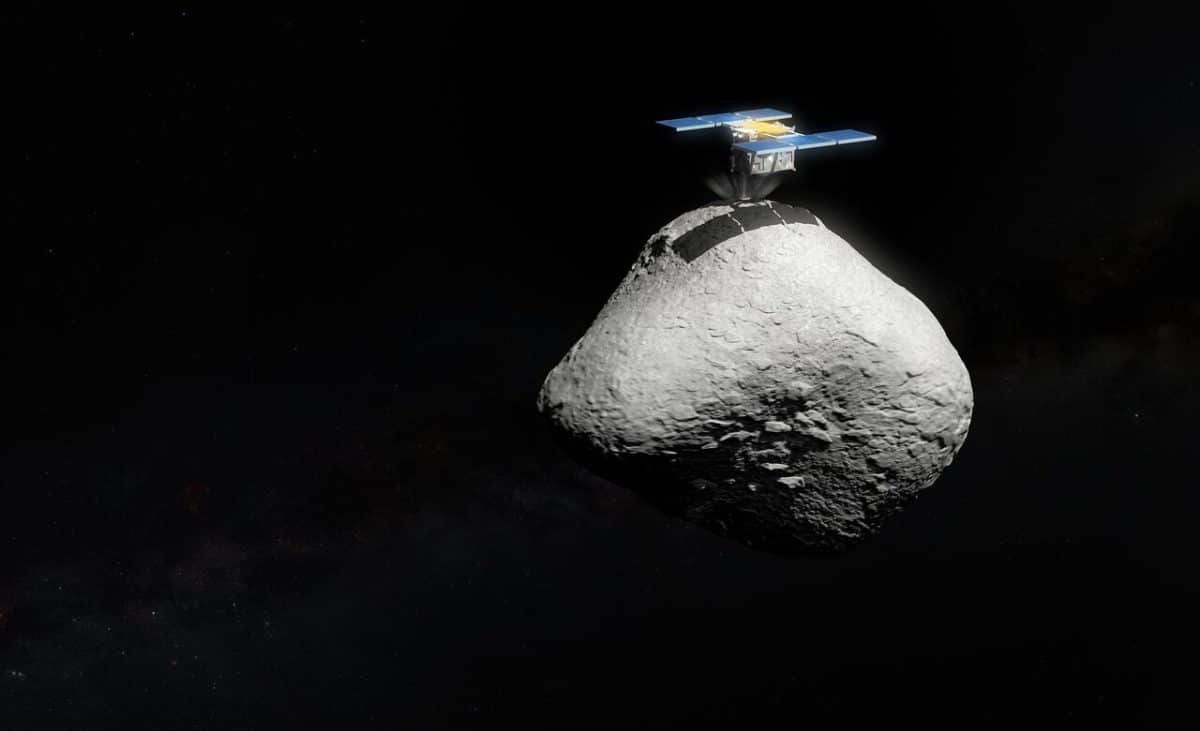
New observations have revealed that asteroid 1998 KY26, the target of the Hayabusa2 mission, is three times smaller and rotates twice as fast as previously thought. This discovery complicates the mission and requires a revision of the scientific plans.

 Cursus