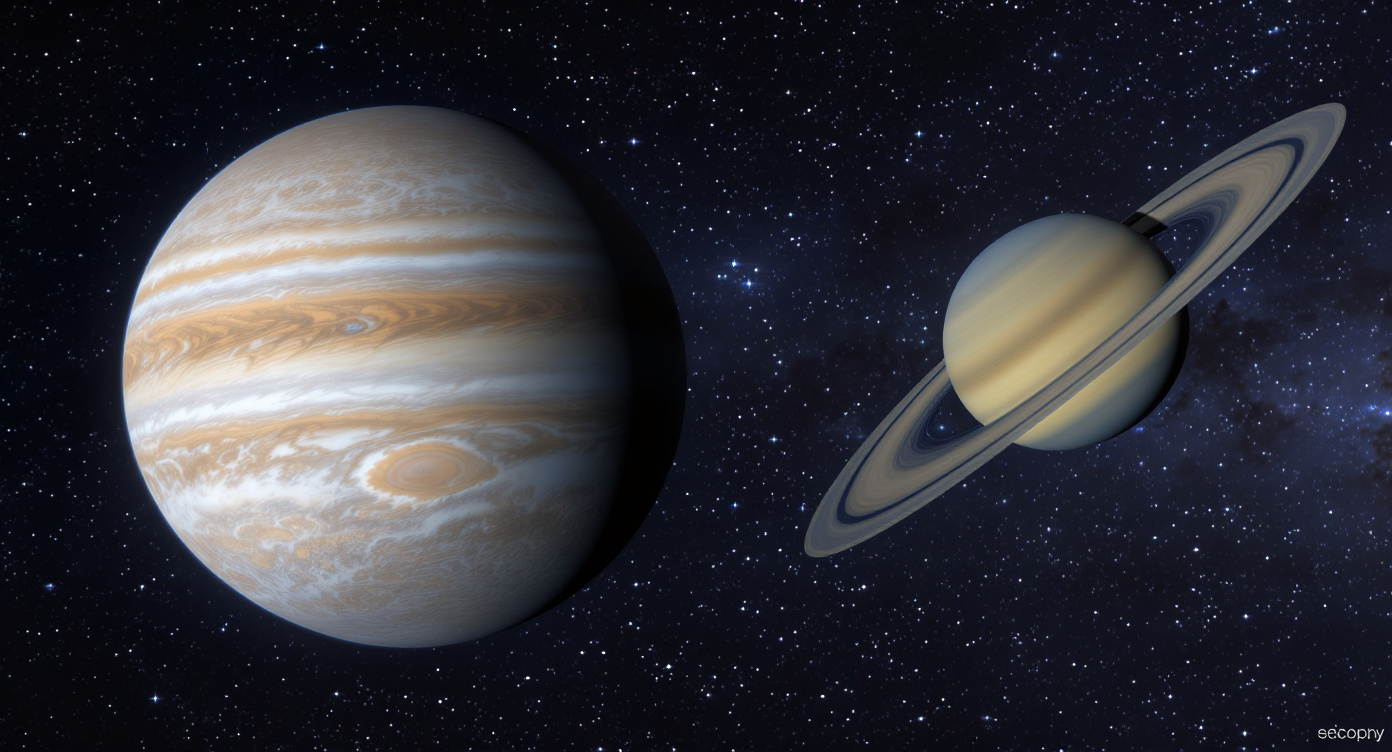
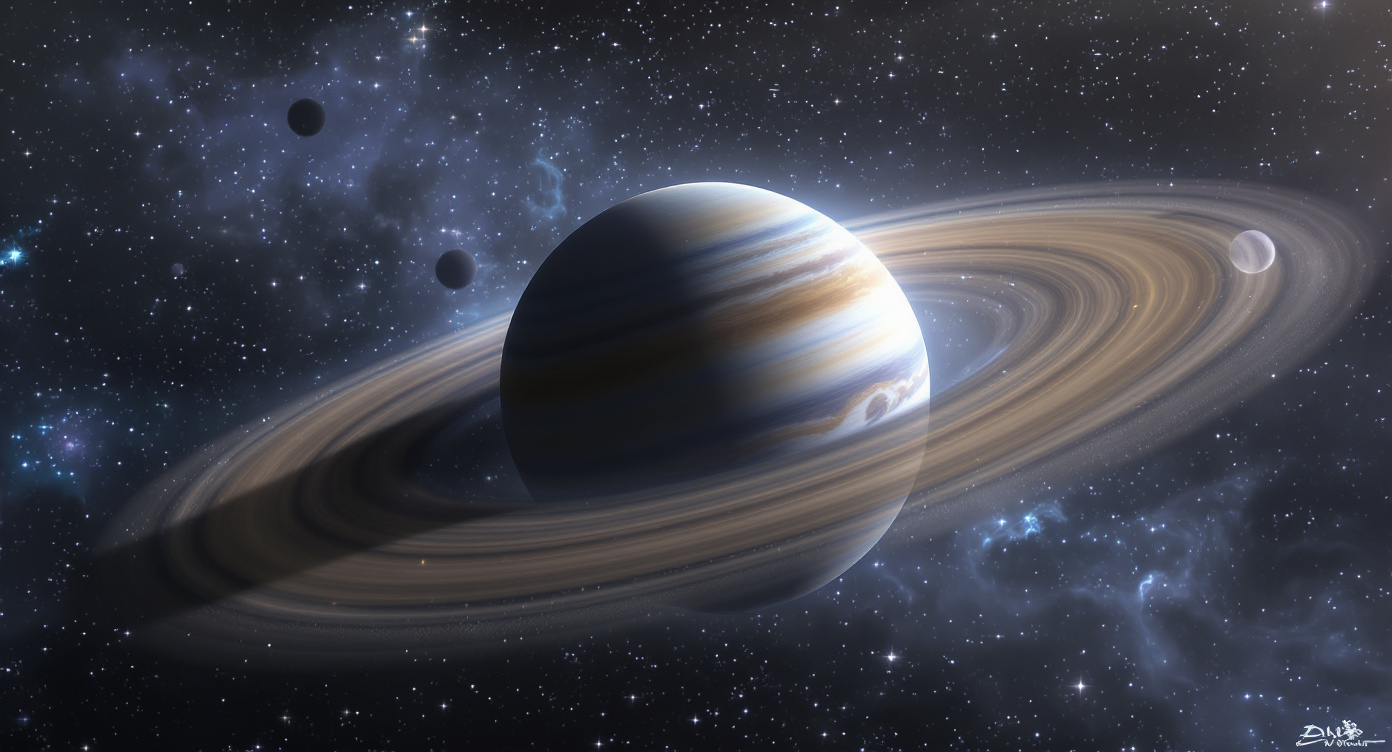
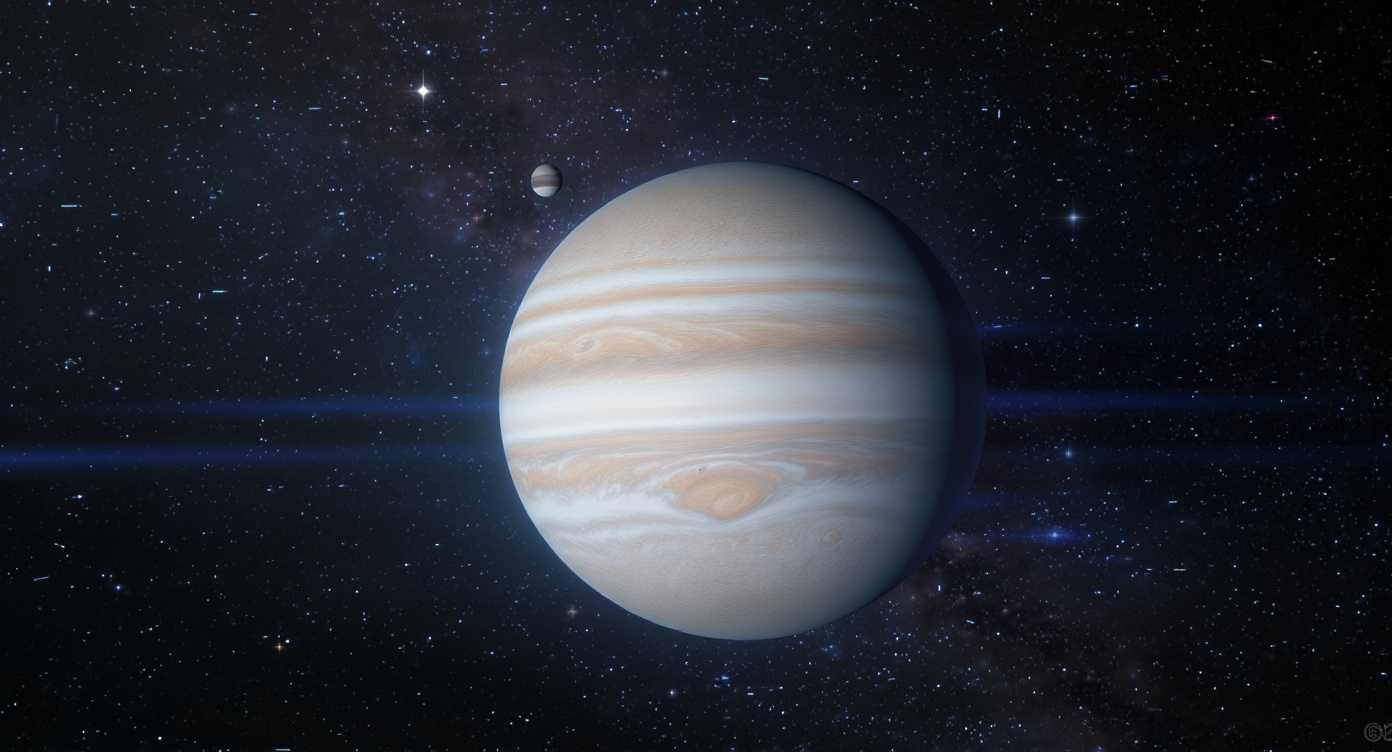
Astronomers have discovered new small moons orbiting Jupiter and Saturn using powerful telescopes. There are now 101 known moons around Jupiter and 285 around Saturn, and more discoveries are expected in the coming years.
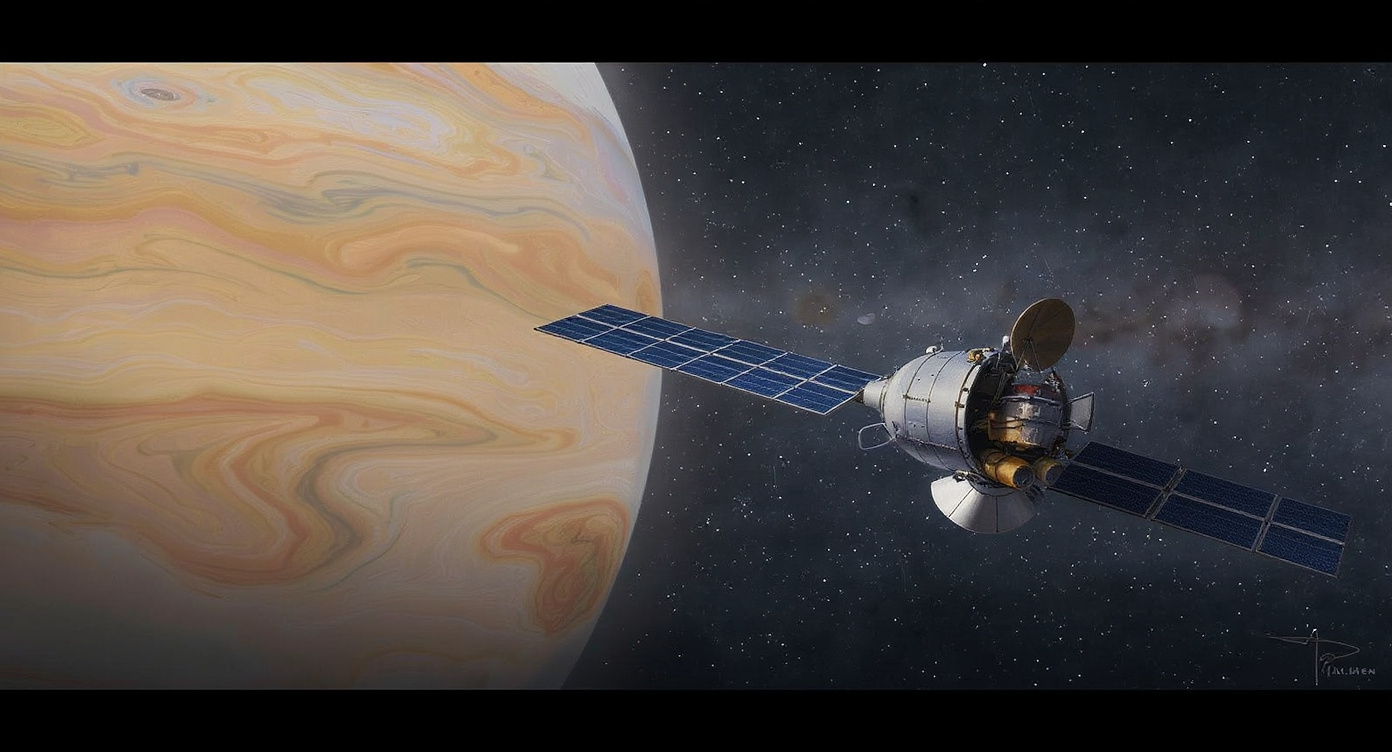
The European Space Agency has released the first images of the interstellar comet 3I/ATLAS, captured by the Juice spacecraft on its way to Jupiter. This data will provide new insights into the structure and origin of this rare object.
A new study has revealed that Jupiter played a crucial role in the formation of planets and meteorites, protecting the inner planets from destruction and contributing to the emergence of a second generation of meteorites.
A reanalysis of data from the Galileo spacecraft has revealed traces of ammonia on Jupiter’s moon Europa. This discovery suggests possible cryovolcanic activity and increases the likelihood of a subsurface ocean that remains liquid and resists freezing.
The Europa Clipper interplanetary station may pass through the tail of the interstellar comet 3I/ATLAS in the fall of 2025. If the probe detects particles from the comet, it would mark the first confirmed contact with an object from another star system.
A new study has shown that the atmospheric currents on Jupiter, Saturn, Uranus, and Neptune can be explained by a single physical mechanism—deep convection—rather than differences in their internal structures. This universal approach will help scientists study similar processes on other planets and stars.
Astronomers have discovered an object in the CT Cha system whose mass is 14 to 24 times greater than that of Jupiter, surrounded by a disk of gas and dust—a rare opportunity to observe the birth of moons around a young planet. The chemical composition of this disk is noticeably different from the material surrounding the star, raising new questions for scientists about how moons and planets form.
New modeling has shown that water in Jupiter's atmosphere is distributed extremely unevenly due to the complex interaction between precipitation and atmospheric vortices. This discovery will help plan future missions to study gas giants with greater precision.
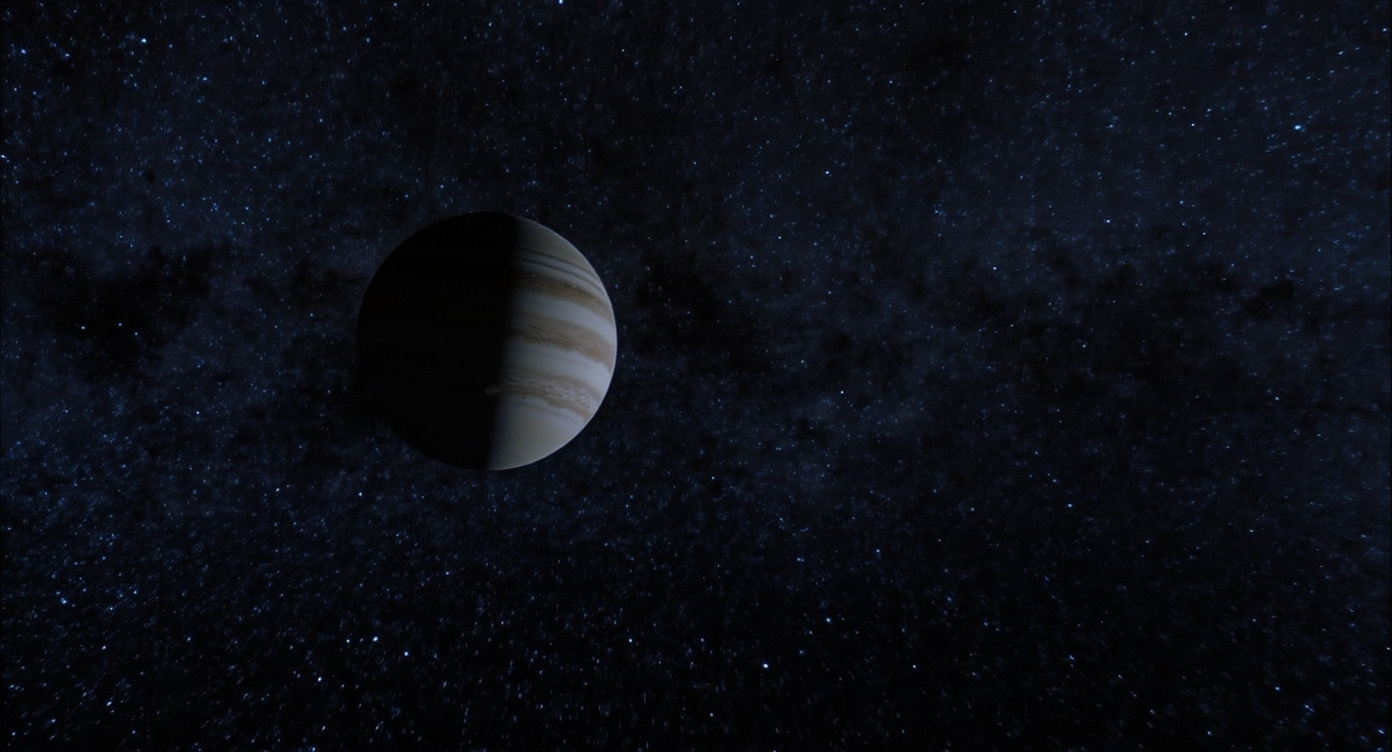
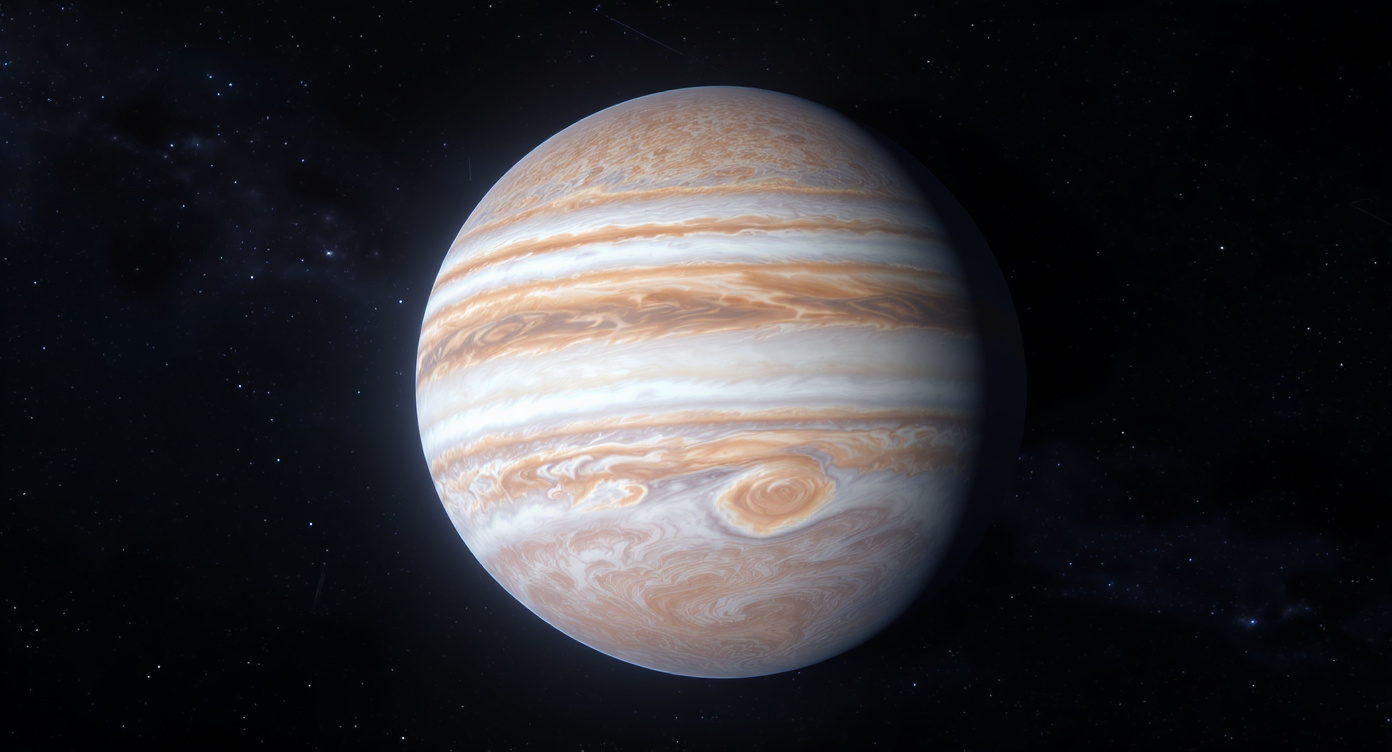
New measurements from a NASA probe have revealed that Jupiter is slightly smaller and more flattened than previously believed. This data will help scientists study the planet's atmosphere and internal structure with greater accuracy.
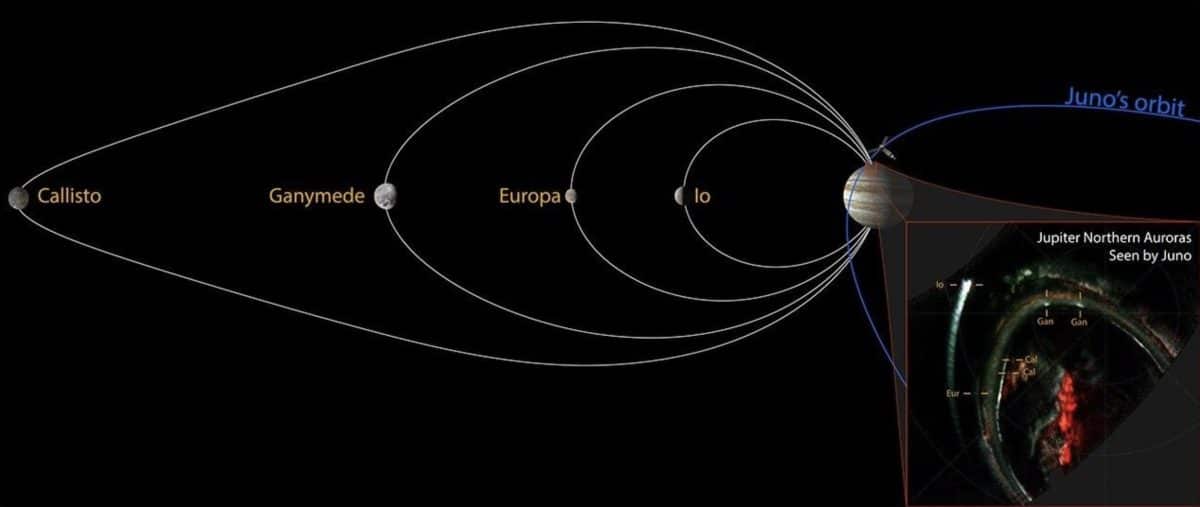
The Juno spacecraft has, for the first time, detected traces of Callisto, one of Jupiter’s moons, in the planet’s atmosphere, thus completing the “portrait” of all the Galilean satellites. This discovery deepens our understanding of how these moons interact with Jupiter’s magnetosphere.

 Cursus