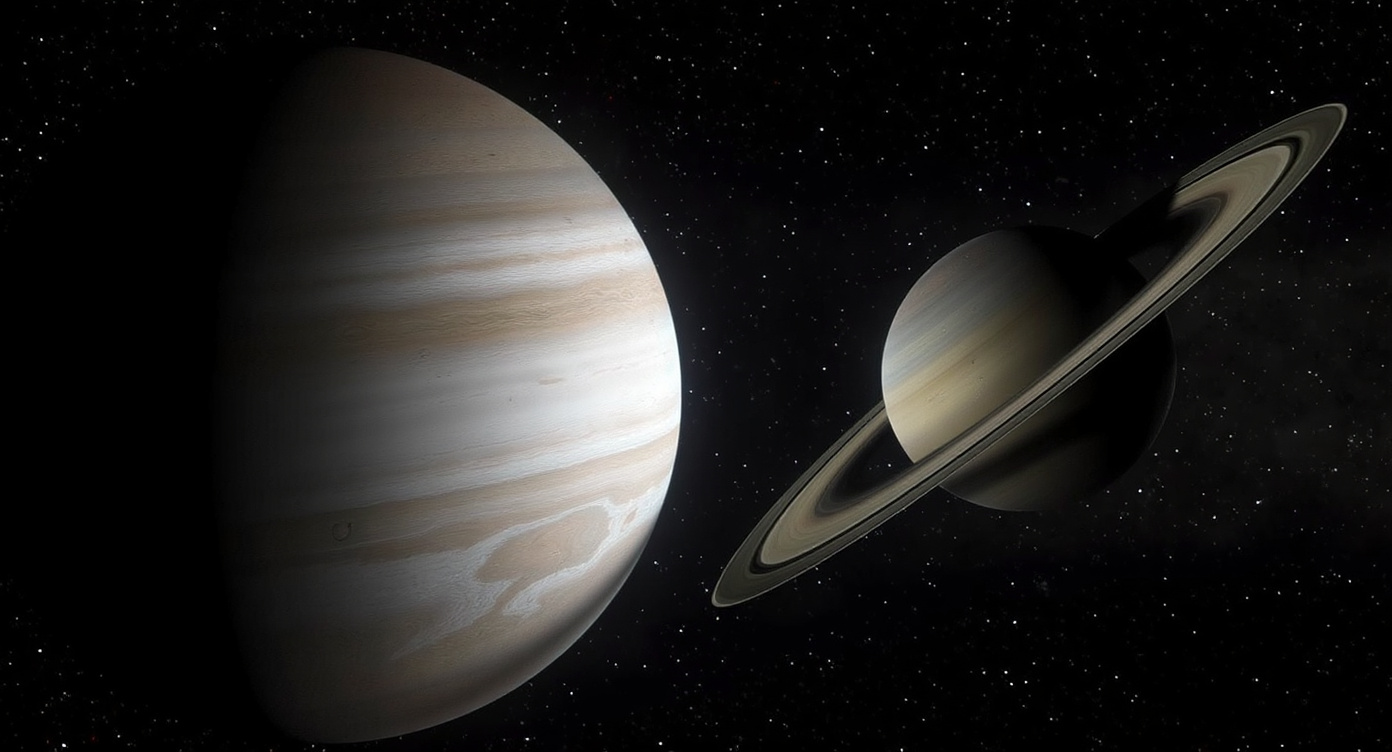
Astronomers have discovered new small moons orbiting Jupiter and Saturn using powerful telescopes. There are now 101 known moons around Jupiter and 285 around Saturn, and more discoveries are expected in the coming years.
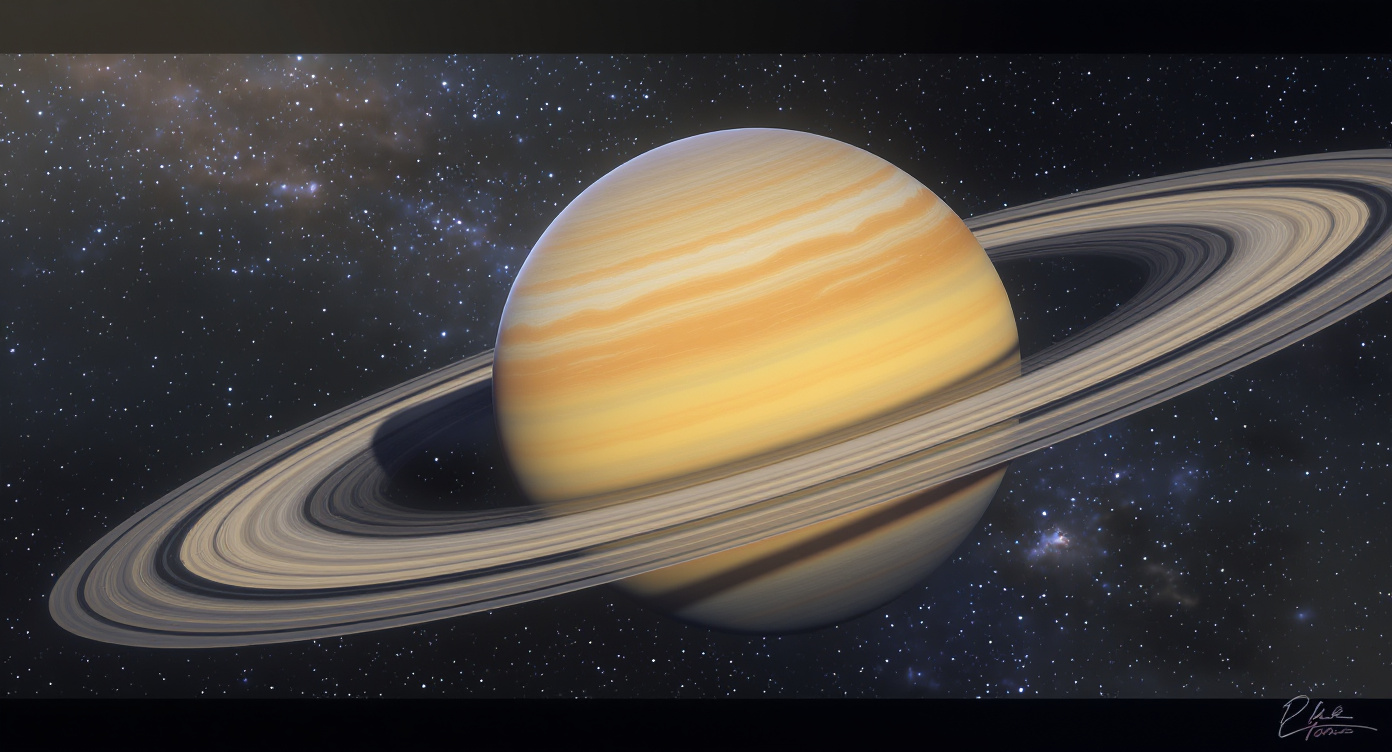
A new study suggests that Titan and Saturn’s famous rings may have formed as a result of a collision between ancient moons several hundred million years ago. The upcoming Dragonfly mission is expected to help confirm these hypotheses.
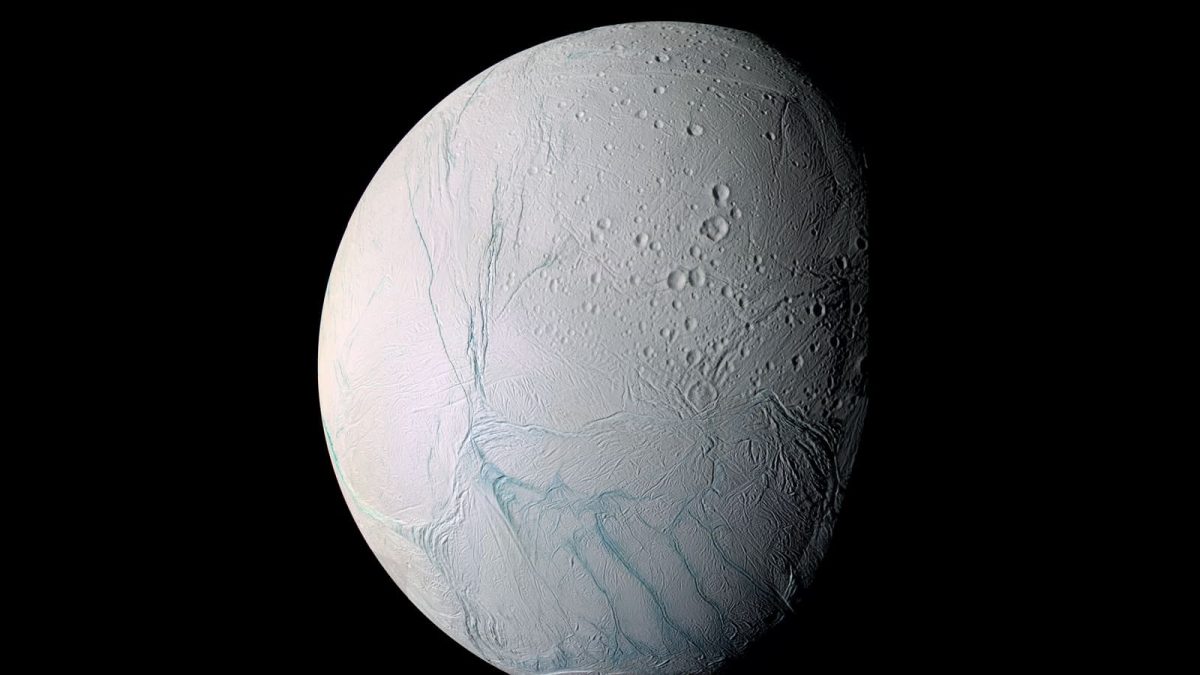
New data have shown that Enceladus’s internal heat is distributed across the entire surface of the moon, not just at the south pole. This finding strengthens the hypothesis that a global subsurface ocean exists.
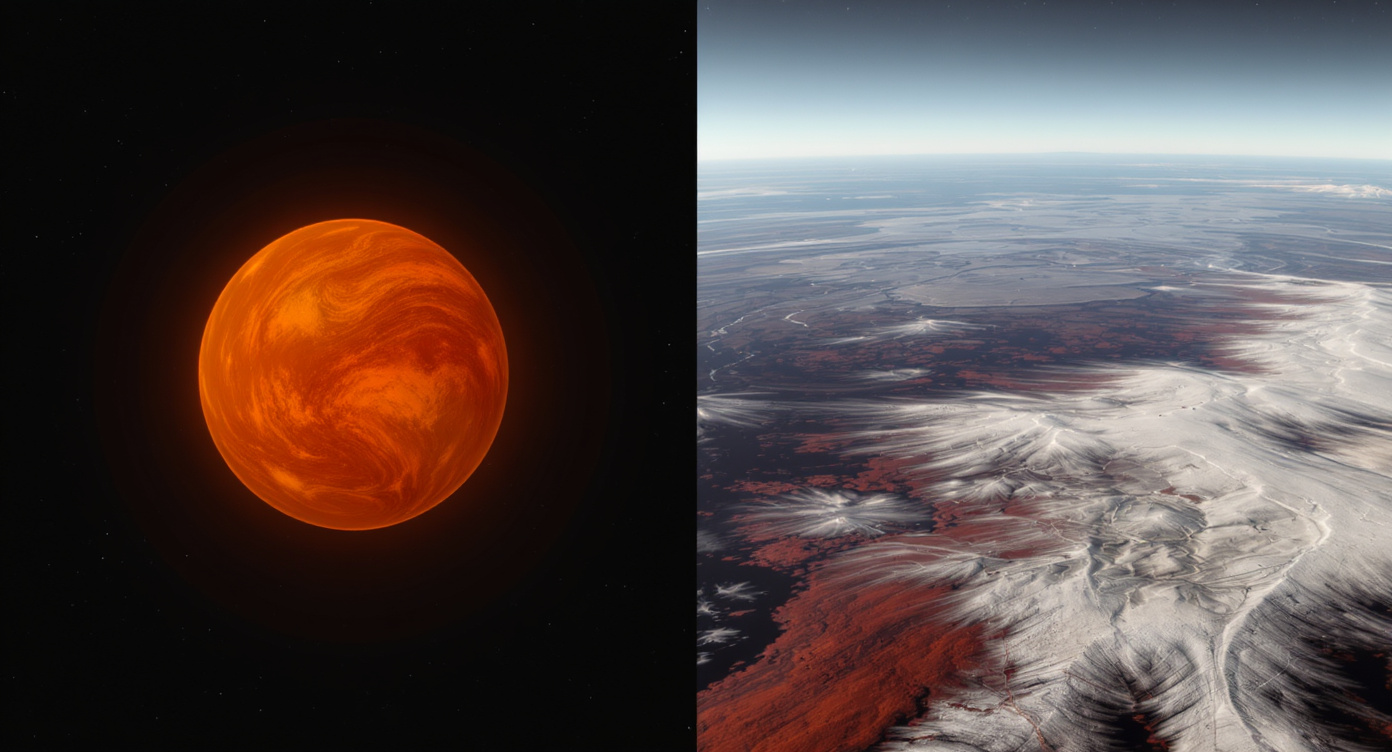
Scientists have discovered that unusual crystals may form on Titan, combining both polar and nonpolar substances, which defies traditional chemical rules. These structures could play a significant role in the moon's mineralogy and help explain the unique features of its landscape.
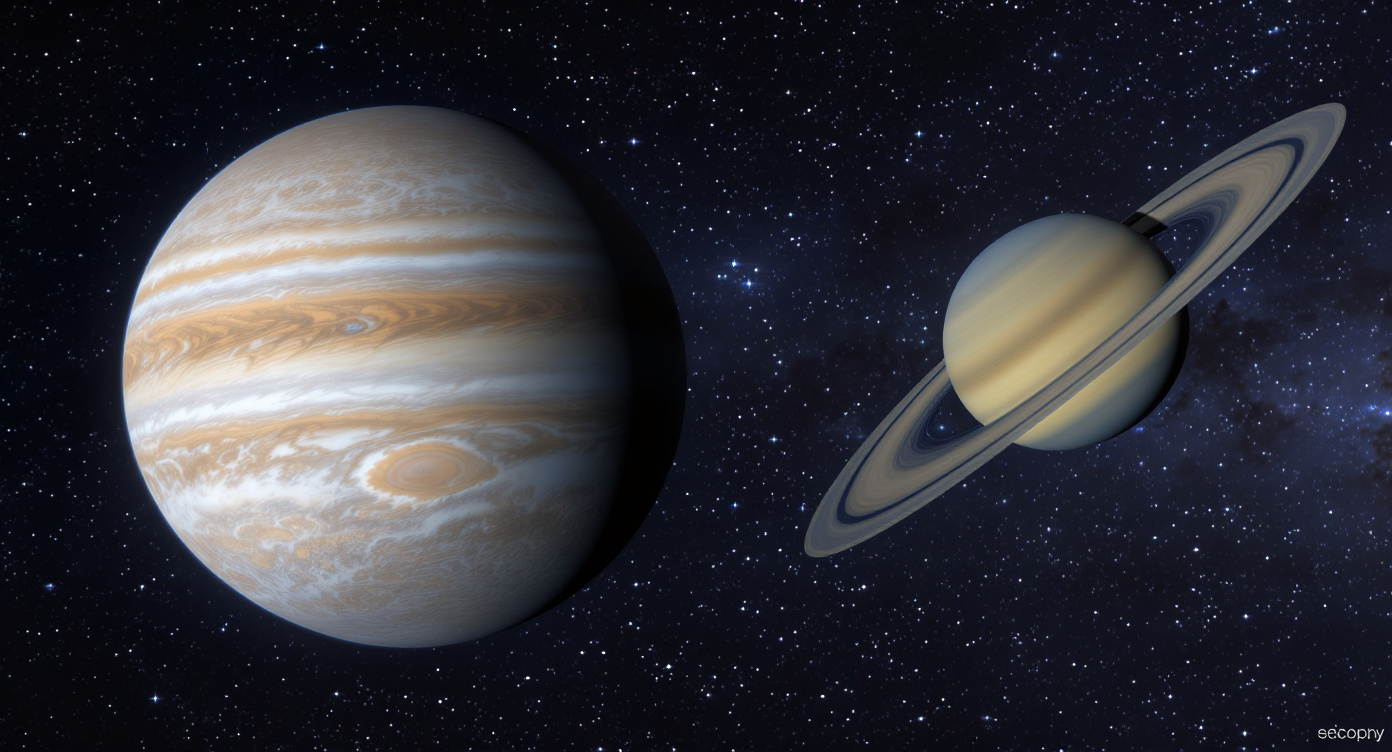
A new study has shown that the atmospheric currents on Jupiter, Saturn, Uranus, and Neptune can be explained by a single physical mechanism—deep convection—rather than differences in their internal structures. This universal approach will help scientists study similar processes on other planets and stars.

 Cursus