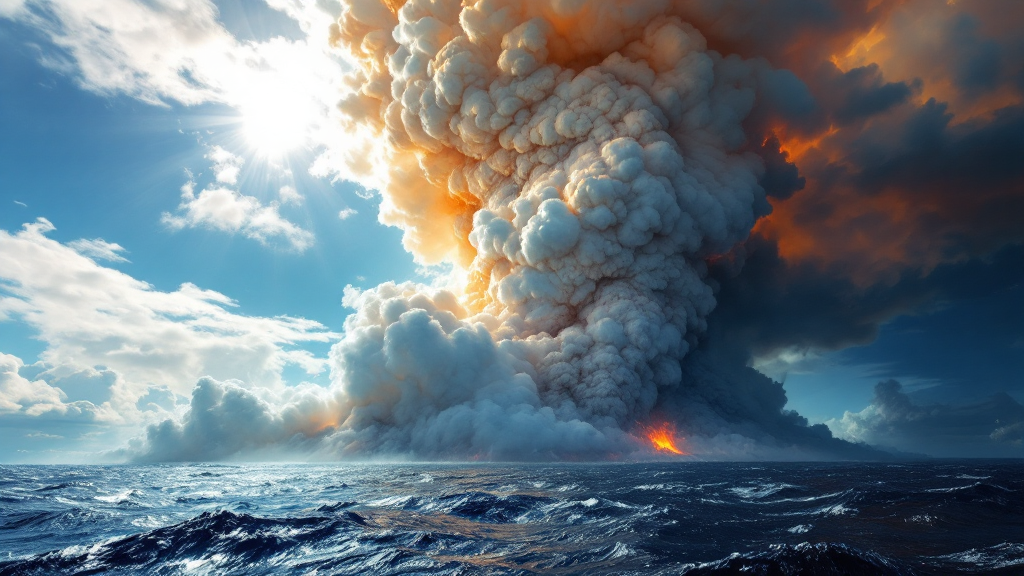
The eruption of the Hunga Tonga-Hunga Ha'apai volcano in 2022 allowed scientists to observe, for the first time, the accelerated breakdown of methane in the atmosphere caused by the interaction of volcanic ash, seawater, and sunlight. This discovery could contribute to the development of new methods for reducing methane levels and slowing global warming, though further research is needed to assess potential consequences.
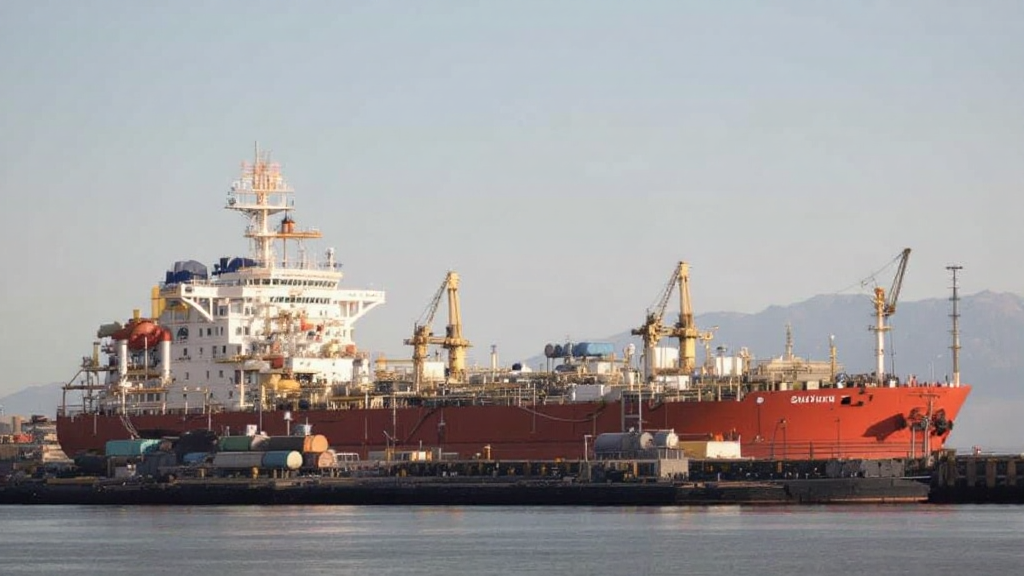
The European Commission has proposed postponing the introduction of fines for non-compliance with methane emission regulations until 2029, aiming to avoid disruptions in gas supplies amid ongoing energy uncertainty. This decision was made in response to concerns from the industry and exporting countries. However, experts believe that further refinement of the regulations will be necessary for effective implementation.
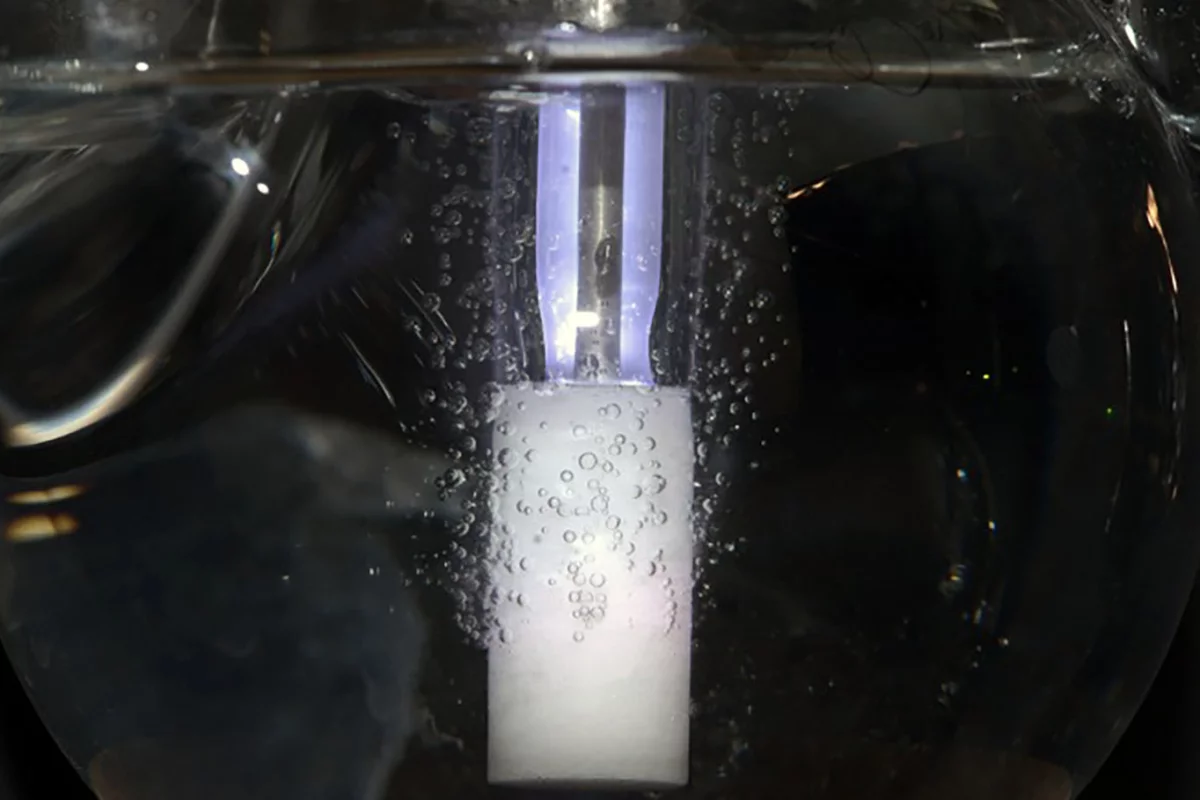
Scientists have developed a technology that uses plasma to efficiently convert methane into methanol without the need for high temperatures or pressure, reducing both energy consumption and the environmental impact of production. This new method could simplify the process of obtaining clean fuel directly at methane extraction sites.
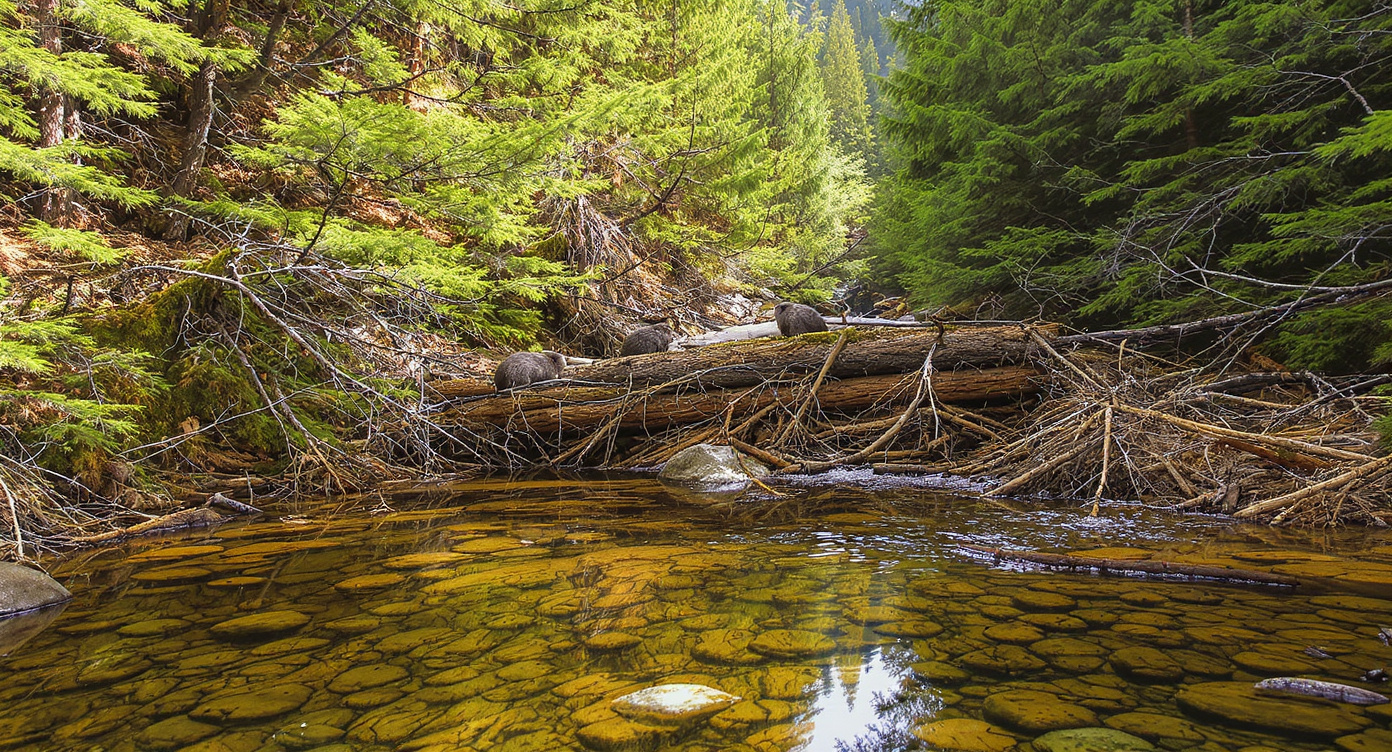
A study has shown that beaver dams enable bodies of water to store nearly 200 times more carbon than ordinary streams, thereby reducing carbon emissions into the atmosphere and oceans. Beavers alter the biogeochemistry of rivers, transforming them into highly effective carbon reservoirs.
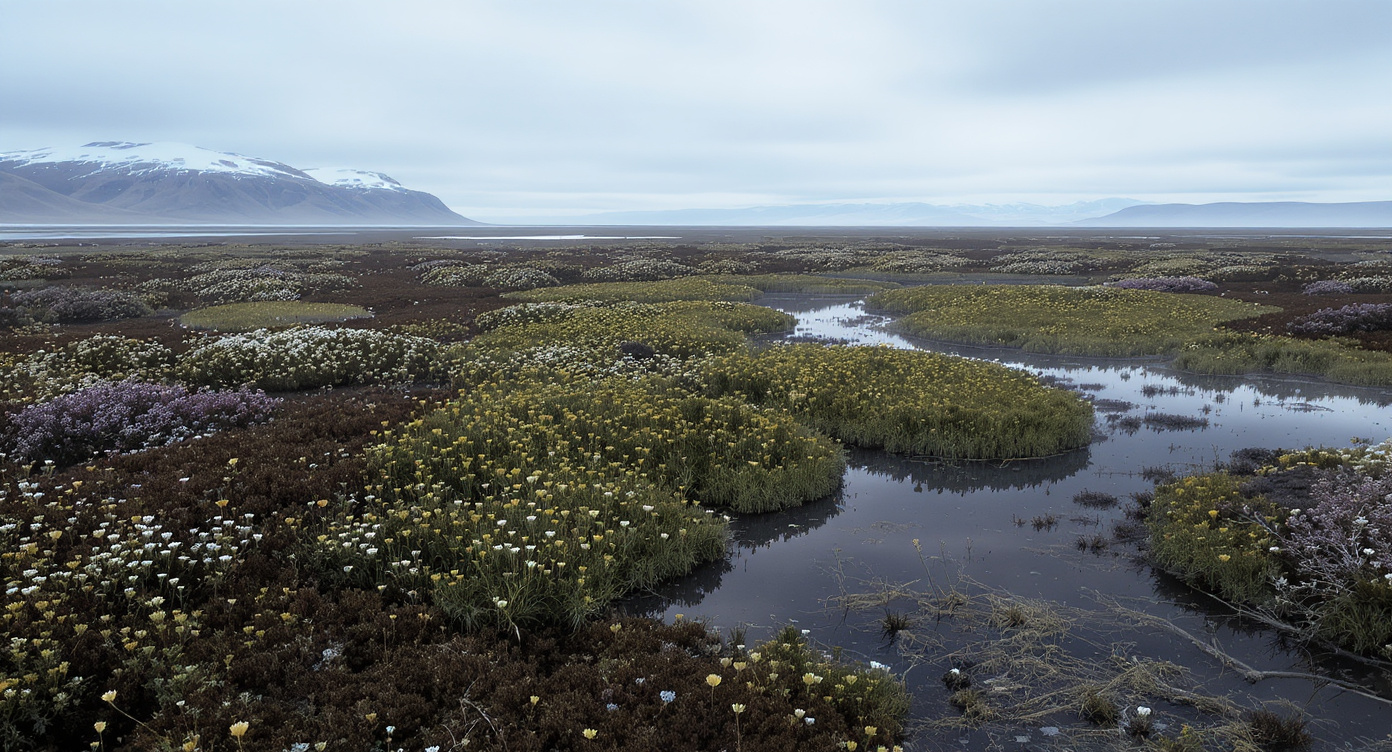
A new study has shown that raising groundwater levels in Arctic peatlands significantly reduces CO2 emissions without increasing methane or nitrous oxide emissions. Effective emissions management requires a comprehensive approach that takes into account local conditions and agricultural practices.
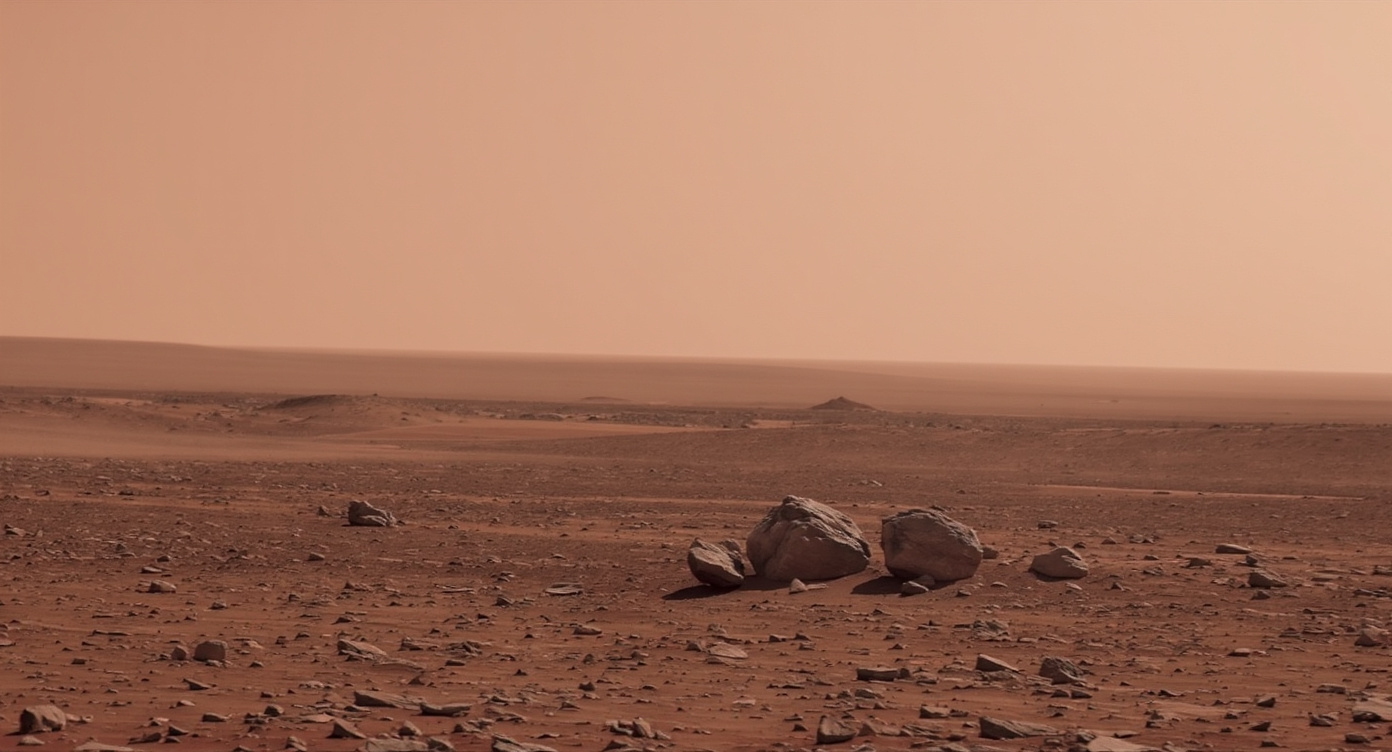
A study of microbial life deep within a meteorite crater in Sweden has revealed that archaea and bacteria can survive and produce methane without access to light or external hydrogen. These findings support the hypothesis that life could potentially exist beneath the surface of Mars.
At the beginning of the 2020s, methane concentrations in the atmosphere increased at record rates due to a decline in the natural breakdown of the gas and a rise in emissions from wetlands, bodies of water, and agriculture. The study highlights the importance of considering climatic factors when managing methane emissions.
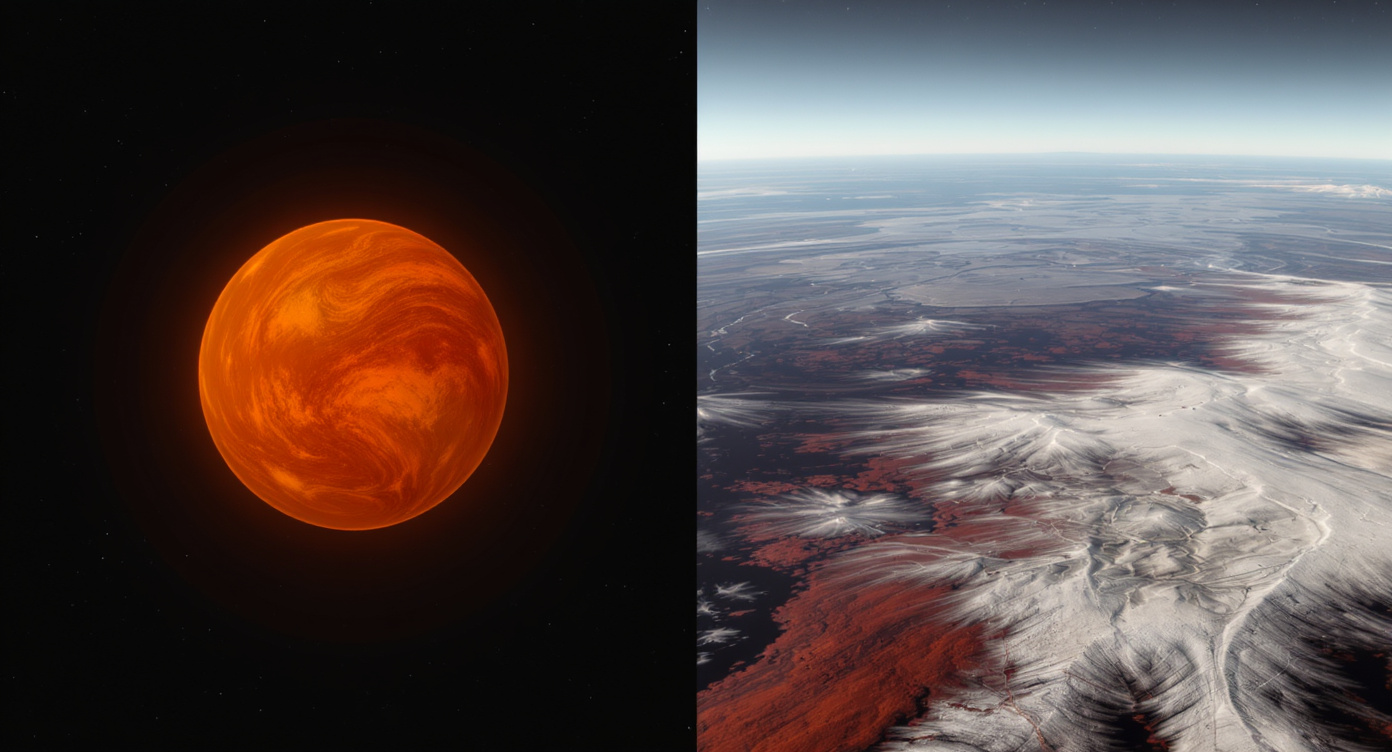
Scientists have discovered that unusual crystals may form on Titan, combining both polar and nonpolar substances, which defies traditional chemical rules. These structures could play a significant role in the moon's mineralogy and help explain the unique features of its landscape.
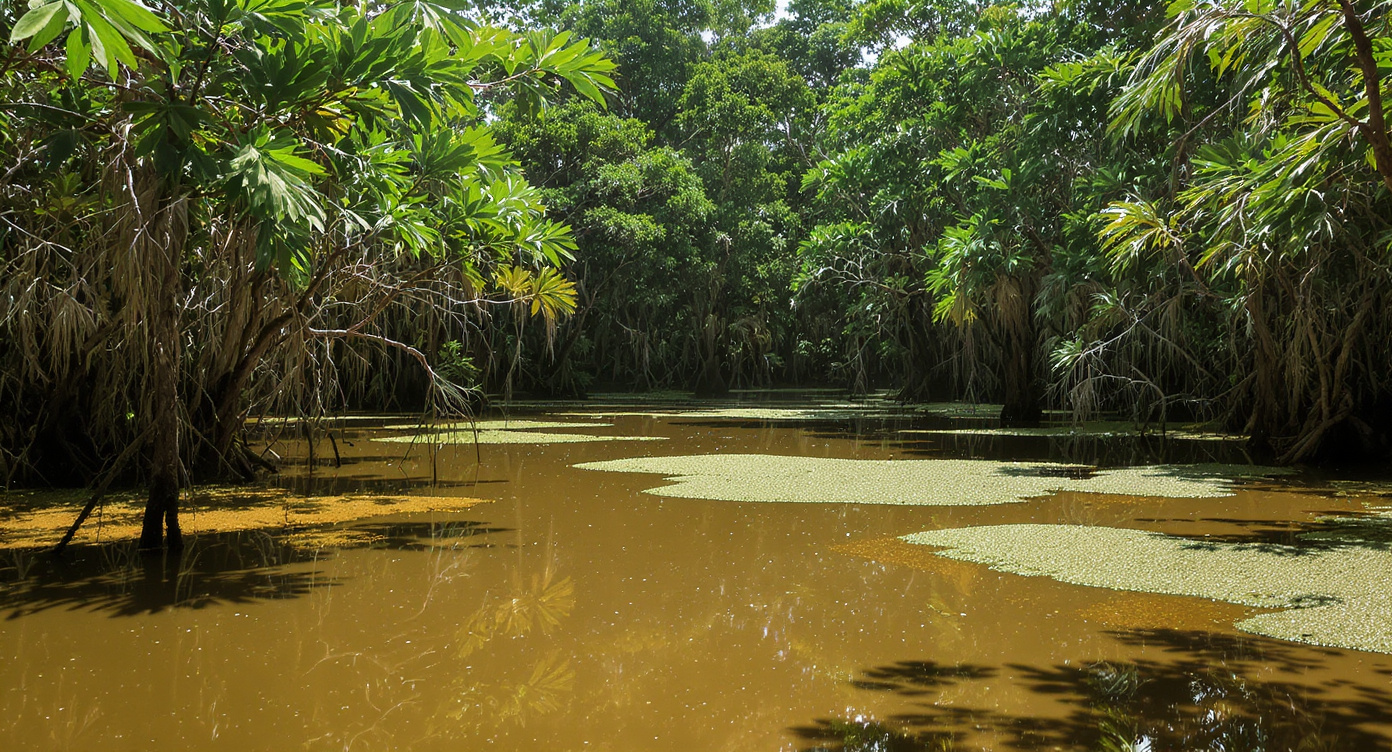
An international team of scientists has proposed a new explanation for the mysterious will-o'-the-wisps: their appearance is linked to microlightning—tiny electrical sparks between methane bubbles that produce a cold glow. This discovery paves the way for further research into this natural phenomenon.
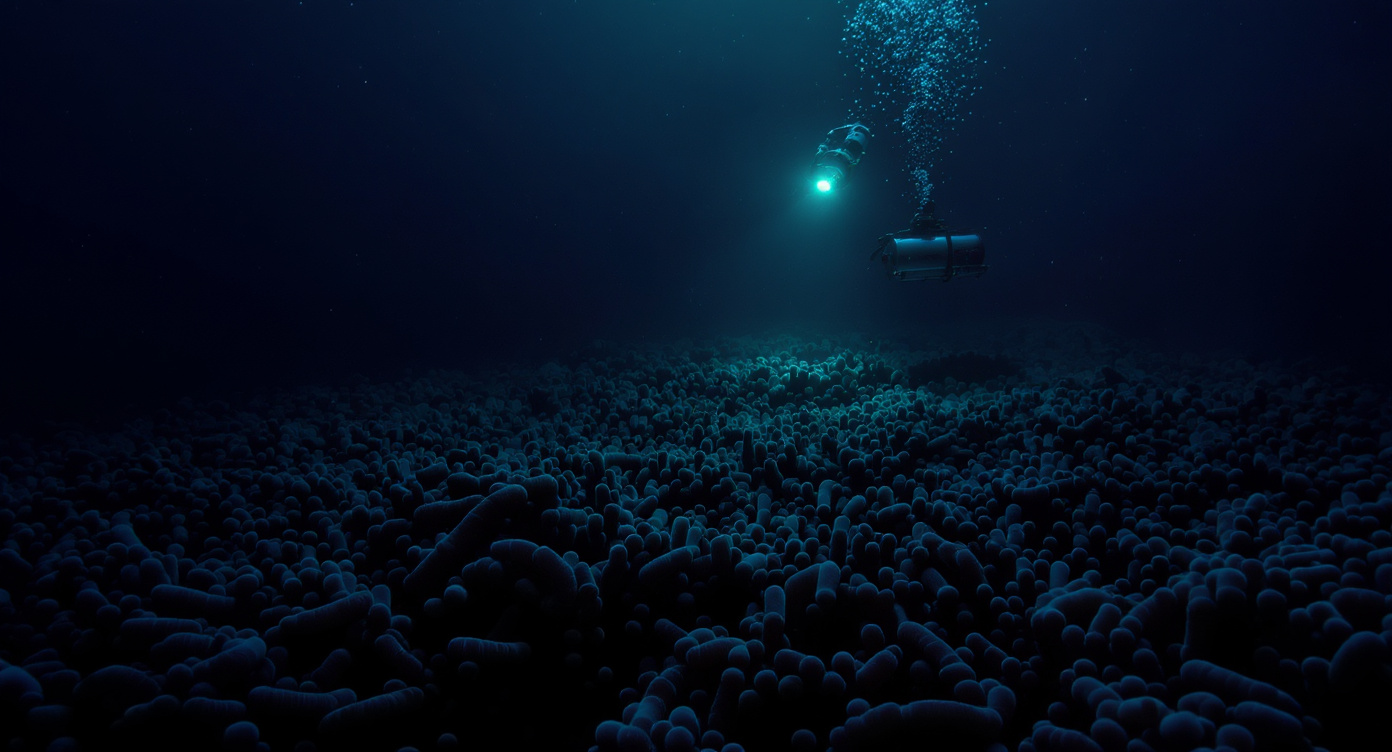
An international team of biologists has discovered a unique ecosystem at the bottom of the Kuril-Kamchatka Trench, thriving at depths of over 9,500 meters thanks to chemosynthesis. This is the deepest community of its kind ever found, challenging previous ideas about life and methane reserves in the ocean.

 Natura