

Methane Surge: How Climate Change Accelerates Gas Emissions
At the beginning of the 2020s, methane concentrations in the atmosphere increased at record rates due to a decline in the natural breakdown of the gas and a rise in emissions from wetlands, bodies of water, and agriculture. The study highlights the importance of considering climatic factors when managing methane emissions.
Natura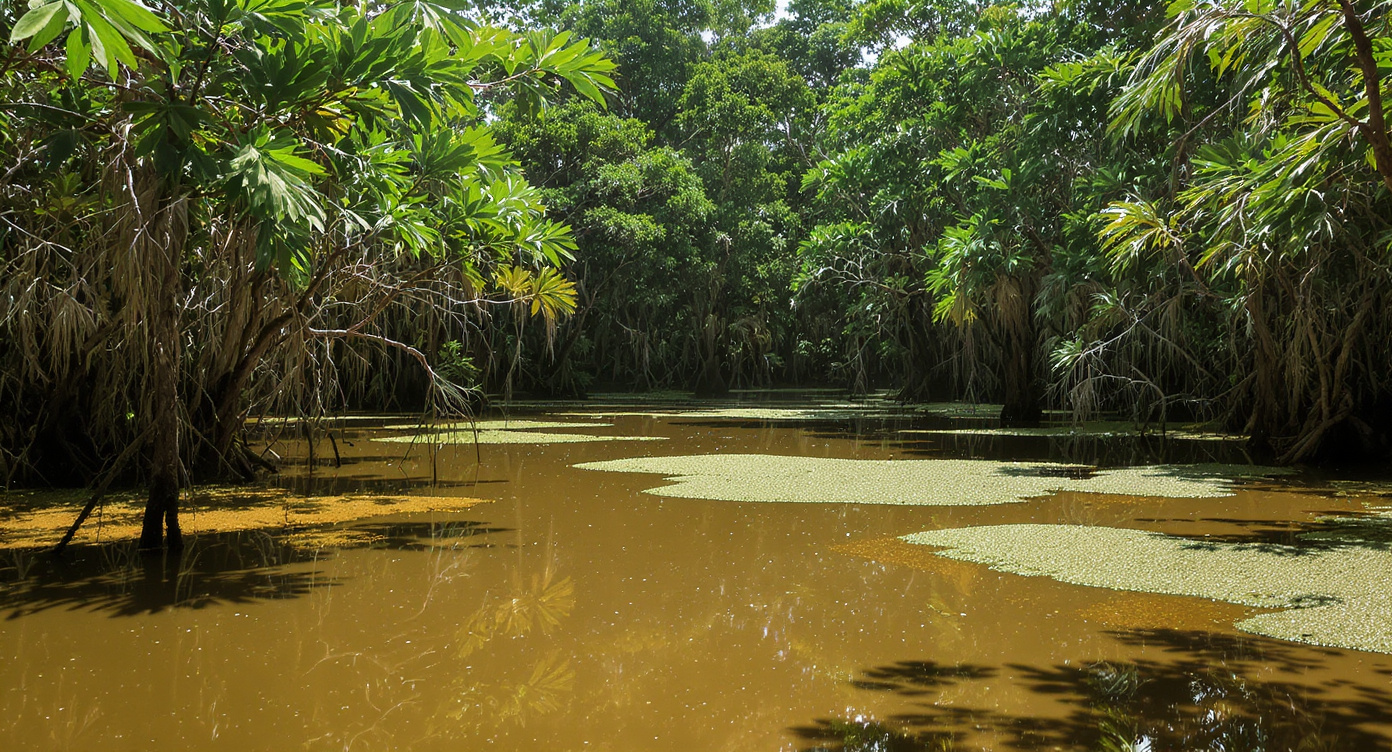
Methane concentrations in the atmosphere increased at record rates in the early 2020s. This trend is linked to a simultaneous decrease in the natural removal of methane from the atmosphere and a rise in emissions caused by the warming of wetlands, rivers, lakes, and agricultural lands. These findings were published by an international team of scientists in the journal Science. The study highlights changes both in the chemical composition of the atmosphere and in climatic conditions.
Main Causes of Methane Growth
One of the key factors was a sharp decline in hydroxyl radicals—the main chemical compounds responsible for breaking down methane in the air. In 2020–2021, this atmospheric cleansing process slowed significantly. According to researchers, this explains about 80% of the annual changes in the rate of methane accumulation. Additionally, the prolonged La Niña phase from 2020 to 2023 brought wetter weather to the tropics, expanding flooded areas—ideal environments for methane-producing microbes. As a result, emissions from wetlands, rivers, lakes, and farmlands increased, contributing to the buildup of methane—the second most significant greenhouse gas after carbon dioxide.
Methane Concentration Trends
Measurements show that from 2019 to 2023, atmospheric methane rose by 55 parts per billion, reaching a record 1921 parts per billion in 2023. The fastest growth was recorded in 2021—almost 18 parts per billion, which is 84% higher than in 2019.
Impact of Climate and Geography
With the planet’s warming and rising humidity, methane emissions from wetlands, inland water bodies, and rice fields are expected to have an even greater impact on climate change in the near future. The study emphasizes that global initiatives to reduce methane emissions must consider not only anthropogenic but also climate-driven sources.
The increase in emissions was linked not only to natural wetlands but also to managed areas such as rice fields and inland waters. These sources are often underestimated in global methane balance models.
The largest emission increases were observed in tropical Africa and Southeast Asia. Arctic wetlands and lakes also showed significant growth due to rising temperatures, which stimulated microbial activity. Meanwhile, in South America, emissions dropped in 2023 due to an extreme drought associated with El Niño, demonstrating the sensitivity of methane emissions to climate extremes.
The Role of Microbial Processes and Other Sources
Scientists identified the contributions of wetlands, rivers, lakes, reservoirs, and global rice cultivation to the rapid rise in atmospheric methane. By linking processes on land, in freshwater, and in the atmosphere within modern models, the team demonstrated how climate variability amplified emissions in these ecosystems.
The use of fossil fuels and forest fires played only a minor role in the recent methane increase. Chemical analysis indicates that the main sources of change were microbial processes in wetlands, inland water bodies, reservoirs, and agriculture.
Outlook and Conclusions
The study provides the most up-to-date global methane balance for 2023 and explains the reasons behind the rapid rise in atmospheric methane. Future trends will depend not only on emission controls but also on climate-driven changes in both natural and managed methane sources.
Key Findings of the Study
- The methane surge in the early 2020s was mainly caused by a weakening of the atmospheric chemical “sink,” not by uncontrolled emissions.
- A temporary drop in hydroxyl (OH) radicals—the main “cleanser” of methane—in 2020–2021 explains 80–85% of the annual variability in methane concentration growth.
- Changes in air pollution related to COVID-19 played a key role.
- Reduced nitrogen oxide (NOx) emissions during lockdowns lowered OH levels, allowing methane to accumulate more rapidly in the atmosphere.
- Climate-driven emissions from wetlands amplified the surge.
- Exceptionally wet conditions during the prolonged La Niña (2020–2023) increased methane emissions from wetlands and inland waters, especially in tropical Africa, Southeast Asia, and the Arctic.
- Emissions from fossil fuels and fires were not the main drivers.
- Current models of emissions from natural flooded ecosystems do not account for important dynamic processes.
- Many widely used models underestimated emissions from wetlands and inland waters and their dynamics during the surge, highlighting the need to improve monitoring of flooded ecosystems and microbial methane emission processes.