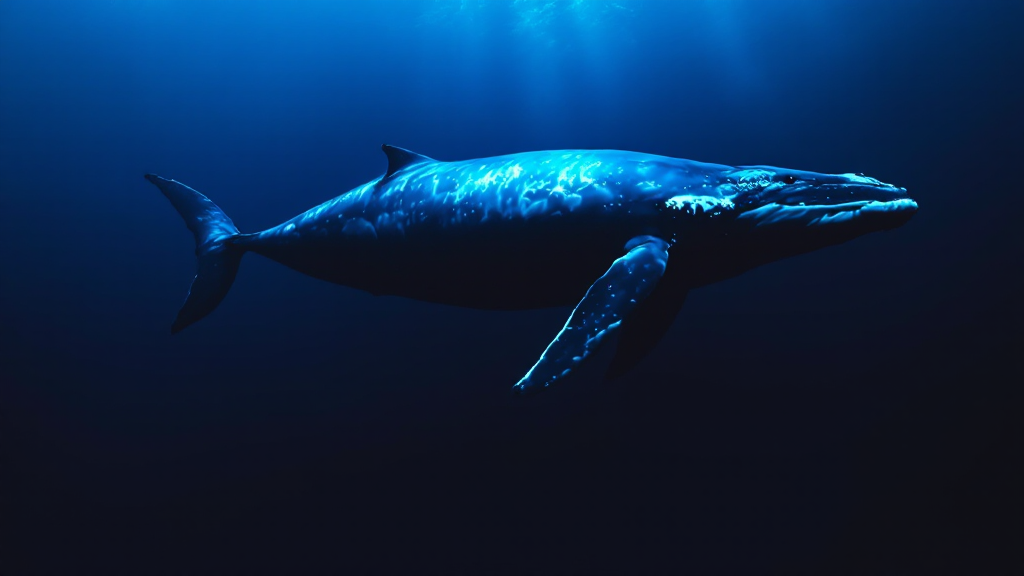
Due to warming and the reduction of ice cover, large groups of baleen whales have begun to migrate en masse to the coast of East Greenland, where they now spend the summer and consume up to a million tons of fish and krill. The study notes that these changes are creating new food chains and transforming the Arctic ecosystem.
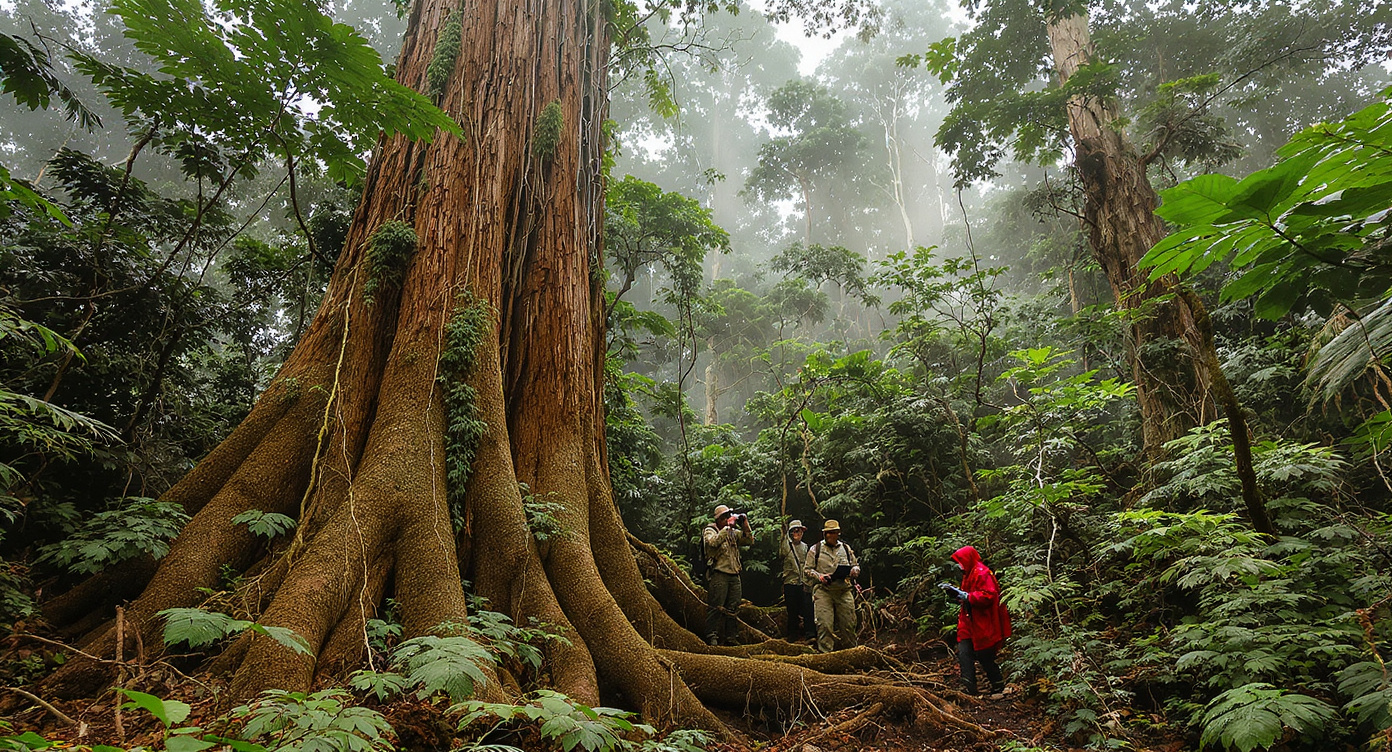
A new study has shown that controlled burns significantly increase the survival rate of giant sequoias during extreme wildfires. This approach is recognized as a key tool for their preservation.
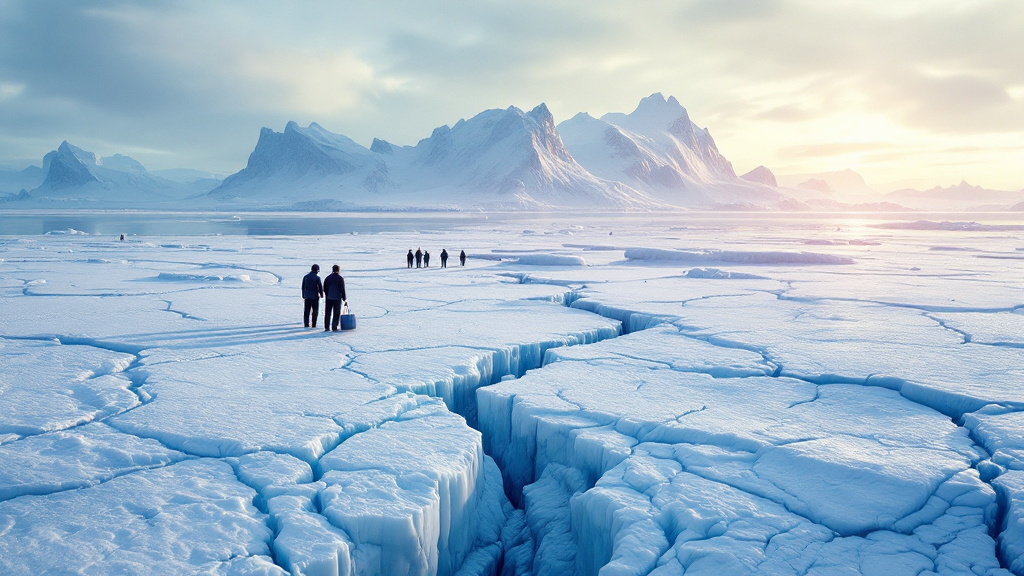
Over the next 30 to 50 years, forecasts for ice loss in Antarctica remain fairly reliable, which is important for planning adaptation measures to rising sea levels. However, by the end of the century, uncertainty increases, highlighting the need to improve models and strengthen international cooperation.
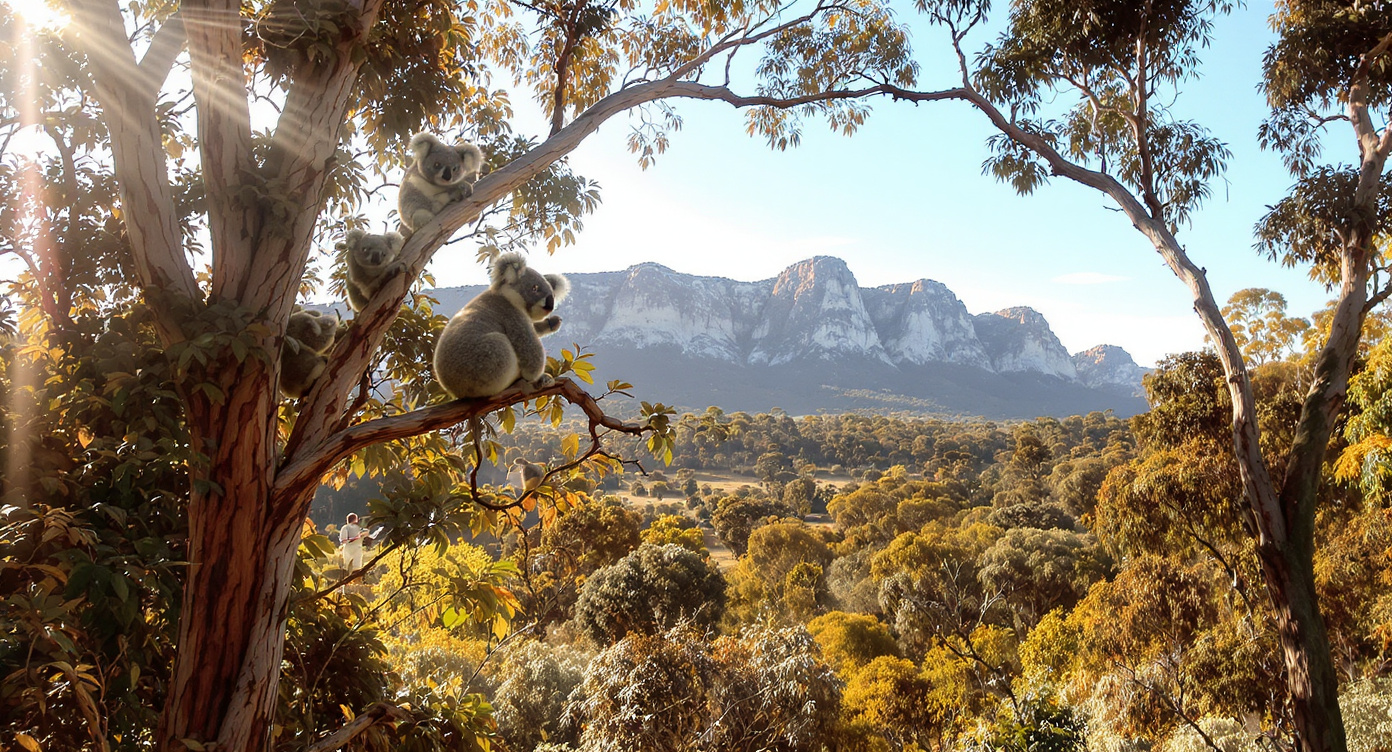
In South Australia, the koala population is rapidly increasing, which could lead to environmental issues. A new study proposes a humane strategy for population control to help maintain ecological balance.
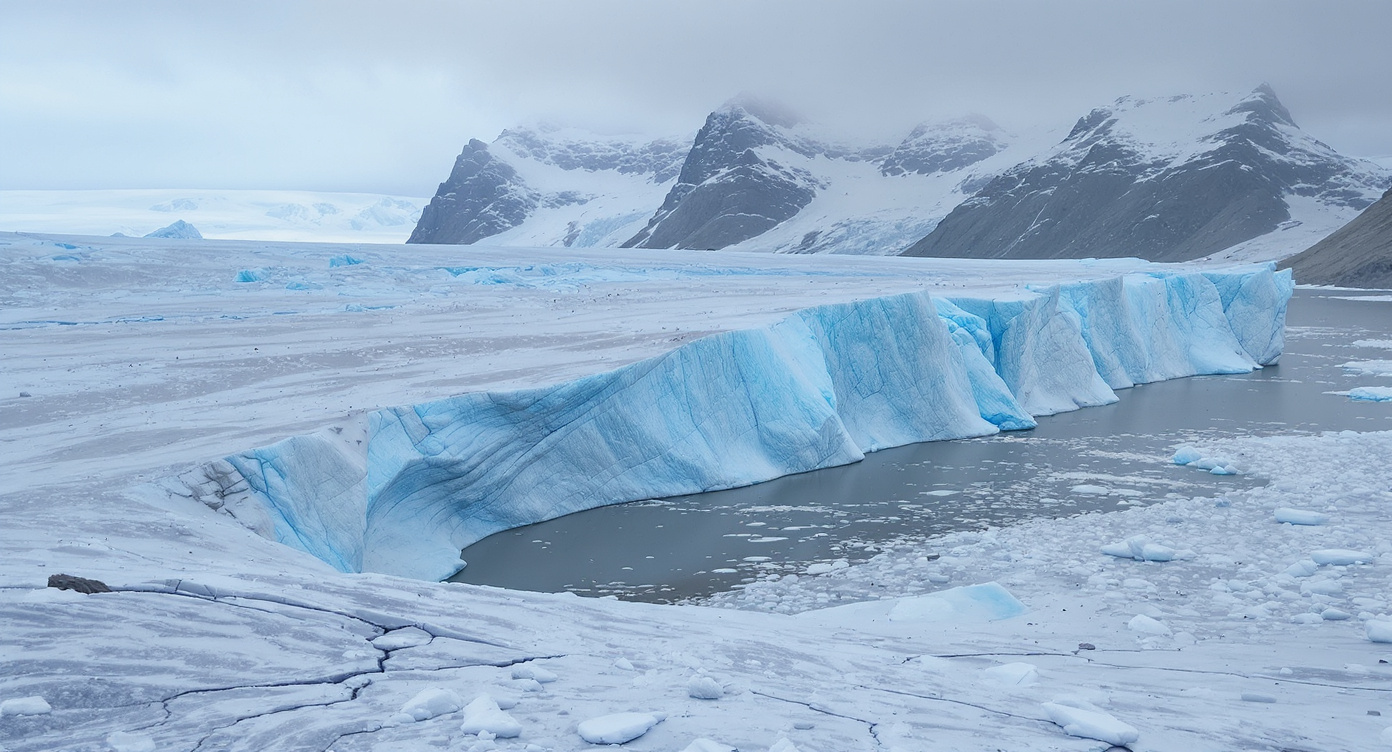
Satellite observations have recorded a record-fast retreat of the Hector Glacier in Antarctica: over just 15 months, it lost about 25 kilometers in length. The study highlights the importance of monitoring such processes to assess future sea level changes.
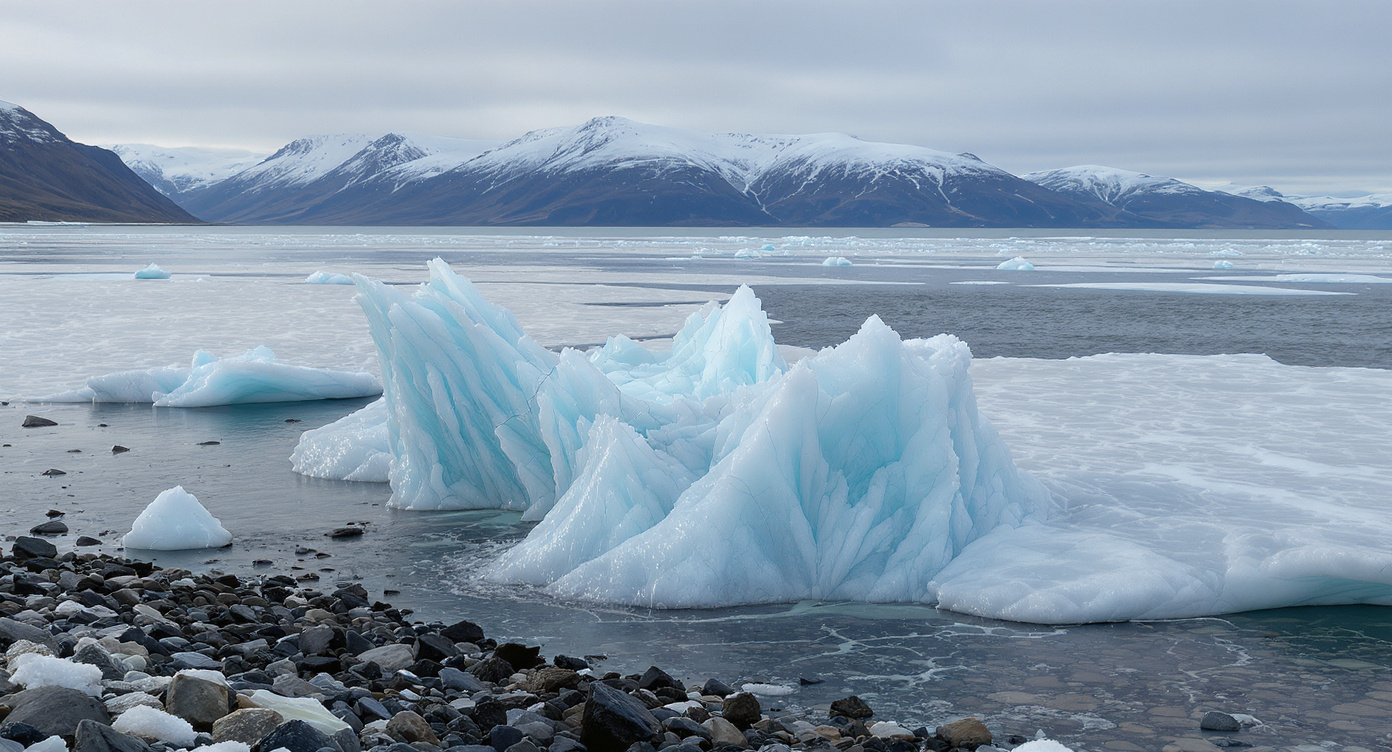
Over the past decade, the season of coastal ice along Alaska’s northern shore has significantly shortened, especially in the Chukchi and Beaufort Seas. This change is affecting the traditional way of life of local communities and their infrastructure, while also increasing the impact of waves on the coastline.
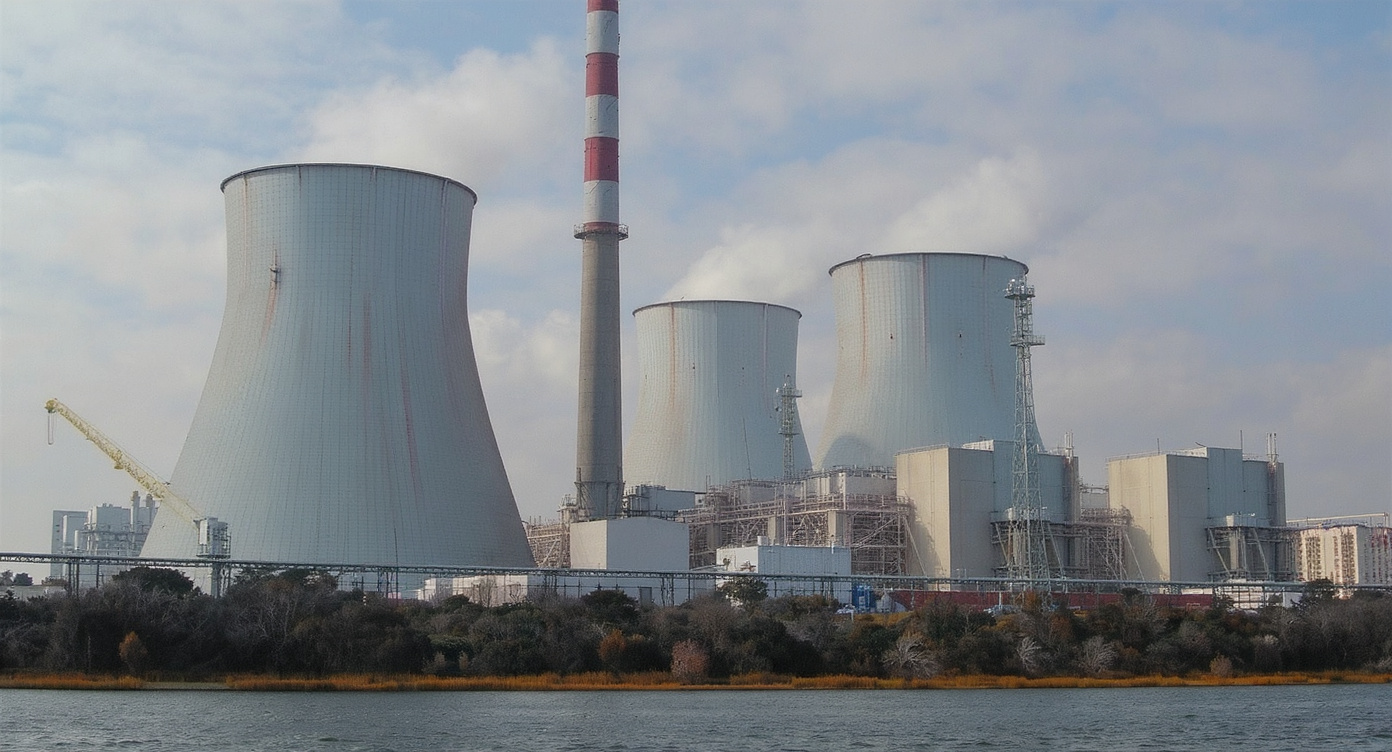
A study has shown that the contribution of artificial intelligence to global greenhouse gas emissions remains minimal, despite increasing energy consumption. At the same time, AI can help advance environmentally friendly technologies and reduce negative impacts on the environment.
A new study has revealed that beneath the surface of the Atacama Desert lies a more resilient and diverse community of soil organisms than previously thought. These findings help us better understand how life adapts to extreme conditions and how climate change may impact the ecosystems of arid regions.
At the beginning of the 2020s, methane concentrations in the atmosphere increased at record rates due to a decline in the natural breakdown of the gas and a rise in emissions from wetlands, bodies of water, and agriculture. The study highlights the importance of considering climatic factors when managing methane emissions.
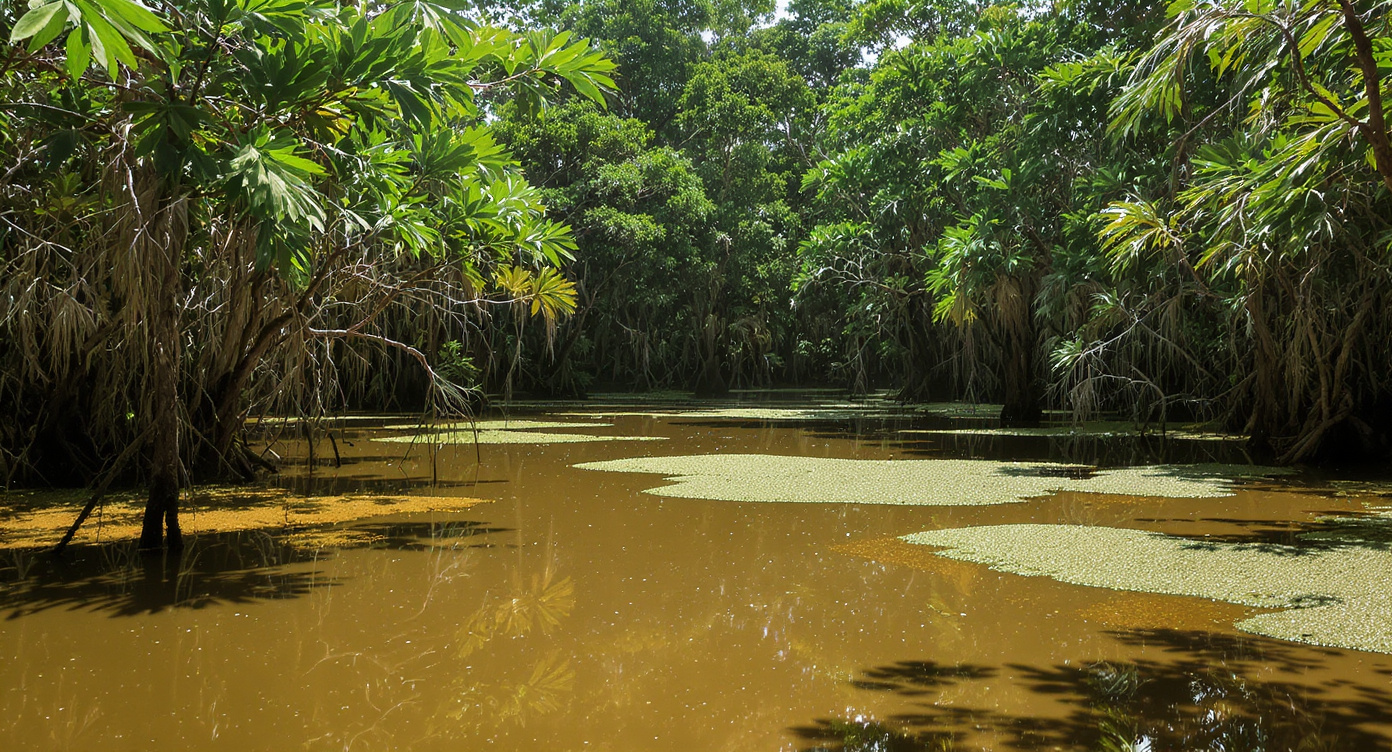
A new study has shown that climate change affects tree diversity in the tropical forests of the Amazon and Andes in different ways: in some regions, species are disappearing, while in others, new ones are emerging. Scientists emphasize the importance of a regional approach to forest conservation and highlight the Northern Andes as a potential refuge for vulnerable species.
The head of Croatia's Central Bank, Boris Vujčić, stated that excessive intervention by the ECB in monetary policy could increase market volatility, and that it is impossible to keep inflation at the target level permanently.
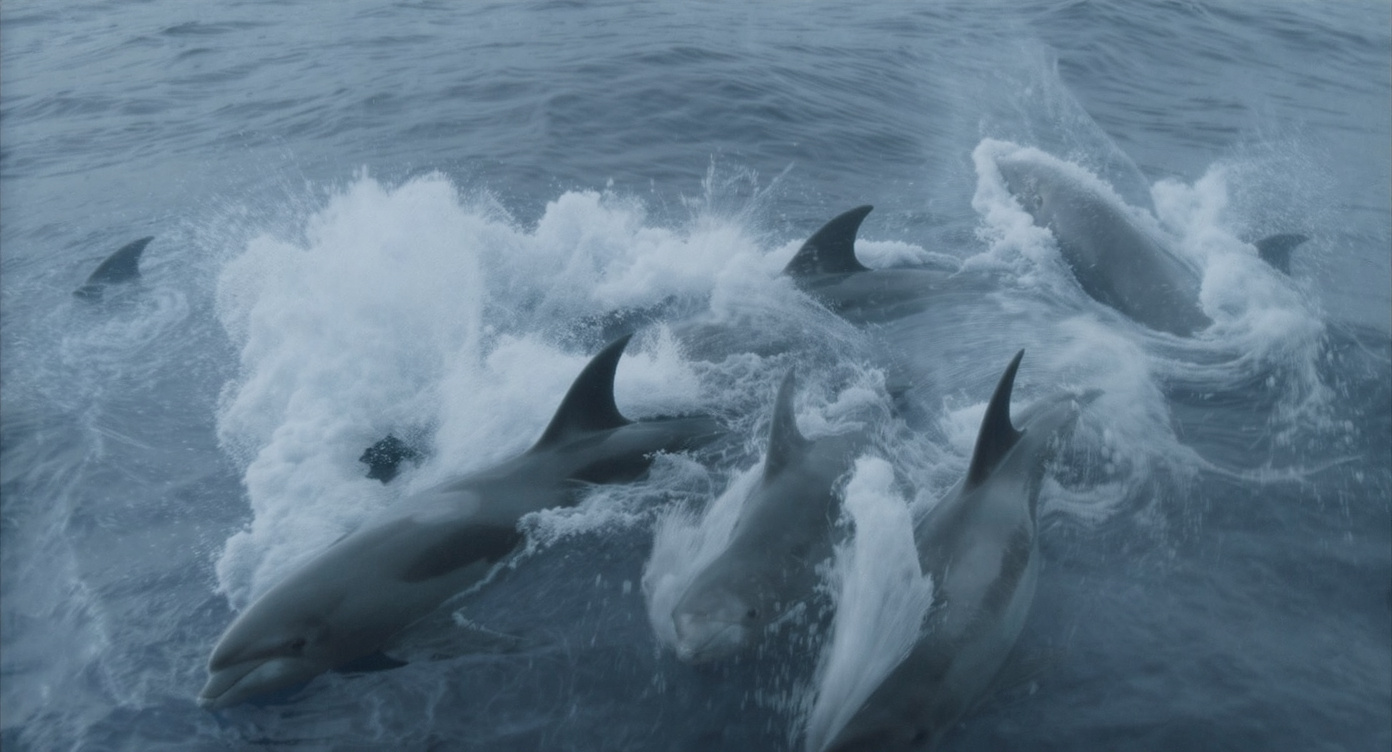
Scientists have discovered brain damage in stranded dolphins that resembles Alzheimer's disease in humans. These changes may be linked to toxins from algae and water pollution. The study highlights that neurodegeneration is not just a human issue and emphasizes the need for further research into how environmental factors affect animal health.
A new study has found that heat waves in U.S. rivers are intensifying four times faster than in the atmosphere and last nearly twice as long, posing a serious threat to aquatic ecosystems and water quality.

 Natura