

Heat waves in U.S. rivers are intensifying faster than those in the atmosphere
A new study has found that heat waves in U.S. rivers are intensifying four times faster than in the atmosphere and last nearly twice as long, posing a serious threat to aquatic ecosystems and water quality.
Natura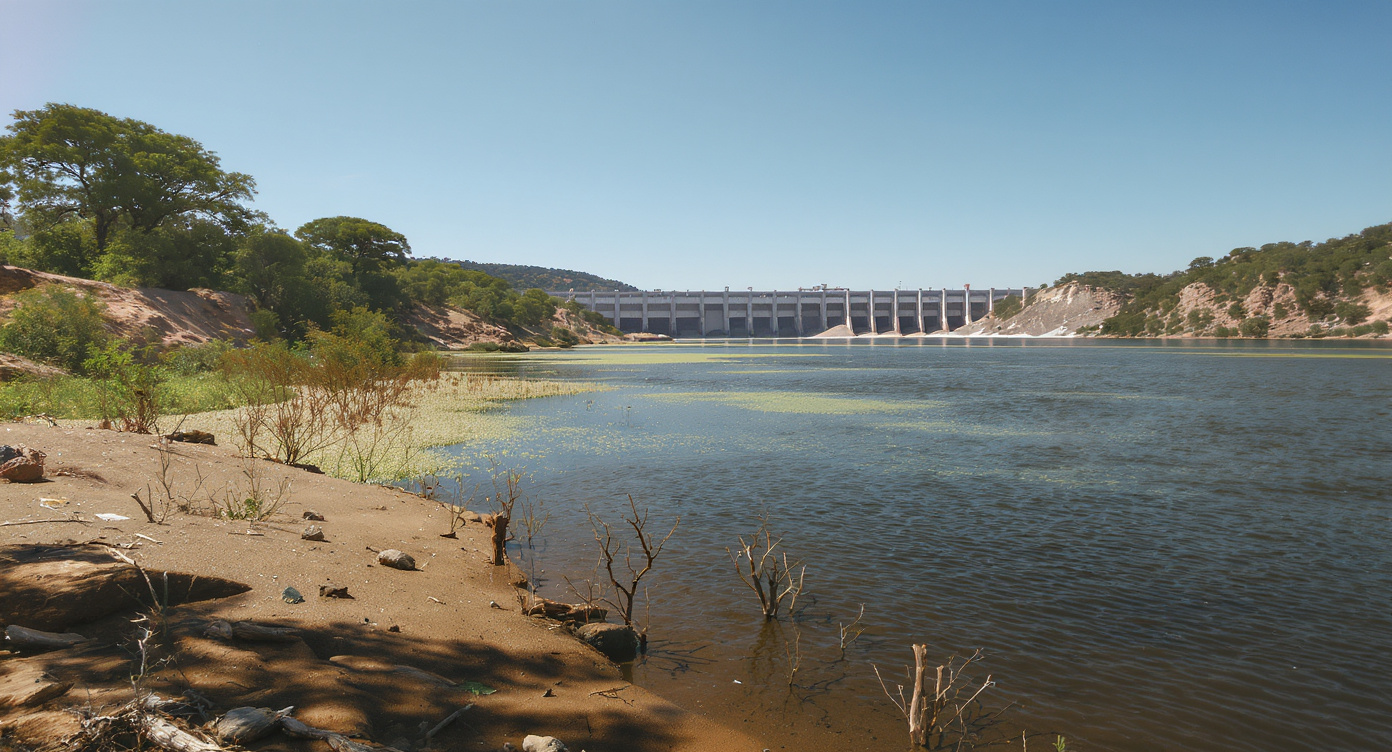
A study covering nearly 1,500 river sites across the United States from 1980 to 2022 found that heatwaves in rivers are developing up to four times faster than in the atmosphere and last almost twice as long. These findings raise serious concerns about the health of aquatic ecosystems.
Rapid Increase of River Heatwaves
According to Kayalvizhi Sadayappan, a research associate at the Department of Civil and Environmental Engineering at Penn State University, the rate at which heatwaves are intensifying in rivers outpaces similar processes in the air, and this trend is likely occurring worldwide. This increases the risk of simultaneous extreme heat and low water levels, which can lead to reduced oxygen content, stress for aquatic organisms, and even mass fish die-offs.
Geography and Scale of the Phenomenon
The study showed that water temperatures exceeded 15 °C for an average of 11.6 days per year at 82% of the sites studied—at this temperature, river organisms begin to experience stress. The fastest rise in water temperature was recorded in the Rocky and Appalachian Mountains, as well as in the northeastern United States.
The most extreme heatwaves were observed in the Appalachian and southern regions of the country, where water temperatures reached 20 °C at 74% of sites. The smallest increase in temperature was noted in the Midwest, where temperatures above 15 °C occurred on average only five days a year, and 20 °C just one day.
Causes and Human Impact
Researchers identify rising temperatures as the main factor behind river heatwaves, but also note the influence of agriculture and dam construction. Agriculture can help moderate heatwaves by cooling the air and water during irrigation, as evidenced by reduced frequency, duration, and intensity of heatwaves in areas with crops. At the same time, dams—especially large ones—tend to prolong heatwave events.
Consequences for Nature and People
Beyond the negative impact on wildlife, the rapid rise in river water temperatures can also affect people whose lives depend on stable river conditions, and may increase the cost of drinking water treatment. According to scientists, their findings can help develop strategies to mitigate the effects of river heatwaves—a phenomenon that has so far been insufficiently studied.
Adaptation Strategies and Recommendations
The data obtained can serve as an early warning and support adaptive management during river heatwaves. Additionally, they can contribute to long-term measures such as restoring vegetation along riverbanks to provide shade, improving dam management, expanding green infrastructure, and reducing water withdrawals from rivers.