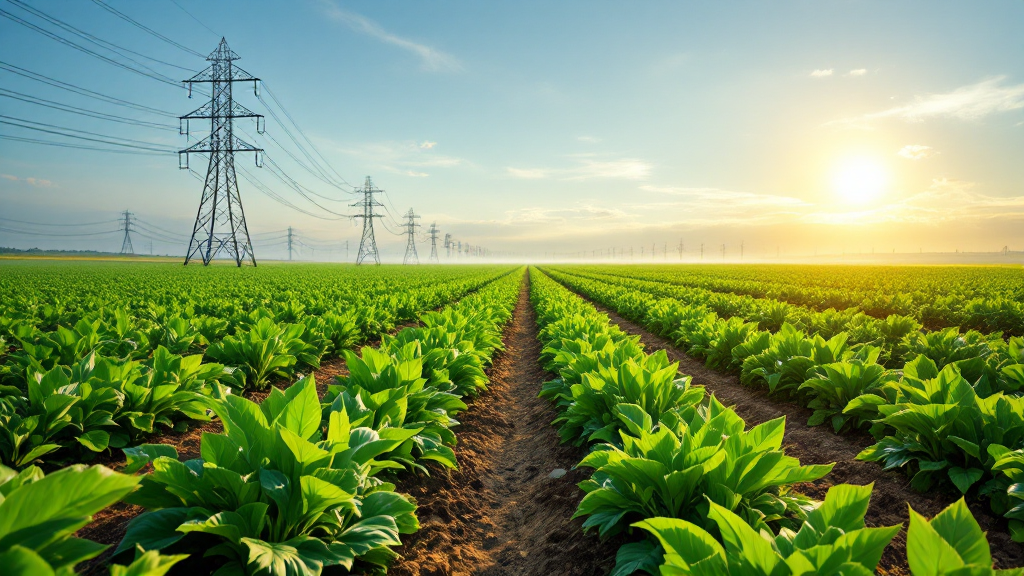
Irrigation in U.S. agriculture helps increase crop yields without expanding cultivated land, which prevents greenhouse gas emissions from converting natural areas. Efficient water use and the adoption of environmentally friendly technologies can further enhance the climate performance of the agricultural sector.
Долгосрочное исследование показало, что заброшенные сельскохозяйственные земли могут самостоятельно превращаться в луга с высоким биоразнообразием без дорогостоящих вмешательств. Такой подход способствует восстановлению экосистем и снижает затраты на реабилитацию земель.
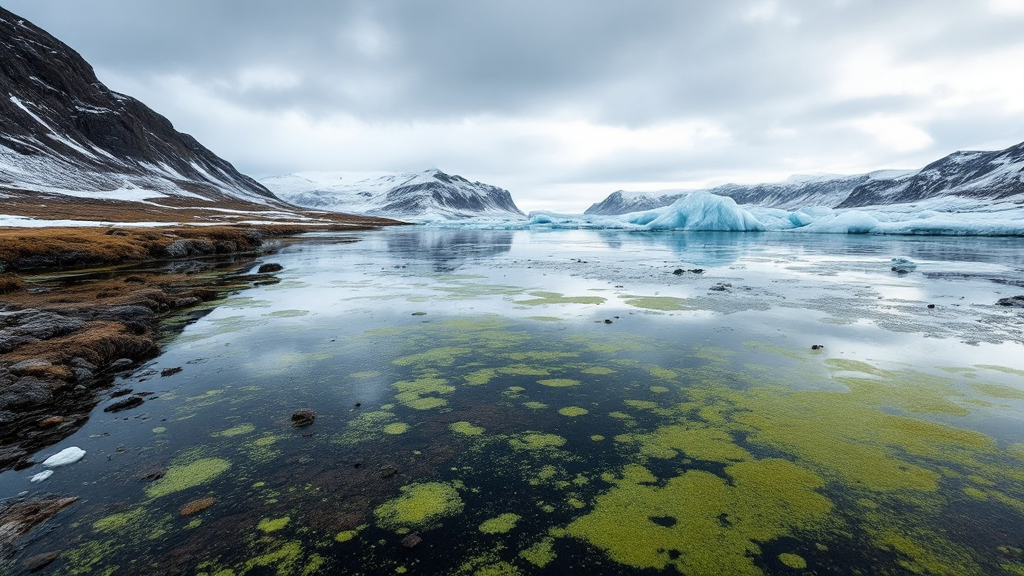
The Arctic permafrost holds vast reserves of organic carbon, which can be released into the ocean as it thaws and influence the climate. Recent studies show that only a portion of this carbon turns into greenhouse gases, while most of it remains on the ocean floor. This finding is crucial for predicting future climate changes.
After the mass extinction at the end of the Triassic period, ferns quickly colonized the newly available territories, creating landscapes that contributed to frequent wildfires. Research indicates that this destructive cycle lasted for tens of thousands of years and significantly altered the planet’s ecosystems.
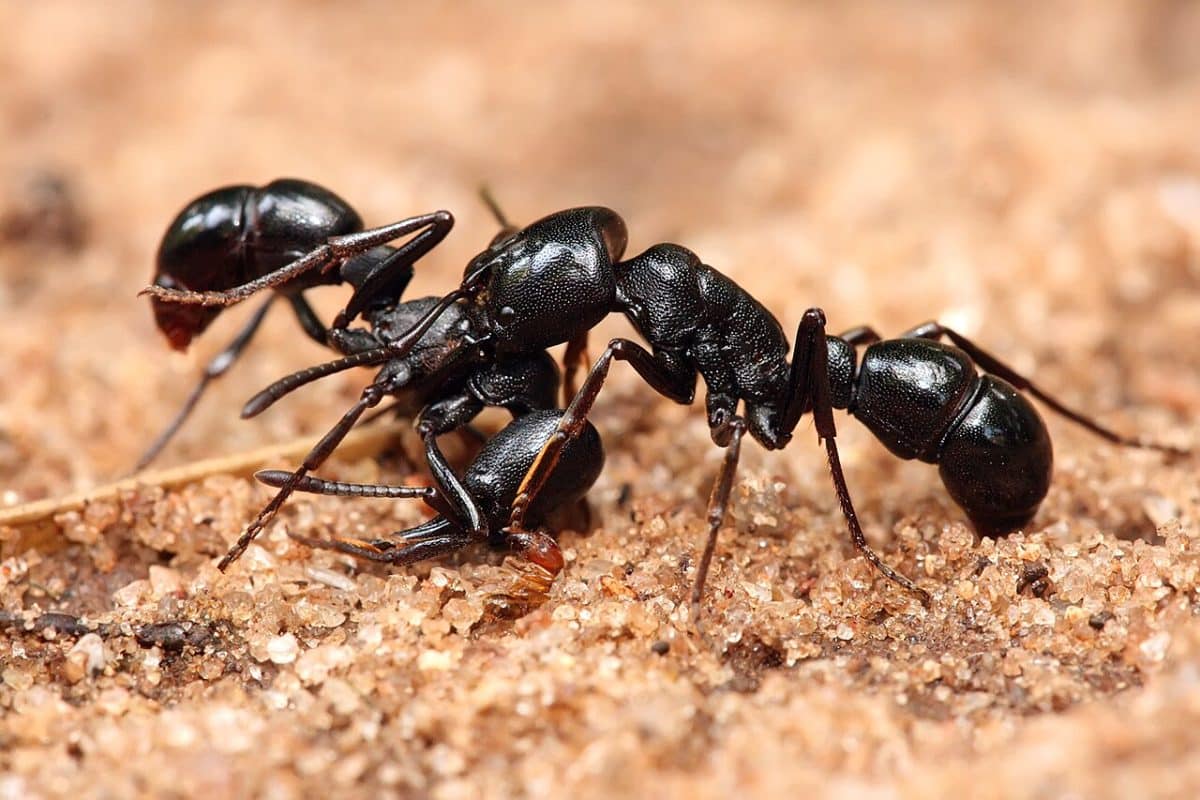
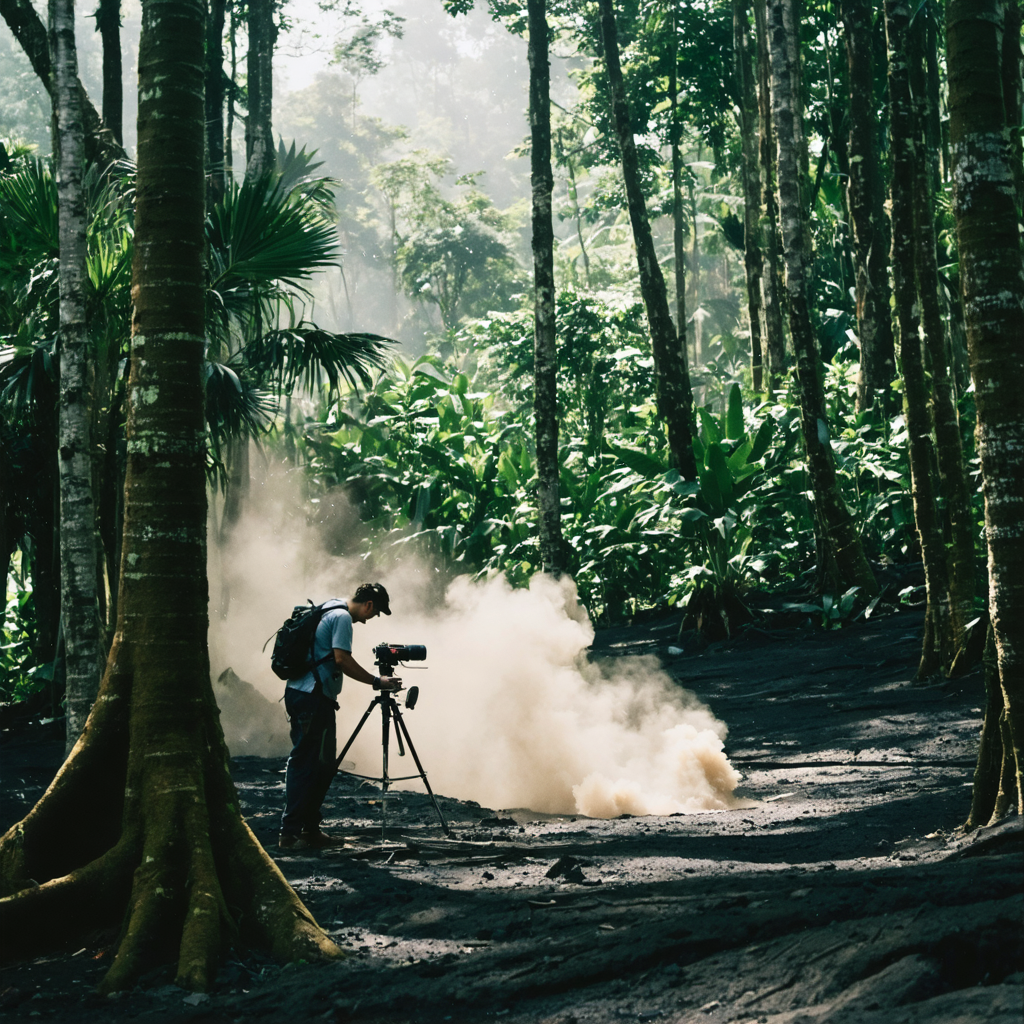
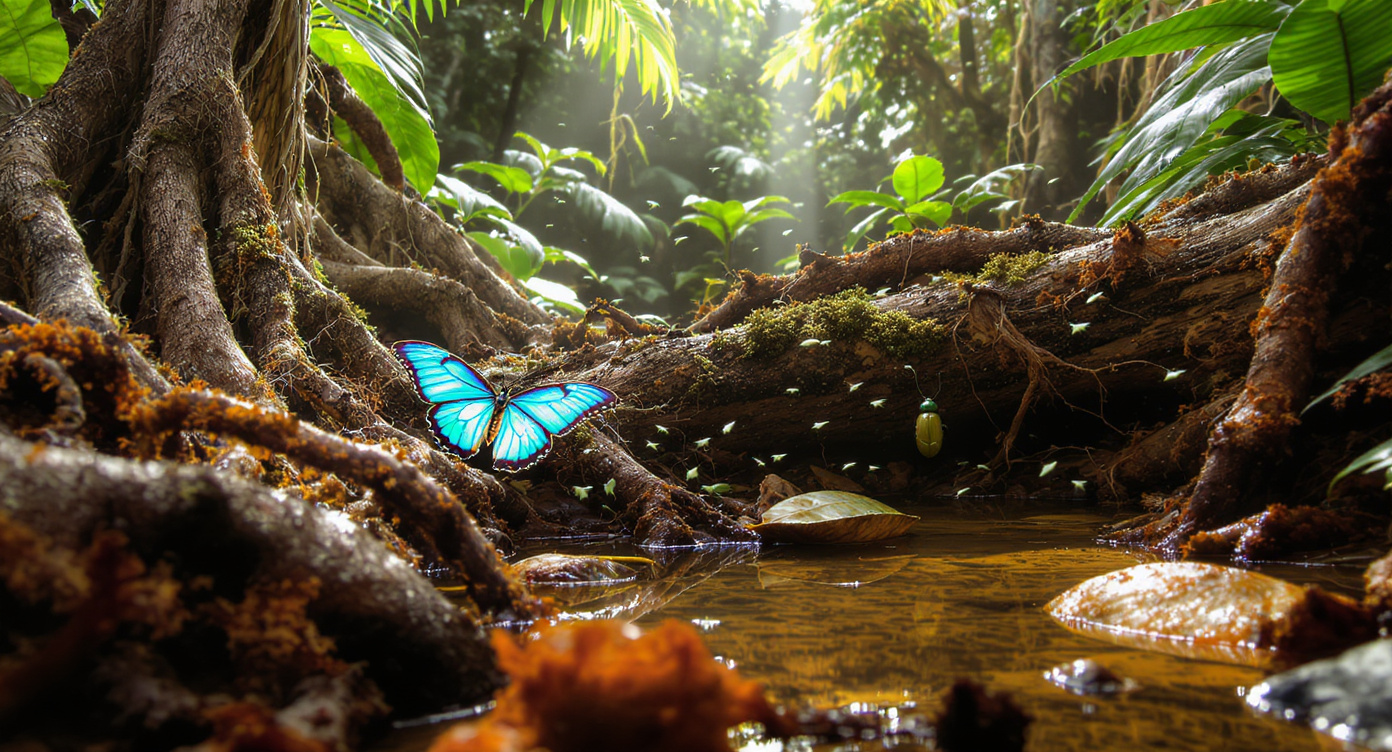
A new study reveals that scientists have identified less than 5% of all terrestrial insect species, and the actual diversity may exceed 20 million species. Most of these insects live in remote tropical forests that are difficult to access.
A new method based on artificial intelligence and satellite data enables highly detailed tracking of ocean currents, including the complex structures of the Gulf Stream. The GOFLOW technology opens up new possibilities for monitoring climate and ecosystems without the need to launch additional satellites.
The article examines how humanity has transformed nature and achieved progress while facing environmental consequences. For a sustainable future, collective efforts and new ways of interacting with the environment are essential.
A new study has shown that plants are capable of absorbing minerals directly from atmospheric dust through their leaves, which is especially important for ecosystems with nutrient-poor soils. In some regions, this aerial pathway provides up to 17% of the nutrients that plants need.
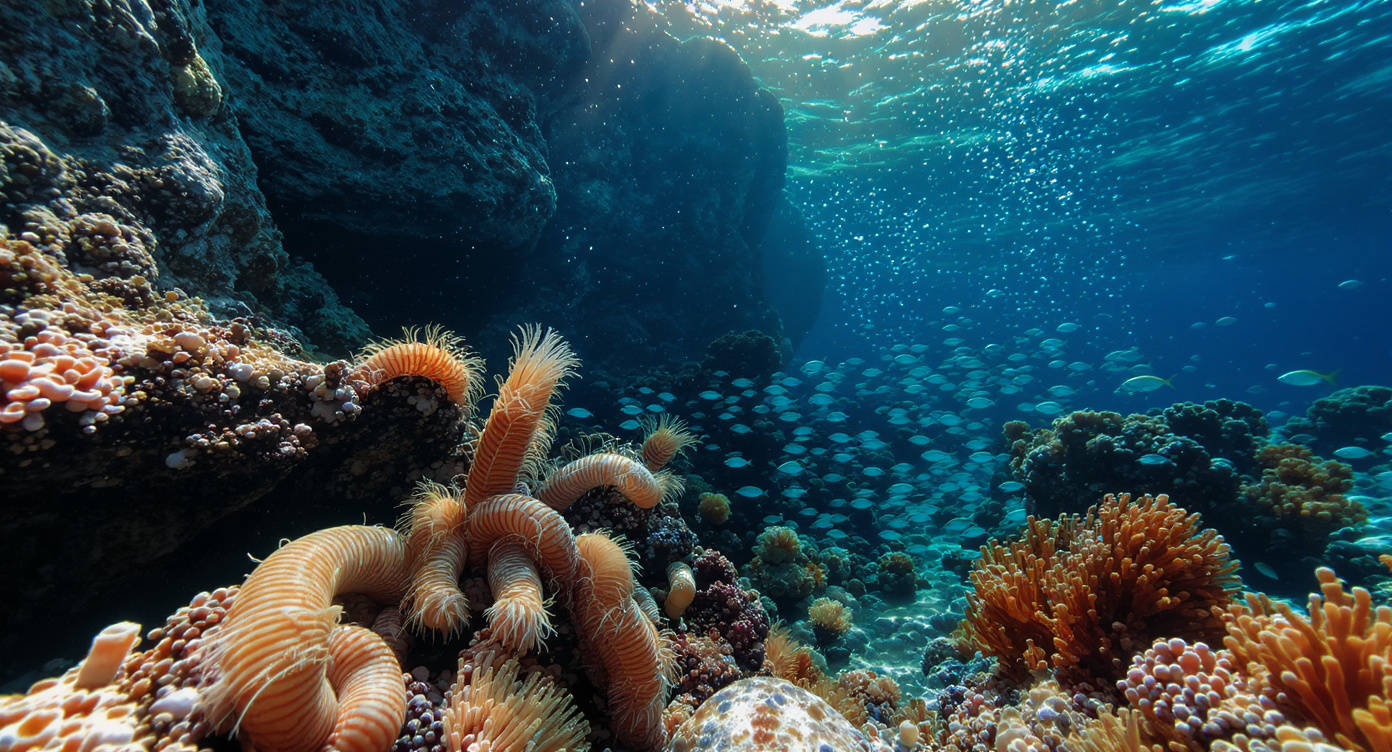
Research organizations are launching a large-scale project to study and catalog European marine annelids, aiming to accelerate the discovery of new species and deepen our understanding of biodiversity. The collected data will be made available to scientists worldwide for further research.
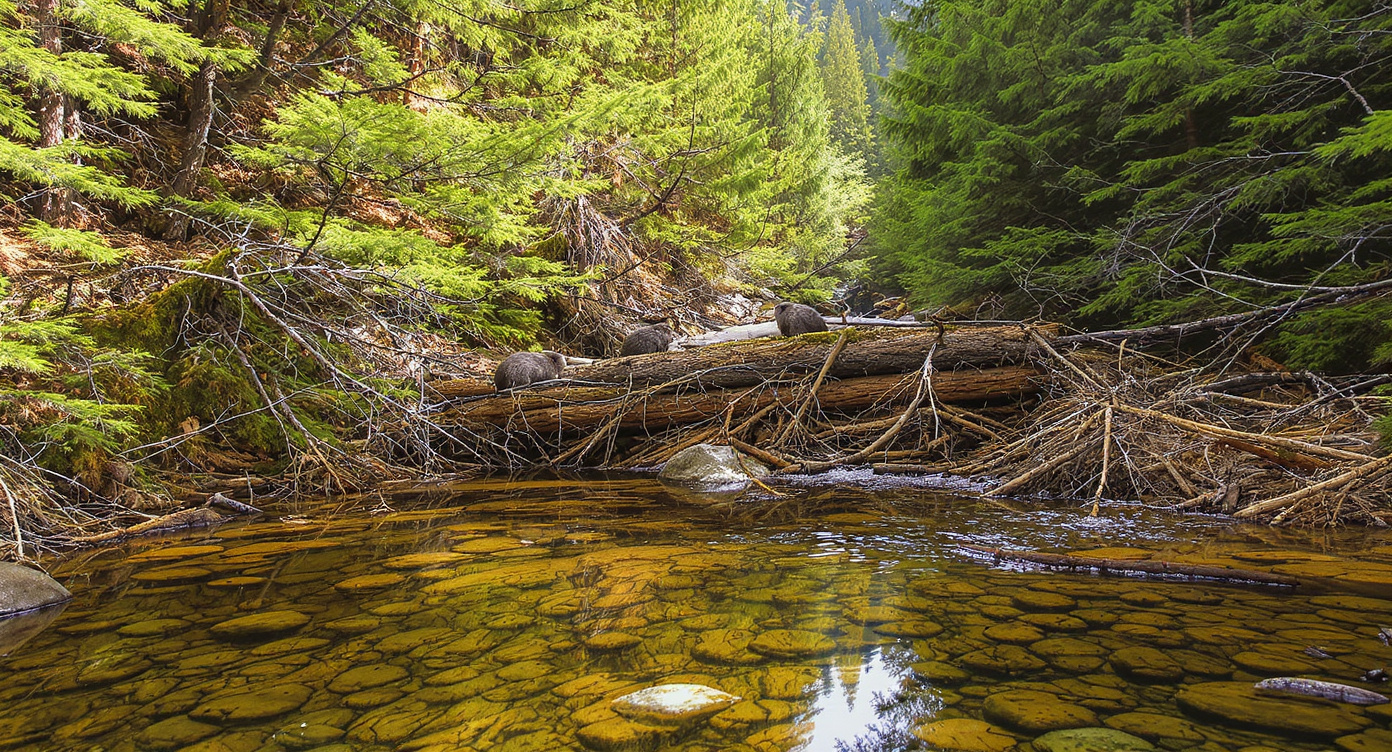
A study has shown that beaver dams enable bodies of water to store nearly 200 times more carbon than ordinary streams, thereby reducing carbon emissions into the atmosphere and oceans. Beavers alter the biogeochemistry of rivers, transforming them into highly effective carbon reservoirs.
A new study has shown that birds, by providing sandy islands with organic fertilizers, help promote the growth of plants that strengthen shorelines and protect them from erosion. This effect is especially important in the context of rising sea levels.
The study found that the aggressive mating behavior of male eastern mosquitofish affects food chains and ecosystem structure by reducing zooplankton populations and altering the balance of algae. These behavioral traits can significantly impact the functioning of freshwater bodies.
A new study has shown that tropical insects have a limited ability to adapt to rising temperatures caused by climate change. This could threaten up to half of the species in regions such as the Amazon and impact entire ecosystems.
A new study has revealed that beneath the surface of the Atacama Desert lies a more resilient and diverse community of soil organisms than previously thought. These findings help us better understand how life adapts to extreme conditions and how climate change may impact the ecosystems of arid regions.
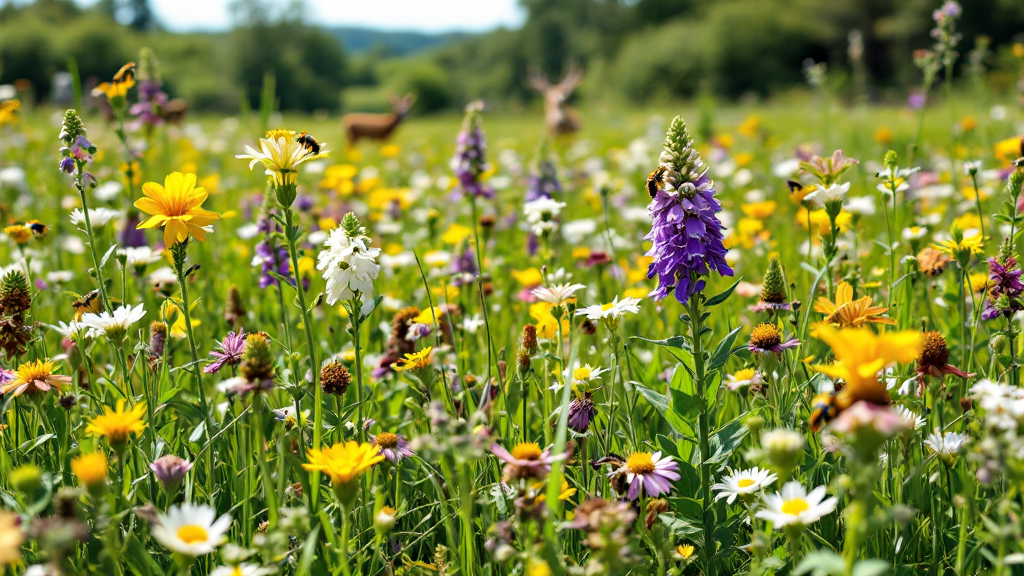
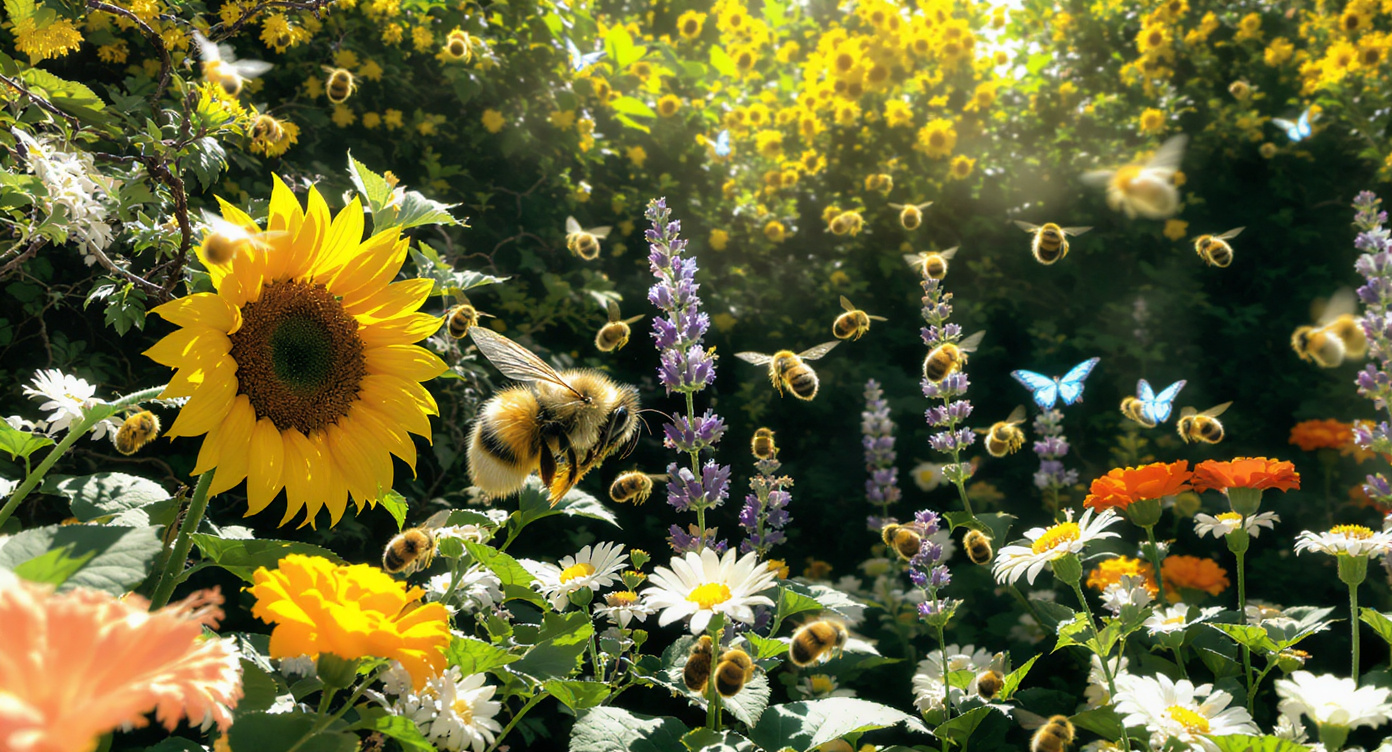
A new study has revealed that there are more than 26,000 species of wild bees on Earth—about a quarter more than previously thought. It may take several more decades to fully describe all these species.

 Agros
Agros