A new study has shown that recent climate changes caused by human activity are weakening the climatic connection between the Indian and Pacific Oceans. This could affect the accuracy of climate forecasts and alter weather patterns in the tropics.
After the mass extinction at the end of the Triassic period, ferns quickly colonized the newly available territories, creating landscapes that contributed to frequent wildfires. Research indicates that this destructive cycle lasted for tens of thousands of years and significantly altered the planet’s ecosystems.
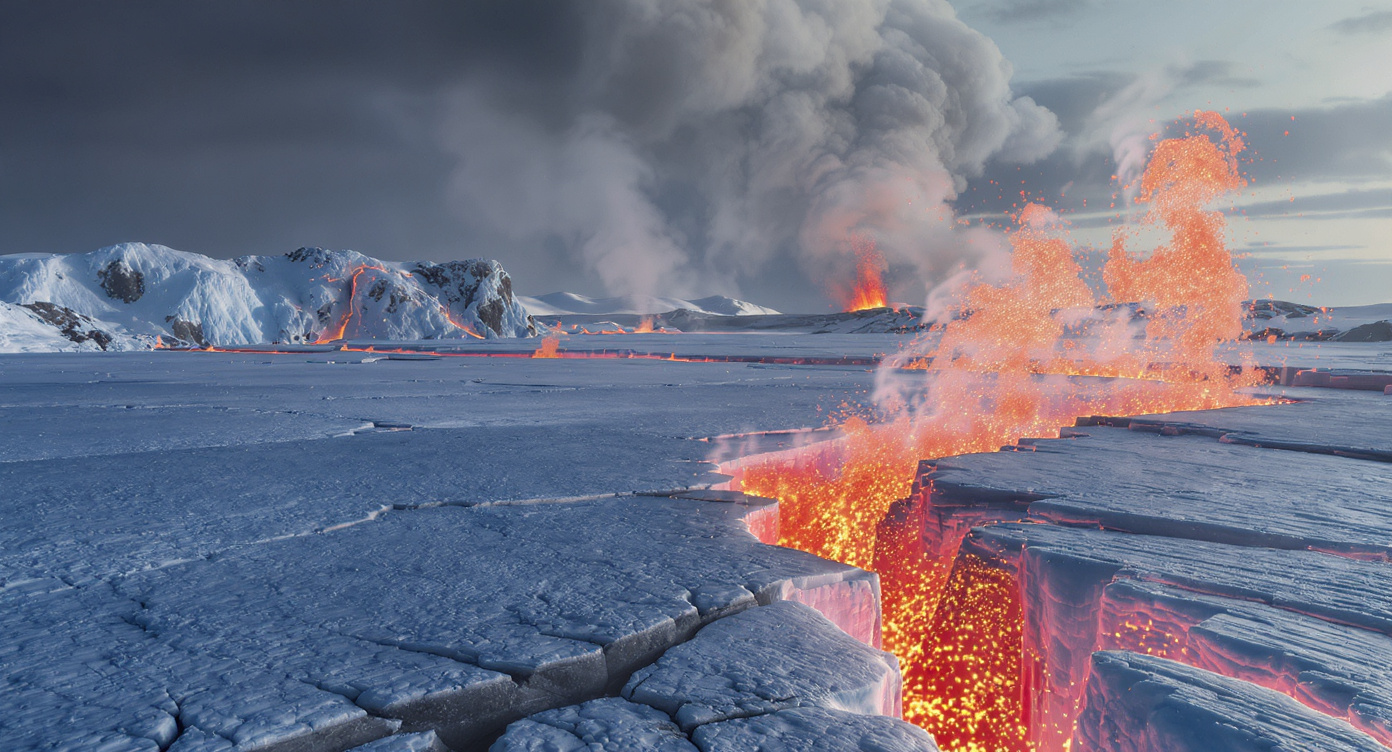
A new study shows that the abrupt cooling during the Younger Dryas period, previously linked to a meteorite impact, was most likely caused by a powerful volcanic eruption in the Northern Hemisphere. These conclusions are based on the analysis of Greenland ice cores and the chemical composition of elements found within them.
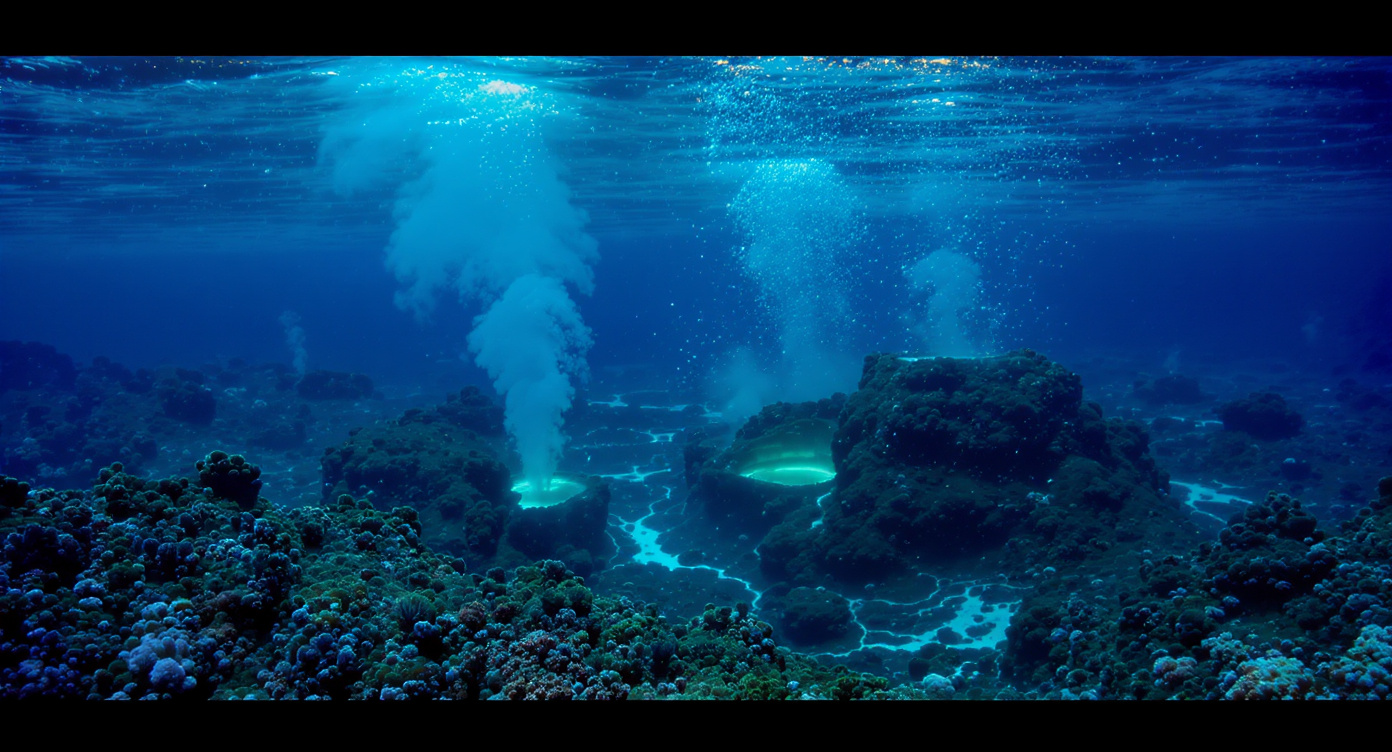
Scientists have discovered an extensive field of hydrothermal vents near the island of Milos, making it one of the largest such systems in the Mediterranean Sea. This discovery changes our understanding of hydrothermal activity in the region and highlights the influence of tectonic processes on the formation of the seafloor.
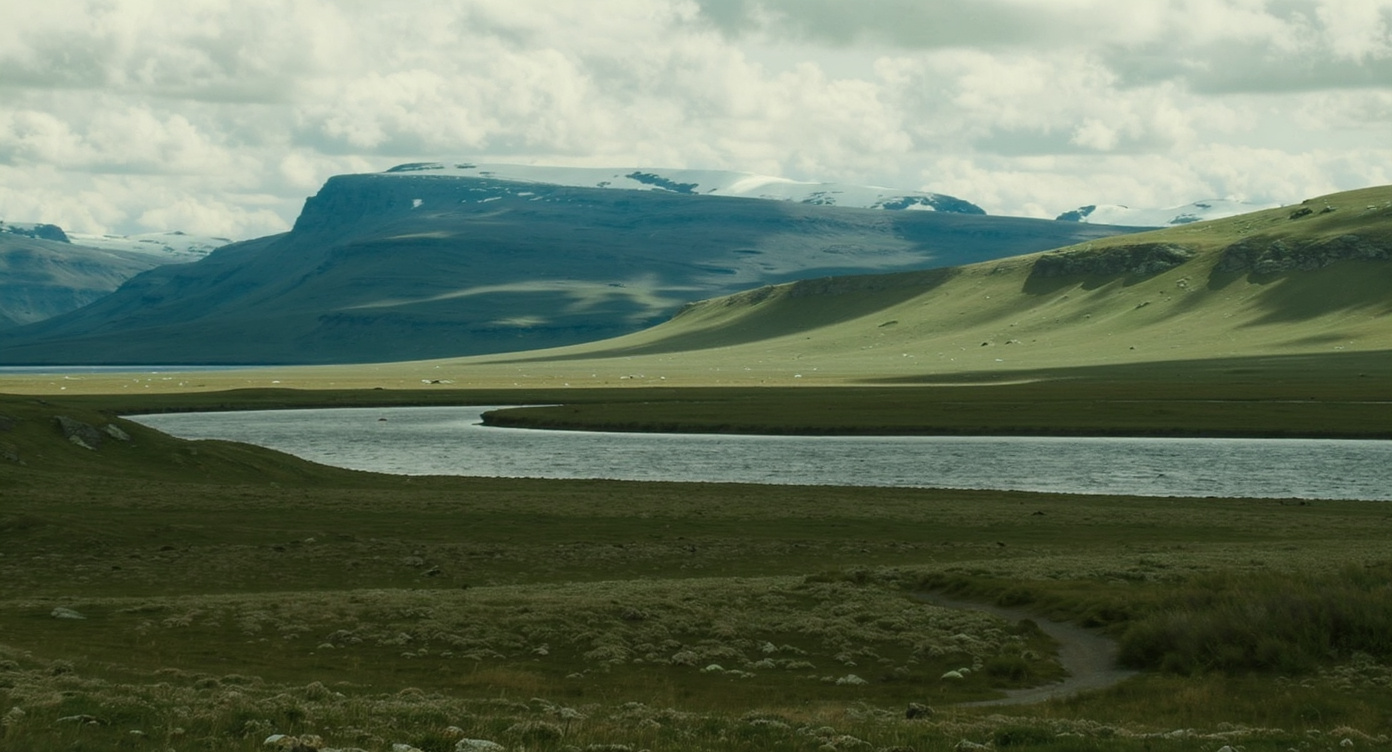
Researchers have developed detailed 3D models of temperature distributions beneath Greenland, which helps to better understand the region's formation and the ice sheet's response to climate change. This data improves predictions of ice loss and rising sea levels.


 Natura