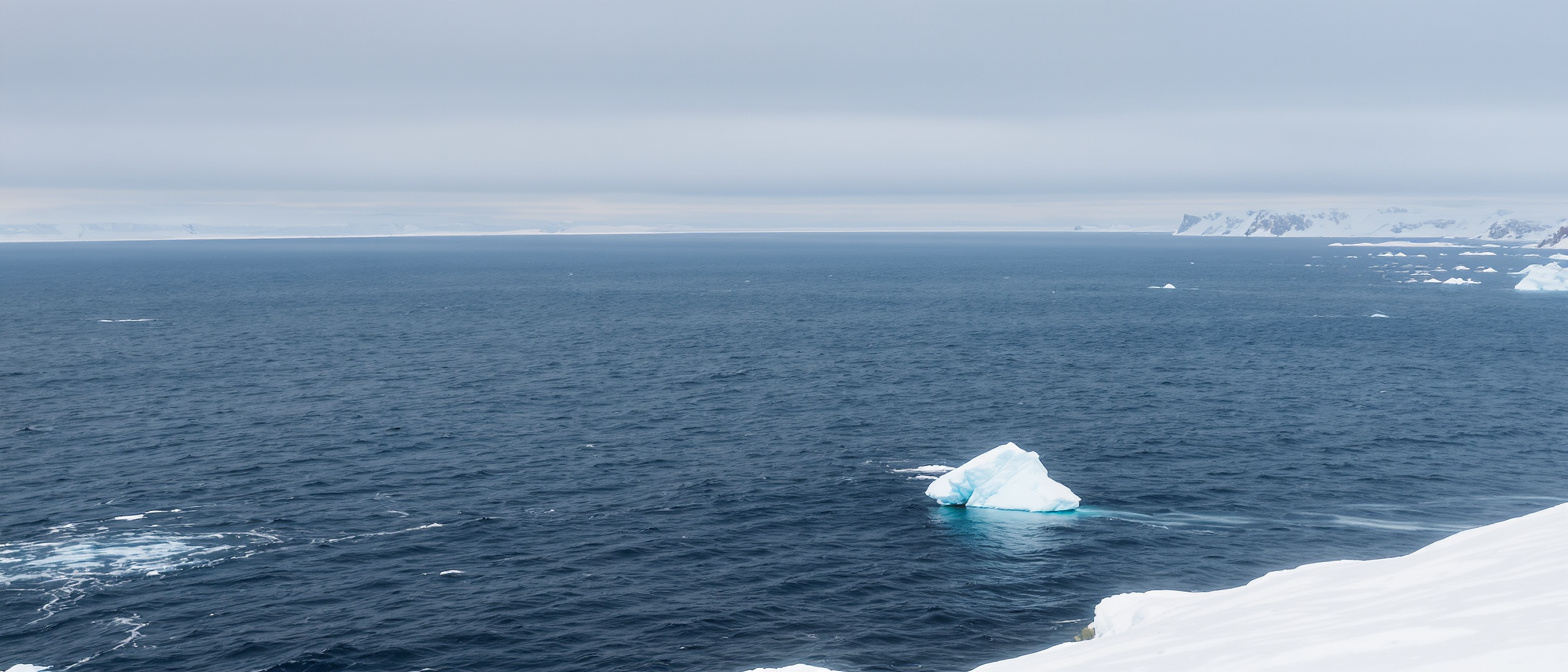
A large iceberg with an area of 76 km² has broken off from the Petermann Glacier in Greenland—the largest since 2012. Scientists continue to monitor the glacier and the possibility of new calving events using Sentinel-1 satellites.
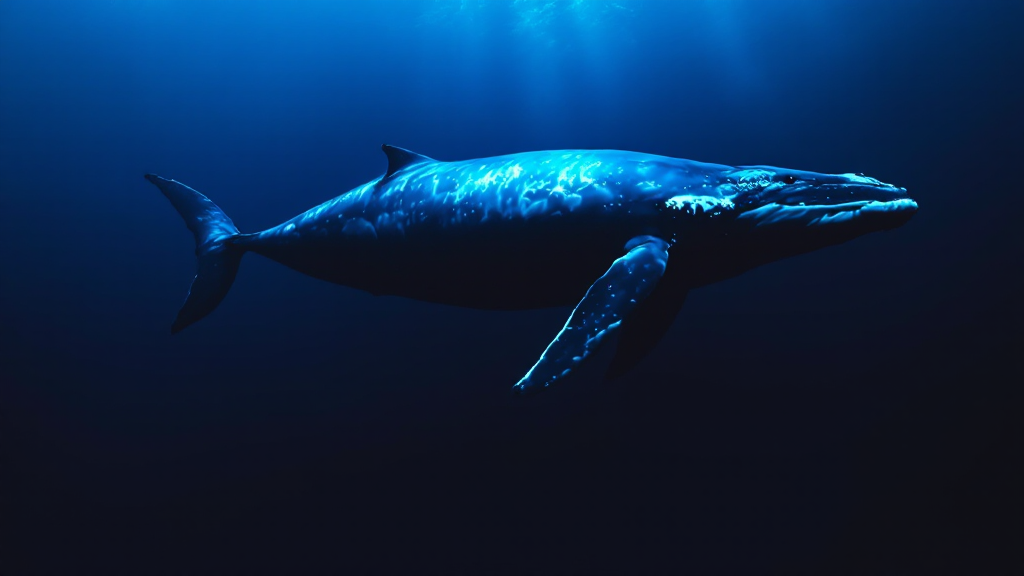
Due to warming and the reduction of ice cover, large groups of baleen whales have begun to migrate en masse to the coast of East Greenland, where they now spend the summer and consume up to a million tons of fish and krill. The study notes that these changes are creating new food chains and transforming the Arctic ecosystem.
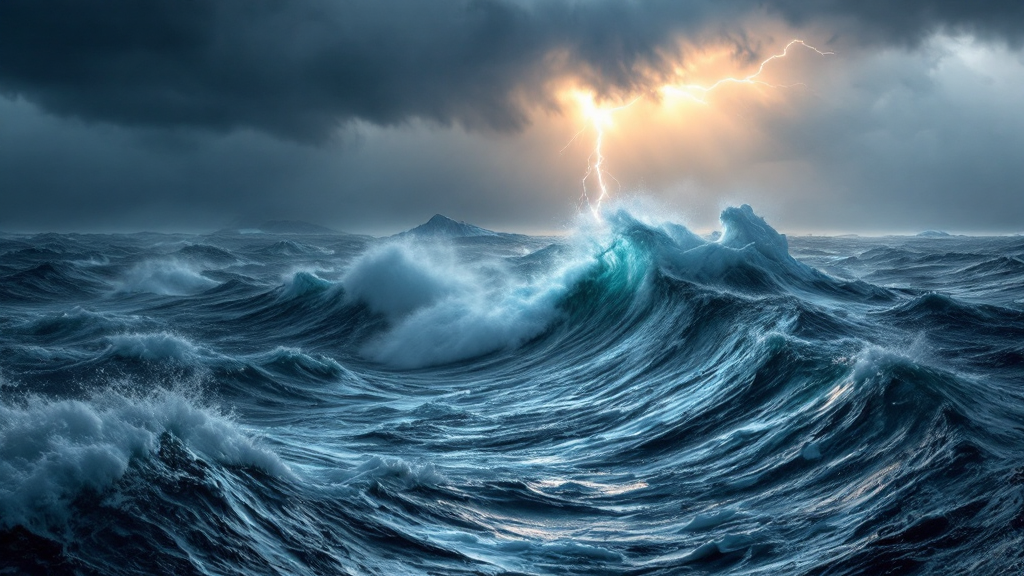
Slowing of the major Atlantic Ocean current could intensify storms along the California coast and reduce snowfall in Greenland. A new study highlights how changes in the ocean can impact extreme weather events and water resources across different continents.
A new study has revealed that the Prudhoe Dome ice cap in Greenland completely melted about 7,000 years ago due to a slight warming. This data helps scientists make more accurate predictions about the risks of ice melt and future sea level rise.
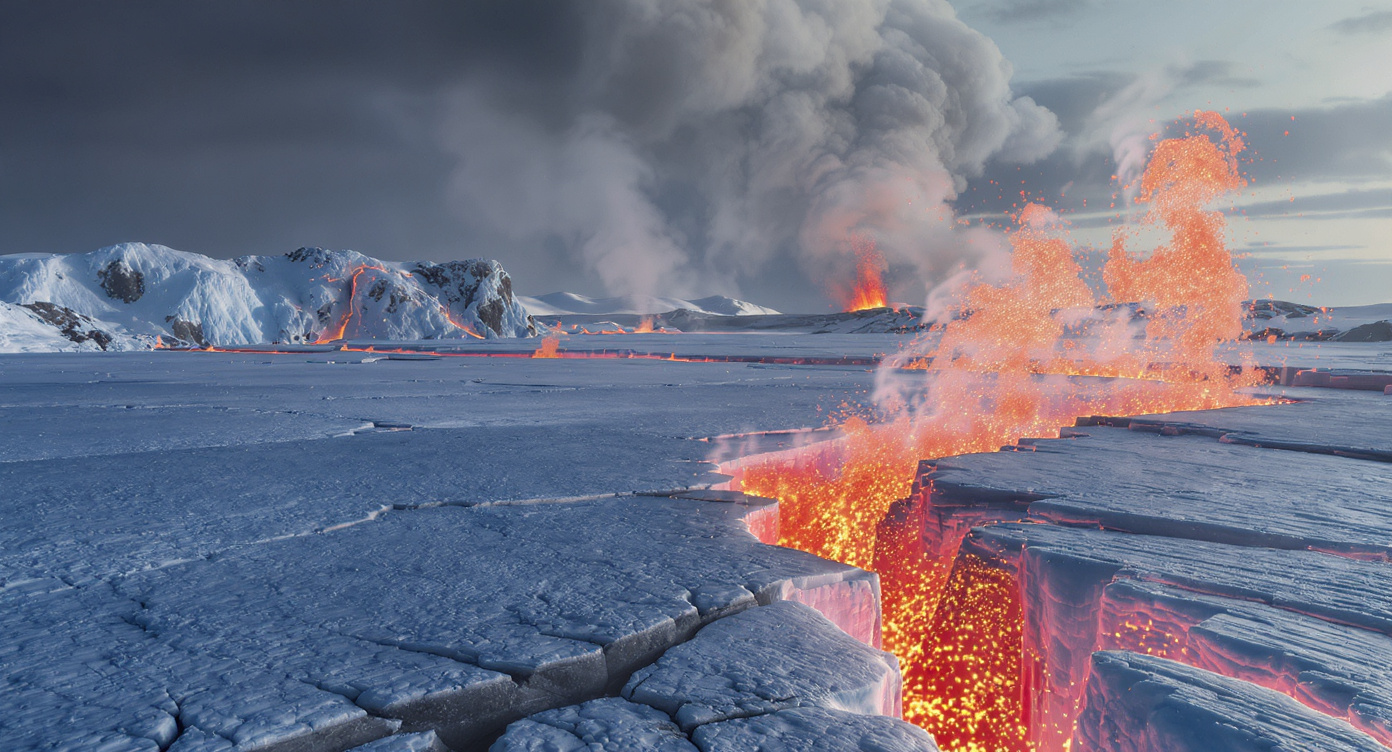
A new study shows that the abrupt cooling during the Younger Dryas period, previously linked to a meteorite impact, was most likely caused by a powerful volcanic eruption in the Northern Hemisphere. These conclusions are based on the analysis of Greenland ice cores and the chemical composition of elements found within them.
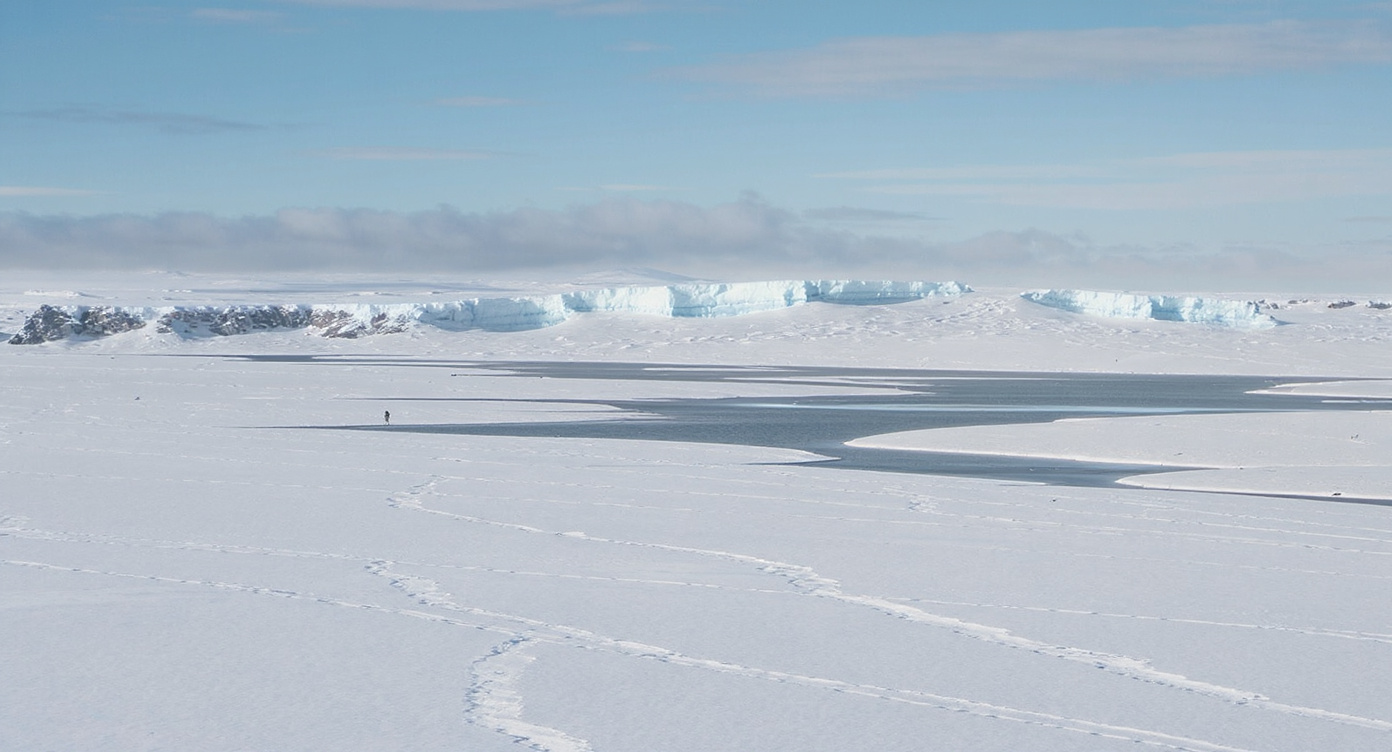
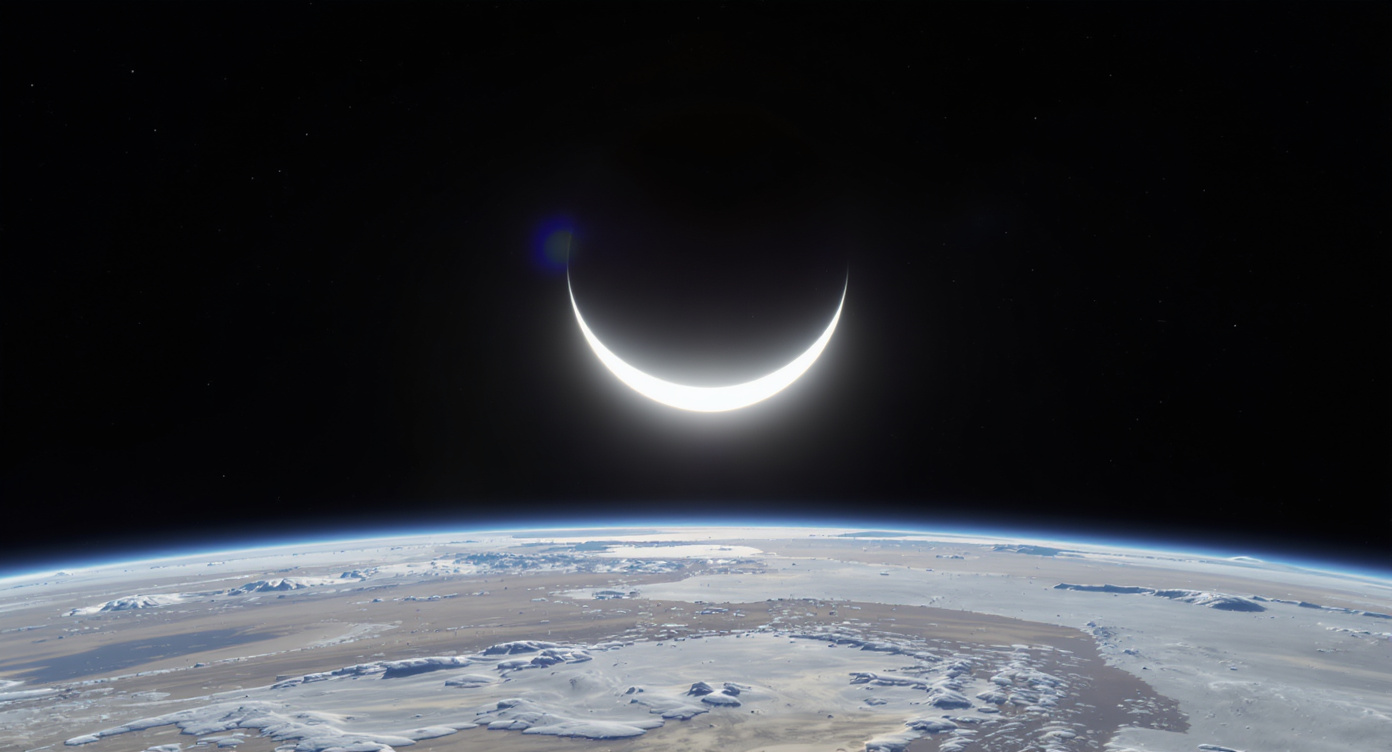
In February 2026, a solar eclipse over Antarctica was captured only by satellites, as the phenomenon was visible solely in a remote area. Later that year, more solar and lunar eclipses are expected, which will be observable by people living on different continents.
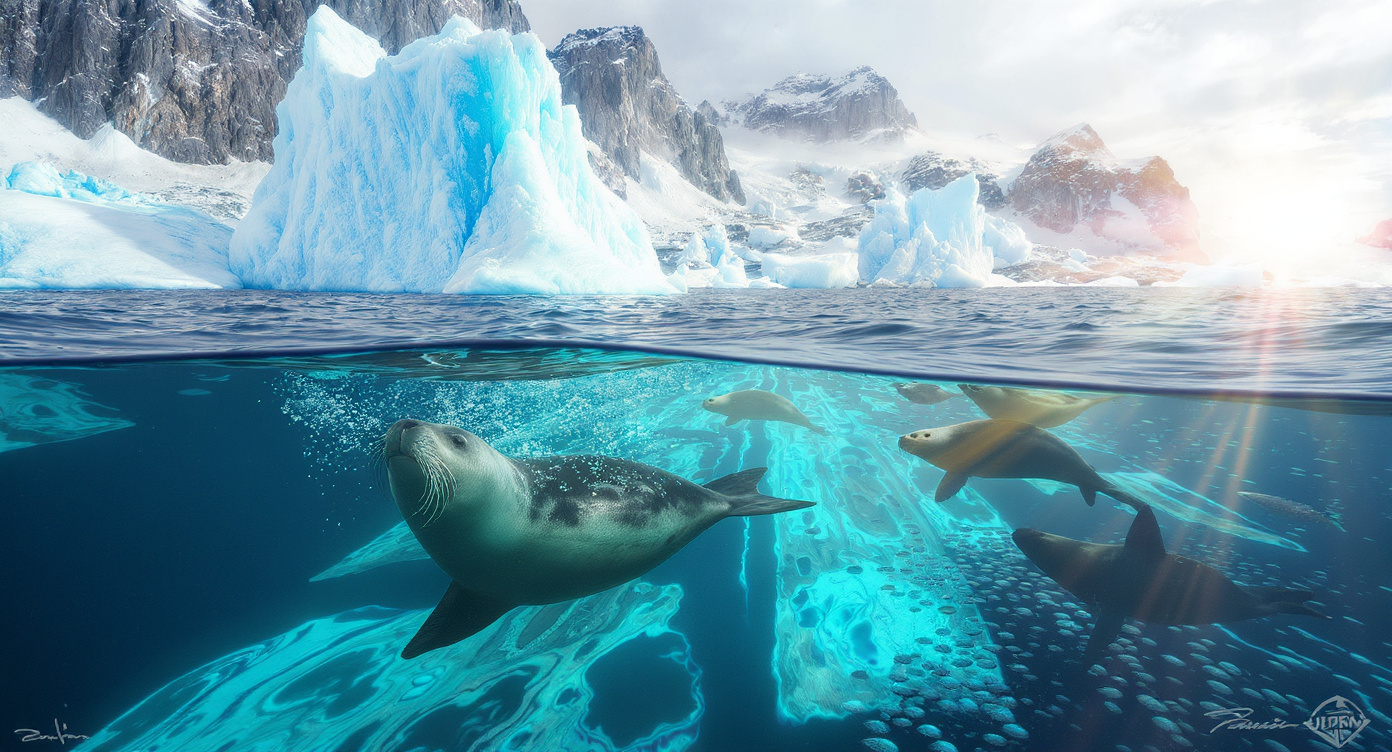
The rapid melting of Greenland's glaciers is causing the loss of rich feeding grounds for ringed seals, forcing them to switch to less nutritious food and search for new habitats. This change affects their physical condition and chances of survival.
Scientists have discovered that the ice dome in northwestern Greenland completely disappeared about 7,000 years ago due to warming. The study warns that a similar scenario could happen again in the future.
Researchers have developed detailed 3D models of temperature distributions beneath Greenland, which helps to better understand the region's formation and the ice sheet's response to climate change. This data improves predictions of ice loss and rising sea levels.
A new study has shown that persistent cooling south of Greenland is linked to a weakening of the Atlantic Meridional Overturning Circulation, which could significantly impact the climate of Europe and North America.

 Natura