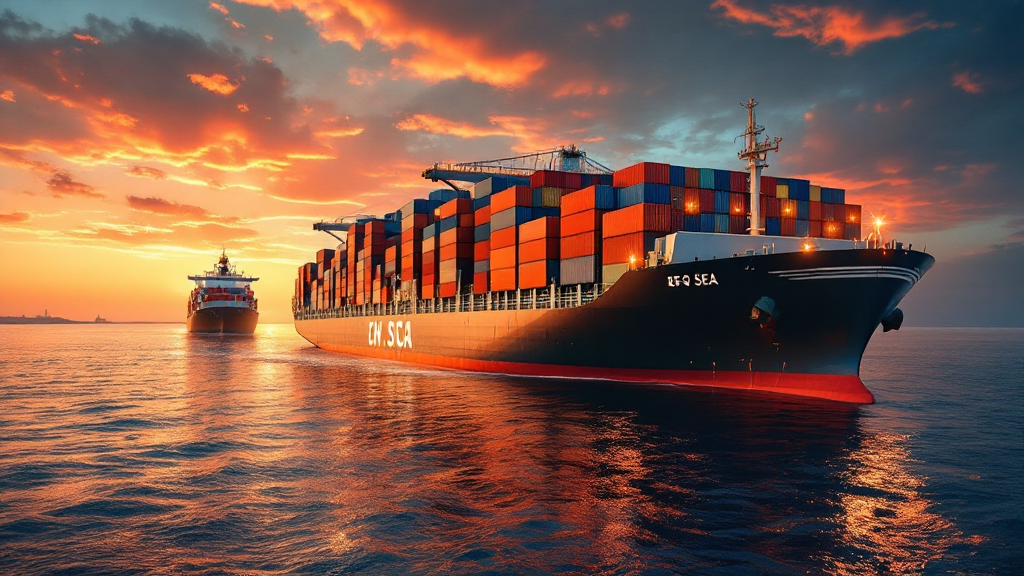
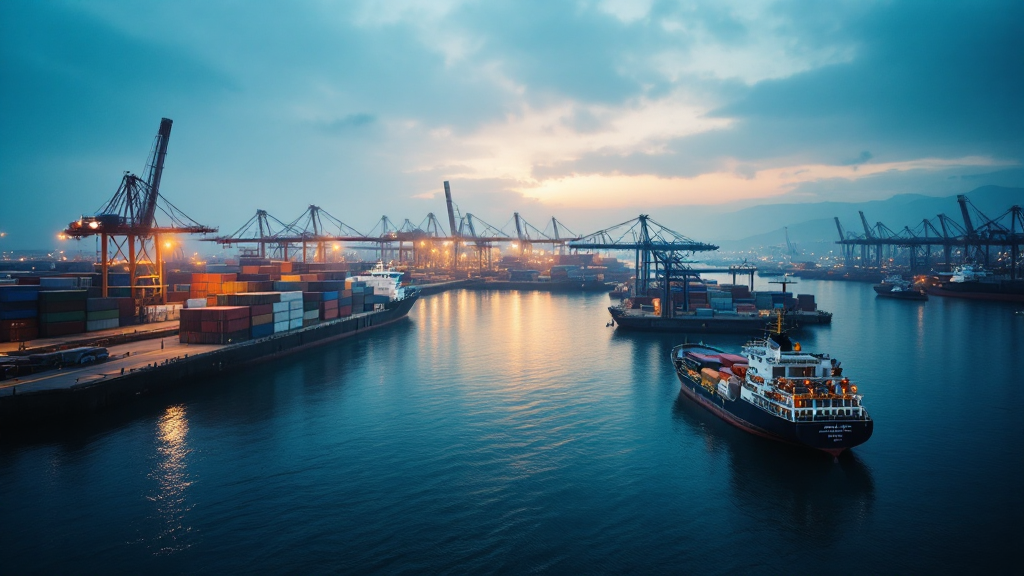
The South Korean shipping industry is intensifying competition in the Asian market, where growing demand for container transport is driven by the expansion of manufacturing and logistics networks in Southeast Asia. Major carriers like HMM are increasing their fleets and developing regional routes to strengthen their positions amid the rapidly evolving transportation infrastructure of the region.
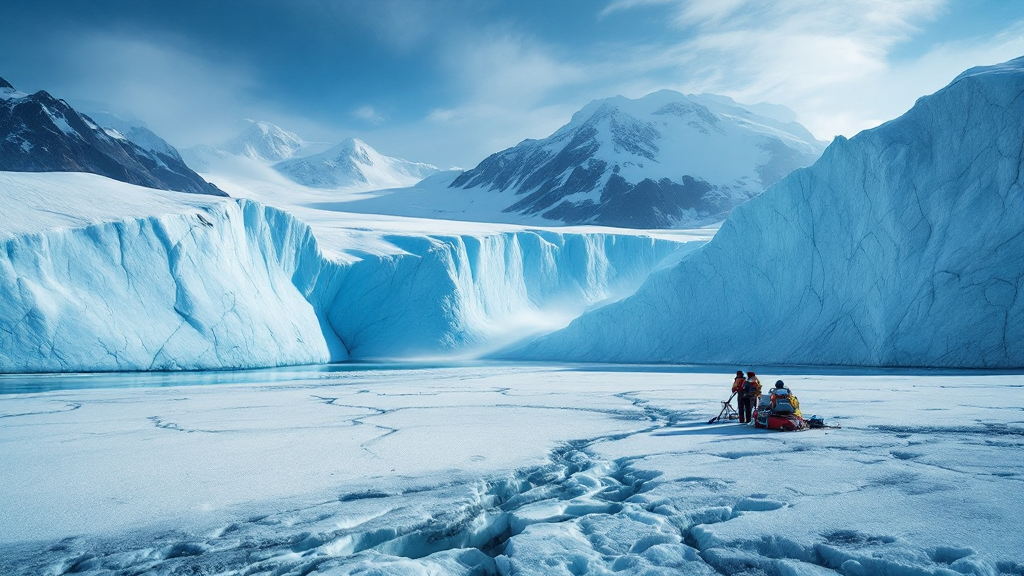
A large iceberg with an area of 76 km² has broken off from the Petermann Glacier in Greenland—the largest since 2012. Scientists continue to monitor the glacier and the possibility of new calving events using Sentinel-1 satellites.
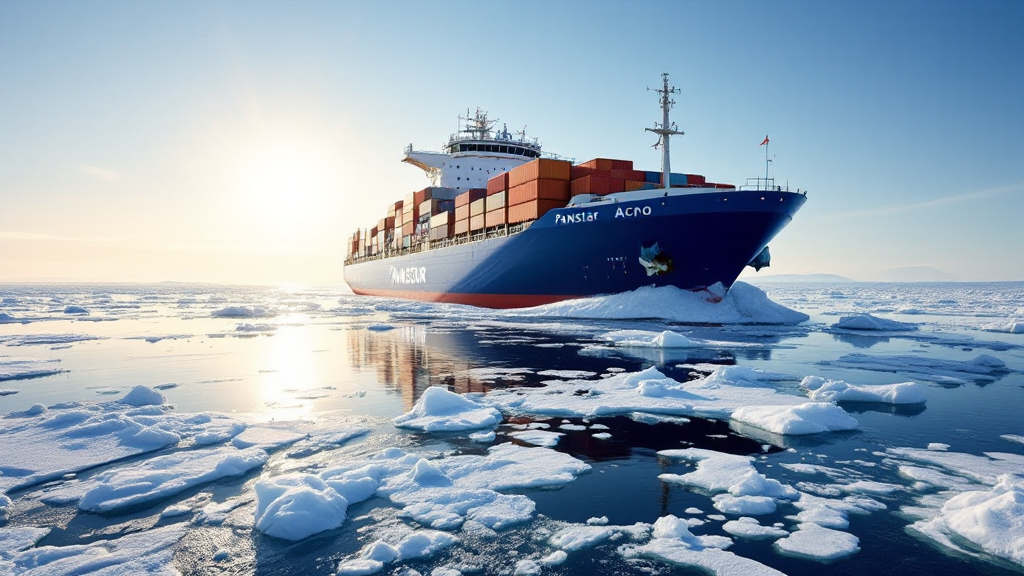
South Korean company Panstar Line has acquired a container ship to launch its first voyage along the Northern Sea Route, offering an alternative shipping corridor between Asia and Europe. The company expects strong interest from cargo shippers in this new service amid ongoing geopolitical changes affecting traditional maritime routes.
Despite restrictions and ongoing instability in the Middle East, container ships continue to pass through the Red Sea, and demand for charter vessels remains high. Carriers are seeking alternative routes to keep trade flowing in the region.
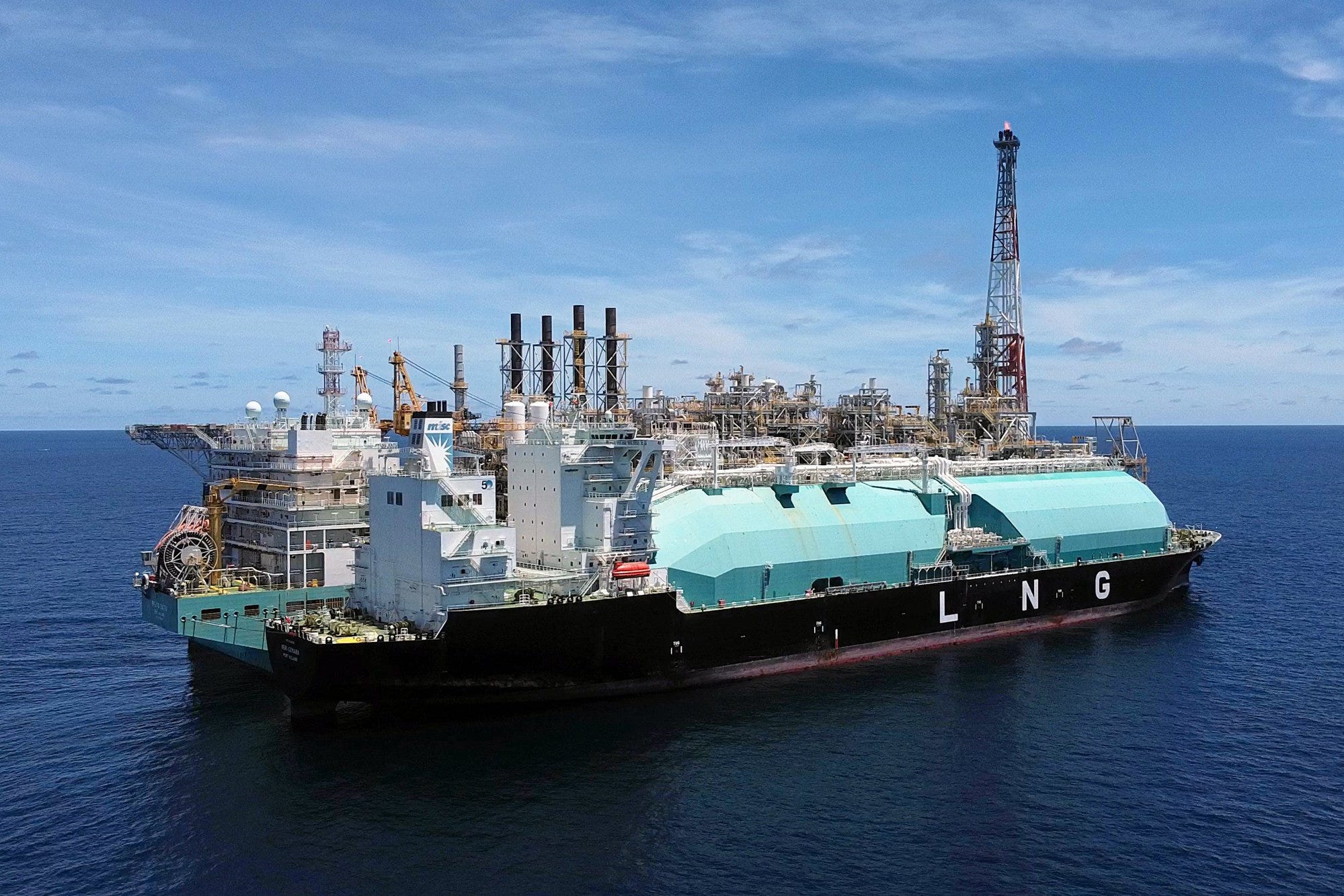
GTT Marine has signed a contract to equip Petronas' LNG carrier fleet with digital solutions aimed at improving efficiency, controlling costs, and reducing emissions. The agreement also includes support for future fleet expansion.
The Singaporean company SeaLead has faced significant restrictions after the United States imposed sanctions on its vessels for allegedly supporting Iranian interests. As a result, the carrier's fleet has been reduced by more than three times.
Global container shipping leader MSC is investing in the Indian port of Vizhinjam, acquiring a 49% stake in the key Adani Ports project. This partnership will enable the port’s container throughput to nearly quadruple by 2028 and strengthen its position as a leading hub in the Indian Ocean.
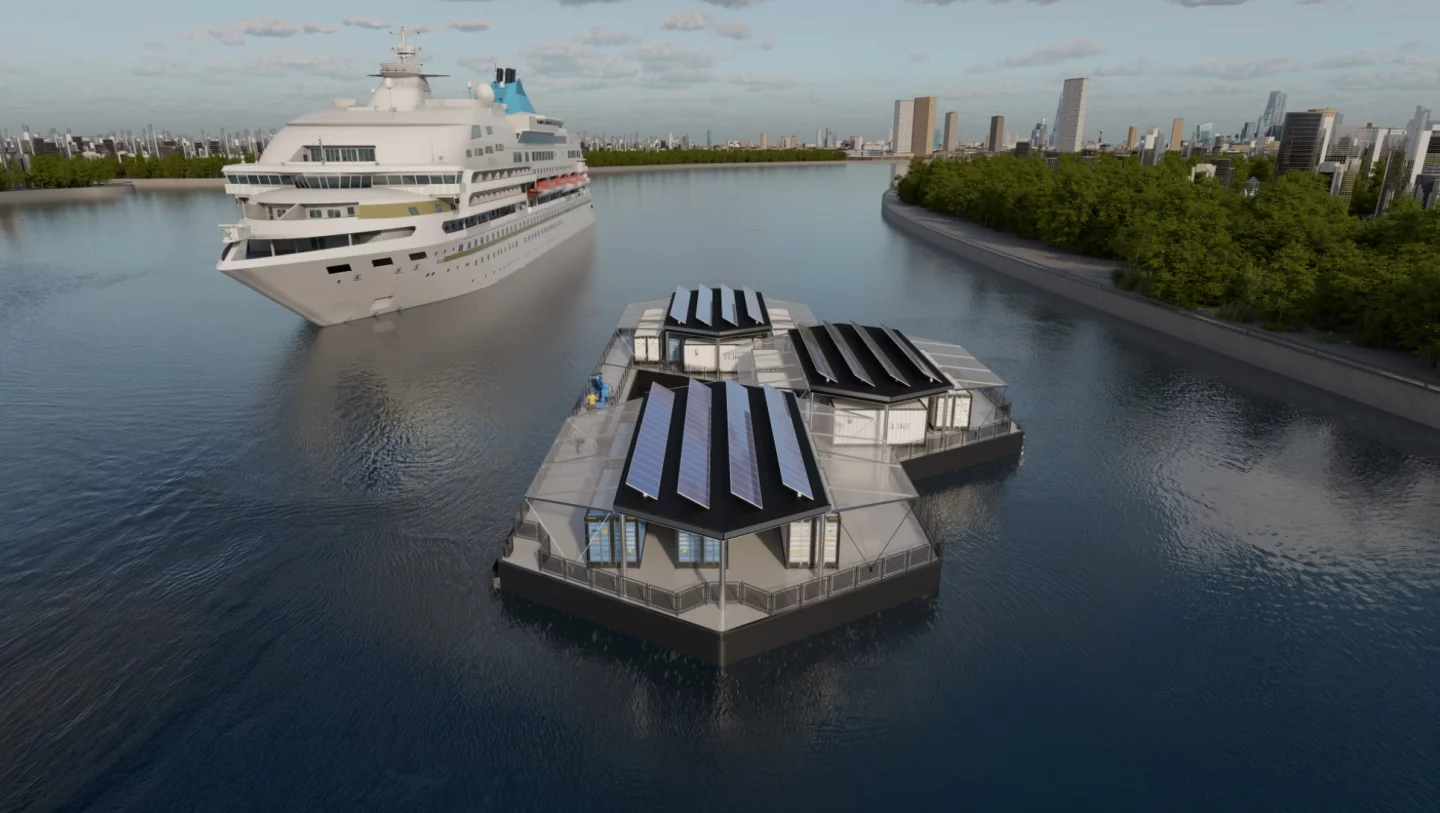
A British company has introduced a modular floating hydrogen platform that supplies ships with clean energy without the need to rebuild port infrastructure. This solution can reduce CO2 emissions by 77% compared to diesel generators, although it is more expensive than traditional energy sources.
Проект NuProShip II исследует возможность оснащения крупных коммерческих судов ядерными реакторами нового поколения для снижения выбросов и повышения автономности морского транспорта. Внедрение таких технологий требует новых стандартов безопасности и инфраструктуры, но может стать ключом к экологически чистому судоходству.
A new study has shown that switching shipping to cleaner fuels has reduced the impact of emissions on cloud formation by about 67%. This data will help refine climate models and environmental regulations.

 Vectus