Seven OPEC+ countries have decided to keep oil production levels unchanged for October amid ongoing geopolitical tensions and challenges in the Persian Gulf region. Against this backdrop, global oil prices continue to rise.
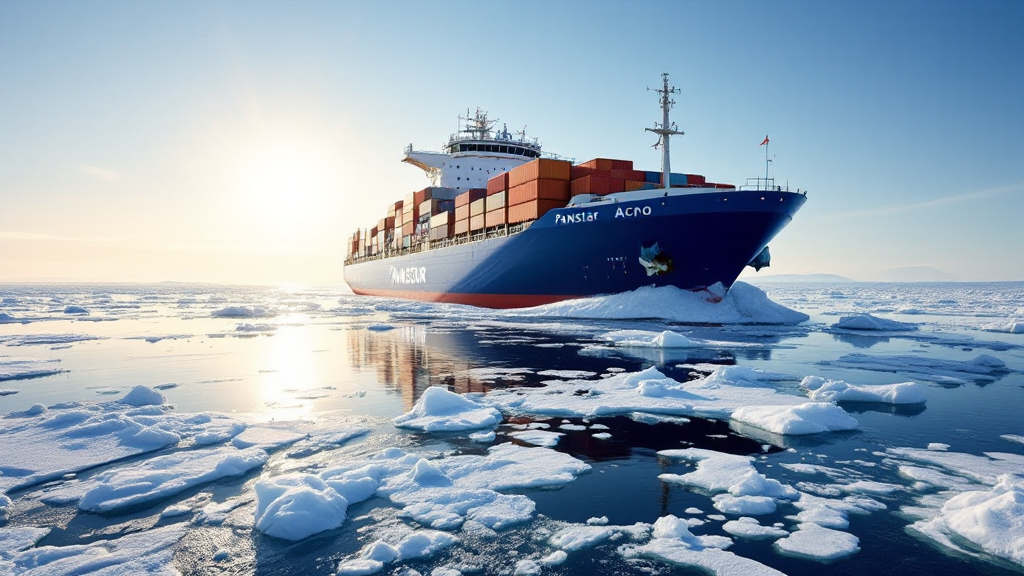
South Korean company Panstar Line has acquired a container ship to launch its first voyage along the Northern Sea Route, offering an alternative shipping corridor between Asia and Europe. The company expects strong interest from cargo shippers in this new service amid ongoing geopolitical changes affecting traditional maritime routes.
The air cargo market is facing a decline in spot rates and rising fuel costs amid geopolitical changes. However, carriers continue to invest in new routes and fleet expansion, indicating that demand remains strong.
Japan is strengthening its position in the Asian liquefied natural gas market by diversifying supply sources and expanding regional cooperation. Despite geopolitical instability, the country continues to play a leading role in ensuring the region's energy security.
Norwegian company Equinor significantly exceeded analysts' profit expectations in the second quarter, driven by rising oil and gas prices as well as improvements in production processes. Output increased by 3%, while key projects and deals further strengthened the company's market position.
The Central Bank of Turkey has revised its inflation forecasts due to geopolitical instability and rising prices, opting not to publish forecast ranges. The new target for the end of 2026 is 24%, while expectations for the end of the current year are approaching 26%.
ECB Governing Council member Joachim Nagel expressed support for the bank’s current strategy and noted readiness to raise rates if necessary. He emphasized that persistent inflation and ongoing geopolitical tensions require a cautious approach.
The Central Bank of Uzbekistan has kept its key interest rate at 14%, while adopting a more hawkish tone due to persistent inflationary pressures and rising external risks. The institution does not rule out the possibility of further tightening its policy.
This year, Sweden is expected to see a significant decrease in inflation, aided by a temporary reduction in VAT on food products. Overall, economic indicators are in line with expectations, despite ongoing geopolitical uncertainty.


 Petrus