The South Korean shipping industry is intensifying competition in the Asian market, where growing demand for container transport is driven by the expansion of manufacturing and logistics networks in Southeast Asia. Major carriers like HMM are increasing their fleets and developing regional routes to strengthen their positions amid the rapidly evolving transportation infrastructure of the region.
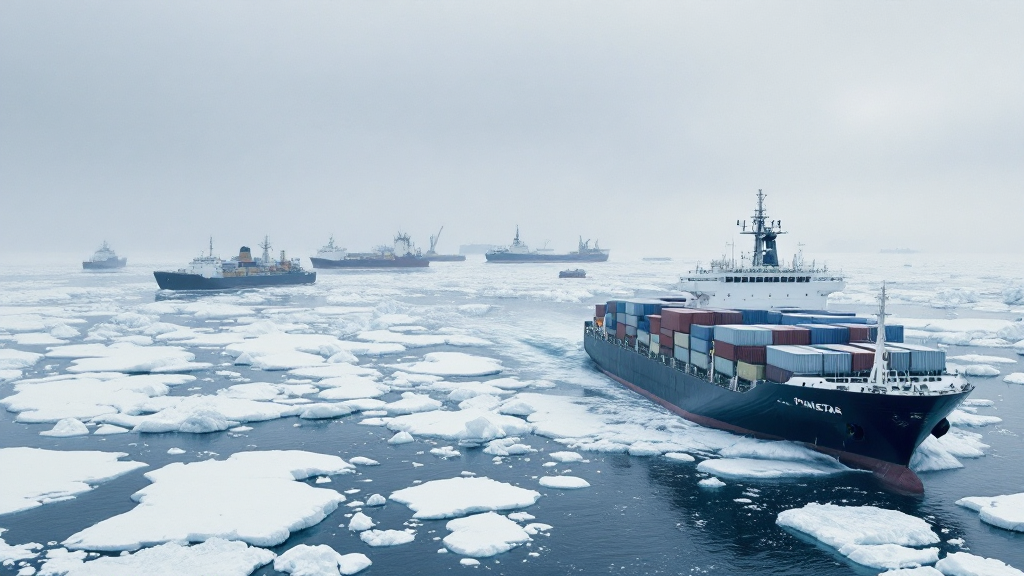
South Korea plans to launch regular Arctic container shipping routes by 2030, but faces a lack of interest from shipping companies due to high costs and low cargo volumes. Despite subsidies and trial voyages, the project has yet to attract participants.
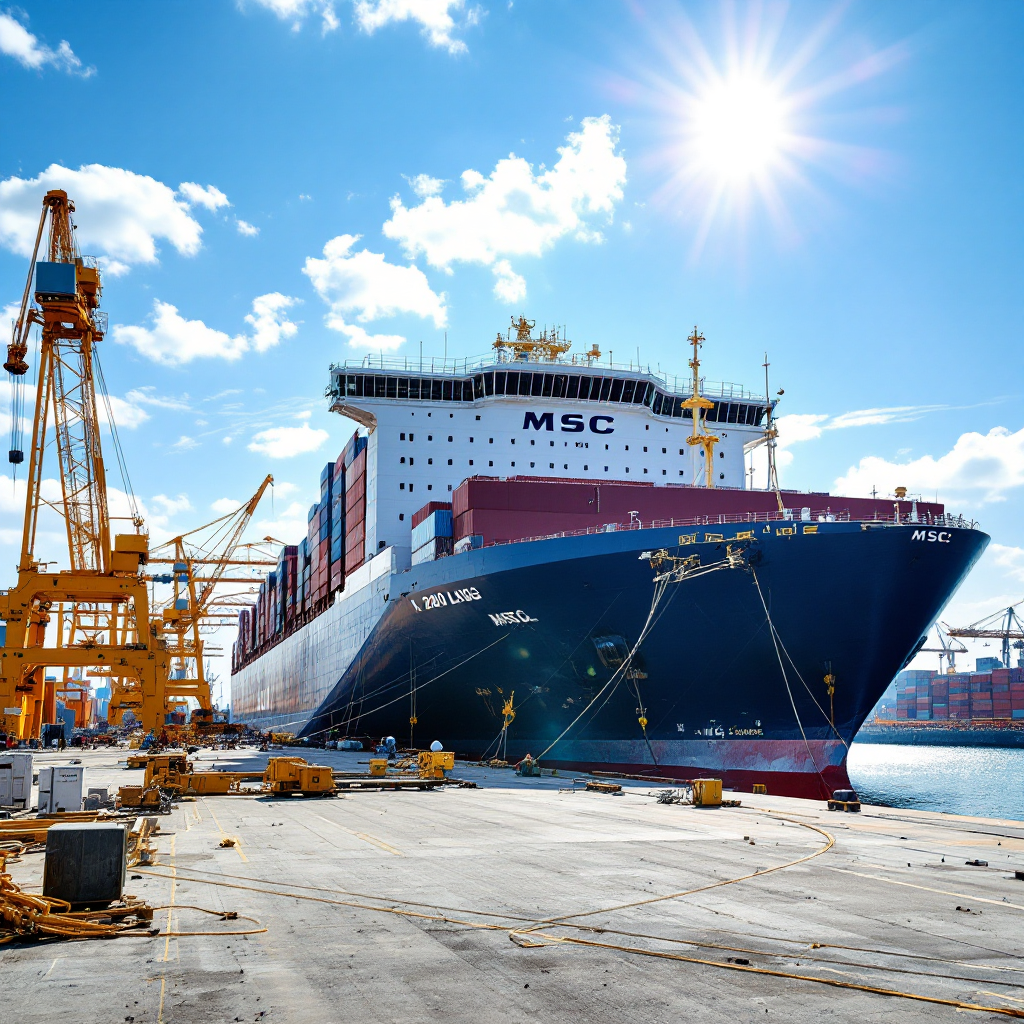
MSC places orders for 20 new ultra-large container ships at the Hengli shipyard in China, continuing to expand and standardize its fleet. The new vessels will increase the company’s total capacity and support its strategy to optimize shipping operations.
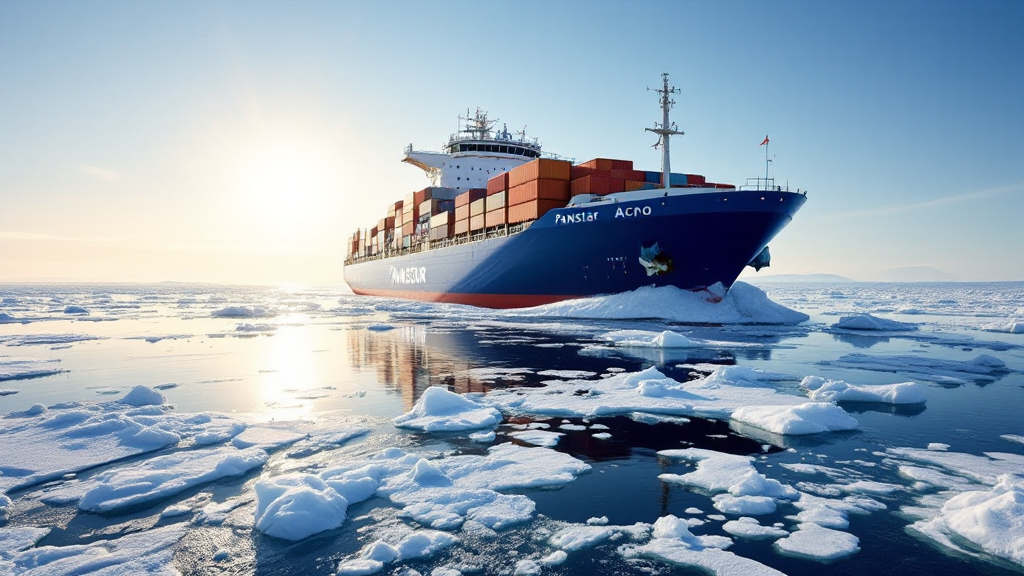
South Korean company Panstar Line has acquired a container ship to launch its first voyage along the Northern Sea Route, offering an alternative shipping corridor between Asia and Europe. The company expects strong interest from cargo shippers in this new service amid ongoing geopolitical changes affecting traditional maritime routes.
Freight rates for road carriers are once again soaring amid a surge in Chinese electric vehicle exports. The strong demand for transportation is driving new vessel orders and attracting fresh players to the market.
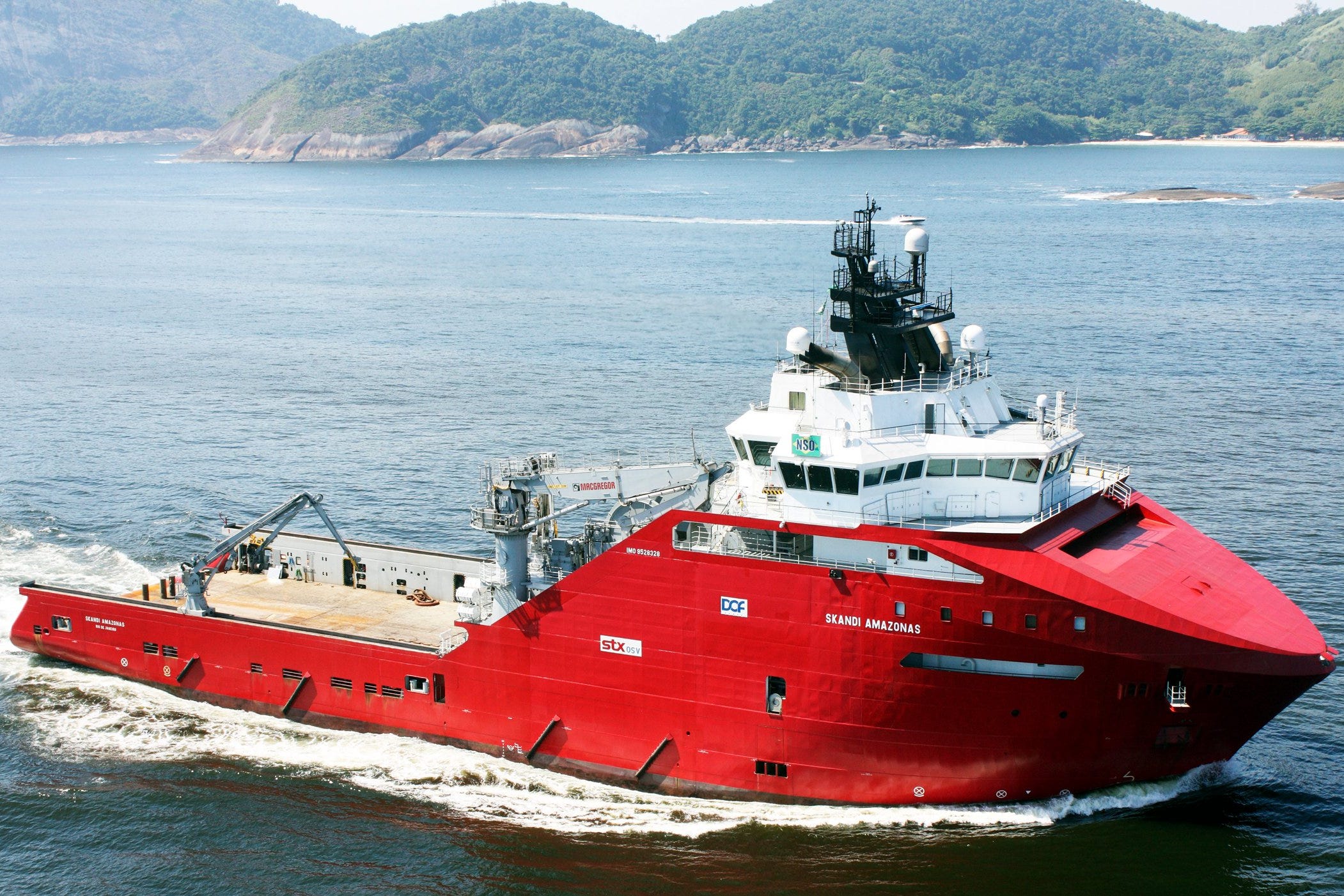
The vessel Skandi Amazonas, owned by DOF Subsea, has been declared a total loss following an accident off the coast of Brazil. No injuries were reported. The company also announced the sale and purchase of vessels as part of its fleet optimization strategy.
South Korean shipping company HMM is investing $19.7 billion to expand its container and bulk carrier fleet by 2030, and will also modernize its terminal in Tacoma to increase capacity. The company aims to strengthen its position in both ocean and coastal shipping markets by utilizing a hub-and-spoke model.
In recent weeks, the volume of shipments along the East-West routes has increased thanks to the introduction of new large container ships. Major shipping companies have acquired modern vessels to serve the Asia-Europe routes and other international lines.
The Singaporean company SeaLead has faced significant restrictions after the United States imposed sanctions on its vessels for allegedly supporting Iranian interests. As a result, the carrier's fleet has been reduced by more than three times.
MSC размещает заказы на 20 новых ультра-больших контейнеровозов на верфи Hengli в Китае, продолжая расширять и стандартизировать свой флот. Новые суда увеличат общую вместимость компании и поддержат стратегию оптимизации перевозок.
During a visit to France and the United Kingdom, the creation of an international mission was announced to restore navigation and de-escalate tensions in the Strait of Hormuz. Iran opposed the intervention, emphasizing its right to ensure the security of the region.
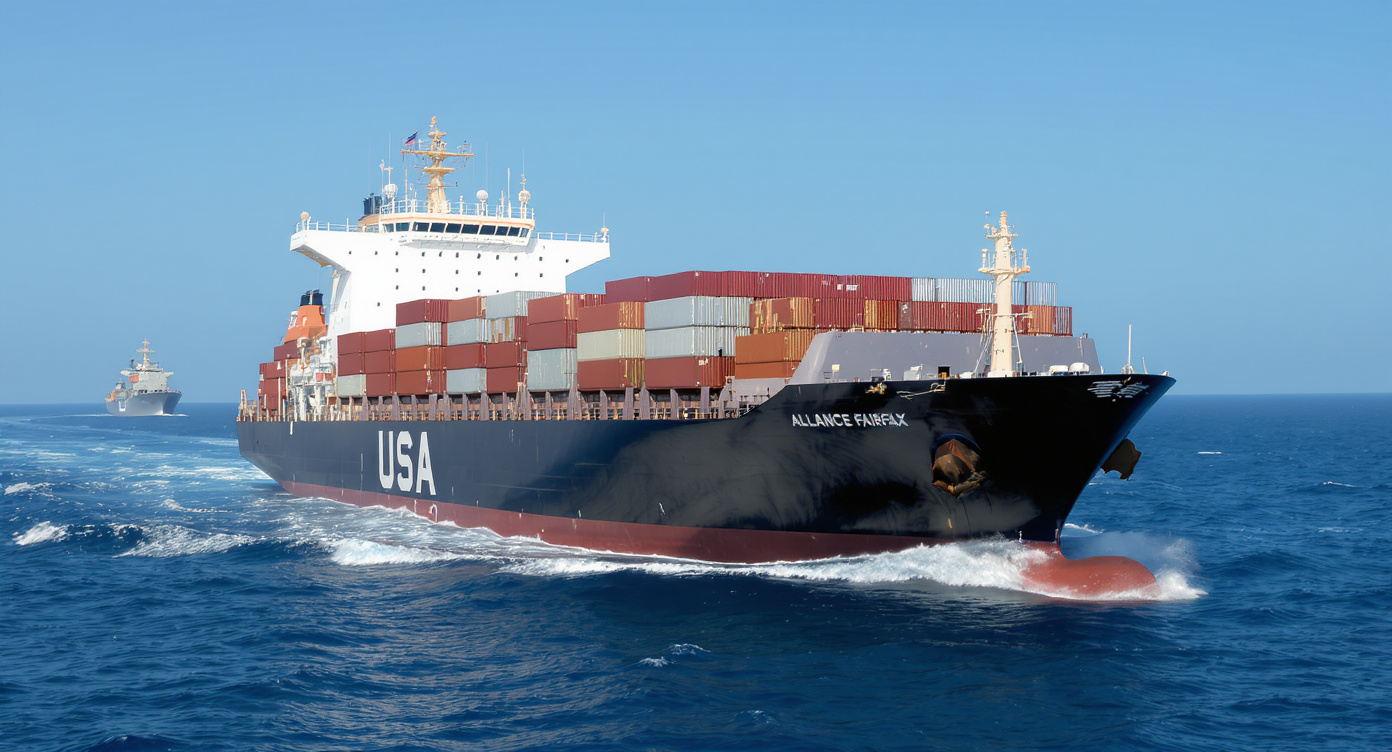
The commercial vessel Alliance Fairfax, sailing under the US flag, passed through the Strait of Hormuz with support from the American military and was escorted out of the Persian Gulf under military protection. The ship is operated by Farrell Lines Inc., a subsidiary of Maersk Line Limited.
The punctuality of container shipping remains below pre-pandemic levels, with vessel delays causing the loss of up to 6% of global fleet capacity—equivalent to the entire capacity of a major carrier.
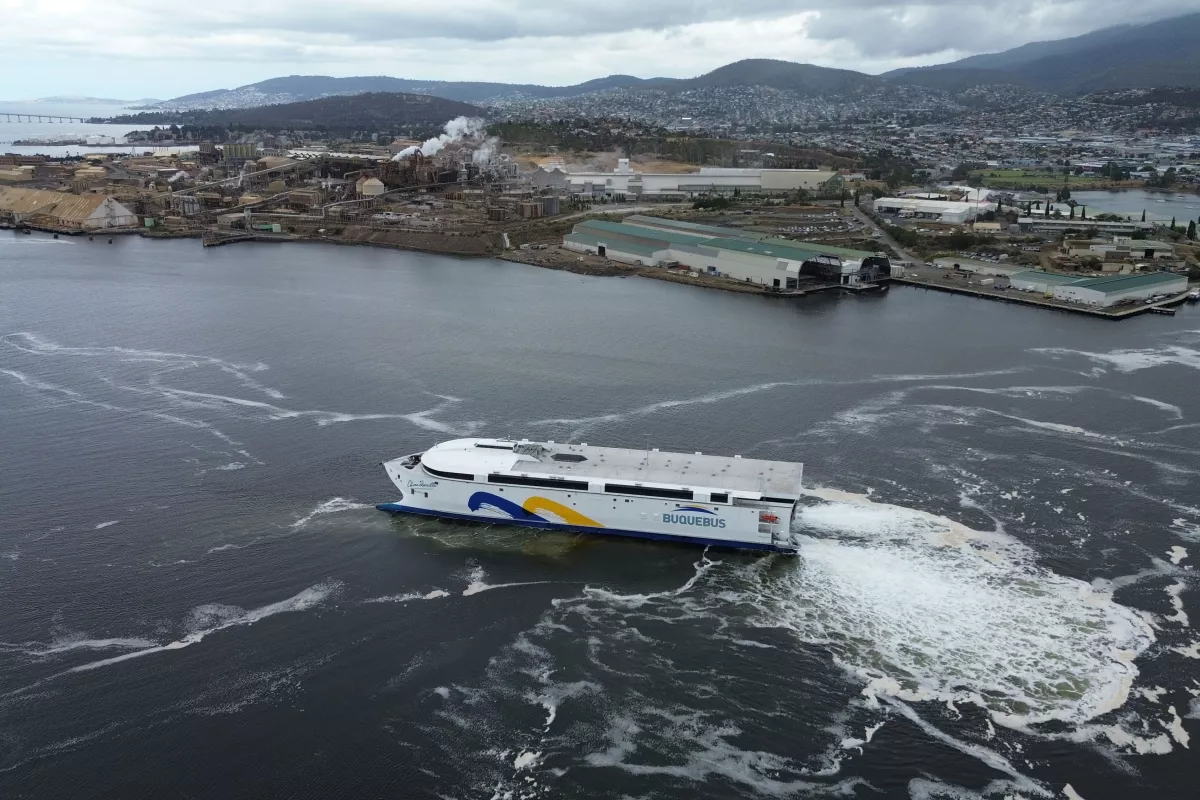
Hull 096, the world's largest vessel powered exclusively by batteries, has begun trials in Hobart. This project could set new standards for the future of commercial shipping.

 Vectus