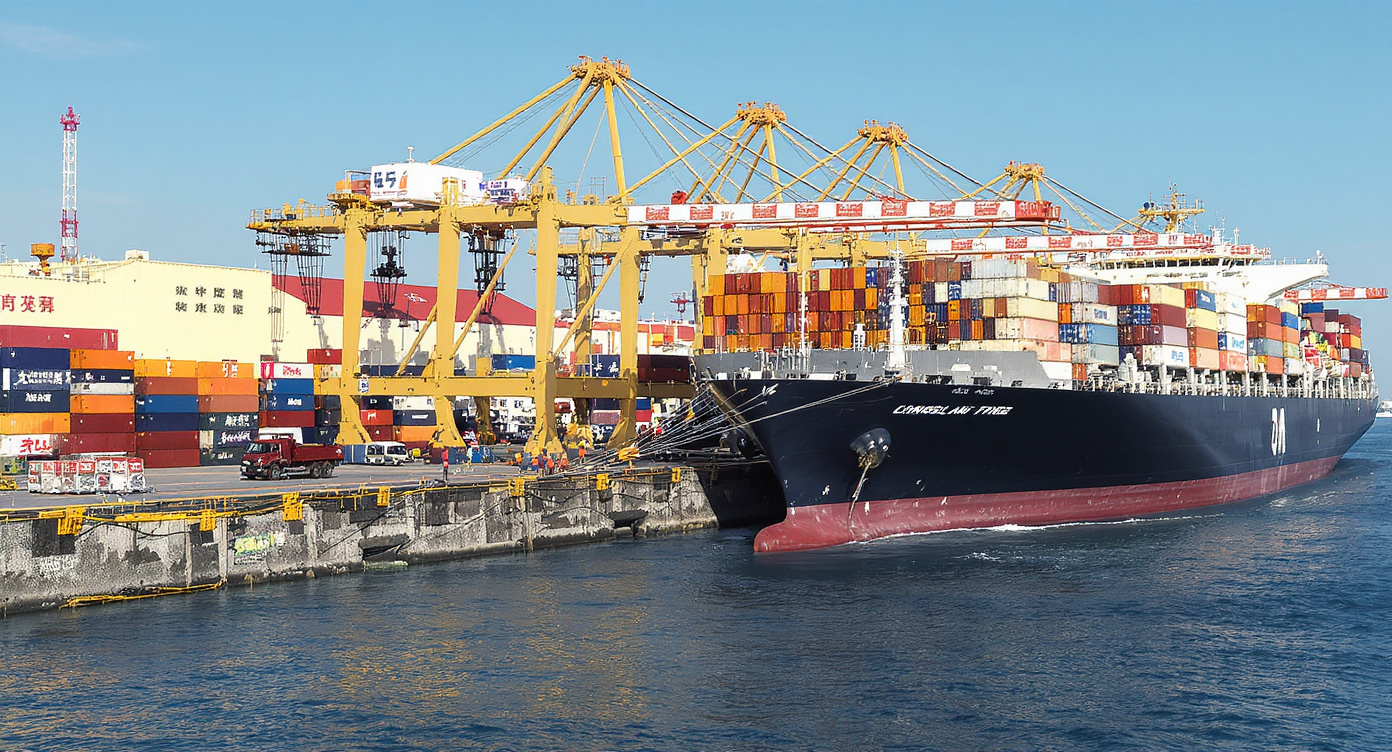
The punctuality of container shipping remains below pre-pandemic levels, with vessel delays causing the loss of up to 6% of global fleet capacity—equivalent to the entire capacity of a major carrier.
In March, pressure on global supply chains rose to levels seen at the beginning of 2023. However, it remains significantly below the peak values recorded during the pandemic.
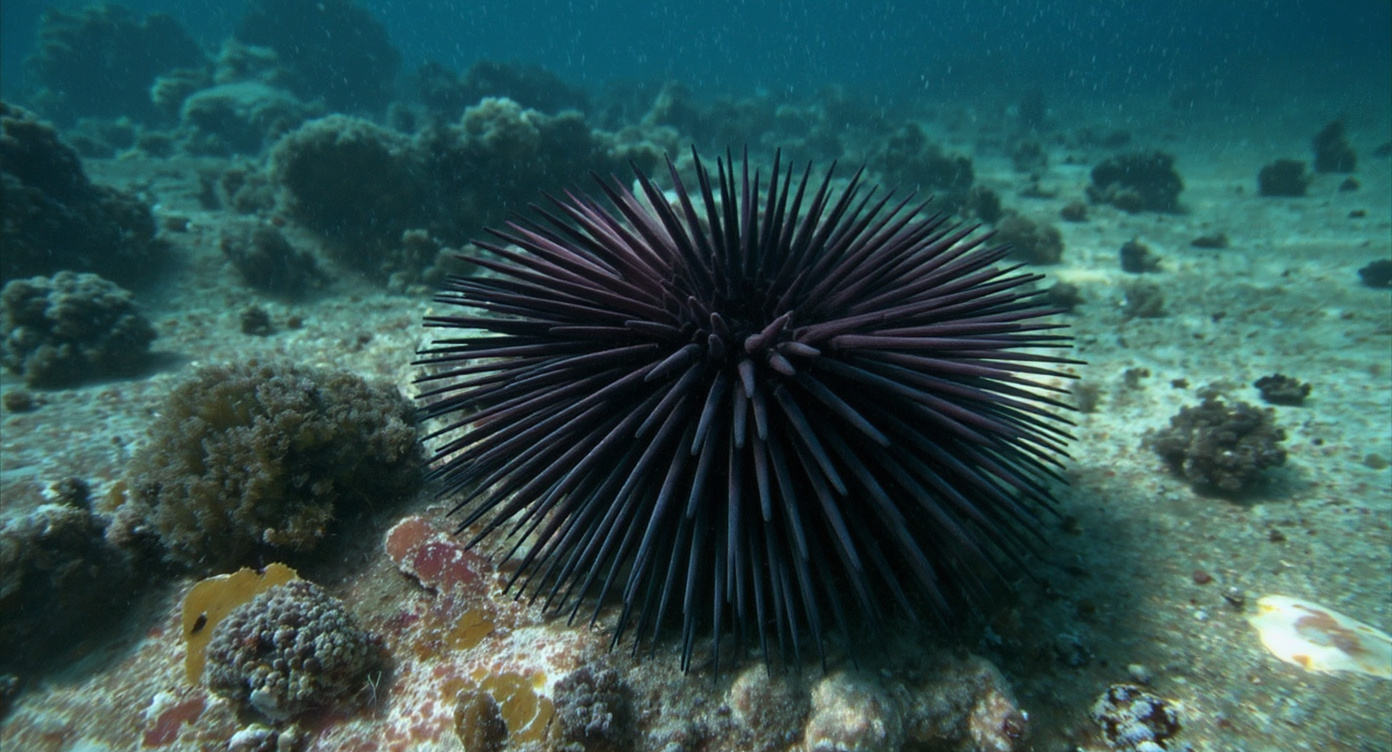
In 2022–2023, a mass die-off of sea urchins in the Canary Islands led to the near-total disappearance of their population and disrupted their life cycle. Research links this catastrophe to a global pathogen pandemic, posing a serious threat to the species' recovery.
A new study suggests that a volcanic eruption and the resulting famine may have contributed to the rapid spread of the Black Death in Europe through grain shipments from the Black Sea region.
Scientists have discovered that a specific gene in the avian flu virus enables it to survive at high temperatures, making fever an ineffective defense. This explains the severe course of the disease in humans and highlights the importance of monitoring new strains.
A new study has shown that avian influenza viruses are capable of reproducing even at high temperatures, which reduces the effectiveness of fever as a protective mechanism in humans. This explains the severe course of the disease and highlights the importance of epidemiological surveillance for new strains.


 Vectus