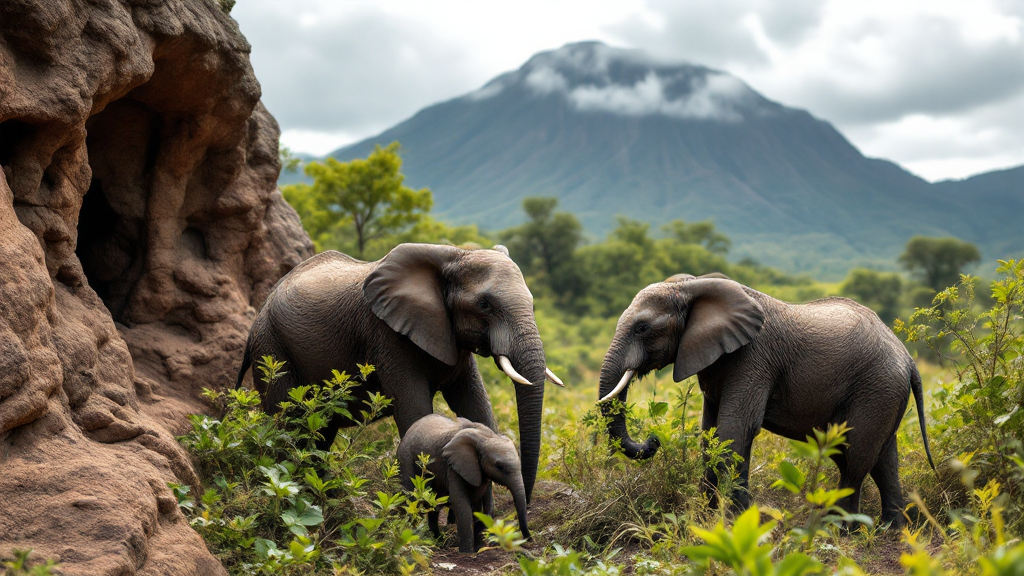
A new study has shown that African elephants use certain plants and minerals not only as food, but also to maintain their health. This information is important for species conservation and for planning their habitats.
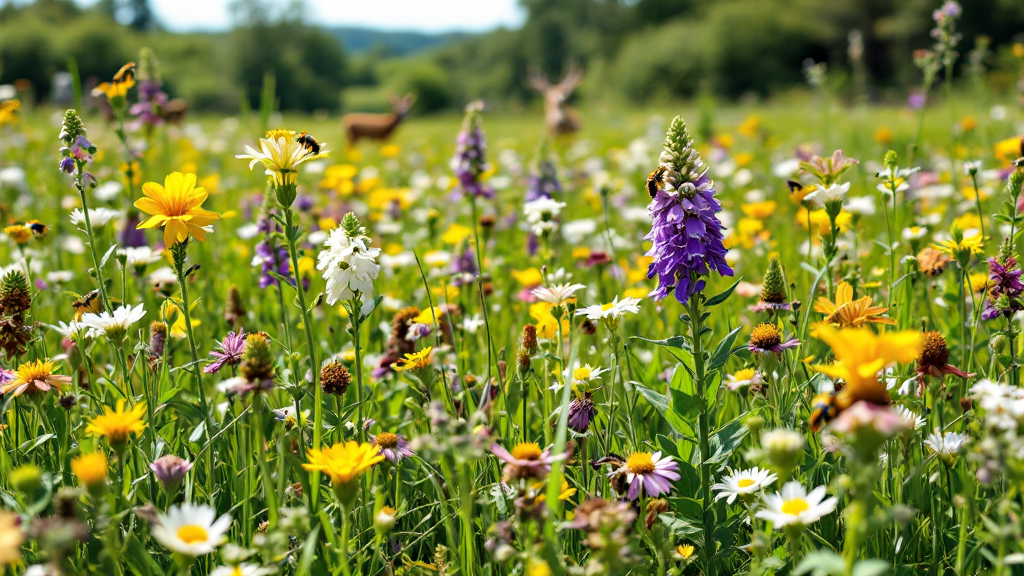
Долгосрочное исследование показало, что заброшенные сельскохозяйственные земли могут самостоятельно превращаться в луга с высоким биоразнообразием без дорогостоящих вмешательств. Такой подход способствует восстановлению экосистем и снижает затраты на реабилитацию земель.
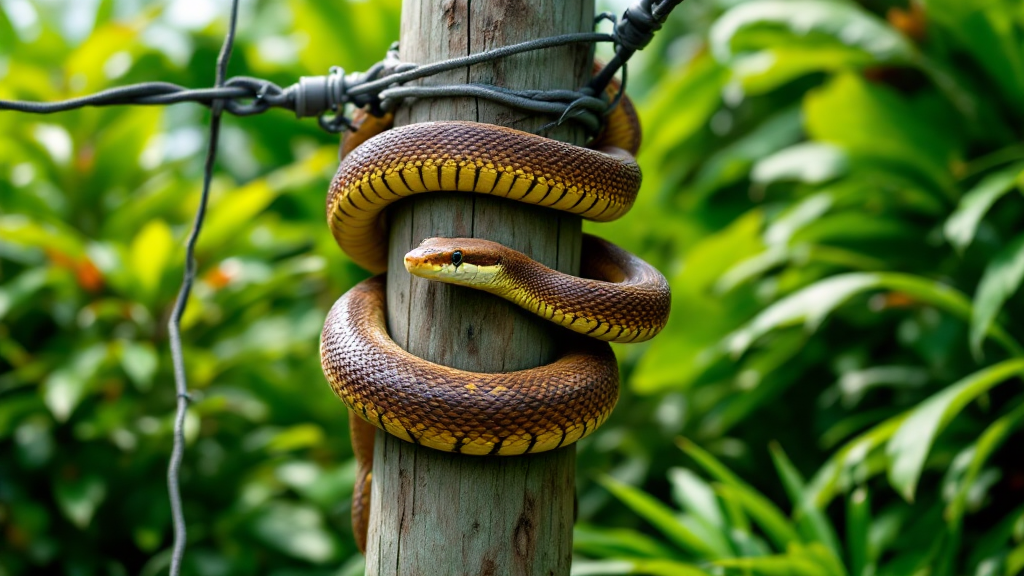
A new study has revealed that the brown tree snake on Guam possesses unexpectedly high genetic diversity, which helps it adapt quickly and makes controlling this invasive species more challenging. These findings also offer hope for the conservation of rare species with small populations.
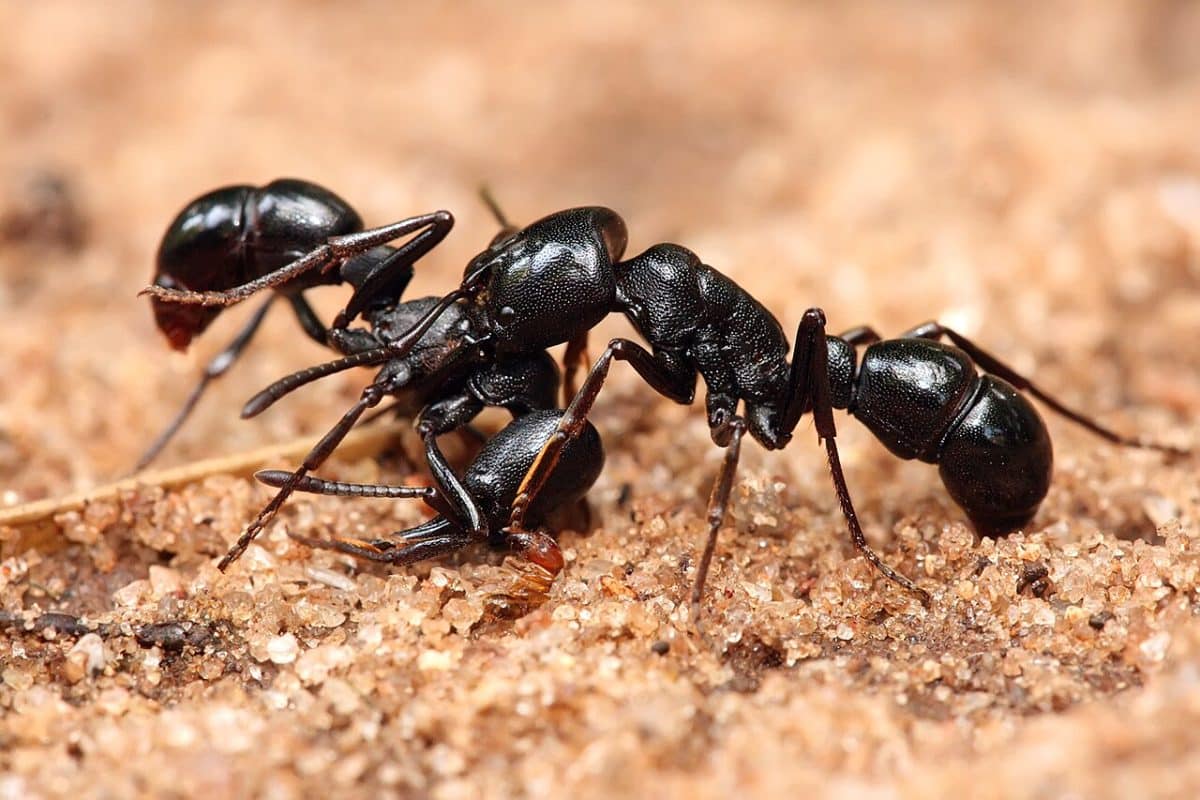
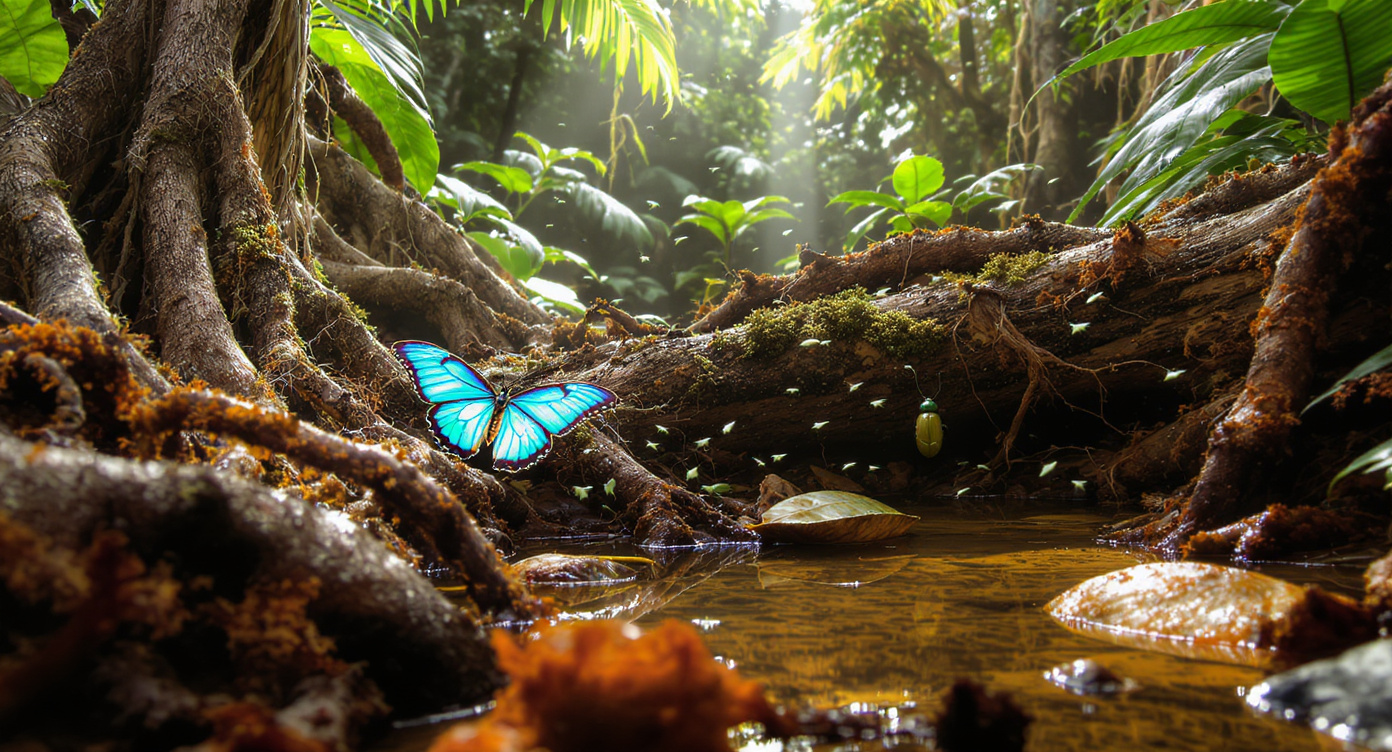
A new study reveals that scientists have identified less than 5% of all terrestrial insect species, and the actual diversity may exceed 20 million species. Most of these insects live in remote tropical forests that are difficult to access.
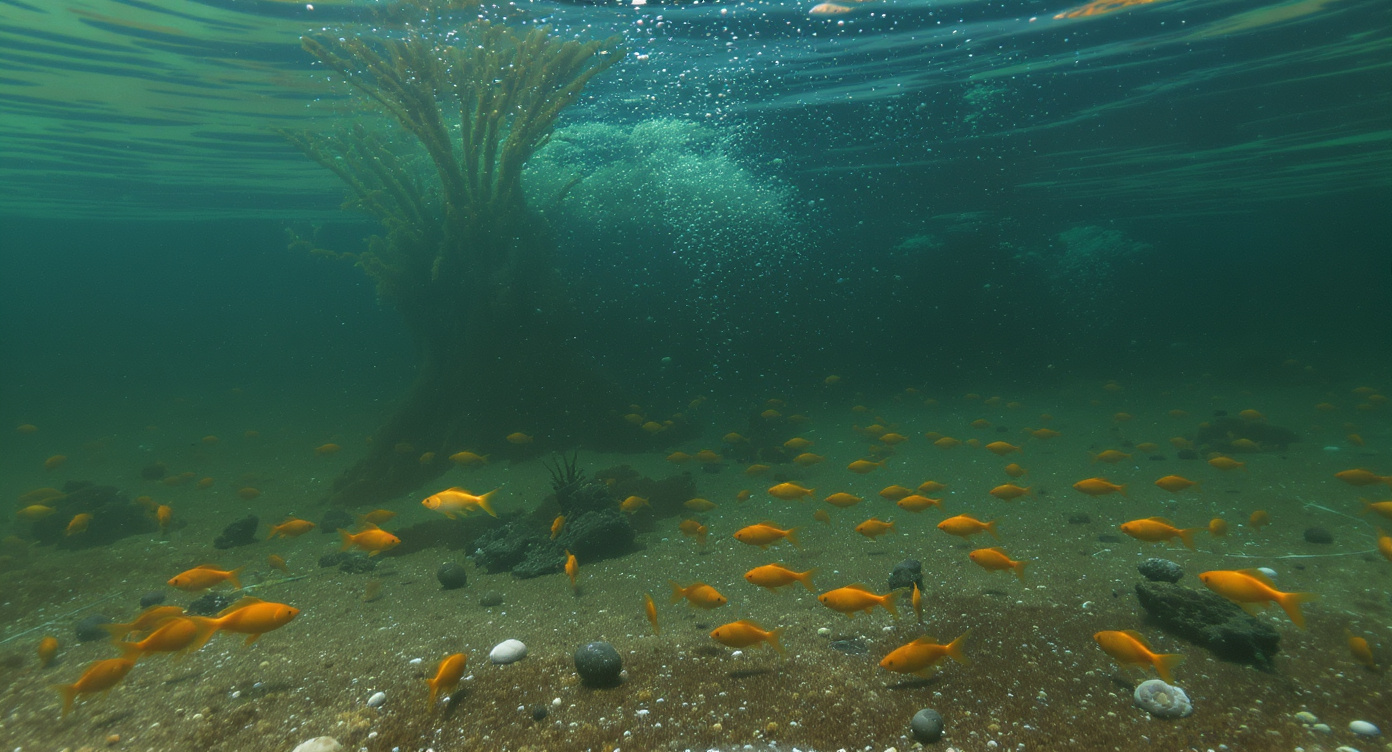
The introduction of goldfish into freshwater lakes leads to ecosystem destruction: water quality deteriorates, algae disappear, and the populations of native animals decline. Scientists urge that aquarium owners be informed about the harm caused by releasing these fish into the wild.
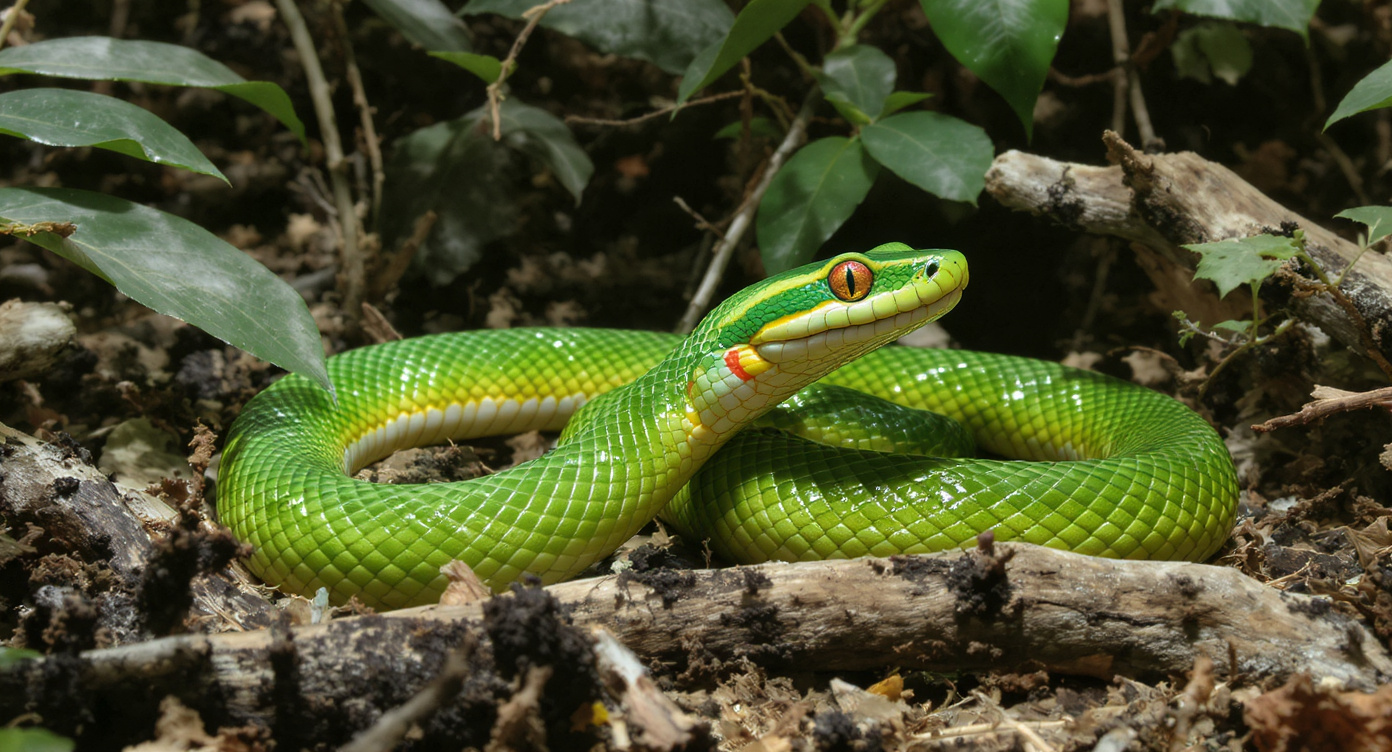
A new species of pit viper with bright green coloring and amber eyes has been discovered in the mountains of western Sichuan. This finding highlights that even in well-studied regions, there are still many unknown representatives of the local fauna.
The article examines how humanity has transformed nature and achieved progress while facing environmental consequences. For a sustainable future, collective efforts and new ways of interacting with the environment are essential.
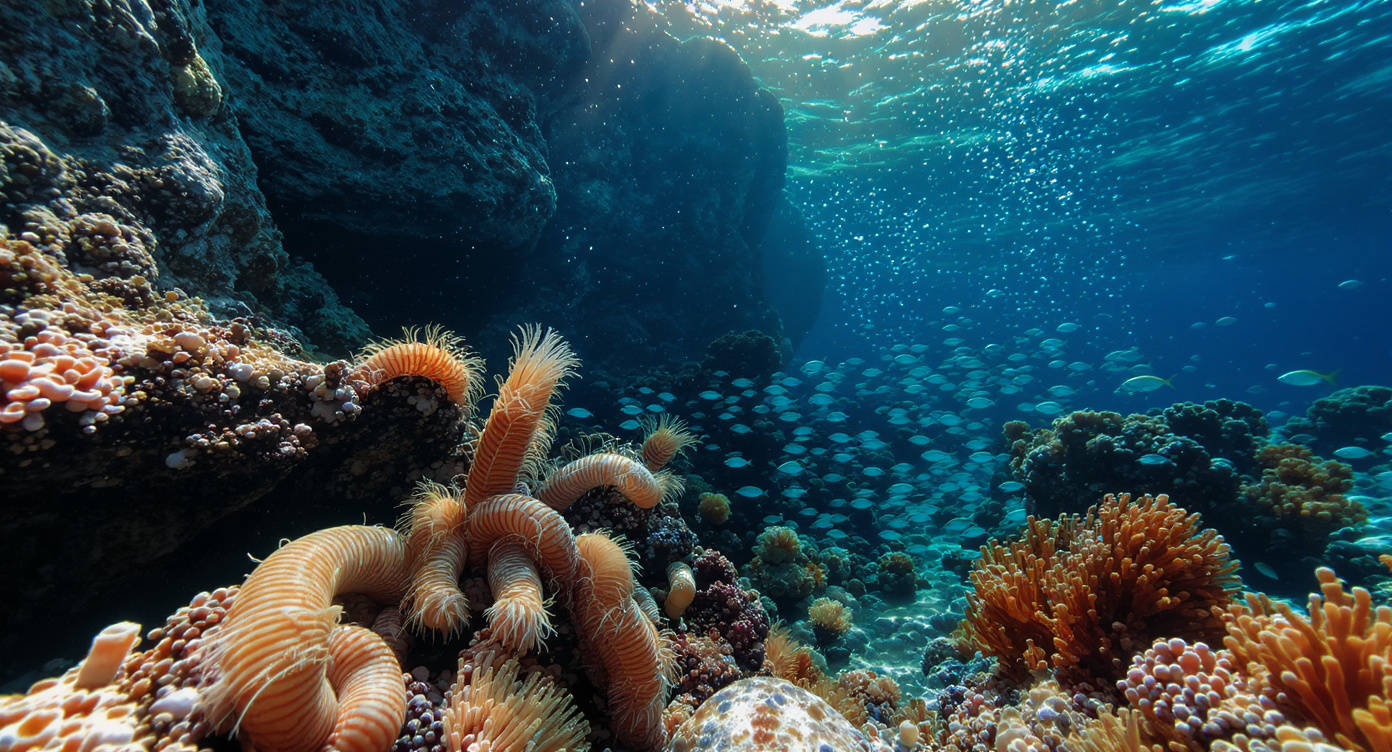
Research organizations are launching a large-scale project to study and catalog European marine annelids, aiming to accelerate the discovery of new species and deepen our understanding of biodiversity. The collected data will be made available to scientists worldwide for further research.
A new study has shown that birds, by providing sandy islands with organic fertilizers, help promote the growth of plants that strengthen shorelines and protect them from erosion. This effect is especially important in the context of rising sea levels.
A new study has shown that tropical insects have a limited ability to adapt to rising temperatures caused by climate change. This could threaten up to half of the species in regions such as the Amazon and impact entire ecosystems.
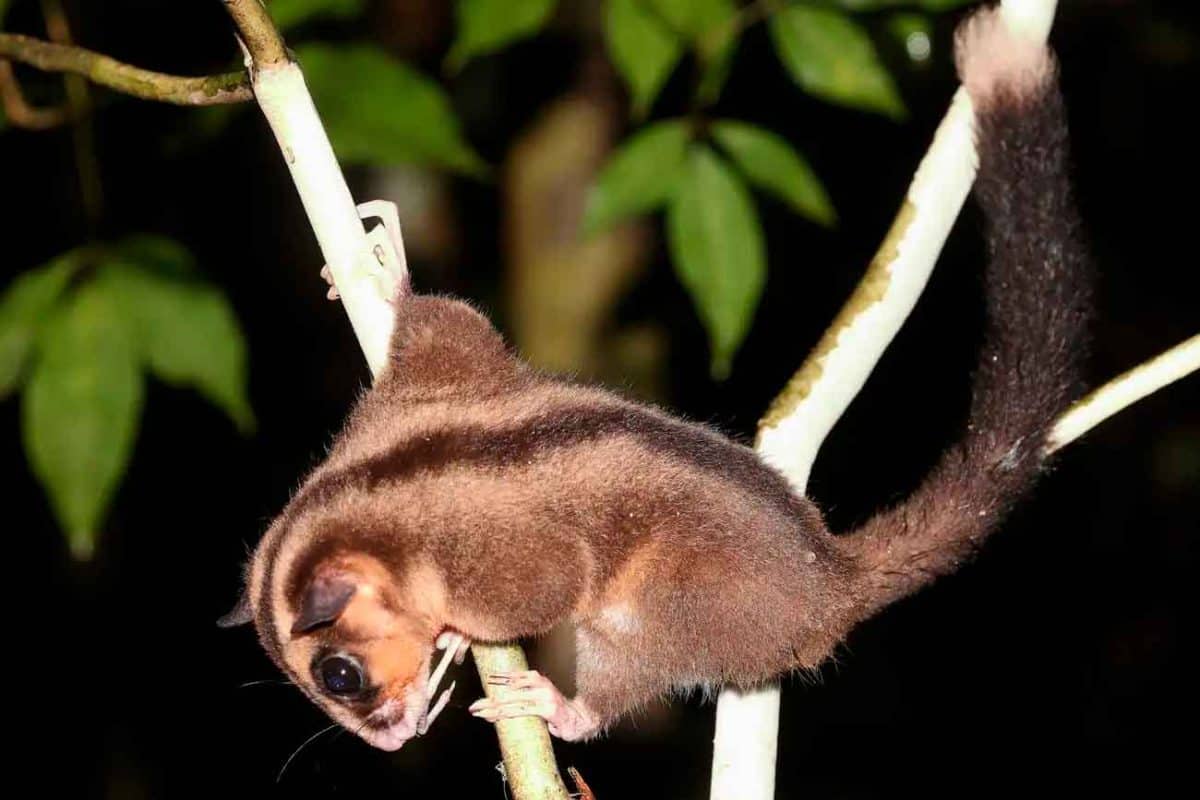
Two species of marsupials, previously believed to have gone extinct around 6,000 years ago, have been discovered in remote regions of New Guinea. Their existence was confirmed through information provided by local residents and scientific research.
A new study has revealed that beneath the surface of the Atacama Desert lies a more resilient and diverse community of soil organisms than previously thought. These findings help us better understand how life adapts to extreme conditions and how climate change may impact the ecosystems of arid regions.
A new study has found that despite global warming, the rate of change in ecosystems is slowing down, which is linked to the loss of biodiversity and environmental degradation. This may indicate a weakening of nature’s ability to recover.
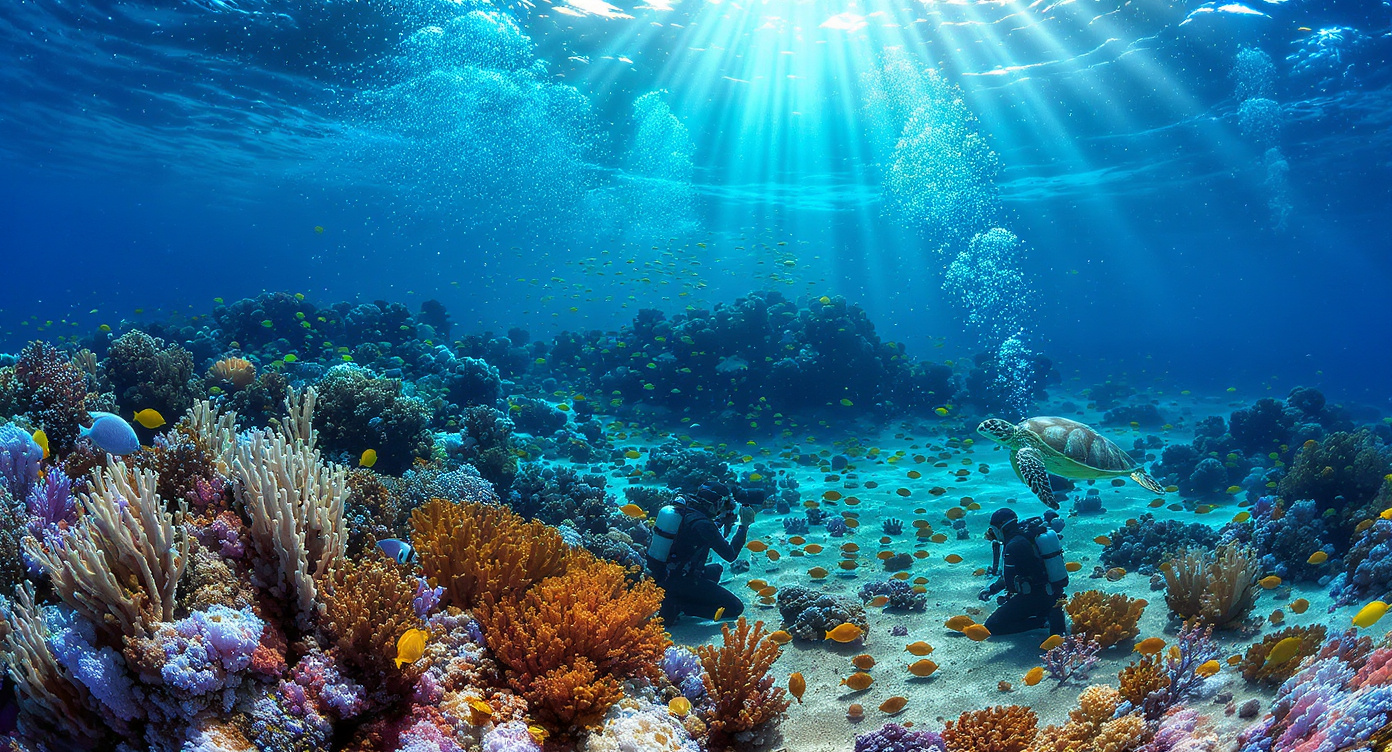
Coral reefs provide immense benefits to humanity, but due to ocean warming, more than half of the world's reefs have suffered mass bleaching and die-offs. A new study offers the first precise assessment of the scale of this threat and highlights the importance of global monitoring to ensure their preservation.
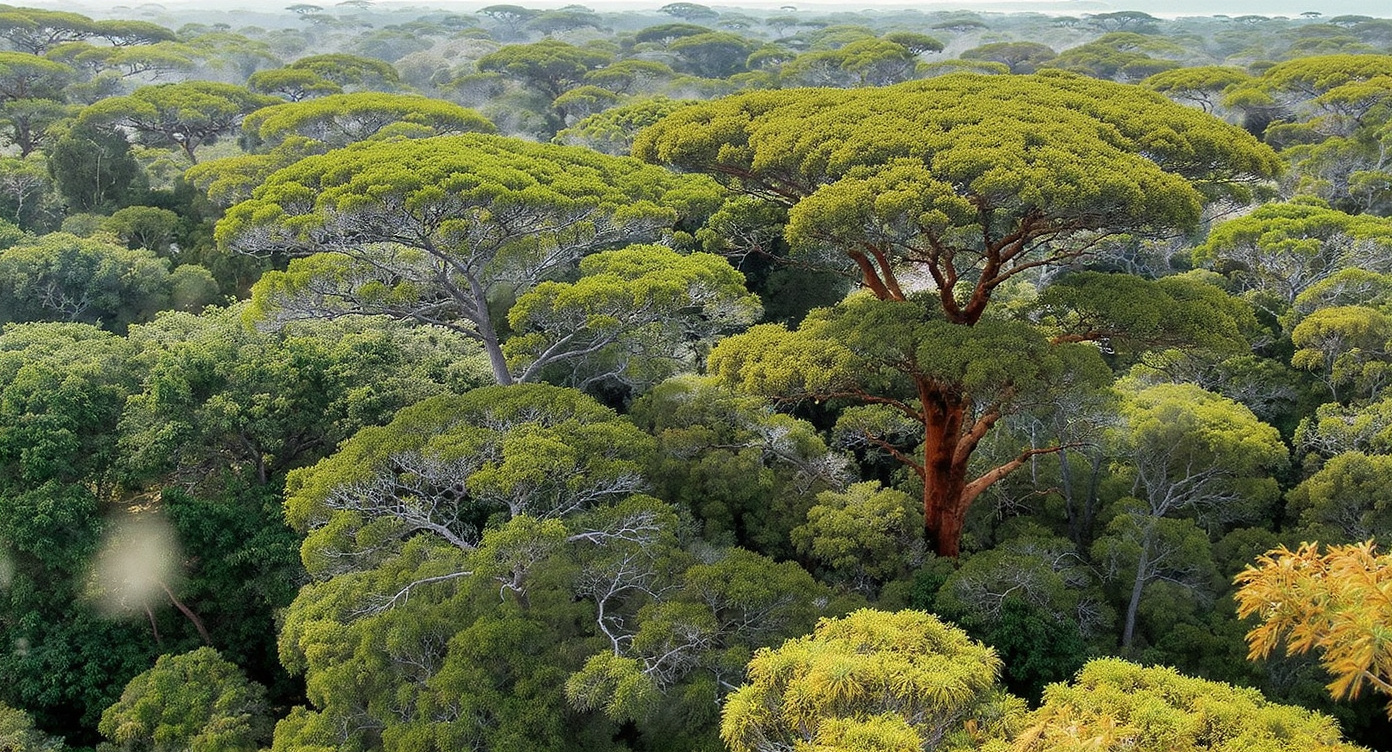
A global study has shown that in the world’s forests, fast-growing tree species are displacing slower-growing ones that are crucial for maintaining ecosystem stability. This shift could lead to a decline in biodiversity and forest resilience, as well as reduce their ability to withstand climate change.

 Cursus