At Southern Illinois University, researchers have developed a method to convert plastic and plant waste into a protein-rich food product using genetically modified yeast. The project is currently at the proof-of-concept stage and requires further research to assess its safety and practical applications.
A new study has found that in most songbird species, males tend to live longer than females, especially among migratory species. Researchers link these differences to physical exertion and social dominance.
A new study has shown that the front and back regions of the brain develop from different types of stem cells, challenging previous beliefs. This discovery has made it possible, for the first time, to grow brainstem neurons in the laboratory and opens up new opportunities for researching and treating serious diseases.
Scientists have uncovered the biochemical mechanisms behind the synthesis of toxic compounds in monkshood and larkspur, paving the way for the development of new medicines based on natural products. This research could lead to environmentally friendly methods for obtaining valuable medical substances.
Chinese bioengineers have developed a tool called smACGmax, which can simultaneously replace three types of nucleotides in DNA to accelerate the process of directed genome evolution. This technology enables the creation of cells with new beneficial properties and speeds up the development of medicines.
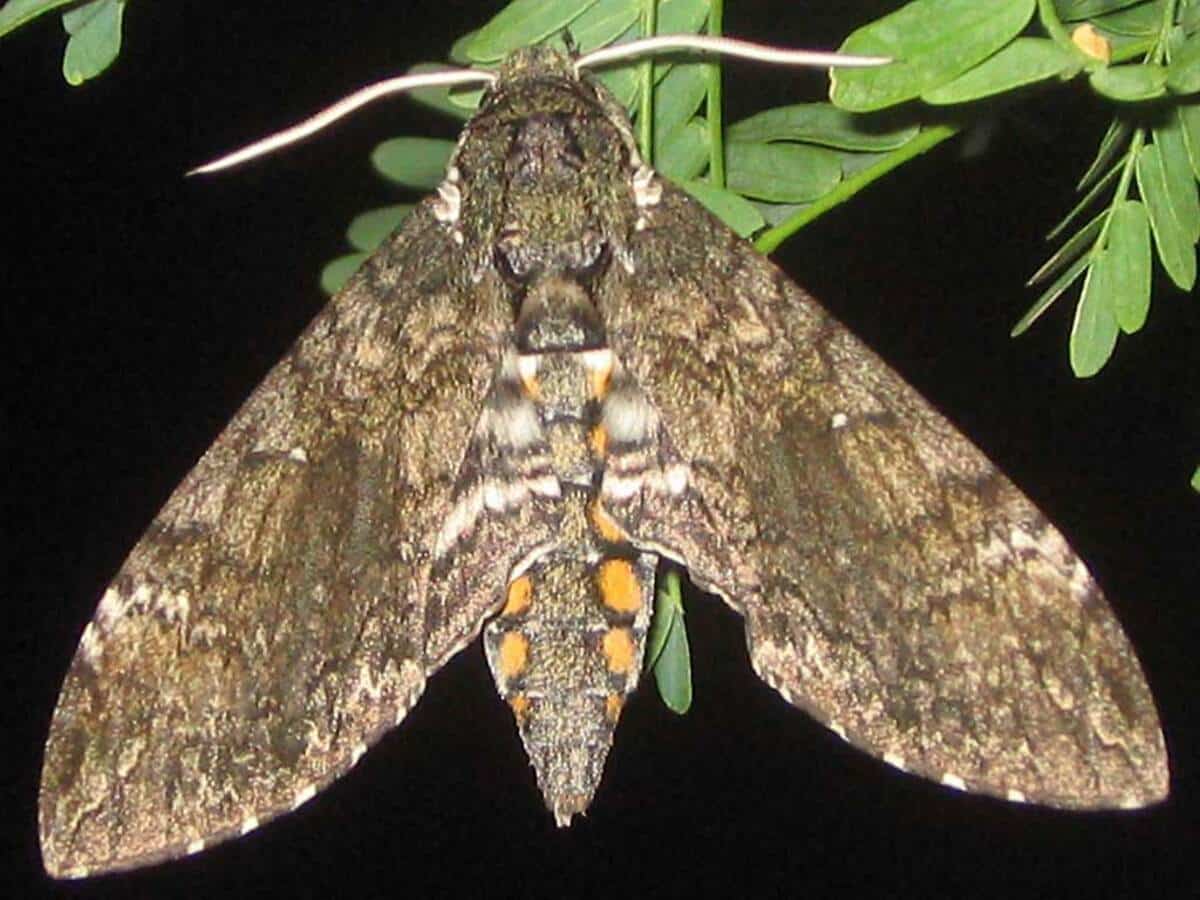
A new study has shown that the wings of the tobacco hawk moth can independently detect scents characteristic of their host plants. This finding broadens our understanding of the insect olfactory system, revealing its complexity and how it is distributed throughout the body.
A new study has shown that inherited genetics influence not only the risk of developing cancer, but also how tumors form. These findings highlight the importance of a personalized approach to diagnosis and treatment.
A new study has shown that the APOE2 gene variant helps neurons protect DNA and slows down cellular aging, thereby reducing the risk of dementia and Alzheimer's disease. These findings open up new possibilities for therapeutic approaches, especially for people with a high genetic risk.
A new study has revealed that the brown tree snake on Guam possesses unexpectedly high genetic diversity, which helps it adapt quickly and makes controlling this invasive species more challenging. These findings also offer hope for the conservation of rare species with small populations.
A new study has shown that exceptional memory in older adults cannot be explained solely by a low genetic risk for Alzheimer's disease. Other biological, behavioral, and social factors also play an important role in maintaining cognitive health.
A new study has shown that members of the Scythian nobility buried in burial mounds were related by blood. This confirms the existence of hereditary dynasties and social inequality among ancient nomads.
A new study has revealed that members of the Scythian nobility buried in burial mounds were related by blood. This finding confirms that ancient nomads had hereditary dynasties and social inequality.
In South Australia, the koala population is rapidly increasing, which could lead to environmental issues. A new study proposes a humane strategy for population control to help maintain ecological balance.
A new study of ancient Homo erectus teeth has revealed a genetic link between this species, Denisovans, and modern humans, shedding light on the evolution and interactions of ancient populations.
The shift to a potato-based diet around 10,000 years ago led the inhabitants of the Andes to develop a significant increase in the number of amylase gene copies, which helped them digest starch more efficiently. This genetic adaptation optimized their metabolism, but it is also linked to modern issues such as a higher prevalence of tooth decay.


 Cursus