Scientists have uncovered the biochemical mechanisms behind the synthesis of toxic compounds in monkshood and larkspur, paving the way for the development of new medicines based on natural products. This research could lead to environmentally friendly methods for obtaining valuable medical substances.
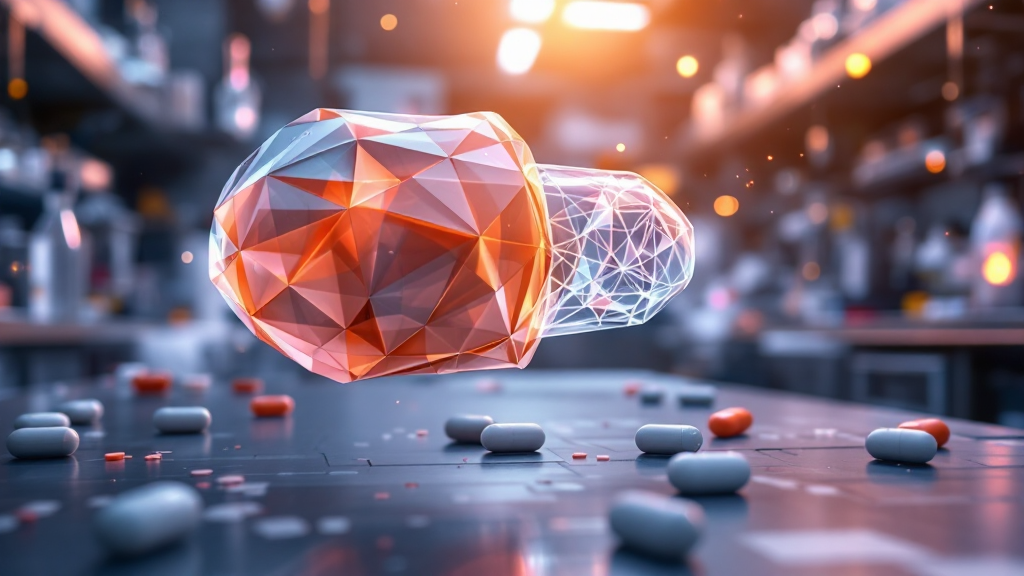
American researchers have developed a capsule inspired by origami that gradually releases medication over several days. This technology could improve the effectiveness of treatment and make it easier for patients with chronic illnesses to take their medications.
The United States is introducing new tariffs on patented medicines and their components, reaching up to 100% for major companies. Generics and biosimilars are currently exempt from these tariffs, and certain countries and agreements are granted special benefits. These measures are aimed at encouraging investment in the American pharmaceutical industry.
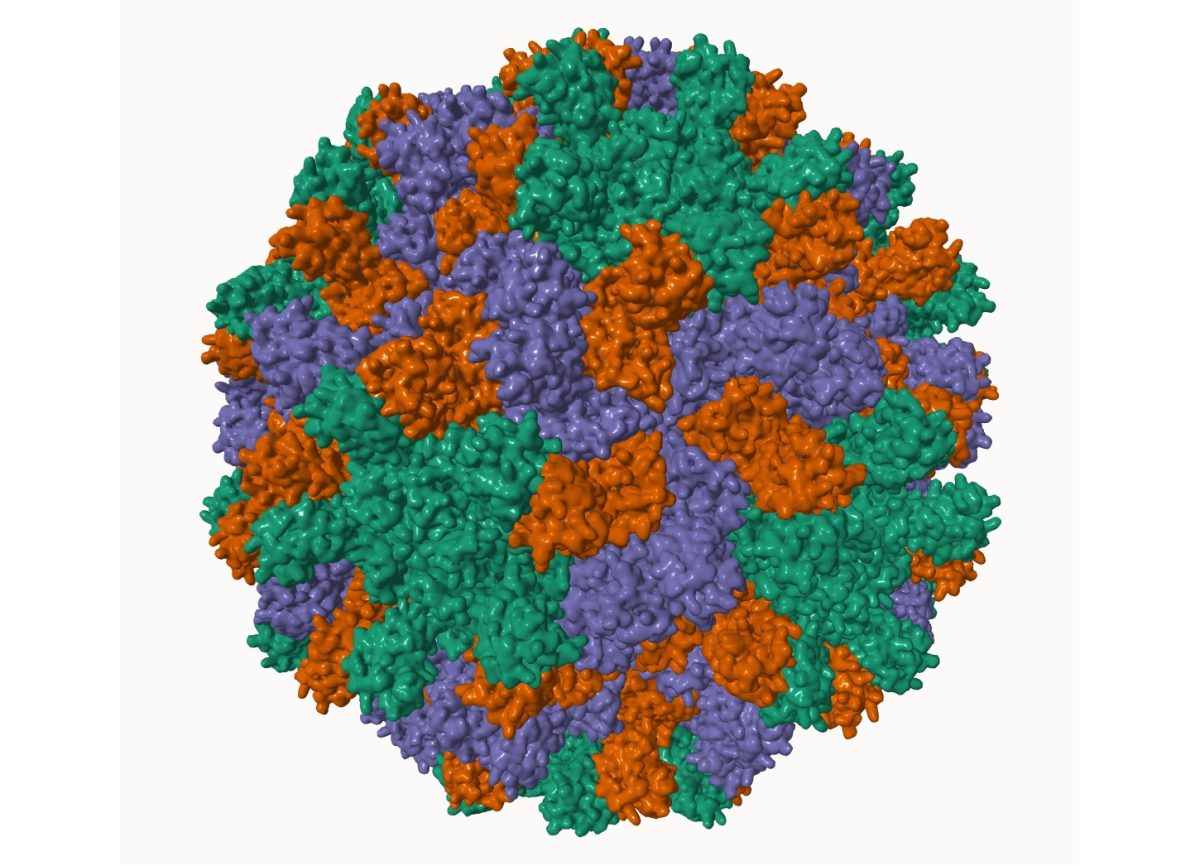
Scientists have discovered how spherical viruses precisely determine the direction for releasing their genetic material: hidden inside their shell is a unique chemical bond that sets the attack point. This breakthrough could lead to the development of more effective medicines and nanocontainers.
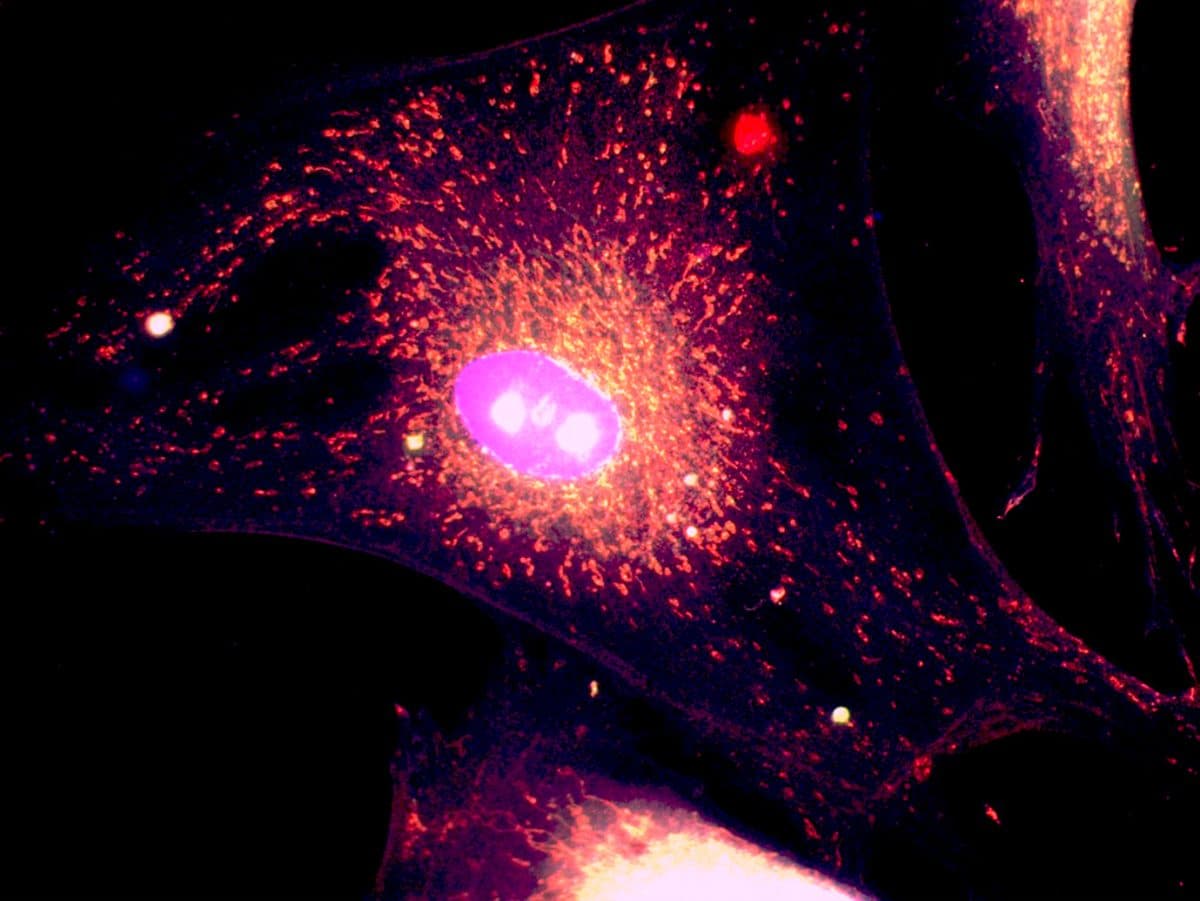
Scientists have developed new molecules that can safely control mitochondrial function and reduce fat accumulation in cells. This discovery could contribute to the creation of effective treatments for obesity and diabetes.
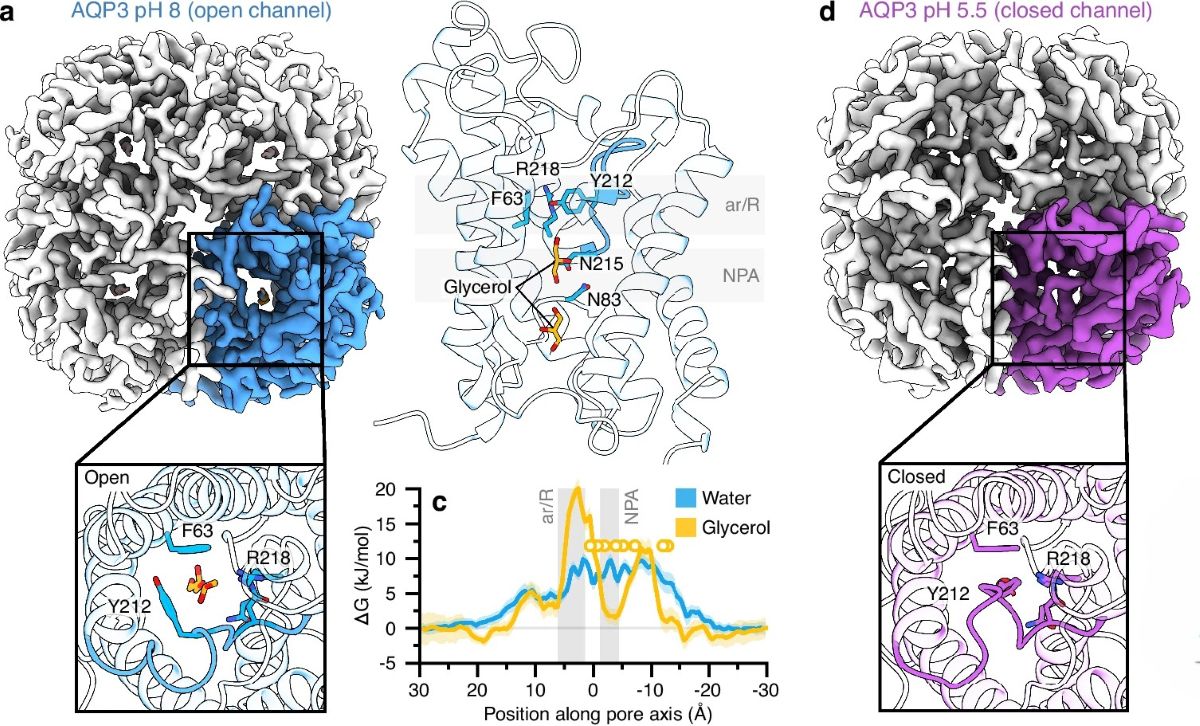
Biophysicists have discovered how the protein channel AQP3 self-regulates the transport of molecules across the cell membrane in response to acidity and hydrogen peroxide. This finding could lead to new approaches for treating diabetes and protecting cells from oxidative stress.

 Cursus