Adipose tissue is essential for metabolism and hormonal balance, and its loss or dysfunction can lead to diabetes and other diseases. Recent studies highlight the importance of protecting fat cells to maintain metabolic health.
Scientists have decoded the genome of the snow fly Chionea alexandriana and discovered how this insect remains active at subzero temperatures. The fly combines internal heating, the production of antifreeze proteins, and reduced sensitivity to oxidative stress, which allows it to survive and move across snow even at –7°C.
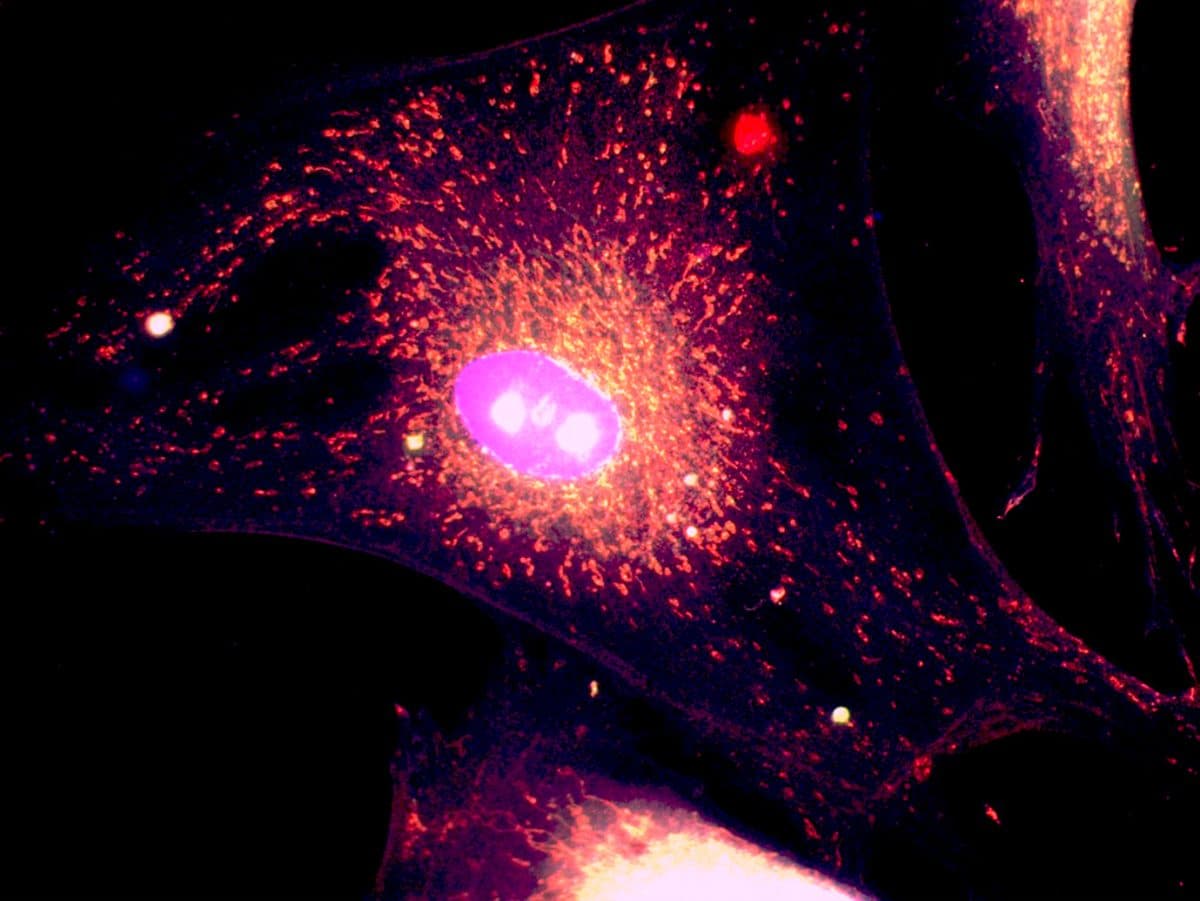
A new study has revealed a link between depression and disruptions in energy processes within brain and blood cells. These findings could aid in early diagnosis and the development of more effective treatment methods.
Brown bears are able to maintain their muscle strength even after months of hibernation thanks to unique cellular mechanisms. Studying these processes could help develop new ways to combat muscle atrophy in humans.
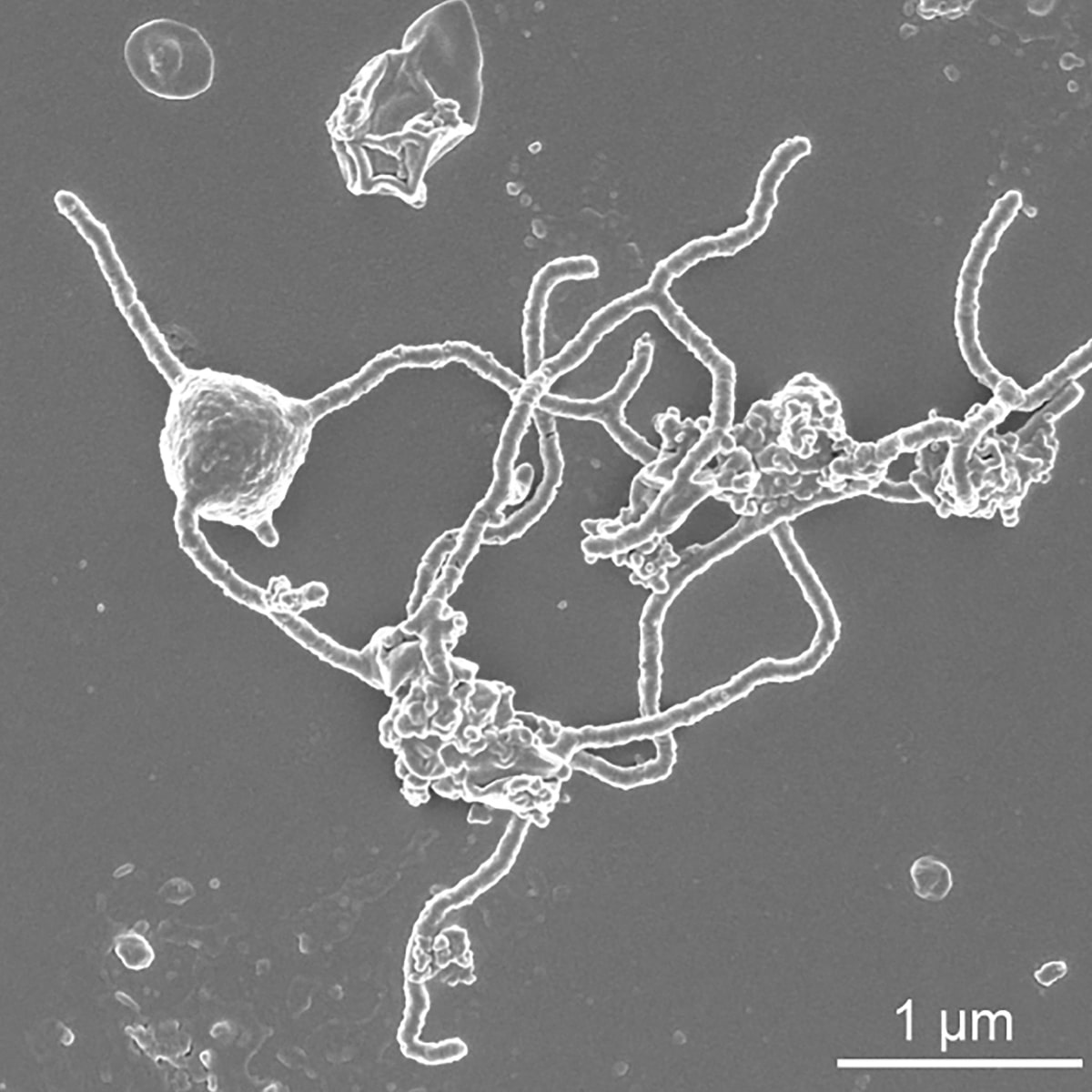
A new study has revealed that ancient archaea—the closest relatives of eukaryotes—possessed the genetic machinery for oxygen respiration even before their symbiosis with bacteria. This discovery changes our understanding of how complex cells originated.
Scientists have developed new molecules that can safely control mitochondrial function and reduce fat accumulation in cells. This discovery could contribute to the creation of effective treatments for obesity and diabetes.
Scientists have discovered why the drug venetoclax gradually loses its effectiveness in treating acute myeloid leukemia, and have proposed a way to overcome cancer cell resistance using OPA1 protein inhibitors. This new approach could improve survival rates and open up new possibilities for treating resistant forms of cancer.
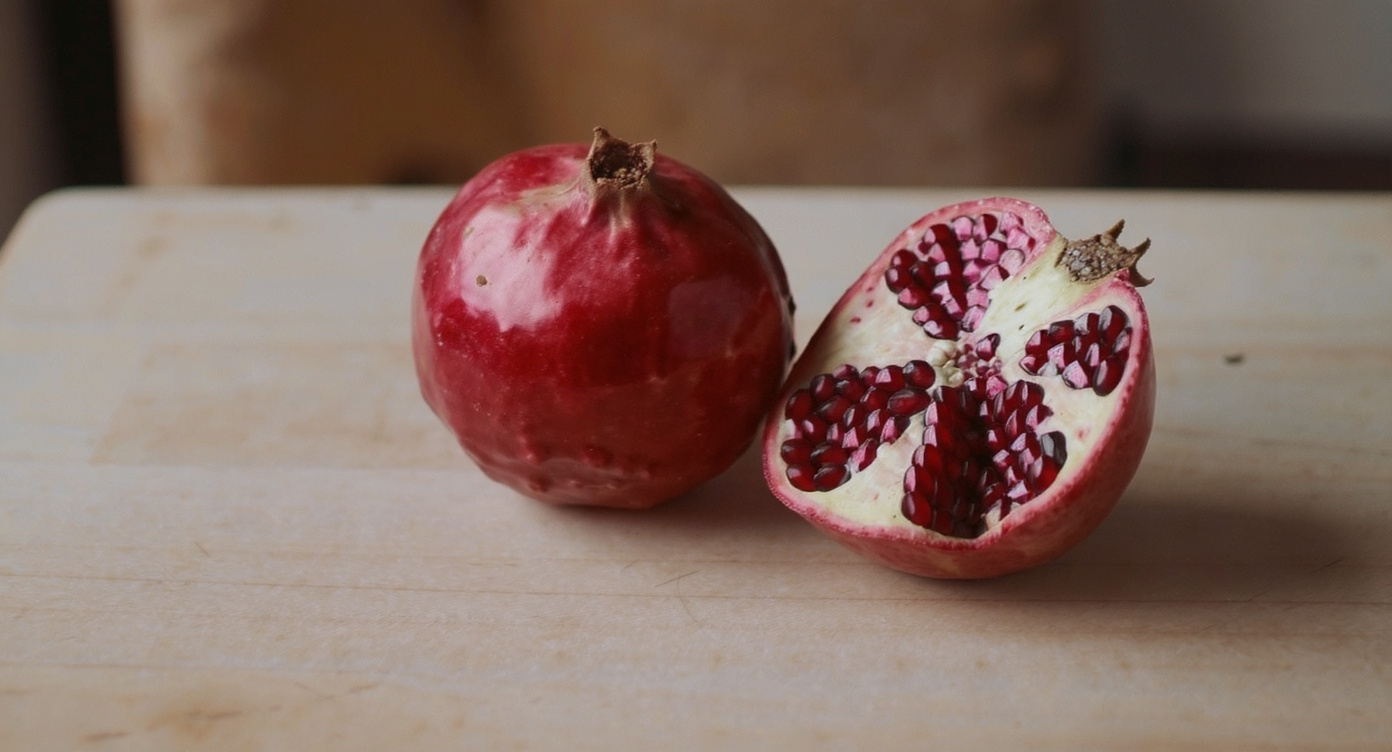
A new study has shown that urolithin A, a compound produced in the gut when consuming pomegranates and nuts, can rejuvenate the immune system and boost its effectiveness in middle-aged individuals. This substance improves the function of immune cells and may slow down age-related changes.


 Salus
Salus