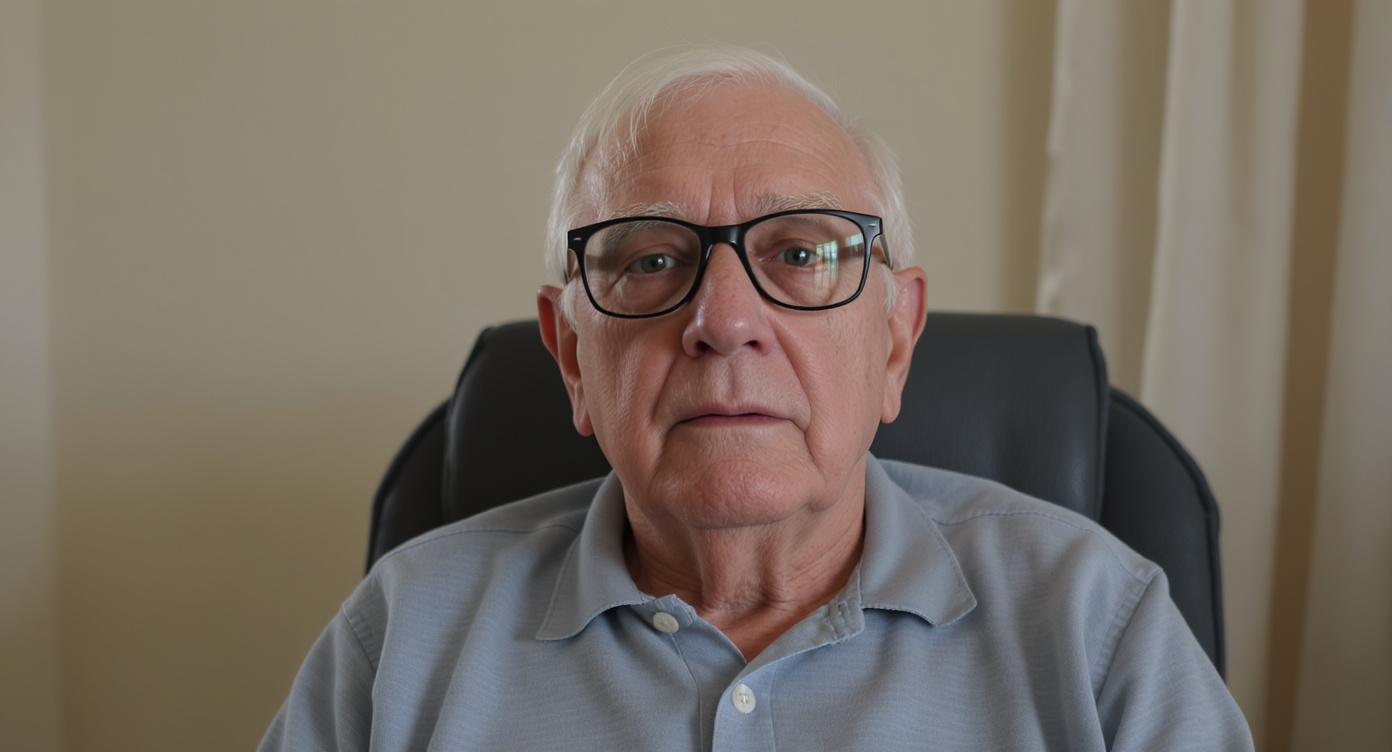
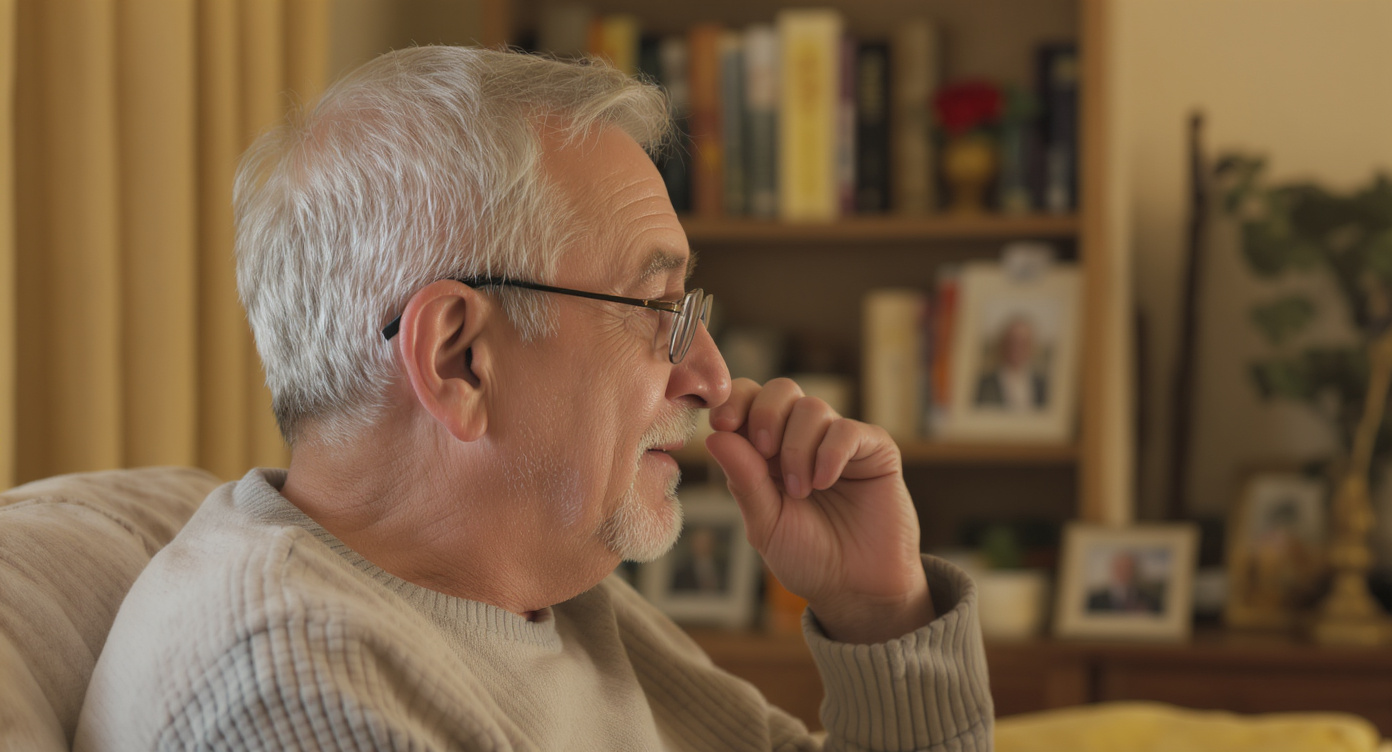
A large-scale study has shown that using hearing aids reduces the risk of developing dementia, especially when the devices are highly effective. High-quality hearing correction provides the greatest protection for the cognitive health of older adults.
Brown bears are able to maintain their muscle strength even after months of hibernation thanks to unique cellular mechanisms. Studying these processes could help develop new ways to combat muscle atrophy in humans.
The study found that the endangered Kemp's ridley sea turtles are particularly sensitive to low-frequency noise, which overlaps with the range of human-made sounds in the ocean, making them vulnerable to acoustic disturbances.
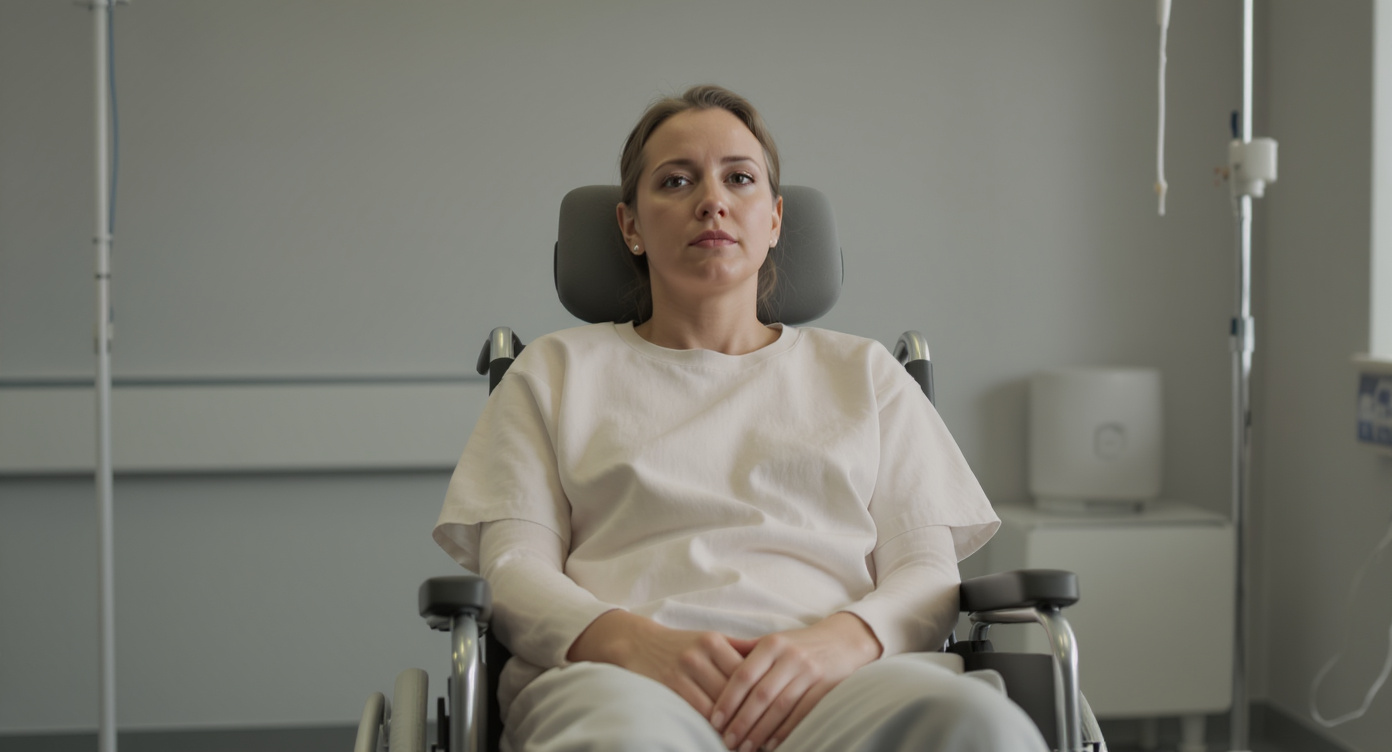
Scientists are exploring the possibility of using EEG to restore movement in people with spinal cord injuries, offering a non-invasive alternative to implants. This method already allows researchers to detect attempts at movement, and there are plans to further develop it for controlling limb stimulators.
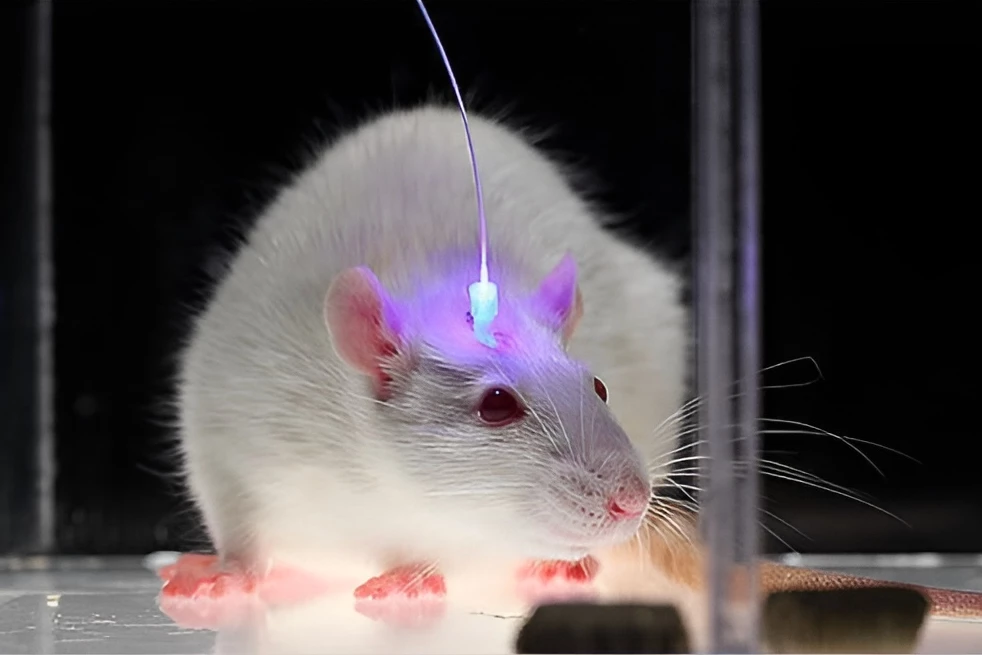
Scientists have developed a minimally invasive wireless neuroimplant capable of directly transmitting sensory signals to the brain. This technology opens up new possibilities for restoring lost senses and aiding rehabilitation after injuries and illnesses.
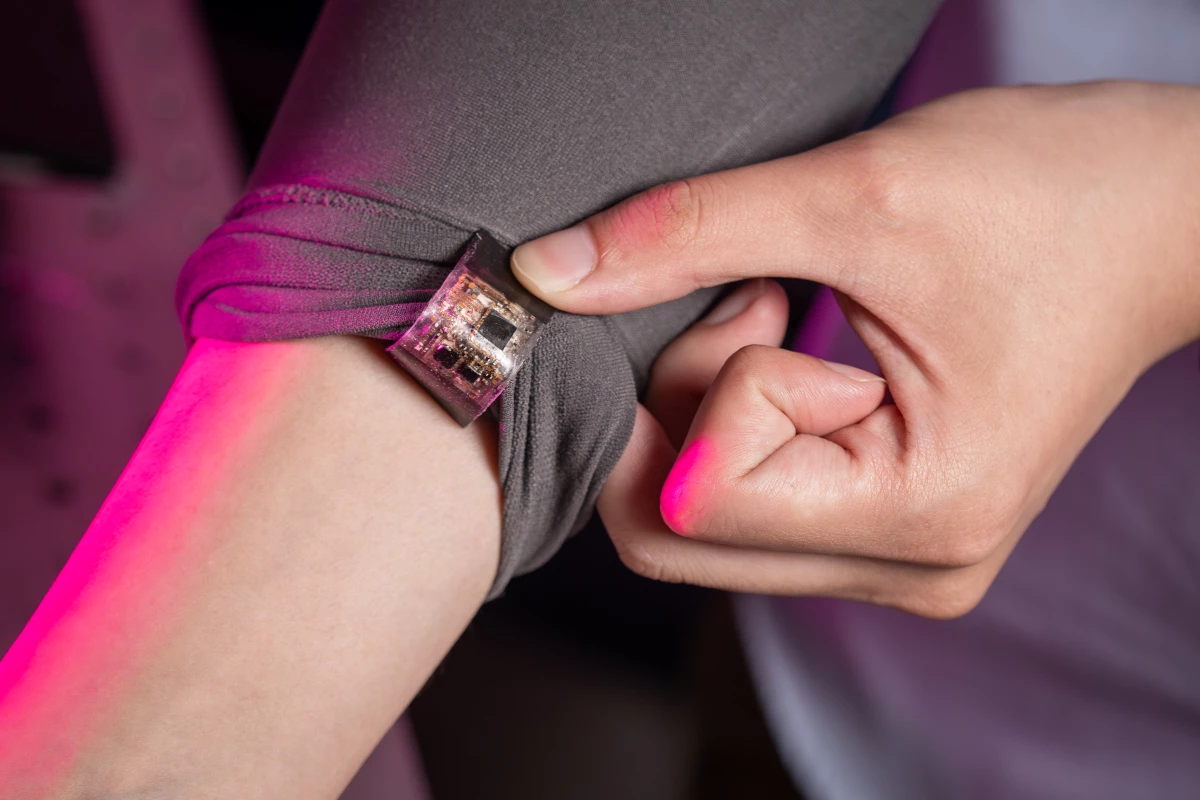
Researchers have developed a portable controller powered by artificial intelligence that allows users to operate robots and devices using gestures, even in environments with vibrations and interference. This technology can be applied in industry, healthcare, and everyday life, providing precise remote control without the need for manual input.
Involving a partner in cardiac rehabilitation helps patients better maintain a healthy lifestyle and adhere to their treatment regimen, but it does not affect the quality of the couple's relationship.
In a clinical study, a miniature implant and smart glasses helped most patients with severe macular degeneration partially regain their ability to read. This technology enables users to distinguish shapes and outlines, significantly improving the quality of life for people with incurable vision loss.

 Salus
Salus