Recent studies show that caffeine can reduce sleep quality and hinder the body's recovery, even if a person falls asleep on time and does not notice any obvious sleep disturbances. The response to caffeine is individual and depends on many factors.
A new study has shown that the front and back regions of the brain develop from different types of stem cells, challenging previous beliefs. This discovery has made it possible, for the first time, to grow brainstem neurons in the laboratory and opens up new opportunities for researching and treating serious diseases.
Researchers have developed a method to reconstruct videos based on the brain activity of mice, opening up new possibilities for studying how the brain transforms visual signals into internal representations. This work provides deeper insight into the differences between objective reality and the way the brain perceives the world.
A new study has shown that patients with Parkinson's disease experience changes not only in their sense of smell but also in their reaction to unpleasant odors—they do not hold their breath like healthy individuals do. These characteristics could serve as an additional diagnostic marker for the disease.
Nearly half of all dementia cases are linked to modifiable risk factors, such as smoking and high blood pressure. Research has shown that healthy habits can delay the onset of symptoms of Alzheimer's disease and vascular dementia.
Studies have shown that humans can recognize scents as quickly as rodents, thanks to an ancient evolutionary mechanism in the brain. This discovery could aid in the early diagnosis of diseases associated with impaired sense of smell.
A single dose of psilocybin leads to changes in brain activity and structure that persist for several weeks and are associated with improved well-being and psychological insight. These findings broaden our understanding of psilocybin’s therapeutic potential for mental health disorders.
Studies show that frequent television viewing in middle age is associated with a reduction in the volume of certain brain regions and signs of damage decades later. Engaging in mentally active tasks while sitting has a more positive effect on brain health than passive TV watching.
A new study challenges the traditional view that the increase in brain size among Homo species was the result of natural selection, suggesting instead that this process may have occurred by chance. An analysis of skulls indicates that these changes are better explained by models of neutral evolution rather than by directed selection.
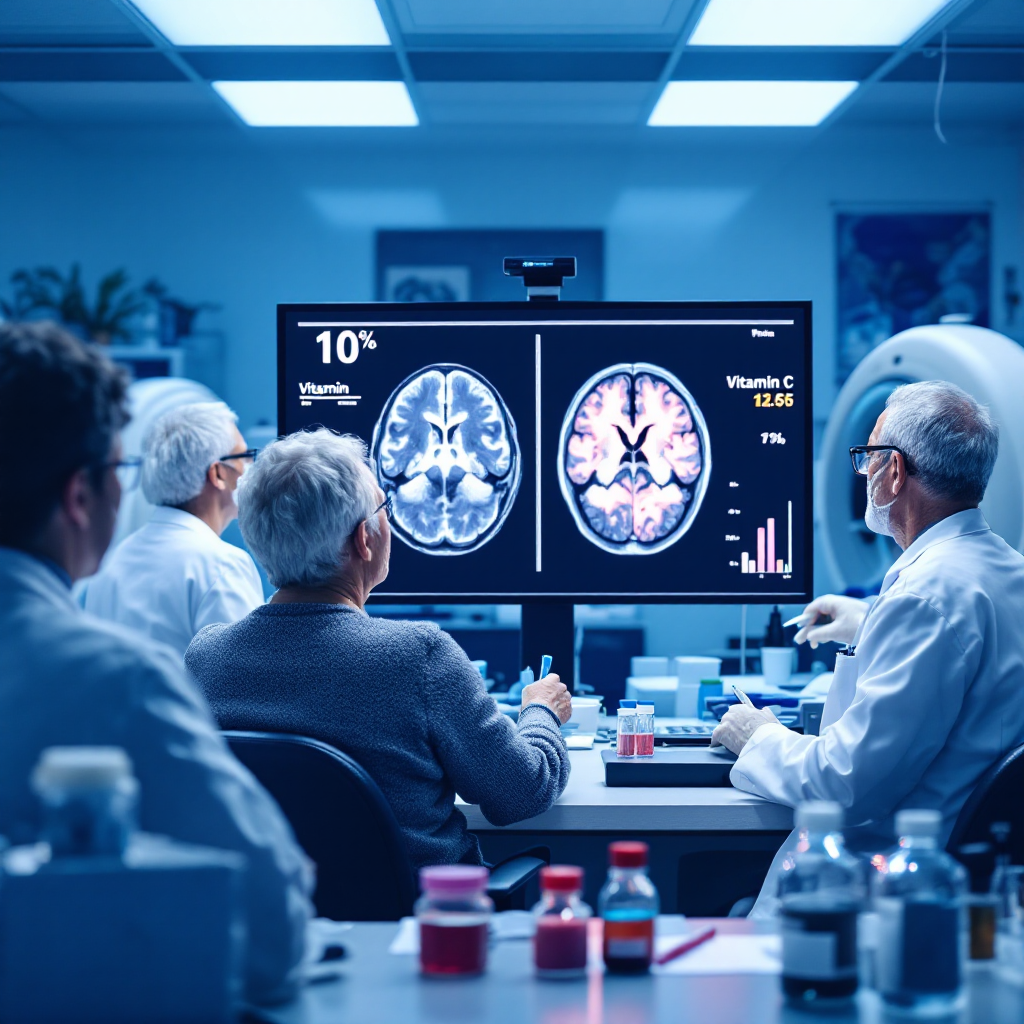
A study among elderly individuals has revealed a link between low blood vitamin C levels and a reduction in brain gray matter volume, as well as decreased connectivity in key brain networks. These findings highlight the importance of a balanced diet for maintaining cognitive health in older age.
A new study has shown that a significant reduction in dog brain size occurred only about 5,000 years ago, when humans began selecting anxious and loud-barking animals to guard settlements. Previously domesticated dogs retained brains comparable in size to those of wolves, while modern working breeds now have the largest amount of neural tissue.
Новое исследование показало, что обонятельные нейроны в носу мышей организованы в четкие полосы по типу рецептора, а не распределены случайно. Это открытие может помочь в разработке методов восстановления обоняния у людей.
Long-term studies have shown that some people over the age of 80 maintain memory and mental sharpness at a level comparable to much younger individuals. Examining their brains and lifestyles helps us understand the mechanisms behind resilience to dementia and may lead to new strategies for preventing age-related cognitive decline.
A new study has found that depression is linked to changes in certain types of brain cells responsible for mood and immune functions, opening up possibilities for new treatment methods.
British scientists have experimentally proven for the first time that heading a football causes powerful pressure waves inside the skull, and that different types of balls create varying levels of strain on the brain. Wet leather balls are particularly dangerous, and regular heading may increase the risk of neurodegenerative diseases among football players.


 Salus
Salus