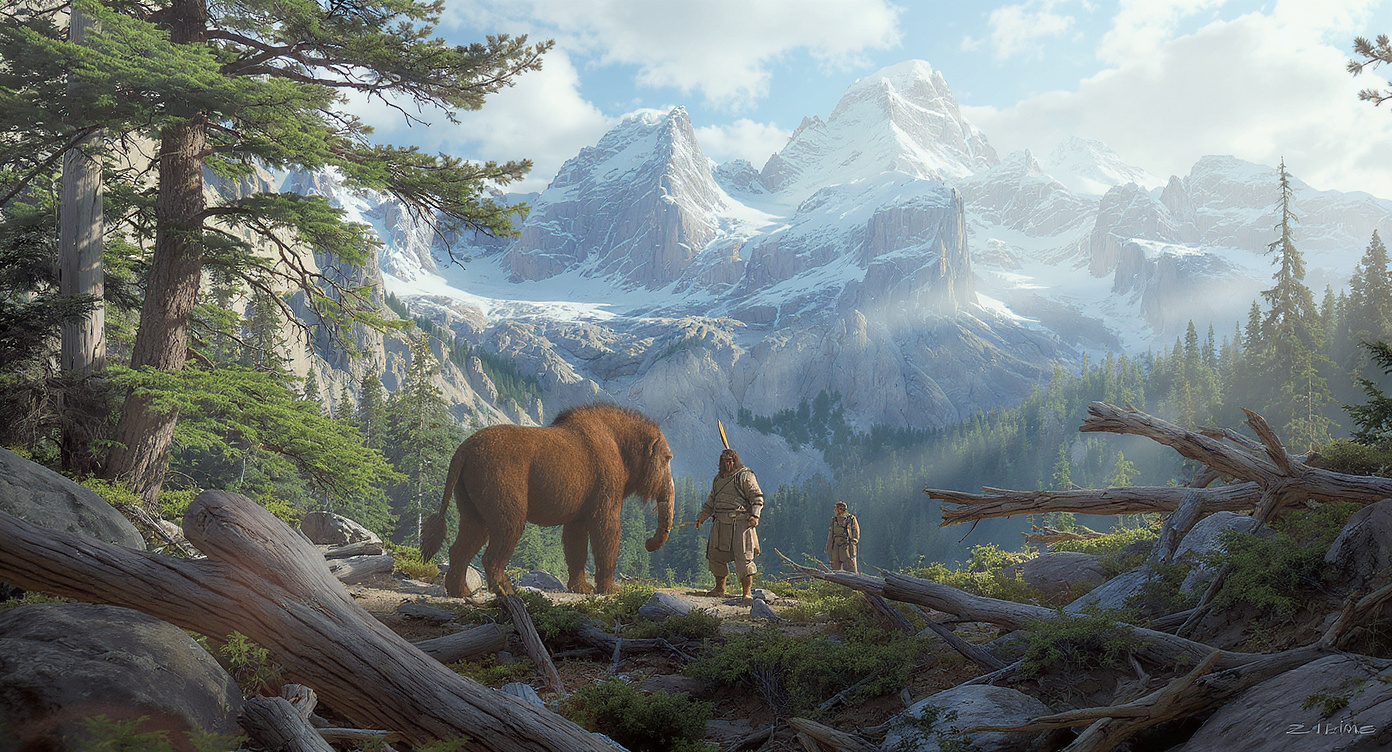
Geneticists have discovered traces of two ancient species in the DNA of modern humans—species that existed before the emergence of Homo sapiens. These findings broaden our understanding of the complex history of interbreeding between human ancestors and other hominids.
Chinese bioengineers have developed a tool called smACGmax, which can simultaneously replace three types of nucleotides in DNA to accelerate the process of directed genome evolution. This technology enables the creation of cells with new beneficial properties and speeds up the development of medicines.
A new study has shown that the APOE2 gene variant helps neurons protect DNA and slows down cellular aging, thereby reducing the risk of dementia and Alzheimer's disease. These findings open up new possibilities for therapeutic approaches, especially for people with a high genetic risk.
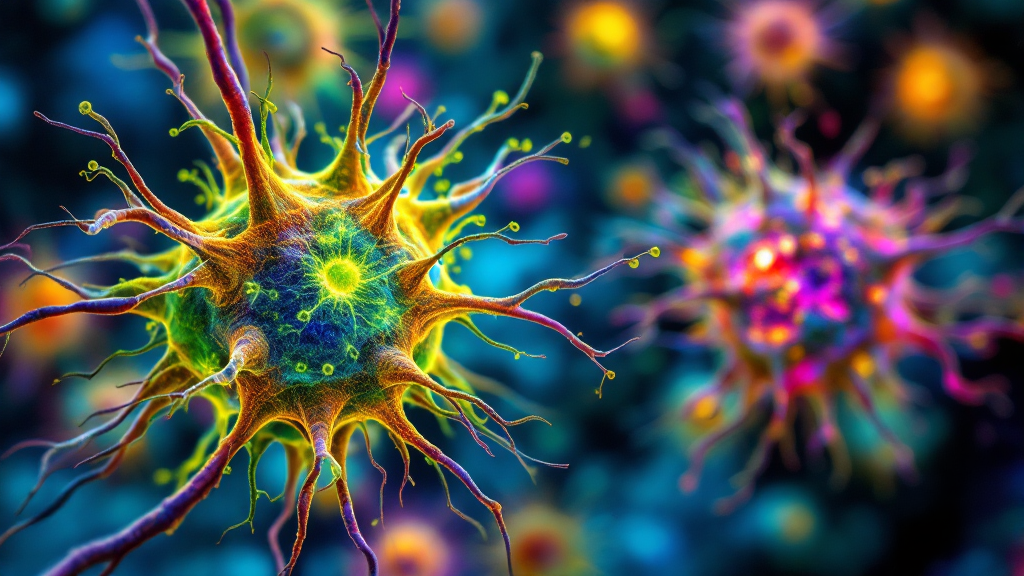
A new study has found that depression is linked to changes in certain types of brain cells responsible for mood and immune functions, opening up possibilities for new treatment methods.
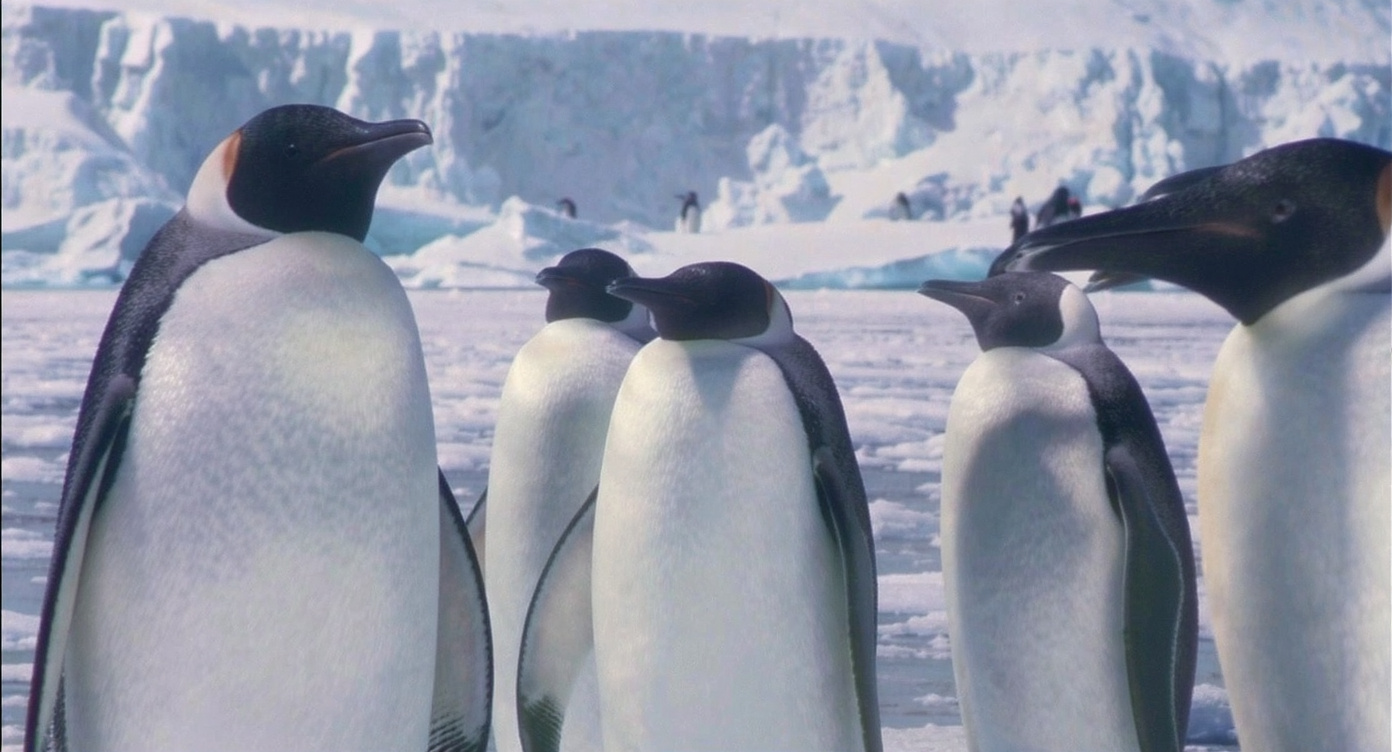
A study has shown that king penguins in zoos live longer than those in the wild, but their cells age faster due to constant feeding and low physical activity. While comfortable conditions increase their lifespan, they also shorten the period of biological youth.
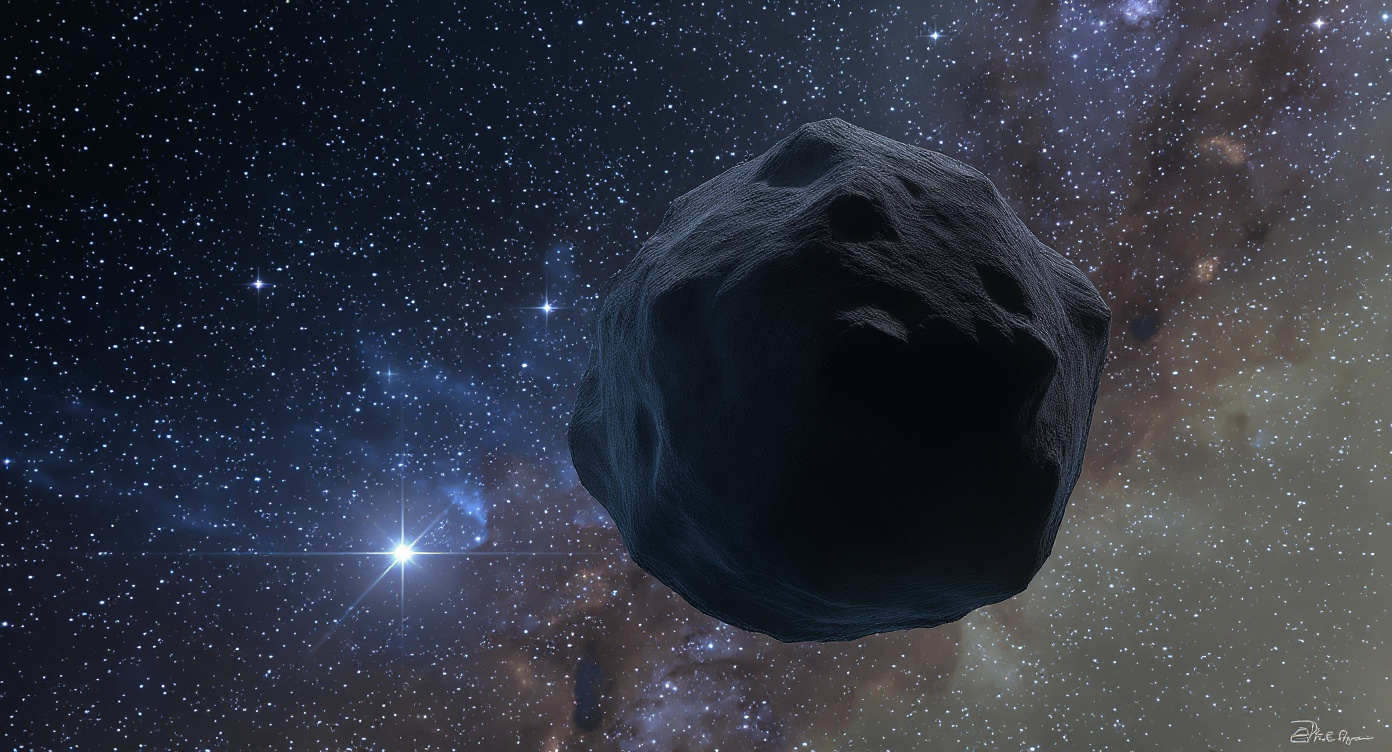
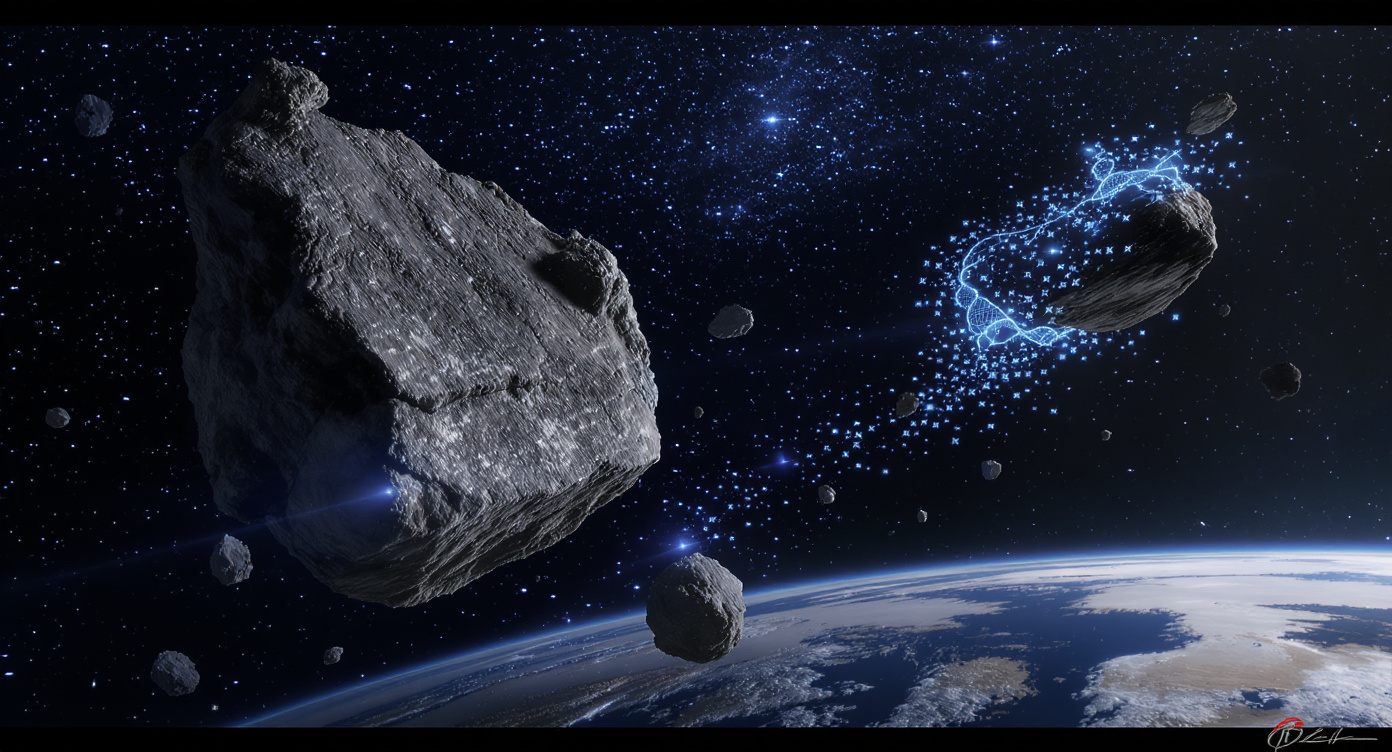
Studies of the asteroid Ryugu have revealed the presence of all the nucleobases that make up DNA and RNA, strengthening the hypothesis that key components for life could have been delivered to Earth from space. This discovery supports the idea that essential molecules for life can form outside our planet.
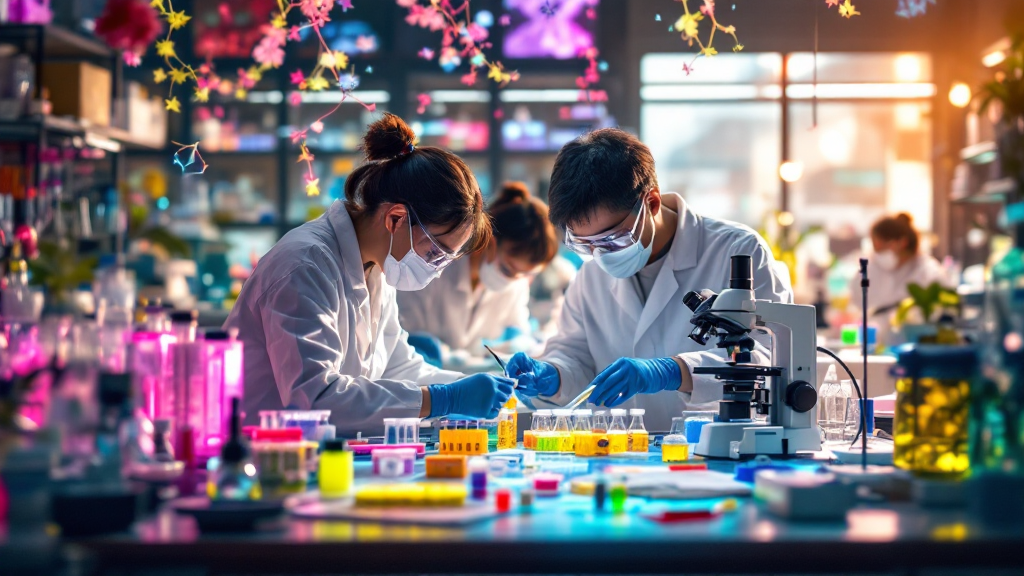
Scientists have developed a fast and sensitive method for detecting unknown substances capable of damaging DNA in everyday products. This new approach allows for more effective identification of hazardous compounds even in complex mixtures, and can be used for routine quality control of products and water.
American geneticists have discovered that the absence of Neanderthal genes on the X chromosome in modern humans is not due to biological incompatibility, but rather to the mating preferences of ancient people. The study showed that Neanderthal men more often formed unions with Homo sapiens women, while hybrid men rarely left descendants, which influenced the genetic makeup of future generations.
Genetic analysis of remains found in Italy has revealed that rare hereditary diseases existed as far back as 12,000 years ago. The study identified a mutation in an ancient adolescent that caused a severe growth disorder, providing evidence of social support within Ice Age communities.
Scientists are studying universal paralogs—ancient genes preserved in all living organisms—to learn more about the earliest stages of evolution and the origins of life on Earth. New analytical methods make it possible to reconstruct the functions of these genes and bring us closer to understanding how the first cells emerged.
A new study reveals that Homo sapiens and Neanderthals regularly interacted and interbred across vast areas of Eurasia for thousands of years, not just in a single region. These prolonged interactions have left a significant mark on the genome of modern humans.
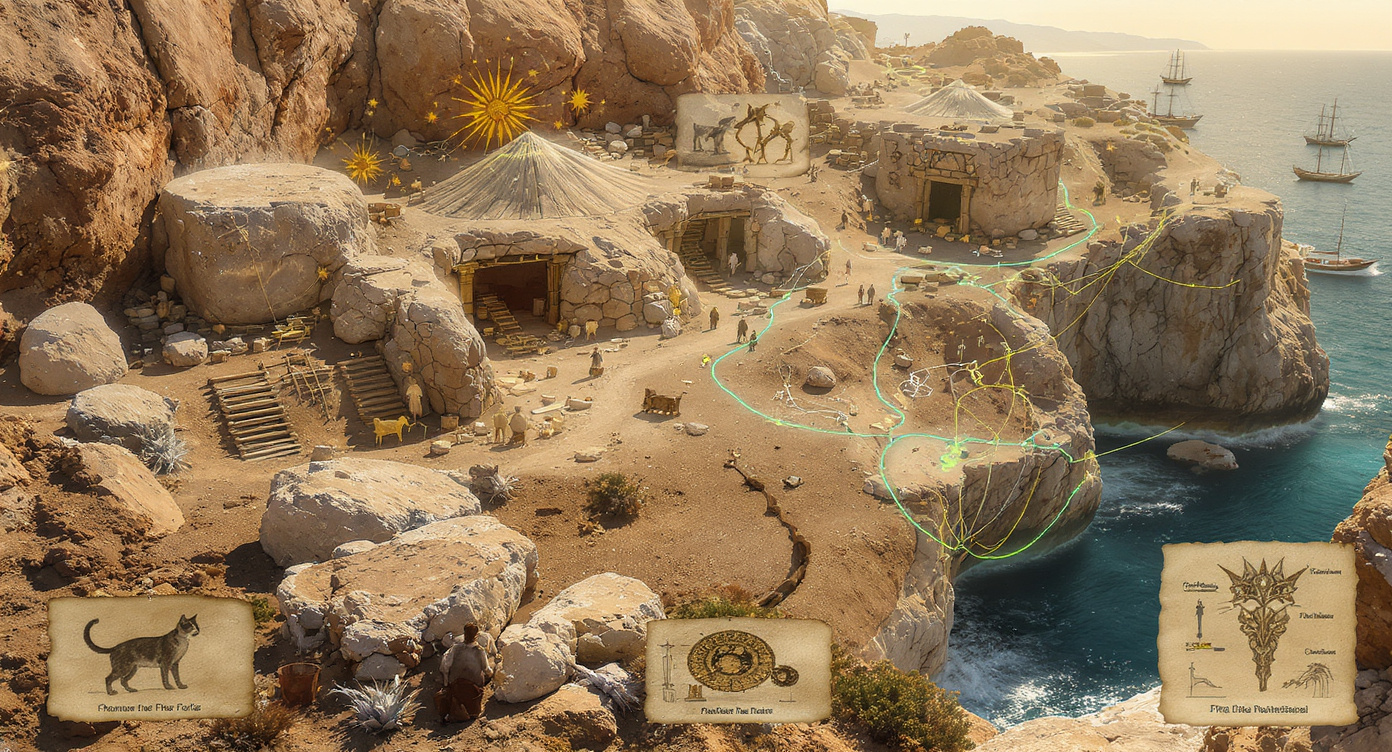
A new study of ancient DNA has revealed that domestic cats appeared in Europe much later than previously thought, and spread across the continent thanks to trade and maritime routes in antiquity.
Scientists have analyzed data on possible extraterrestrial life and discovered complex organic compounds, including DNA components, in the Orgueil and Murchison meteorites. While the question of the existence of alien microbes remains open, research confirms that the "ingredients" for life can form in space.
The new HPV-DeepSeek test can detect HPV-associated head and neck cancer many years before symptoms appear by analyzing fragments of viral DNA in the blood. This approach could significantly increase the chances of successful treatment and improve patients' quality of life.
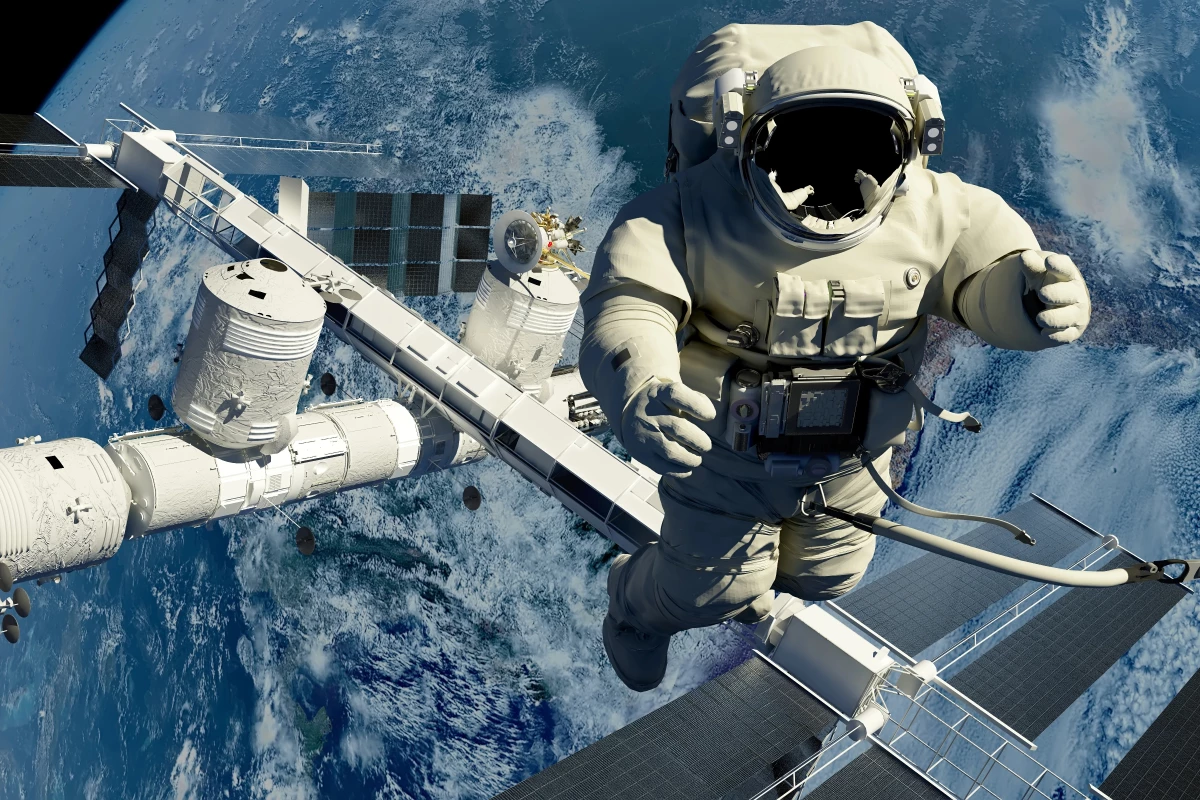
A new study has shown that being in space accelerates the aging of human hematopoietic stem cells, reducing their ability to regenerate. These findings are important for protecting astronauts' health and for studying the aging process on Earth.


 Cursus