Short but intense sprints trigger significant molecular changes associated with improved metabolic health and slower aging, surpassing the effects of moderate exercise. The study highlights the importance of exercise intensity in disease prevention.
Adipose tissue is essential for metabolism and hormonal balance, and its loss or dysfunction can lead to diabetes and other diseases. Recent studies highlight the importance of protecting fat cells to maintain metabolic health.
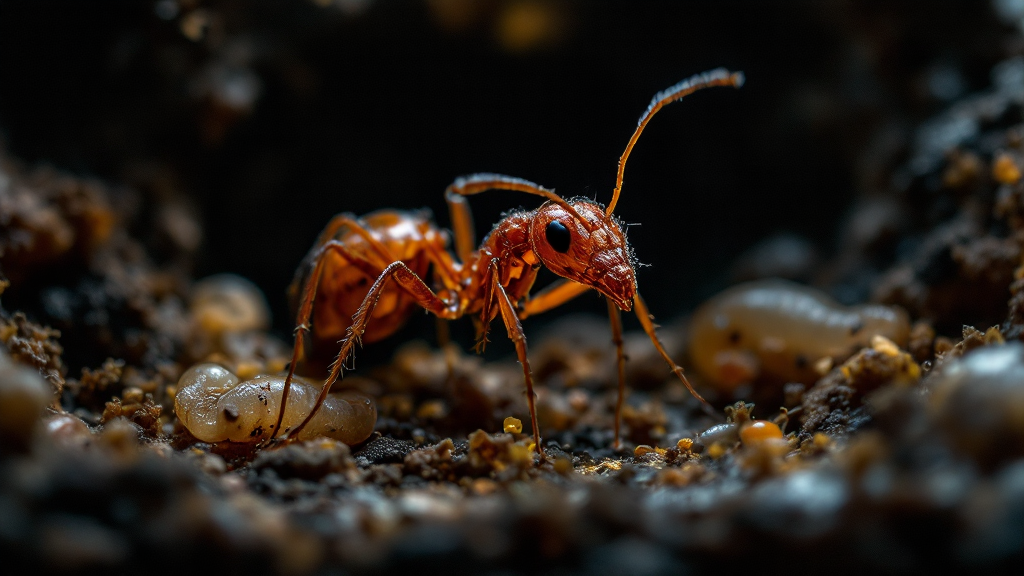
A study has shown that the parasitic worm Anomotaenia brevis alters gene activity in ants, affecting their behavior and lifespan. Instead of mimicking the host's hormones, the parasite manipulates existing genetic mechanisms that control aging and social activity.
Scientists have identified a specific neural circuit in the brain that plays a key role in anxiety and social isolation. Restoring balance in this circuit in mice reduced symptoms of anxious and depressive behavior, opening up new possibilities for the treatment of affective disorders.
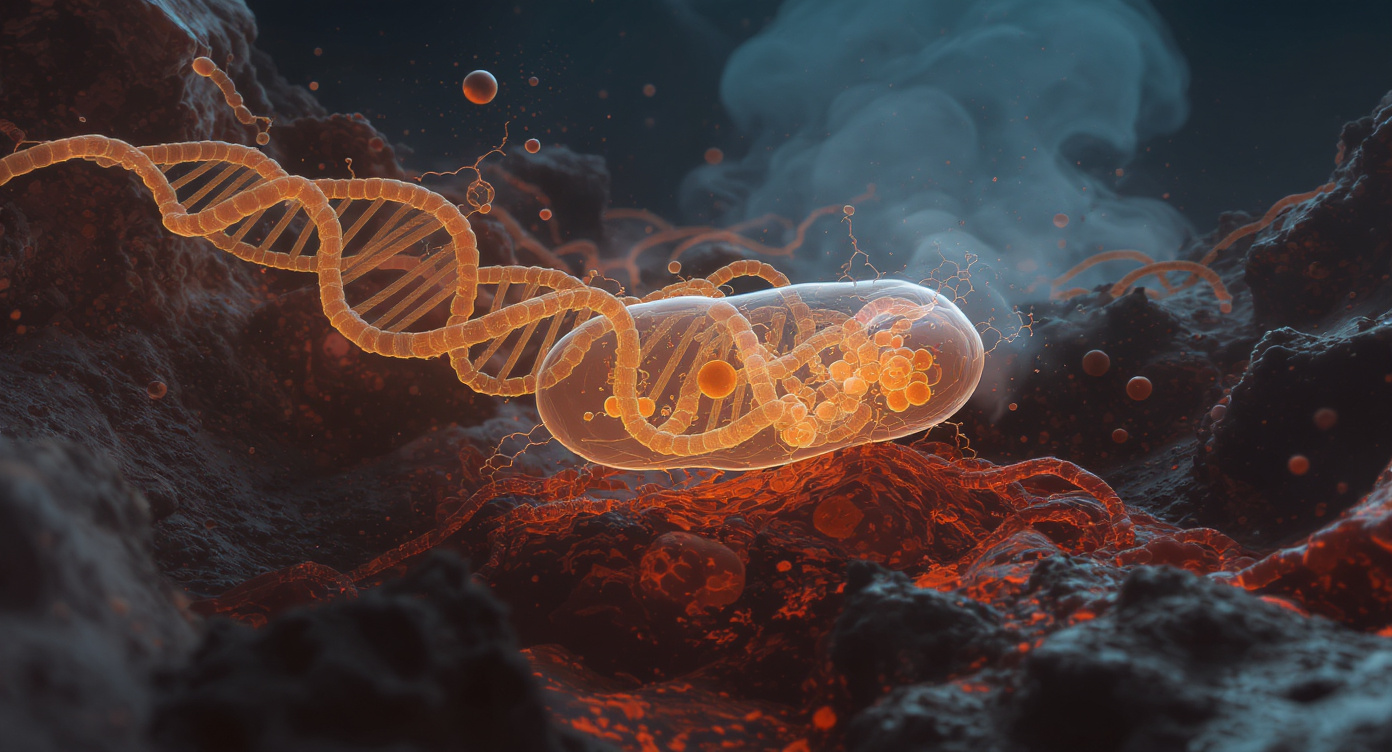
Researchers at MIT, using artificial intelligence, have discovered thousands of new genes that protect bacteria from viruses, including previously unknown defense mechanisms. This breakthrough expands our understanding of how immunity evolves in microorganisms.
Scientists are studying universal paralogs—ancient genes preserved in all living organisms—to learn more about the earliest stages of evolution and the origins of life on Earth. New analytical methods make it possible to reconstruct the functions of these genes and bring us closer to understanding how the first cells emerged.
About 22% of young Americans use cannabis or alcohol to improve their sleep, but experts warn that these methods can actually worsen sleep quality and lead to additional health problems.
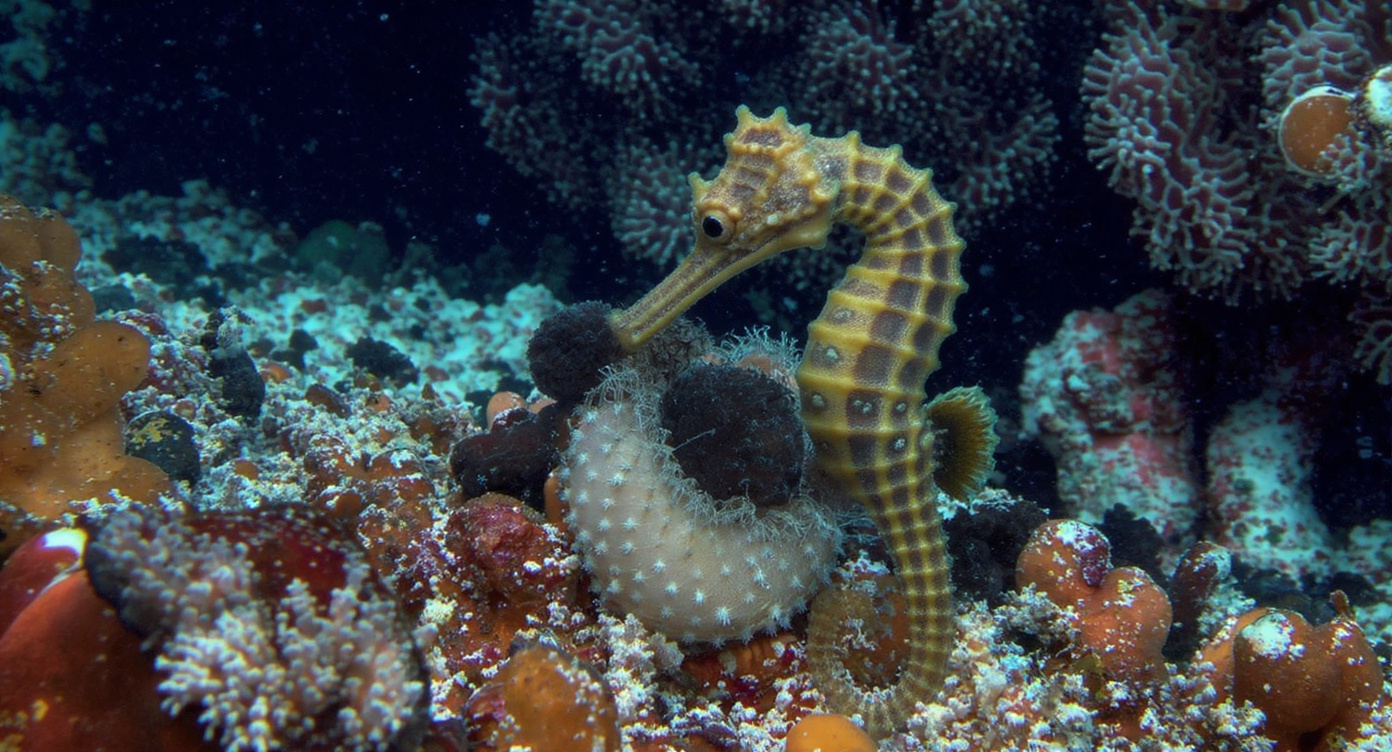
Seahorses are unique in that it is the males who carry and give birth to the offspring. A new study reveals the genetic and hormonal mechanisms behind this phenomenon, as well as its evolutionary significance.
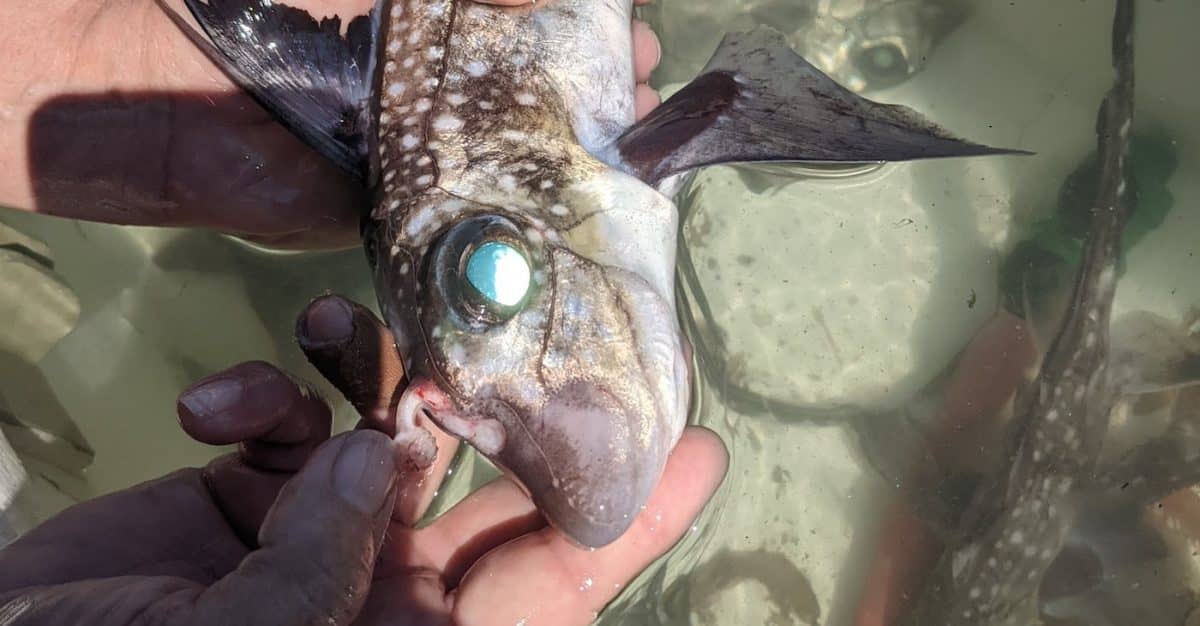
Researchers have discovered that the growths on the foreheads of male deep-sea chimaeras are actually real teeth that develop outside the oral cavity and are used to hold onto the female during mating. This is a unique evolutionary phenomenon among vertebrates.


 Salus
Salus