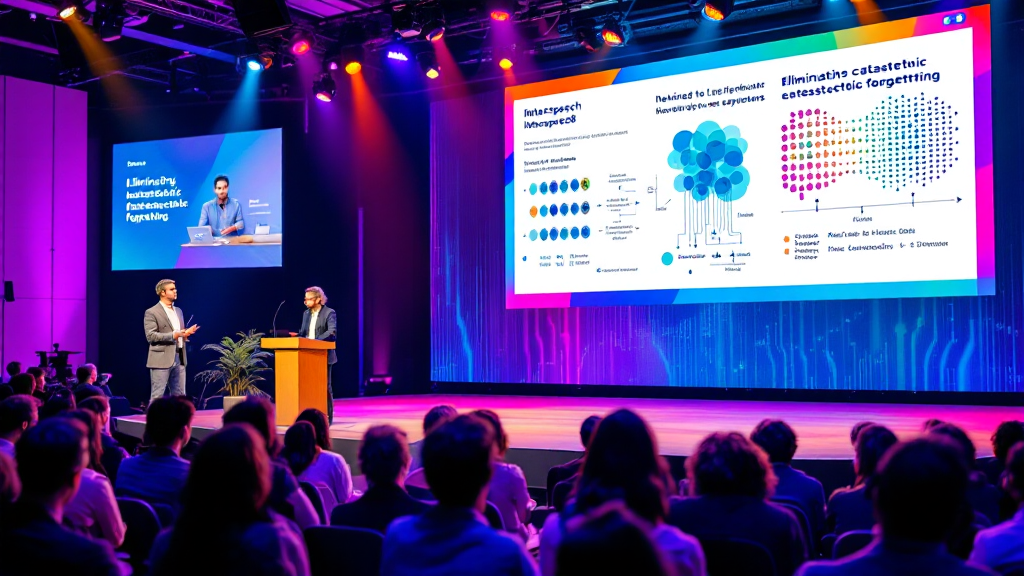
Yandex researchers have proposed a new modular method that allows voice commands to be added to smart devices without compromising the recognition of already known phrases. This solution reduces the risk of "catastrophic forgetting" and is suitable for devices with limited resources.
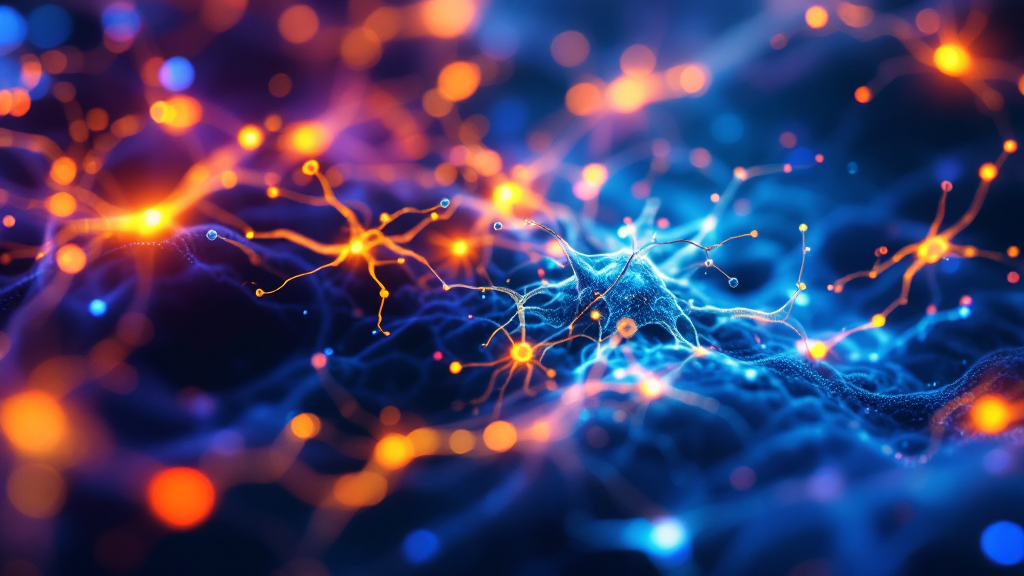
A new study has shown that even under deep anesthesia, the brain is still able to distinguish the meaning of heard words and analyze speech. These findings expand our understanding of unconscious perception and memory function.
At the ICML conference in Seoul, new methods were presented that accelerate AI training, improve the efficiency of computational resource usage, and enable work with limited or complex data. The research covers model optimization, faster search and recommendation systems, as well as reducing reliance on manual data labeling.
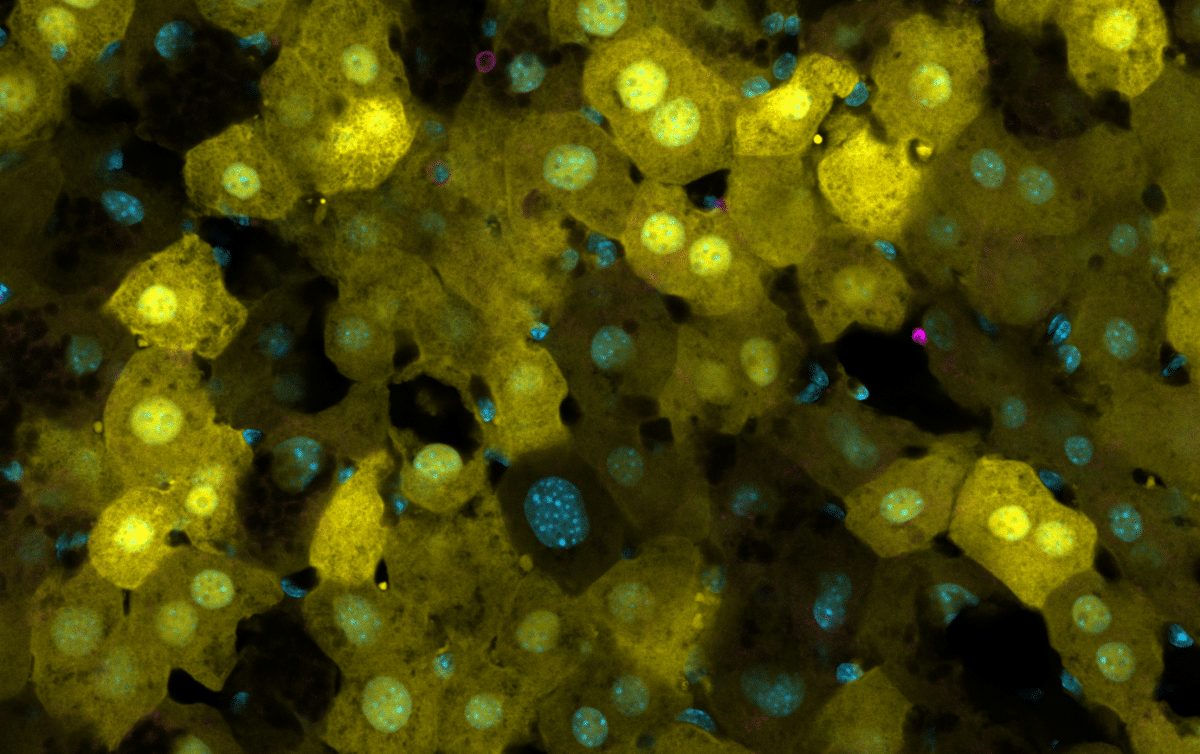
American biotechnologists have, for the first time, restored youthful characteristics in aged human liver cells using epigenetic reprogramming. The company is preparing for clinical trials to confirm the effectiveness of this method and to expand its use for treating liver diseases and rejuvenating other tissues.
A new method based on artificial intelligence and satellite data enables highly detailed tracking of ocean currents, including the complex structures of the Gulf Stream. The GOFLOW technology opens up new possibilities for monitoring climate and ecosystems without the need to launch additional satellites.
A new AI-powered system developed by Hebrew University leverages advanced imaging and machine learning to optimize indoor green walls, enhancing plant health, lowering maintenance needs, and promoting energy-efficient building design.
Researchers at MIT, using artificial intelligence, have discovered thousands of new genes that protect bacteria from viruses, including previously unknown defense mechanisms. This breakthrough expands our understanding of how immunity evolves in microorganisms.
A new study has shown that the sleep and activity patterns of fish in the early stages of life can predict their lifespan. These behavioral patterns are linked to internal biological changes and may serve as indicators of health and aging.
Researchers have developed a nanoprocessor that uses light instead of electricity, enabling it to perform complex calculations in trillionths of a second while significantly reducing energy consumption. The new photonic chip has successfully passed tests on biomedical images, paving the way for more efficient and environmentally friendly computing platforms.
The new report highlights the importance of investing in national diagnostic technologies to accelerate the development of fusion energy. Experts identify key areas of focus, including the implementation of artificial intelligence, workforce development, and the creation of innovative measurement systems.
Generative artificial intelligence can significantly accelerate the analysis of medical data and the development of models, sometimes even outperforming traditional specialist teams in terms of efficiency. These AI tools help researchers find solutions to complex biomedical challenges more quickly, but they require careful oversight and expert evaluation.
Sony has patented a cloud platform designed to simplify the development and testing of PlayStation games without the need for physical dev kit devices. The system supports collaborative work, offers generative AI tools, and can speed up the creation of game assets, making the process more accessible for independent studios.
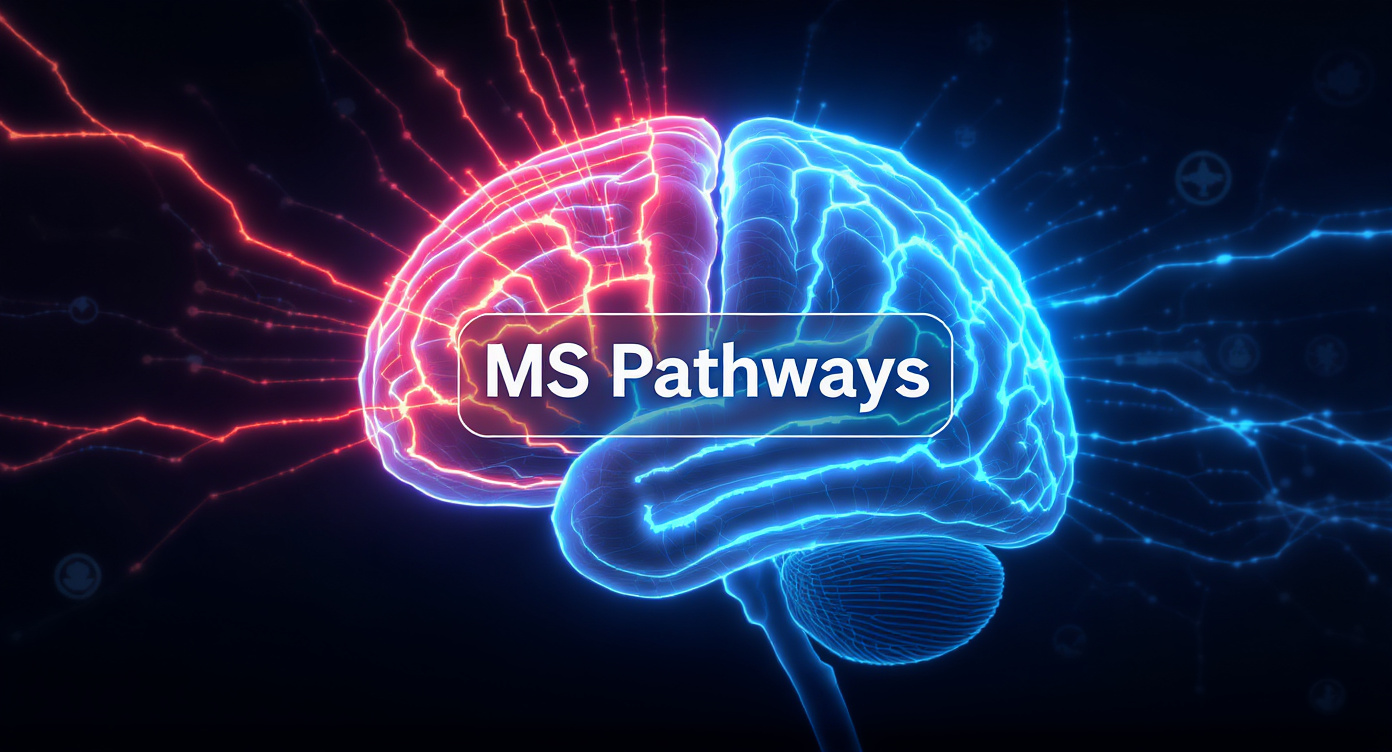
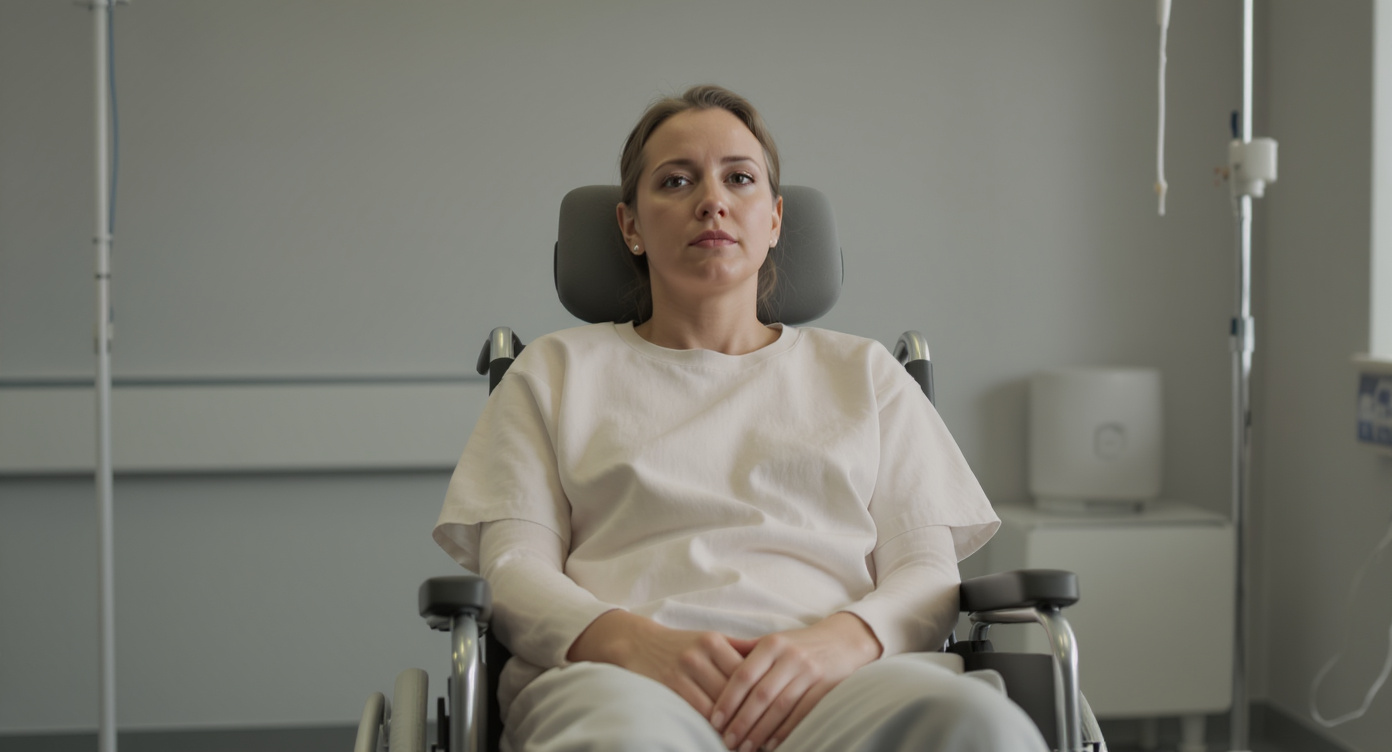
A new study has shown that multiple sclerosis can develop through two distinct biological pathways, which explains the differences in disease progression and treatment response among patients. This discovery could lead to changes in how the disease is diagnosed and treated in the future.
Scientists are exploring the possibility of using EEG to restore movement in people with spinal cord injuries, offering a non-invasive alternative to implants. This method already allows researchers to detect attempts at movement, and there are plans to further develop it for controlling limb stimulators.
Microplastics, when exposed to sunlight, release complex chemical compounds that can quietly spread through bodies of water and potentially impact ecosystems. Recent studies highlight the importance of considering these dissolved substances when assessing environmental risks.

 Crius
Crius