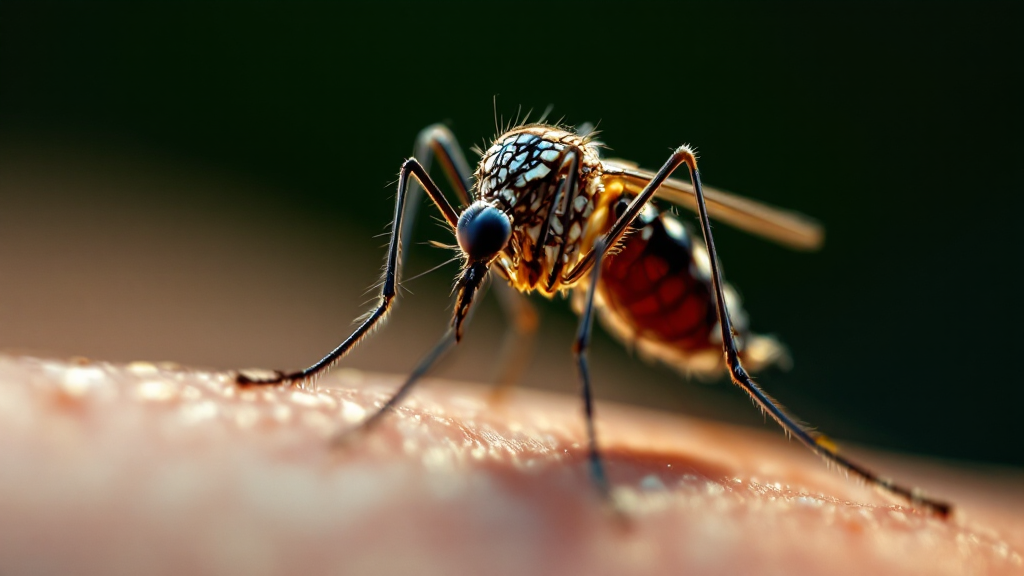
A new study has shown that different species of mosquitoes choose their victims based on unique scents and the skin microbiome, and that there are no universally attractive people for all insects. These findings could help develop more effective protective measures.
Grape pomace can serve as an effective and environmentally friendly alternative to antibiotics in poultry farming, promoting bird growth and health without the risk of developing antibiotic-resistant bacteria. Research shows that adding grape pomace improves the microbiome, reduces inflammation, and enhances product quality.
A large study has shown that regular oral hygiene in hospitalized patients reduces the risk of hospital-acquired pneumonia by 60%. Simple measures, such as brushing teeth, can significantly improve patient safety during treatment.
A study has shown that powdered matcha green tea reduces the frequency of sneezing in allergic rhinitis by acting as a neuromodulator and blocking the nerve signals that trigger this reflex. However, matcha does not eliminate the underlying cause of the allergy and does not affect immunity or gut microbiota.
Generative artificial intelligence can significantly accelerate the analysis of medical data and the development of models, sometimes even outperforming traditional specialist teams in terms of efficiency. These AI tools help researchers find solutions to complex biomedical challenges more quickly, but they require careful oversight and expert evaluation.
Scientists at UCLA have discovered a way to reduce the white residue left by zinc oxide sunscreens by altering the shape of its particles. The new cream maintains its protective properties but looks much more natural on the skin.
Scientists have discovered a gut microbe called Turicibacter that helps prevent fat accumulation even on a high-fat diet. This finding could lead to new ways to combat excess weight.
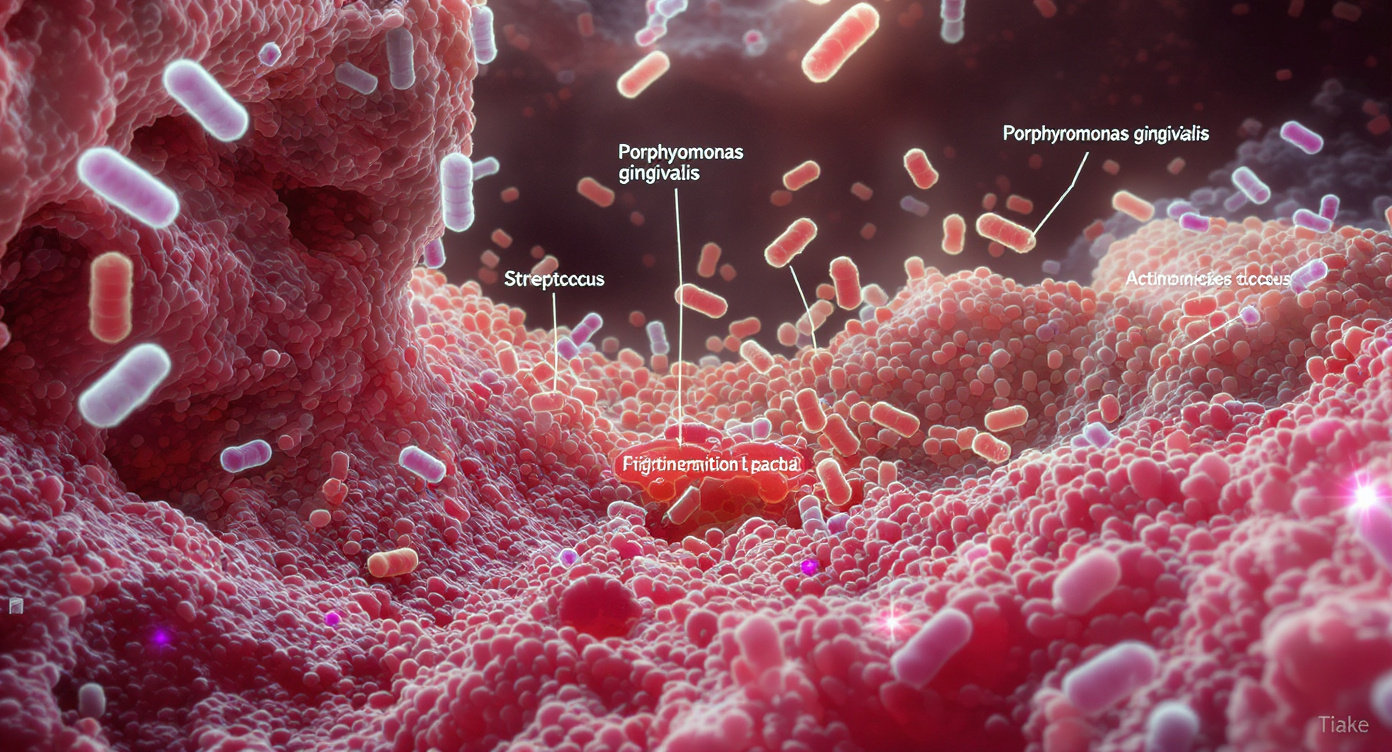
A new study has shown that interfering with the chemical communication of bacteria in dental plaque may help maintain a healthy oral microbiome and prevent disease. This approach opens up new possibilities for developing therapies aimed at balancing microbial communities.
Scientists have discovered that gut microbes can protect the body from diabetes by reducing inflammation and improving insulin sensitivity through the processing of dietary choline. This finding could lead to new strategies for preventing and treating diabetes through nutrition and microbiome management.
Researchers have discovered that the veterinary antibiotic cephaloridine can stimulate gut bacteria to produce compounds that slow down aging in animals. This finding could change the approach to developing life-extending drugs that target the gut microbiome.
Recent studies show that regularly consuming cruciferous vegetables helps stabilize blood sugar levels, reduces the risk of colorectal cancer, and supports blood pressure control.
A new study has shown that taking magnesium may promote the growth of gut bacteria that help reduce the risk of colorectal cancer, especially in women and people without certain genetic traits. The effect depends on genetics and gender, and further research is needed before clinical recommendations can be made.
A new study has found that mosquitoes are more likely to be attracted to people who drink beer or use cannabis, while a recent shower and sunscreen can make you less appealing to these insects. However, the exact reasons for this selectivity are still unclear.
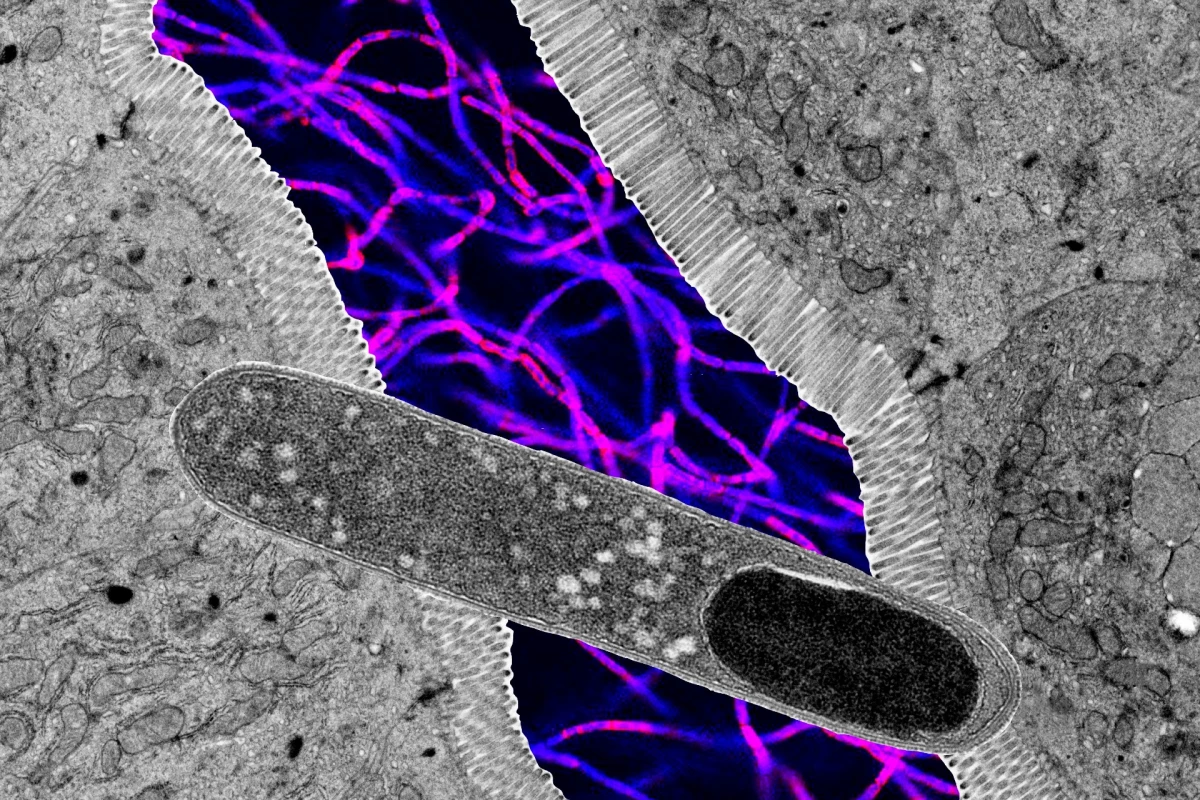
Scientists have discovered previously unknown large fragments of extrachromosomal DNA, called Inocles, in the oral microbiome. These fragments may influence the health of teeth and gums. Their role and functions are yet to be fully understood.

 Cursus