In various countries, birds have started using cigarette butts to build their nests as a way to protect themselves from parasites. However, by doing so, they are also exposed to harmful substances, which can have a negative impact on their health.
The study found that many pet foods contain PFAS—persistent synthetic compounds—especially in fish-based products. Additional research is needed to assess the risks these substances pose to animals.
A new study has found that even firefighter protective gear without PFAS may contain brominated flame retardants, which could pose health risks. This highlights the importance of transparency when selecting materials for protective equipment.
A new large-scale study has shown that fluoride in drinking water at recommended levels does not harm cognitive functions and may even help improve them. These findings confirm the safety and potential health benefits of water fluoridation for the population.
Researchers have discovered that the veterinary antibiotic cephaloridine can stimulate gut bacteria to produce compounds that slow down aging in animals. This finding could change the approach to developing life-extending drugs that target the gut microbiome.
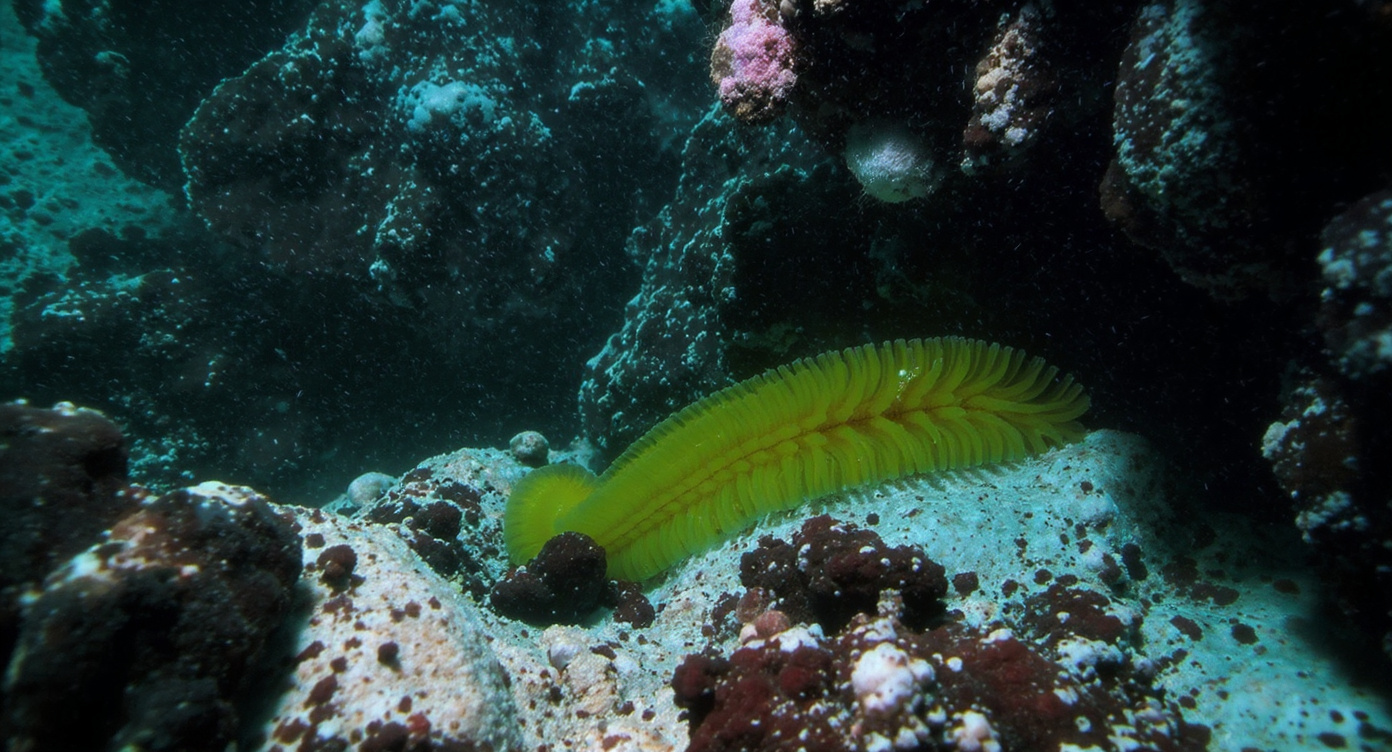
Scientists have discovered a deep-sea worm that transforms deadly toxins into protective crystals, using them as its own armor. This finding changes our understanding of survival in extreme environments.
Scientists have developed an innovative method for purifying toxic red mud—a waste product from aluminum production—using electrical impulses. This technology makes it possible to transform hazardous material into a valuable resource for construction and for recovering aluminum, thereby reducing environmental impact.


 Natura