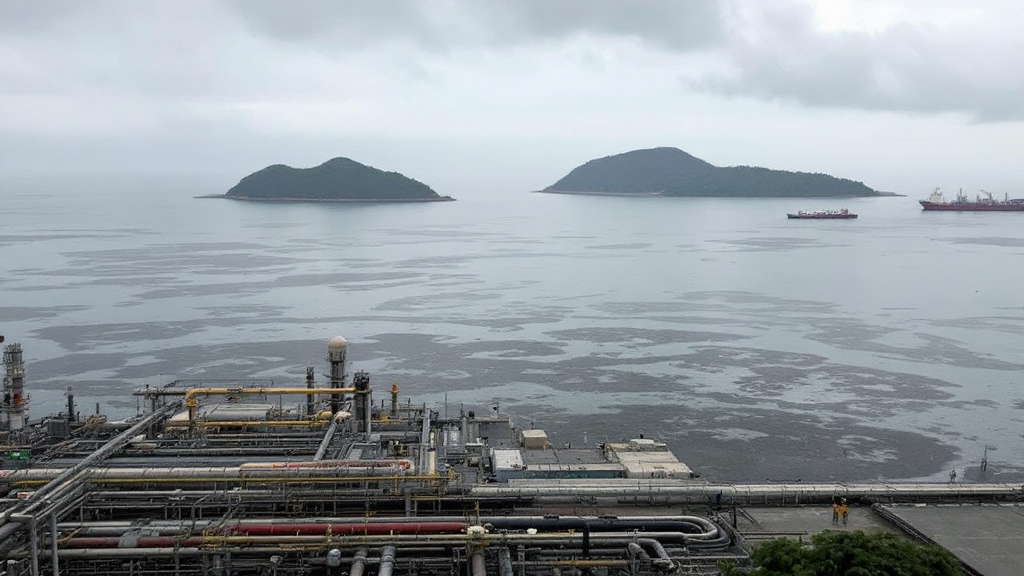
Shell's Singapore subsidiary has been accused of two incidents of oil product spills into the sea in 2024, as well as failing to promptly notify authorities. The company faces hefty fines, and the investigation is ongoing.
The use of scented cleaning products can lead to the formation of nanoparticles in indoor air, especially when used together with ozone-generating devices. These particles are able to penetrate deep into the lungs, so it is important to ventilate rooms regularly and choose cleaning products with minimal fragrance content.
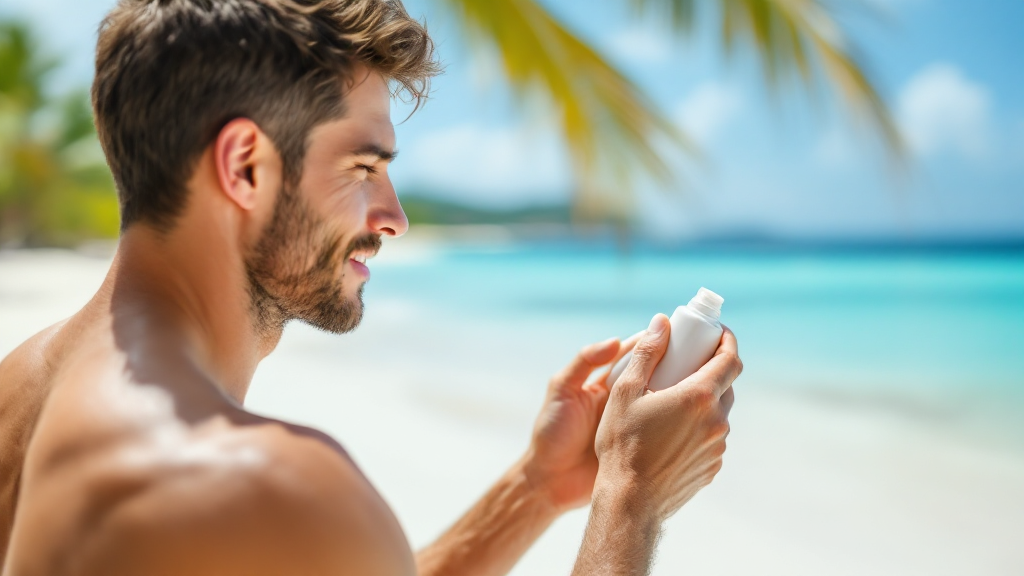
British ecologists have discovered that most people are unaware of the harmful effects sunscreen can have on marine environments. The study highlights a gap between actual environmental threats and consumer habits.
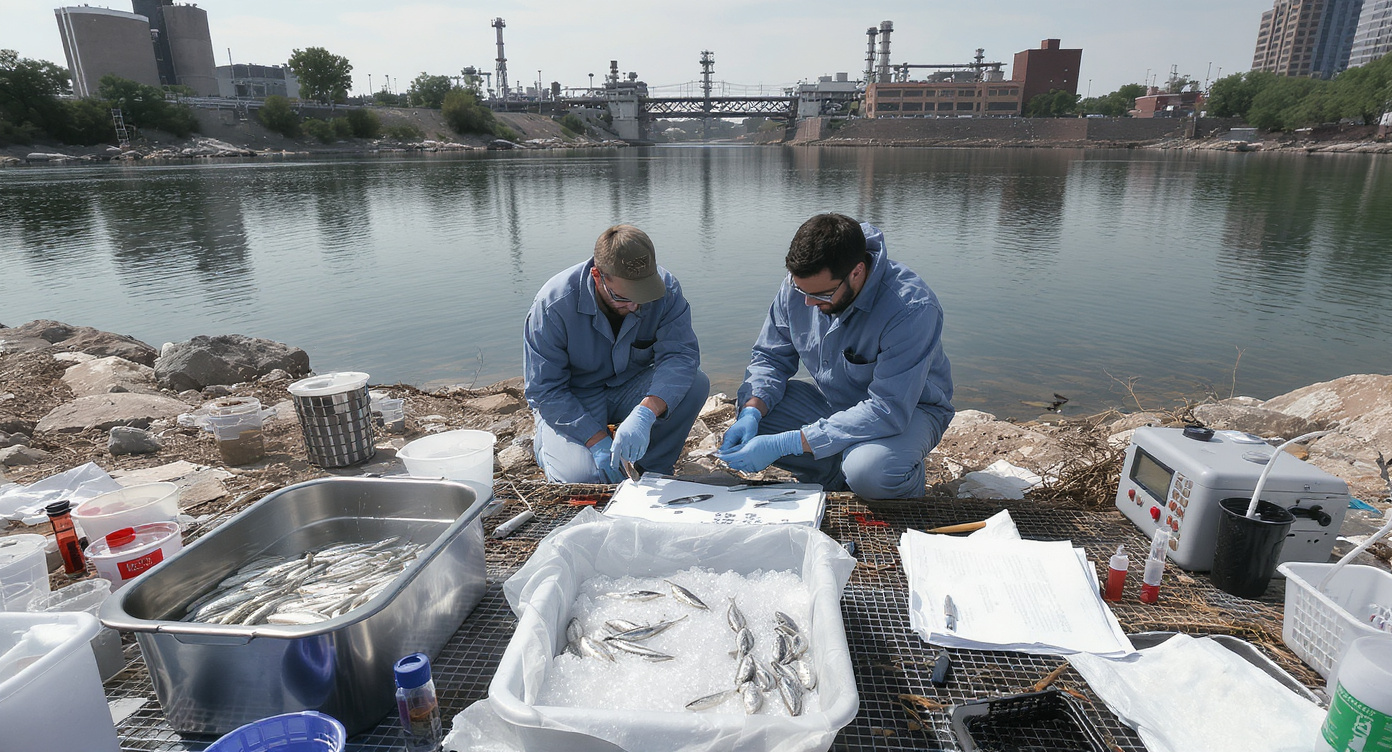
Canadian ecologists have discovered that antidepressants and opioids accumulate in the tissues of small river fish living downstream from wastewater treatment plants. The study revealed gender differences in toxin accumulation and proposed a new analytical method to assess the impact of pharmaceutical pollution on aquatic ecosystems.
The study found that many pet foods contain PFAS—persistent synthetic compounds—especially in fish-based products. Additional research is needed to assess the risks these substances pose to animals.
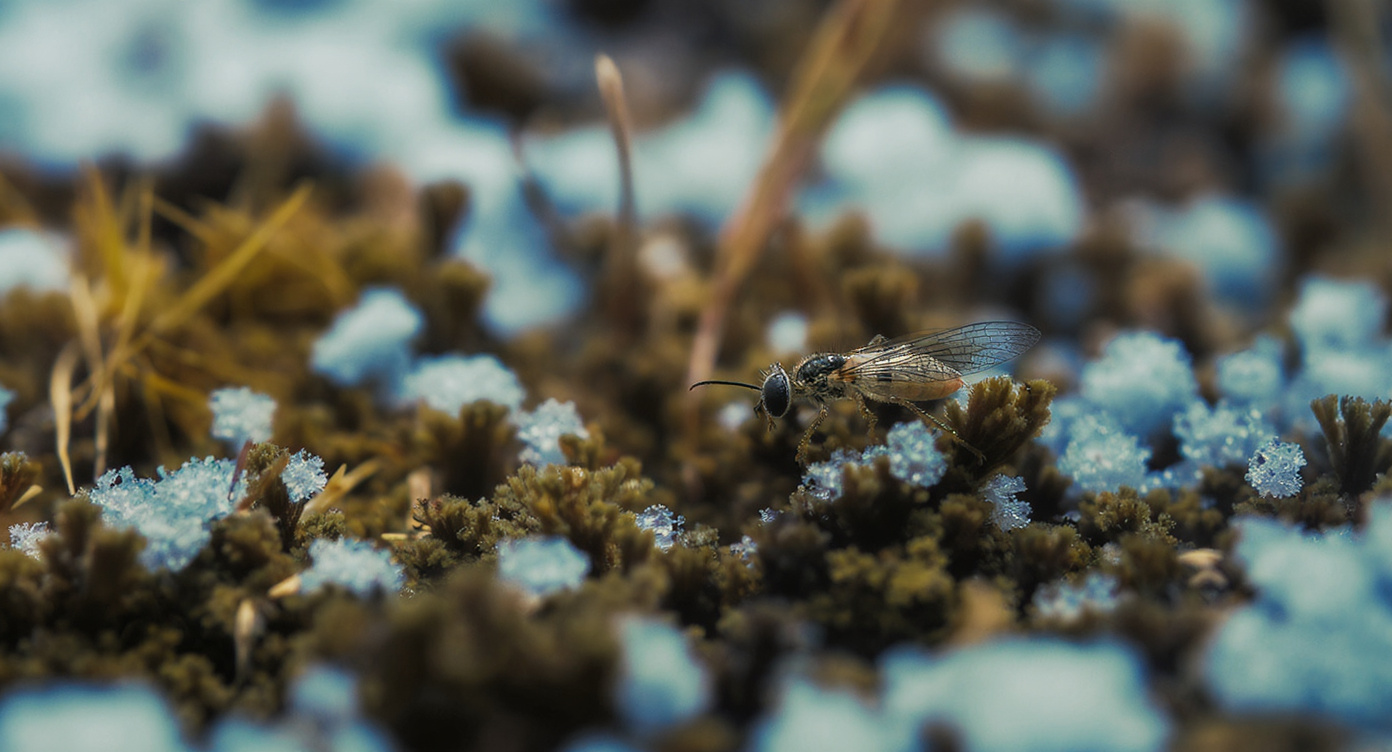
Новое исследование показало, что даже единственный коренной вид насекомых Антарктиды уже сталкивается с микропластиком. Учёные обнаружили пластиковые частицы внутри личинок Belgica antarctica, что свидетельствует о проникновении загрязнения даже в самые изолированные экосистемы планеты.
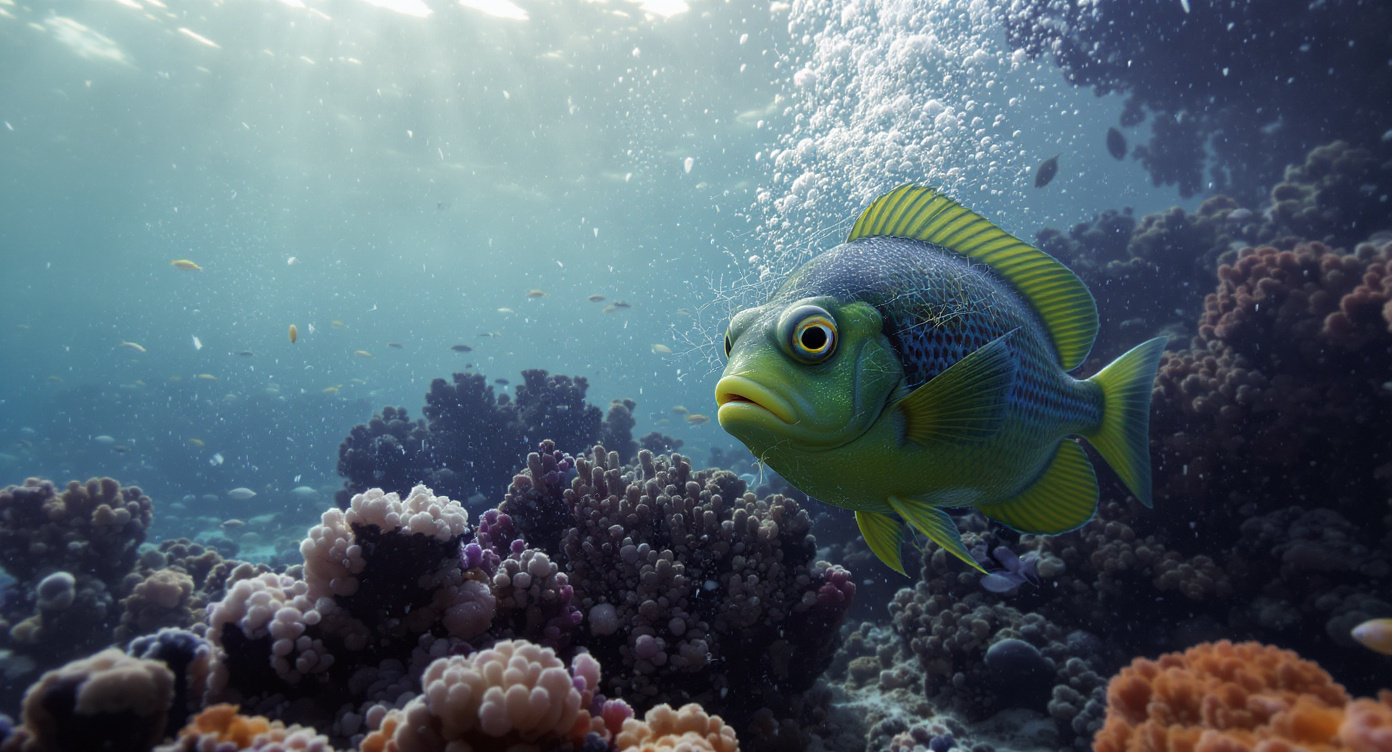
A new study has found that about a third of fish near the remote islands of the Pacific Ocean contain microplastics, with particularly high levels recorded around Fiji. This highlights the vulnerability of even isolated ecosystems to plastic pollution and raises concerns about the region's food security.
A new study has found that forest fires release 21% more organic pollutants into the atmosphere than previously thought, increasing their impact on air quality and human health.
A new study has shown that plastic and oil in the ocean can combine to form a stable hybrid pollutant capable of traveling vast distances. The impact of this "oil-plastic" on ecosystems is still not well understood.
Scientists have discovered that the photosynthetic bacterium Rhodopseudomonas palustris is capable of absorbing the persistent pollutant PFOA, a member of the PFAS family. This finding could pave the way for the development of biological methods for water purification, although further research is needed before such methods can be implemented.
A long-term study in Bangladesh has shown that reducing arsenic levels in drinking water can lower mortality from chronic diseases, even among people who were previously exposed. Investing in clean water has the potential to save lives within a single generation.
Even after thorough sterilization, spacecraft can still carry terrestrial bacteria to Mars—microorganisms capable of surviving in extreme conditions. This complicates the search for genuine Martian life and calls for new methods to control contamination.

 Natura