

Microplastics found in one third of Pacific Ocean fish
A new study has found that about a third of fish near the remote islands of the Pacific Ocean contain microplastics, with particularly high levels recorded around Fiji. This highlights the vulnerability of even isolated ecosystems to plastic pollution and raises concerns about the region's food security.
Natura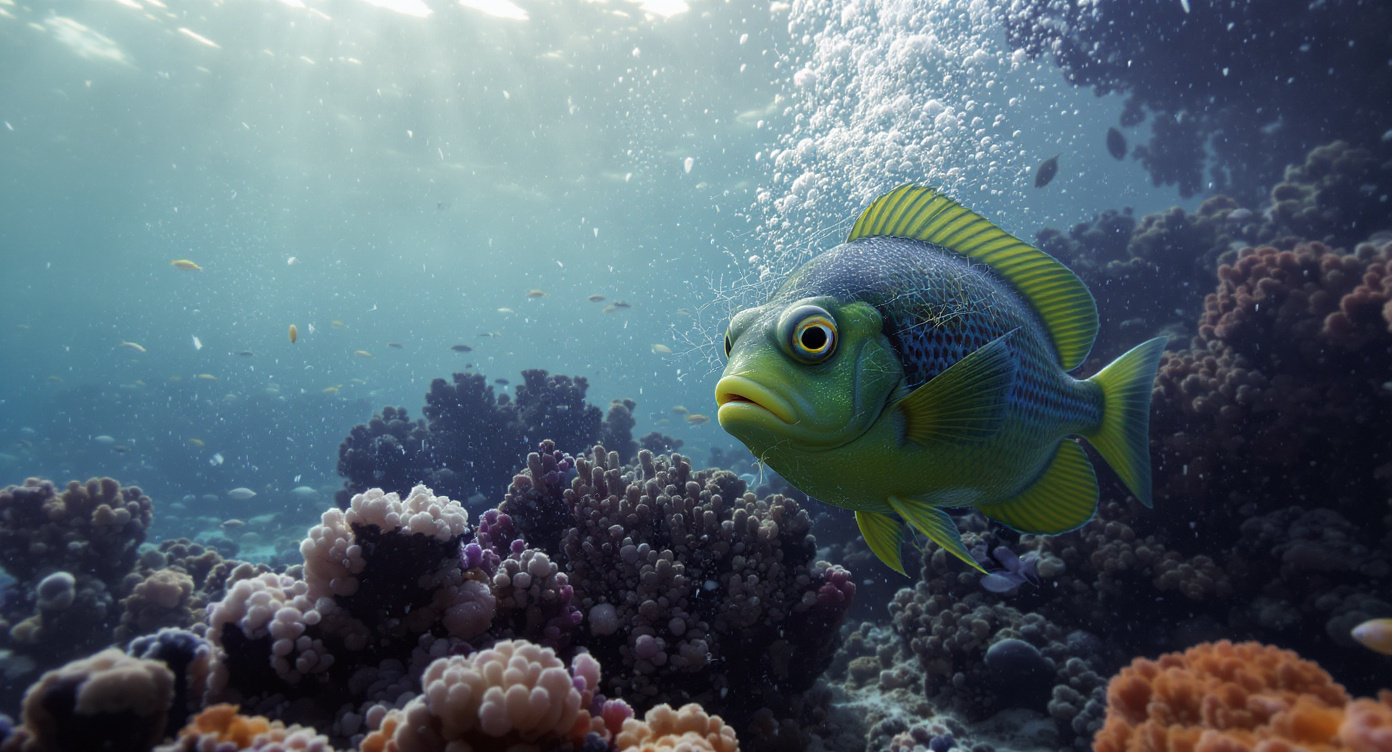
Study: Microplastics Found in a Third of Fish in Remote Pacific Ocean Regions
Microplastics in the Most Remote Corners of the Ocean
Scientists have discovered that about one in three fish caught near the shores of remote Pacific islands contains microplastics. The highest levels of contamination were recorded in the waters around Fiji. The study revealed that even fish living and feeding on reefs in isolated marine ecosystems are unknowingly ingesting plastic particles.
Extent of Pollution and Study Details
A new scientific study, published on January 28, 2026 in the journal PLOS One, confirms that plastic pollution has reached even the most remote coastal waters of the Pacific Ocean. Data analysis of 878 coastal fish from 138 species, caught by fishing communities in Fiji, Tonga, Tuvalu, and Vanuatu, showed that about a third of the fish contained microplastics. Fiji had particularly high rates—nearly 75% of the fish studied there contained microplastics, far exceeding the global average of 49%. In contrast, only 5% of fish in Vanuatu were found to be contaminated.
Causes and Regional Risks
Microplastics are an increasing concern worldwide, impacting marine ecosystems and posing potential risks to human health. Despite the geographic isolation of Pacific island nations and territories, rapid urban growth and limited waste management systems make them especially vulnerable to pollution. Coastal communities in the region rely heavily on fish for food, income, and cultural traditions, raising concerns about the long-term effects of consuming contaminated seafood.
Ecological Factors and Species Vulnerability
The study found that fish associated with reefs and bottom-dwelling species are more likely to contain microplastics than those found in lagoons, coastal waters, or the open ocean. Species that feed on invertebrates, forage near the seabed, or use ambush hunting strategies were also more susceptible to contamination. Two species—the emperor Lethrinus harak and the dash-and-dot goatfish (Parupeneus barberinus)—were found in all four countries and showed higher contamination levels in Fiji.
Impact on Food Security
The study’s authors emphasize that the consistently high contamination rates among reef fish across different countries highlight the importance of ecological factors as key risk drivers. National differences in contamination levels reflect the inefficiency or absence of waste management systems, even on remote islands.
Dr. Amanda Ford notes that while microplastic levels in Pacific fish are generally lower than in industrial regions, the dependence of local communities on fish as a primary protein source makes the issue particularly acute. This underscores the need for local research and for these findings to be considered in national policies and international agreements on plastics.
The Need for Global Solutions
Dr. Rufino Varea adds that the study serves as a serious warning about the vulnerability of the region’s food systems. Reef and bottom-dwelling fish, which are most accessible to local fishers, are becoming reservoirs of synthetic pollution, especially in Fiji. The predominance of fibers in the samples challenges the notion that marine debris is only a visible problem and shows that pollutants from textiles and fishing gear are entering the food chain directly.
These findings dispel the illusion that remoteness offers protection and highlight the urgent need for strict limits on the production of virgin plastics and toxic additives as part of a global plastics agreement—the only real way to safeguard the health and food security of Pacific peoples.