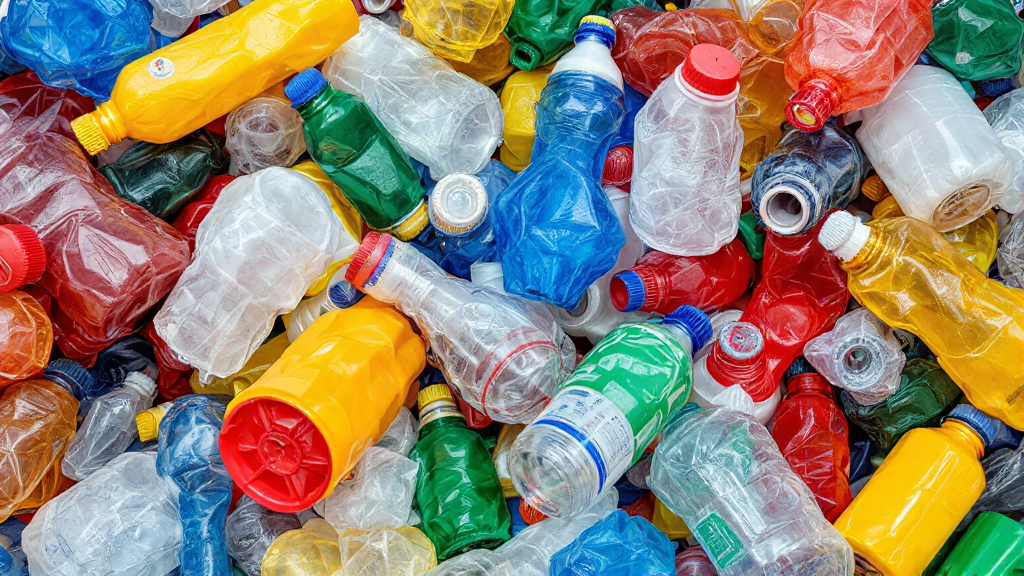
At Southern Illinois University, researchers have developed a method to convert plastic and plant waste into a protein-rich food product using genetically modified yeast. The project is currently at the proof-of-concept stage and requires further research to assess its safety and practical applications.
American researchers have developed a technology that transforms plastic waste into protein-rich food using genetically modified yeast. While widespread adoption is still a long way off, this method opens up new possibilities for recycling plastics and producing food products.
Scientists have developed a plastic coating with nanostructures that physically destroys viruses on surfaces, reducing the risk of infection. This technology can be used to protect phone screens and medical equipment.
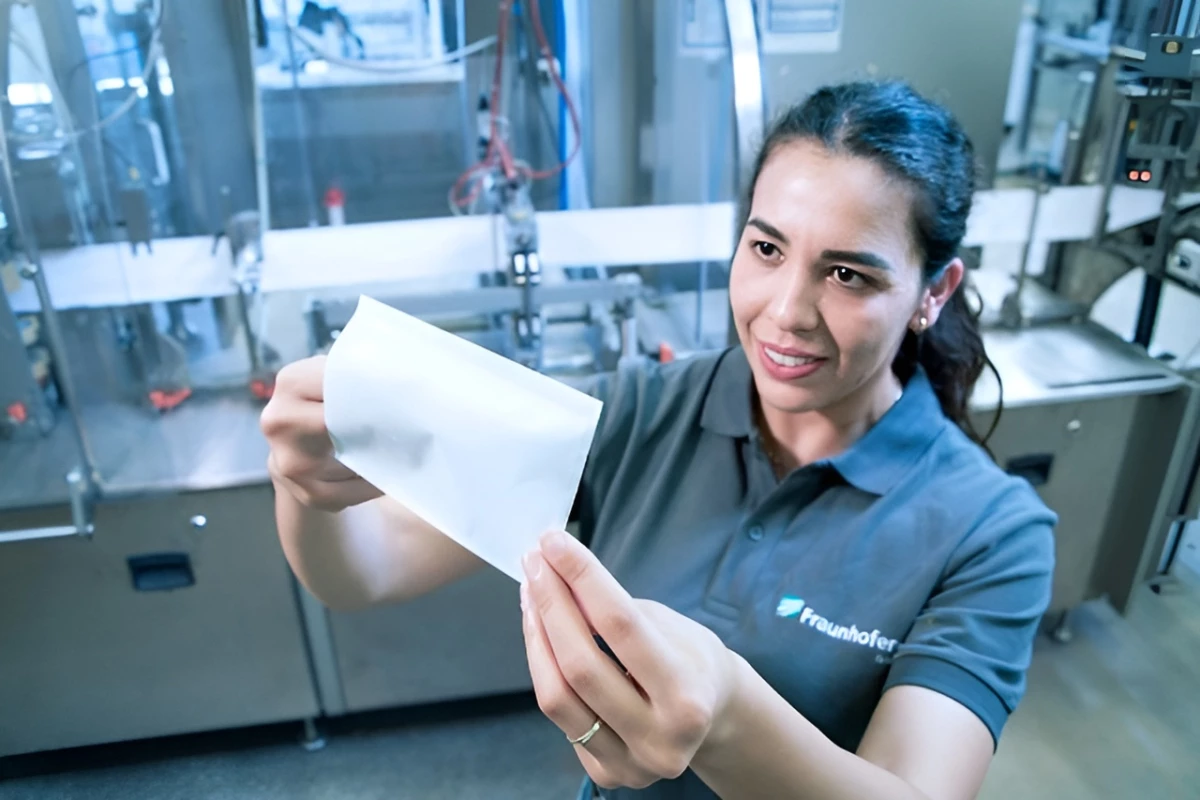
German scientists have developed a laser technology that enables the creation of airtight paper packaging without the use of plastic or glue. This new method makes packaging more environmentally friendly and simplifies its recycling.
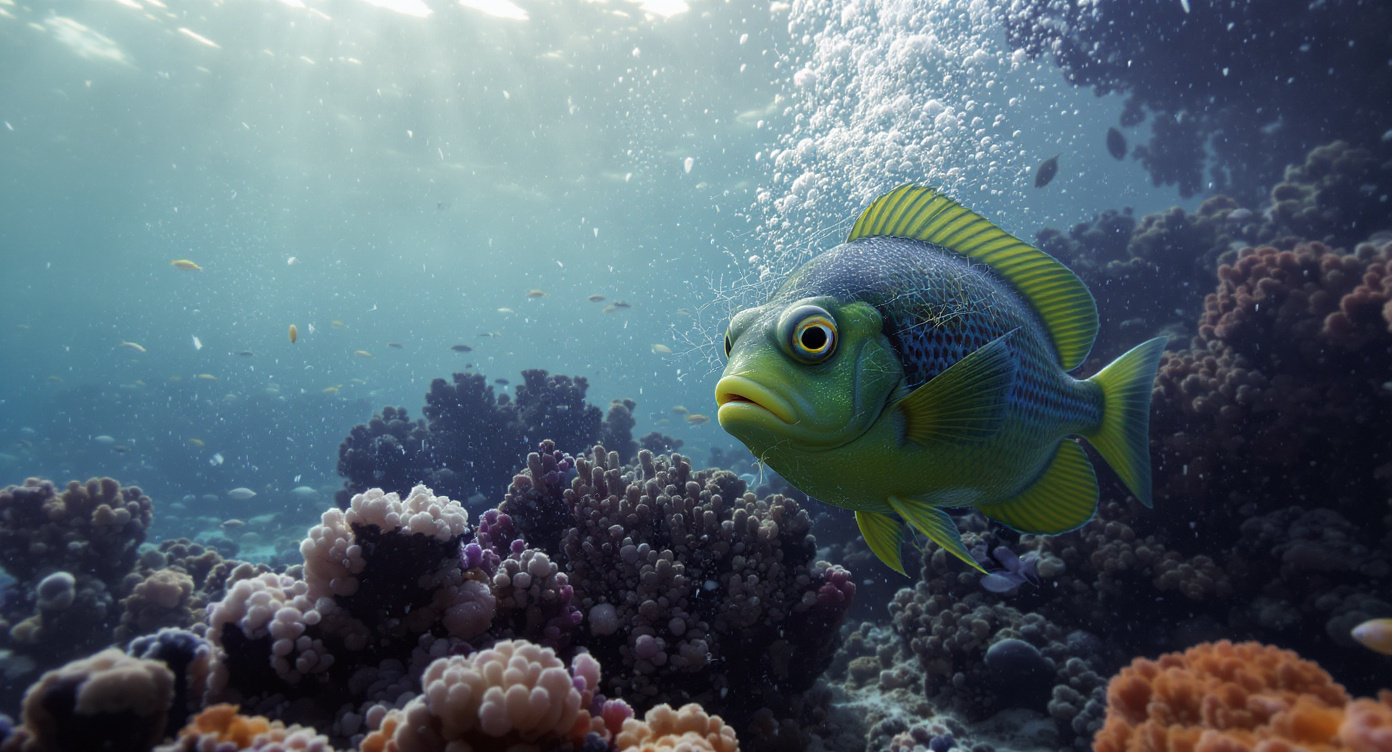
A new study has found that about a third of fish near the remote islands of the Pacific Ocean contain microplastics, with particularly high levels recorded around Fiji. This highlights the vulnerability of even isolated ecosystems to plastic pollution and raises concerns about the region's food security.
A new study has shown that plastic and oil in the ocean can combine to form a stable hybrid pollutant capable of traveling vast distances. The impact of this "oil-plastic" on ecosystems is still not well understood.

 Cursus