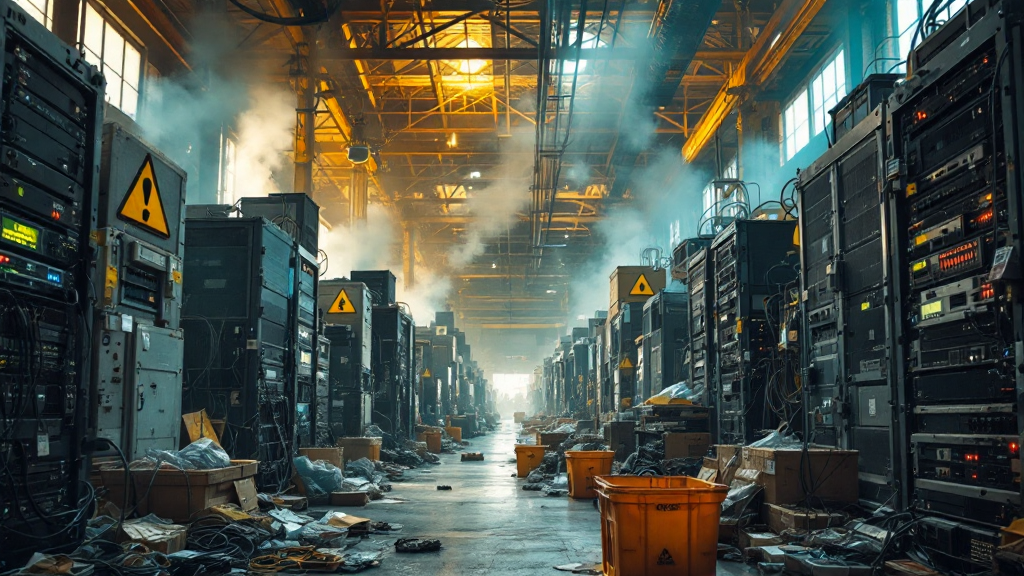
Large-scale development of infrastructure for artificial intelligence could triple the annual volume of electronic waste worldwide over the next 25 years, warns the environmental organization BAN. Experts are calling for strategies focused on repairing, reusing, and recycling equipment to prevent the e-waste problem from worsening.
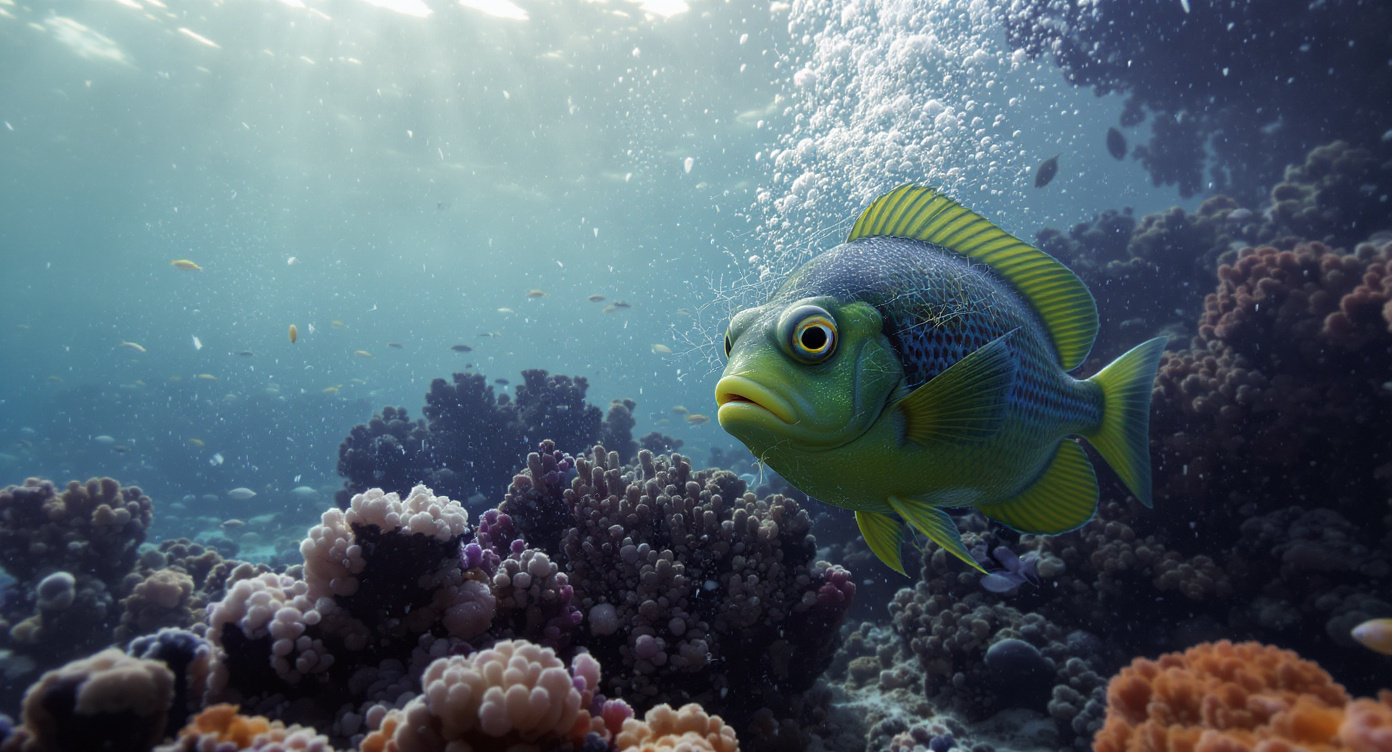
A new study has found that about a third of fish near the remote islands of the Pacific Ocean contain microplastics, with particularly high levels recorded around Fiji. This highlights the vulnerability of even isolated ecosystems to plastic pollution and raises concerns about the region's food security.
A new study has shown that plastic and oil in the ocean can combine to form a stable hybrid pollutant capable of traveling vast distances. The impact of this "oil-plastic" on ecosystems is still not well understood.
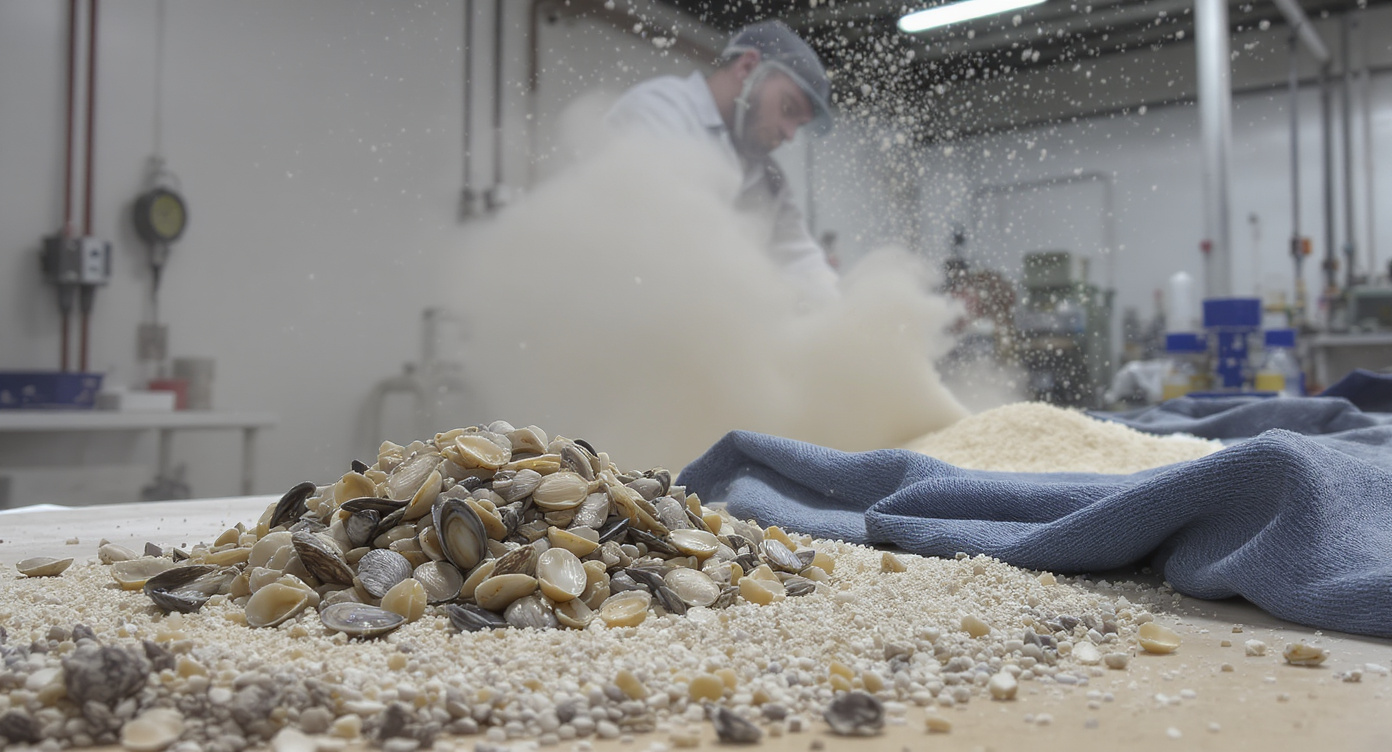
Использованные в рыболовной промышленности раковины мидий предлагают экологичную альтернативу традиционным абразивам для обработки джинсов. Новый материал эффективен, менее хрупок и может применяться повторно, снижая отходы и затраты.
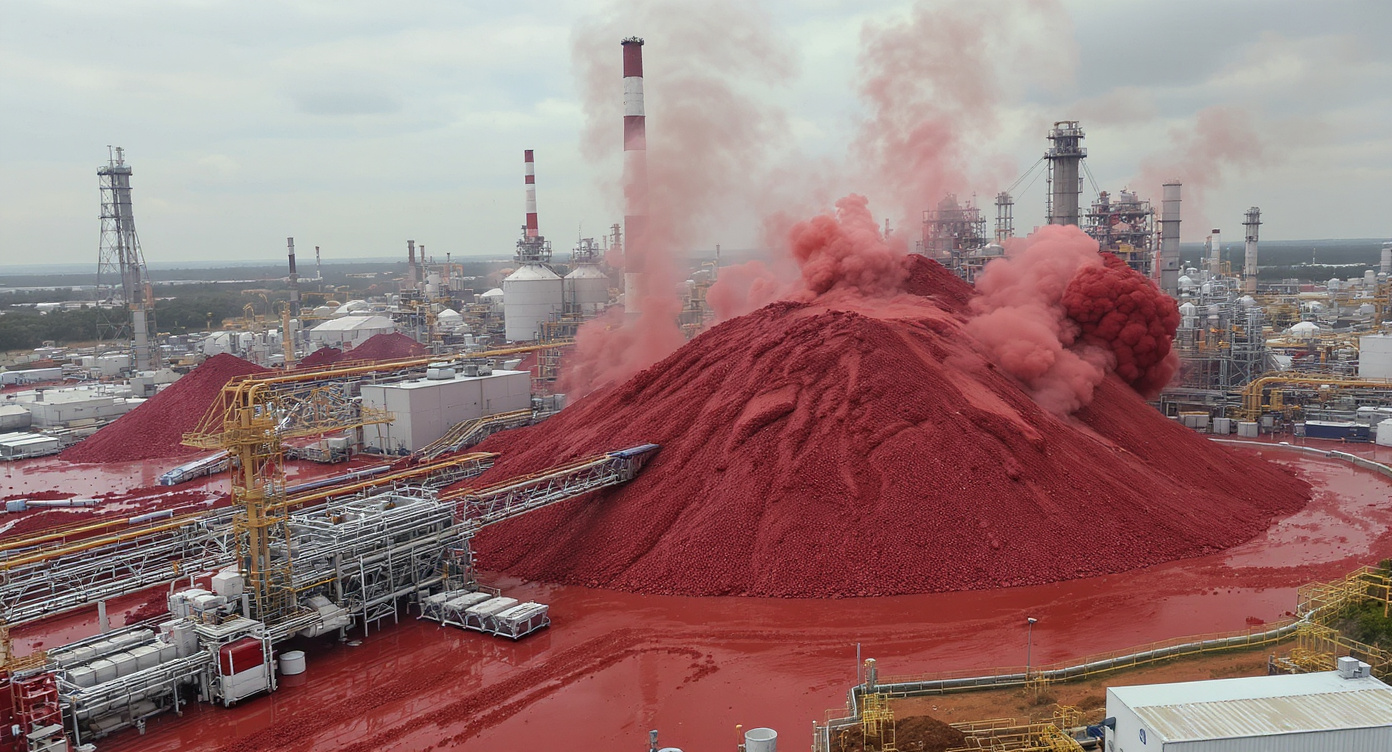
Scientists have developed an innovative method for purifying toxic red mud—a waste product from aluminum production—using electrical impulses. This technology makes it possible to transform hazardous material into a valuable resource for construction and for recovering aluminum, thereby reducing environmental impact.

 Natura