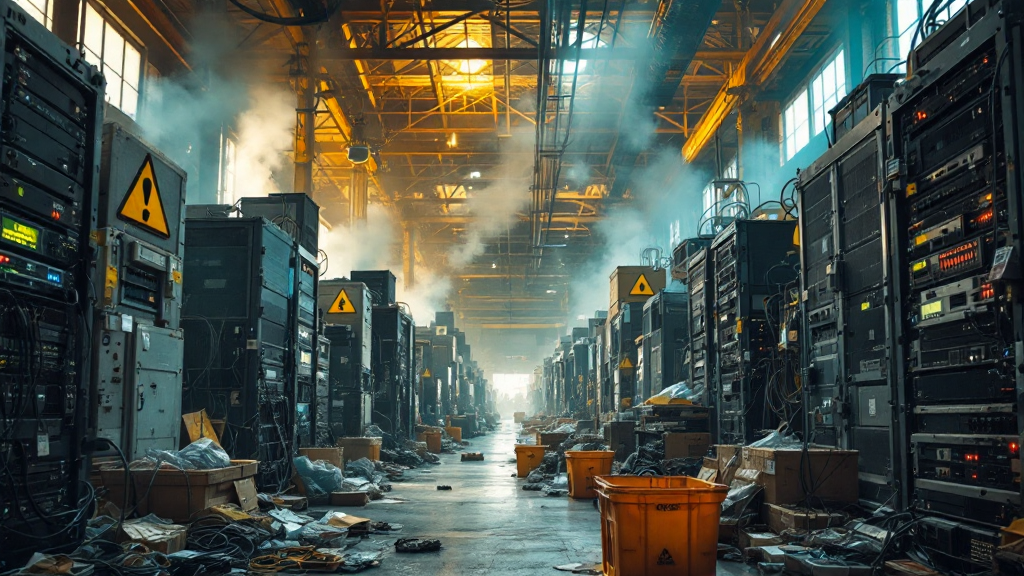
Large-scale development of infrastructure for artificial intelligence could triple the annual volume of electronic waste worldwide over the next 25 years, warns the environmental organization BAN. Experts are calling for strategies focused on repairing, reusing, and recycling equipment to prevent the e-waste problem from worsening.
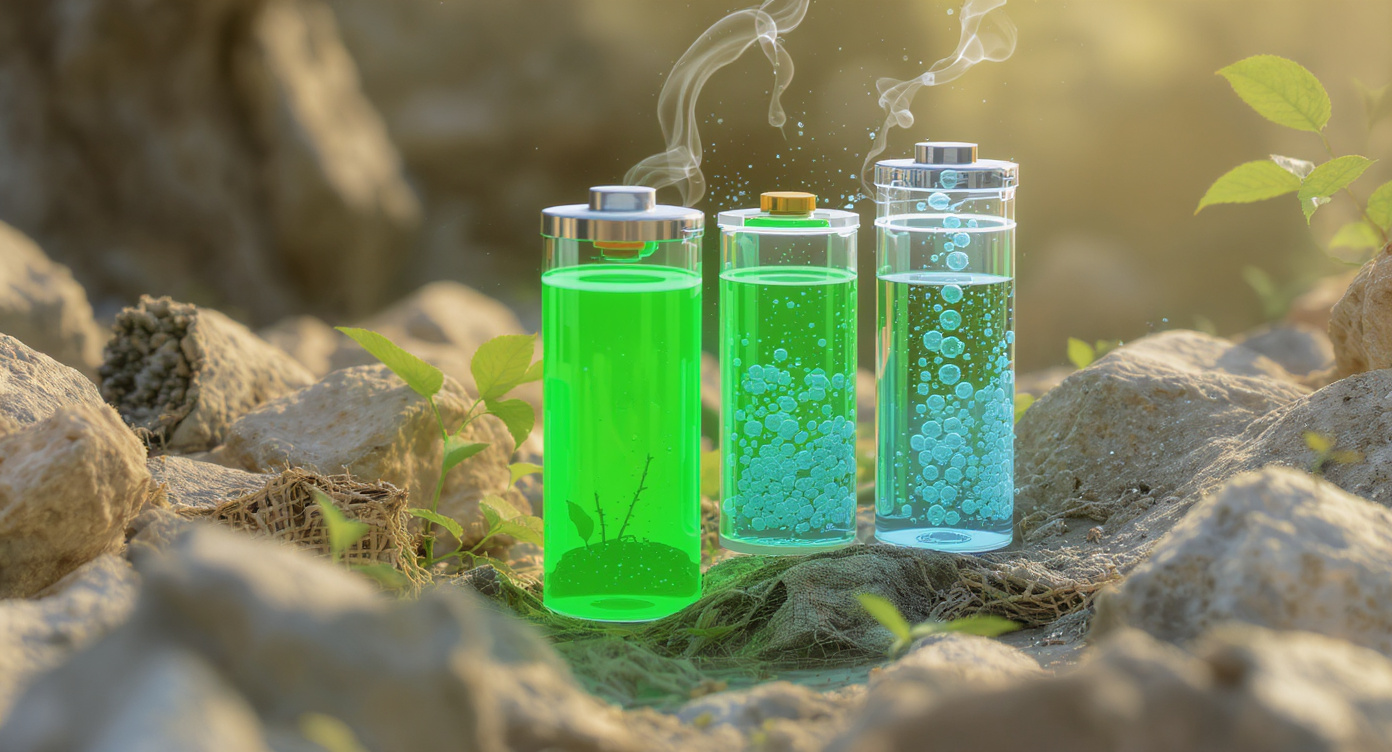
Scientists have developed a safe water-based battery using minerals similar to those found in the brine used for making tofu. This battery is environmentally friendly, resistant to corrosion, and can operate for over 300 years without degradation.
The SpaceX Dragon cargo spacecraft has completed its six-month mission at the ISS, returning to Earth with large batches of scientific materials and biological samples for further research. Experiments in human physiology and materials science are ongoing at the station, and additional spacecraft are scheduled to dock soon to test new technologies and manage waste disposal.
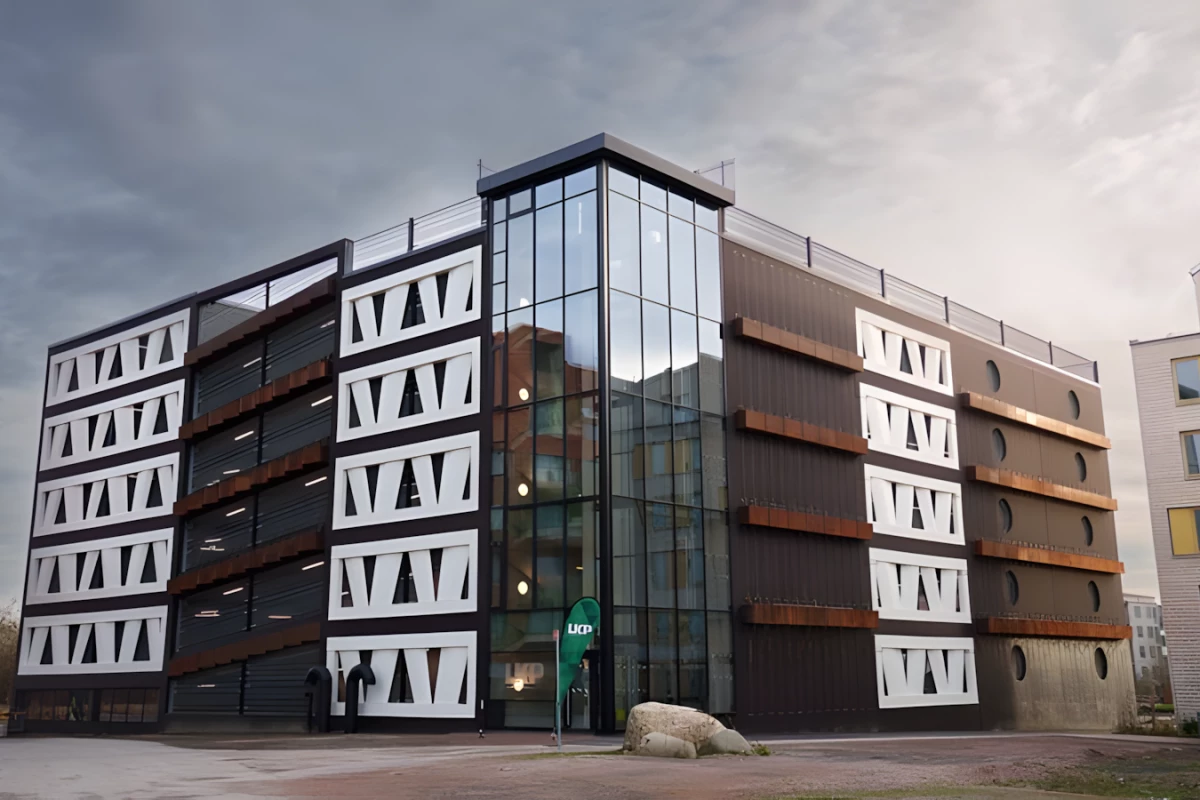
In Sweden, former wind turbine blades have been repurposed to create the facade of a parking garage, offering an eco-friendly solution to waste disposal and inspiring innovative approaches in architecture.
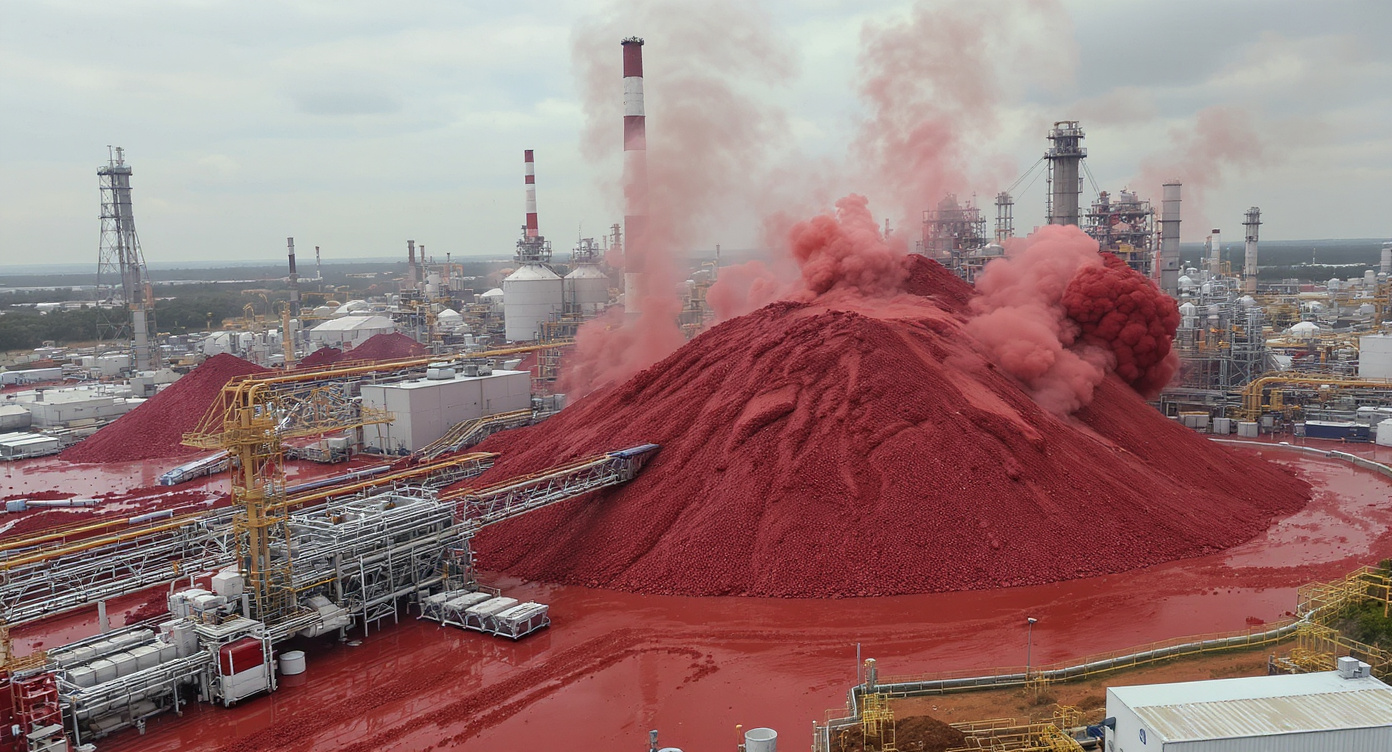
Scientists have developed an innovative method for purifying toxic red mud—a waste product from aluminum production—using electrical impulses. This technology makes it possible to transform hazardous material into a valuable resource for construction and for recovering aluminum, thereby reducing environmental impact.

 Natura