Scientists from the Virginia Tech University have developed a method to recycle PVC waste into components for lubricants, which could help reduce plastic pollution and make oil production more environmentally friendly. The team is currently working on scaling up the technology for industrial use.
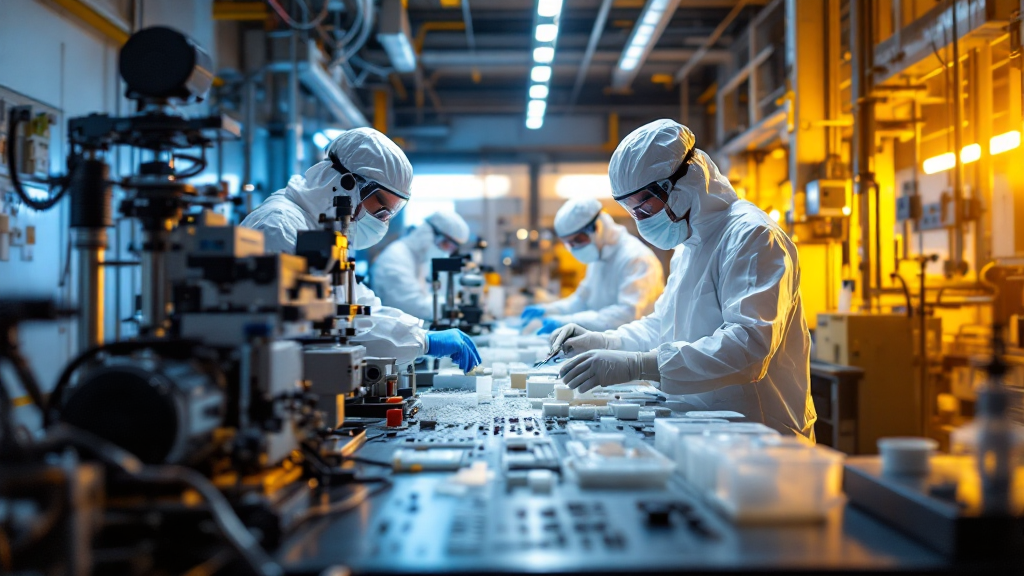
Russian engineers have developed a laboratory system that simulates real conditions in oil reservoirs and helps select the most effective materials to enhance hydraulic fracturing efficiency. The new installation has already proven its value at challenging oil fields and is planned for use at other sites as well.
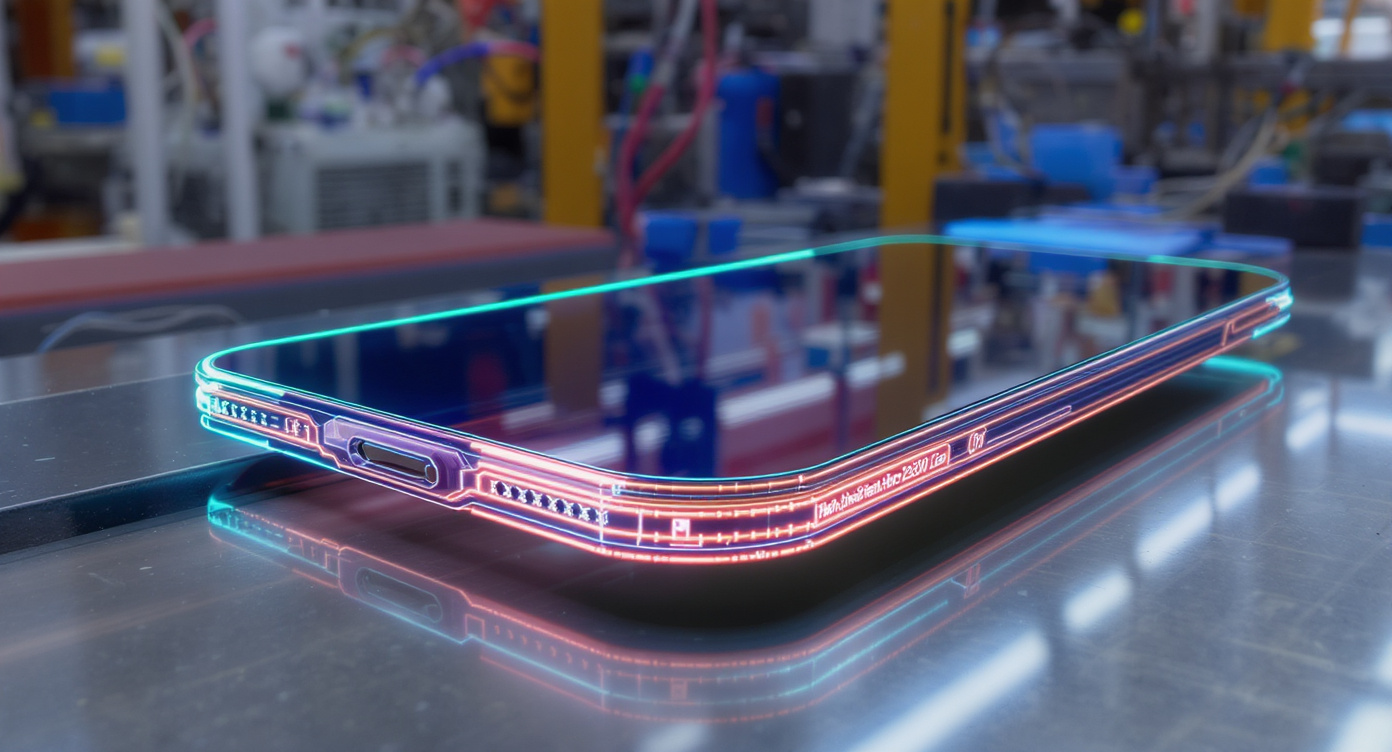
Apple is in talks with South Korean manufacturers to introduce new transparent electrodes for the development of advanced OLED displays with curved edges on all four sides, planned for the 2028 iPhone. Key suppliers are already investing in this technology to ensure mass production by the target date.
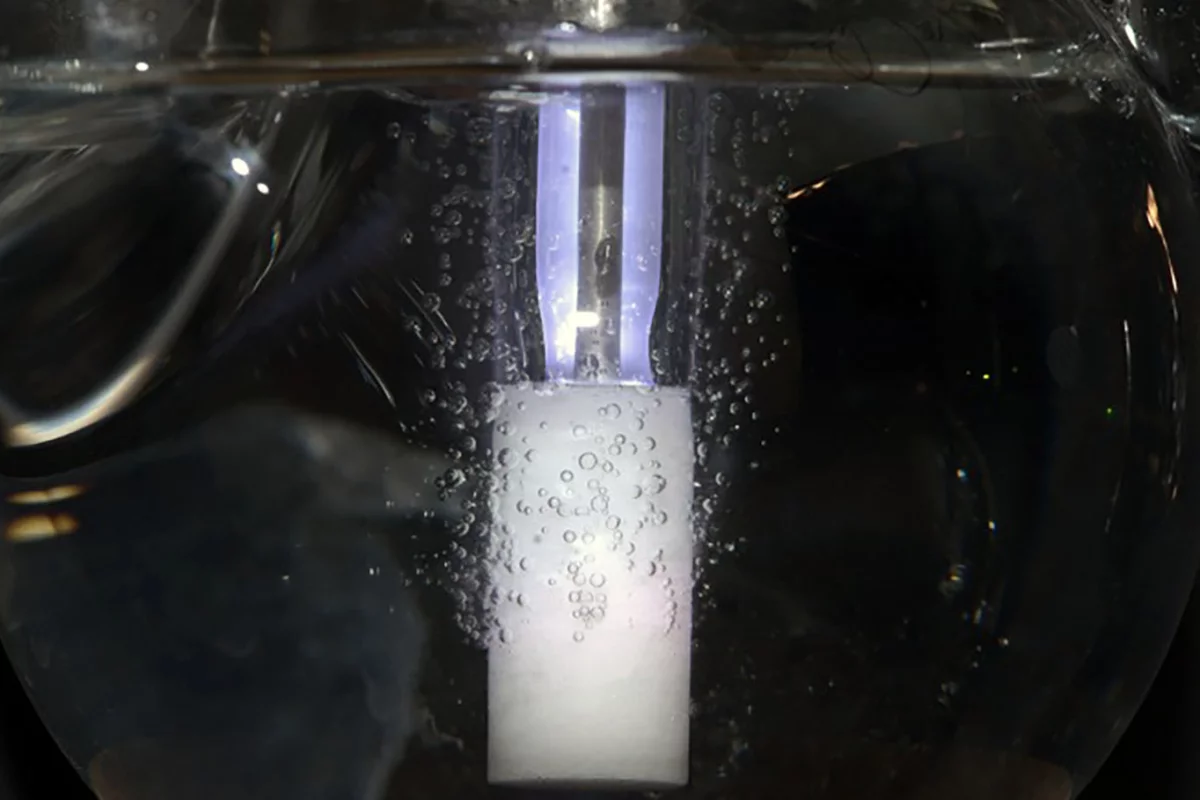
Scientists have developed a technology that uses plasma to efficiently convert methane into methanol without the need for high temperatures or pressure, reducing both energy consumption and the environmental impact of production. This new method could simplify the process of obtaining clean fuel directly at methane extraction sites.
For the first time, magnetic particle tomography has been tested on a human—a technology that enables safe monitoring of blood flow without the use of X-ray radiation. This method could become a new tool for vascular medicine and expand the possibilities of real-time diagnostics.
Scientists have developed a safe water-based battery using minerals similar to those found in the brine used for making tofu. This battery is environmentally friendly, resistant to corrosion, and can operate for over 300 years without degradation.
Rumors have surfaced about the imminent release of a Samsung smartphone featuring a silicon-carbon battery, possibly under the name Galaxy S26 Edge. There are currently no official confirmations or details about the model.
Chinese scientists have developed an innovative cooling technology based on the soluble barocaloric effect, which can deliver high energy efficiency and zero carbon emissions. This solution has the potential to become a promising alternative for cooling data centers and residential buildings.
Researchers from Stanford have proposed an innovative way to support attention in ADHD—by amplifying the everyday sounds of routine actions. This approach helps increase mindfulness and reduce distractions without the use of medication.
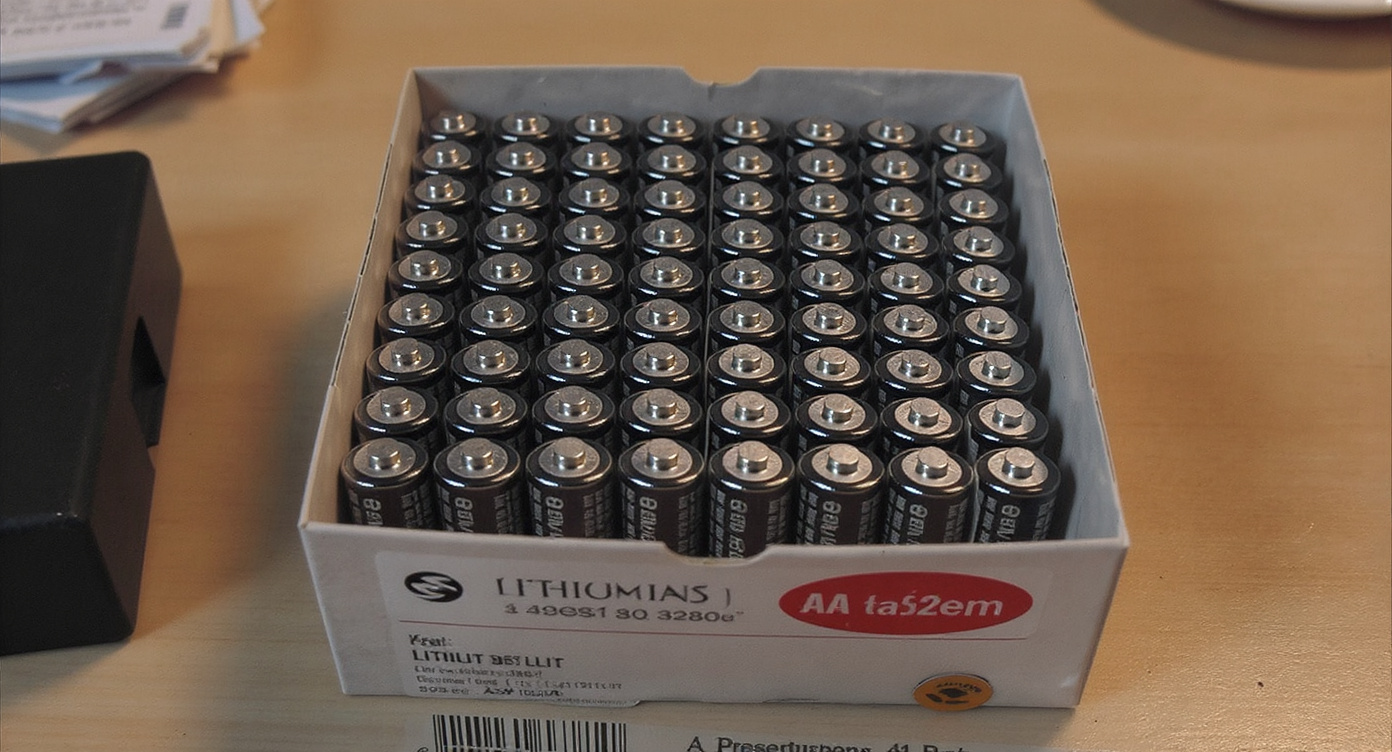
Scientists have developed an innovative method for extracting lithium from used batteries, which has proven to be significantly cheaper and more environmentally friendly than traditional techniques. This new approach could make lithium recycling a commercially viable and sustainable alternative to mining.

 Cursus