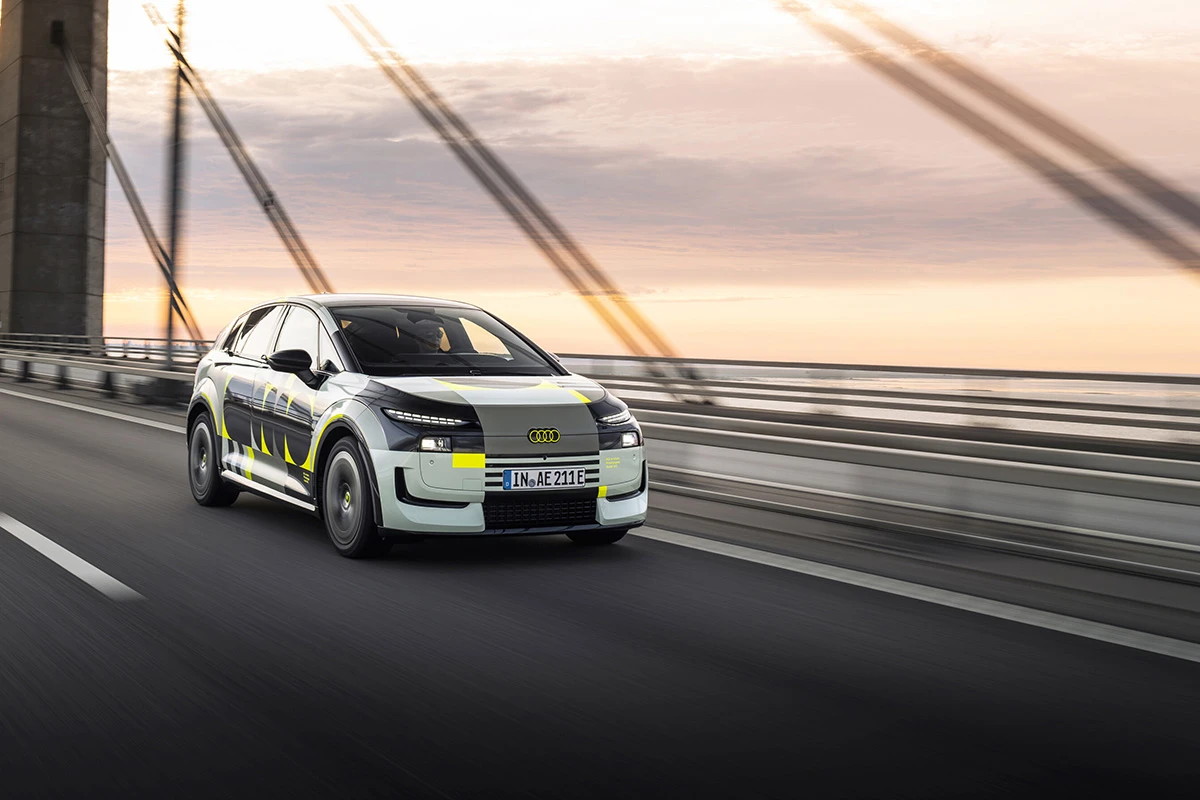
Audi is bringing back the compact A2 model as an electric car focused on efficiency: it offers a range of up to 454 km, fast charging, and the latest technologies. Sales are set to begin in the fall of 2026.
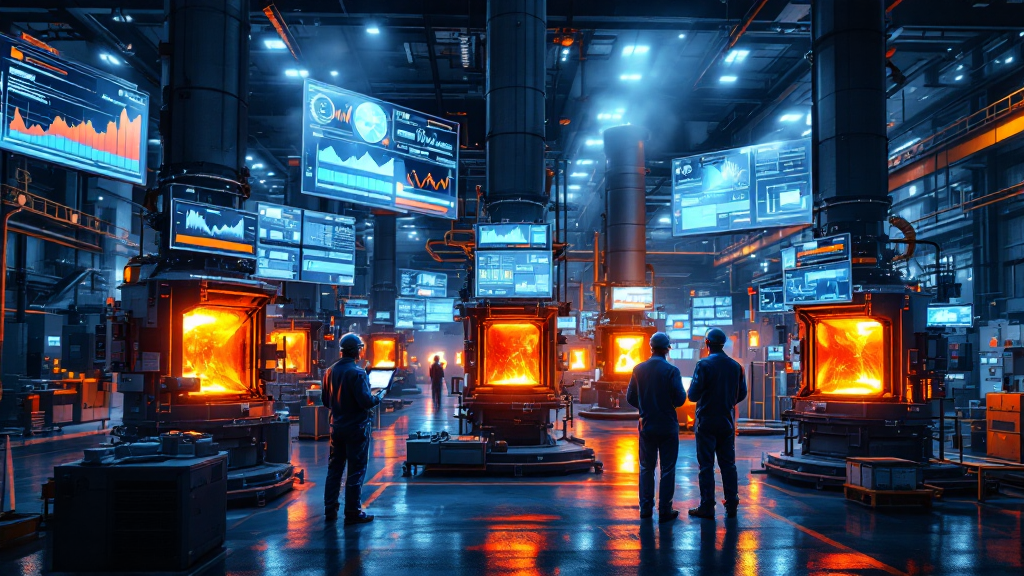
Despite the increasing number of data center construction projects, their implementation is often delayed due to challenges with permits, zoning, and equipment supply. Successful completion requires strategic planning, and the industry is placing greater emphasis on sustainability and energy efficiency.
The construction of the world's tallest hybrid timber skyscraper, Atlassian Central, has been completed in Sydney. Standing at 180 meters, the building combines wood, concrete, and steel, significantly reducing its carbon footprint and increasing energy efficiency by 50% compared to conventional towers.
The Brazilian company Vivix has implemented a unified data architecture, which has accelerated customer request processing, improved energy efficiency, and reduced costs. This approach supports the development of innovation and the effective use of data across all business processes.
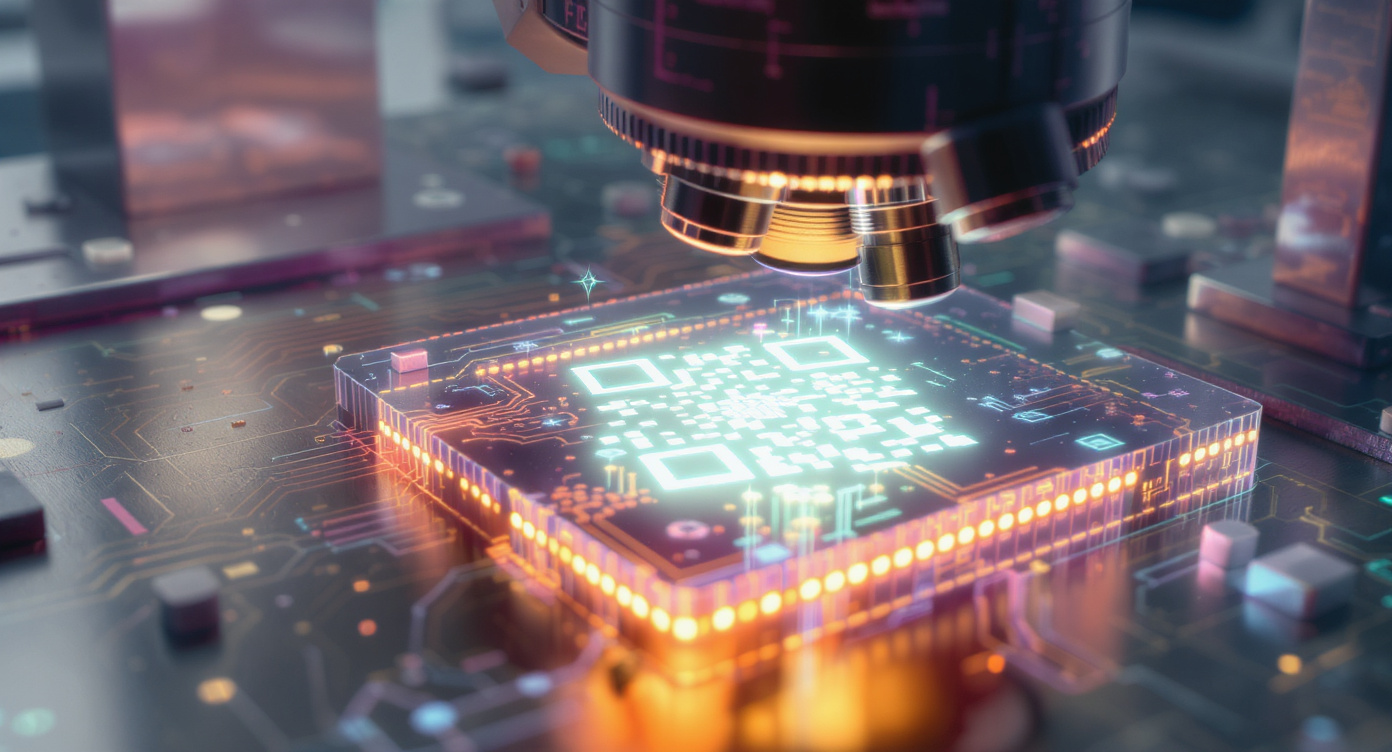
Researchers have developed a miniature QR code on a ceramic film that can only be seen with an electron microscope. This technology opens up new possibilities for long-term and energy-efficient data storage, capable of preserving information for hundreds or even thousands of years.
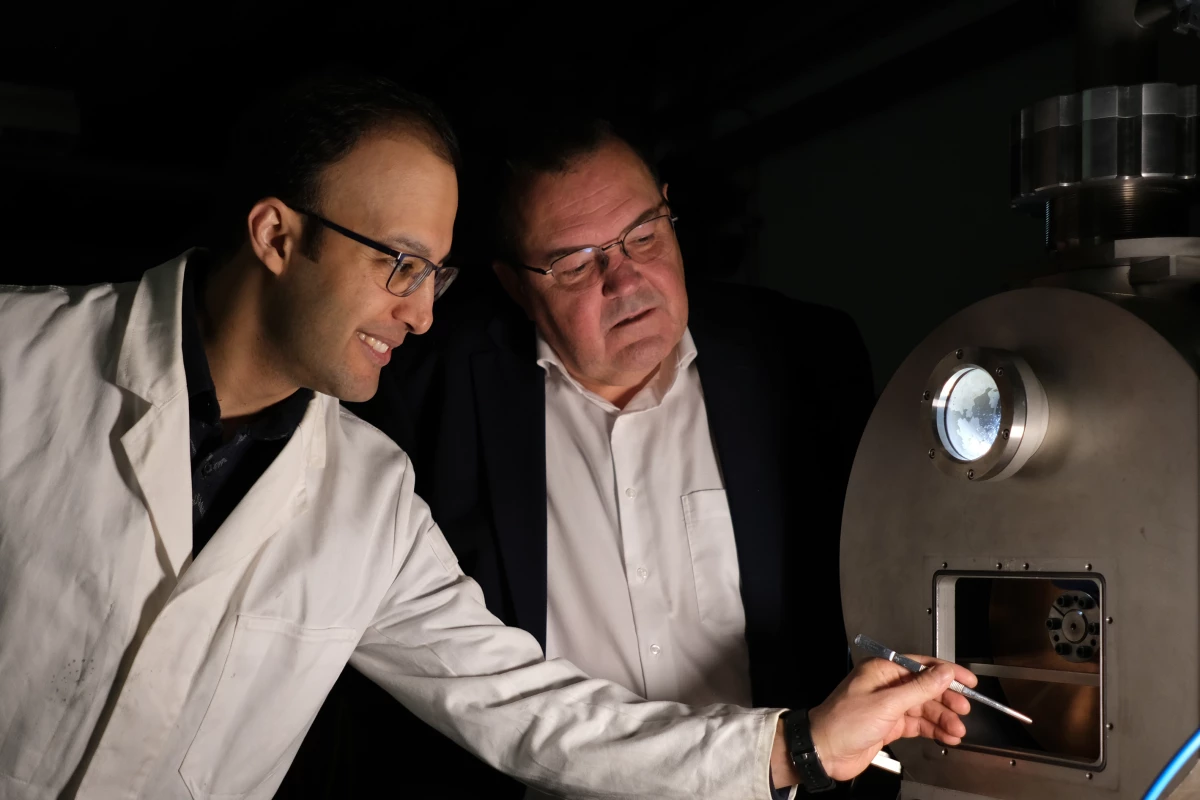
Researchers from Germany have developed a metallic glass for electric motors, which significantly reduces energy losses and increases device efficiency. This new material paves the way for creating more durable and energy-efficient engines for transportation and industry.
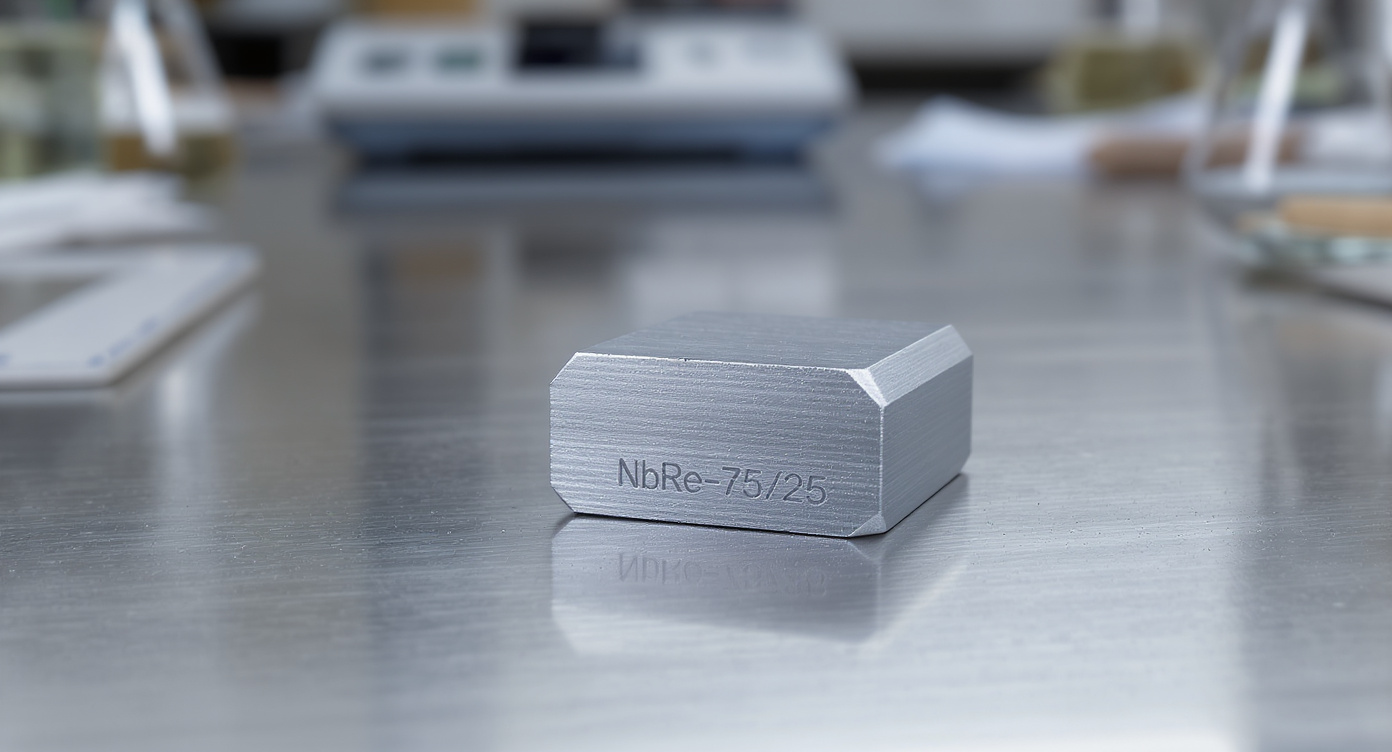
Studies of the niobium-rhenium (NbRe) alloy have revealed signs of rare triplet superconductivity, which enables the transmission of both electrical and spin signals without energy loss. This discovery could bring us closer to creating energy-efficient quantum computers that operate at higher temperatures.
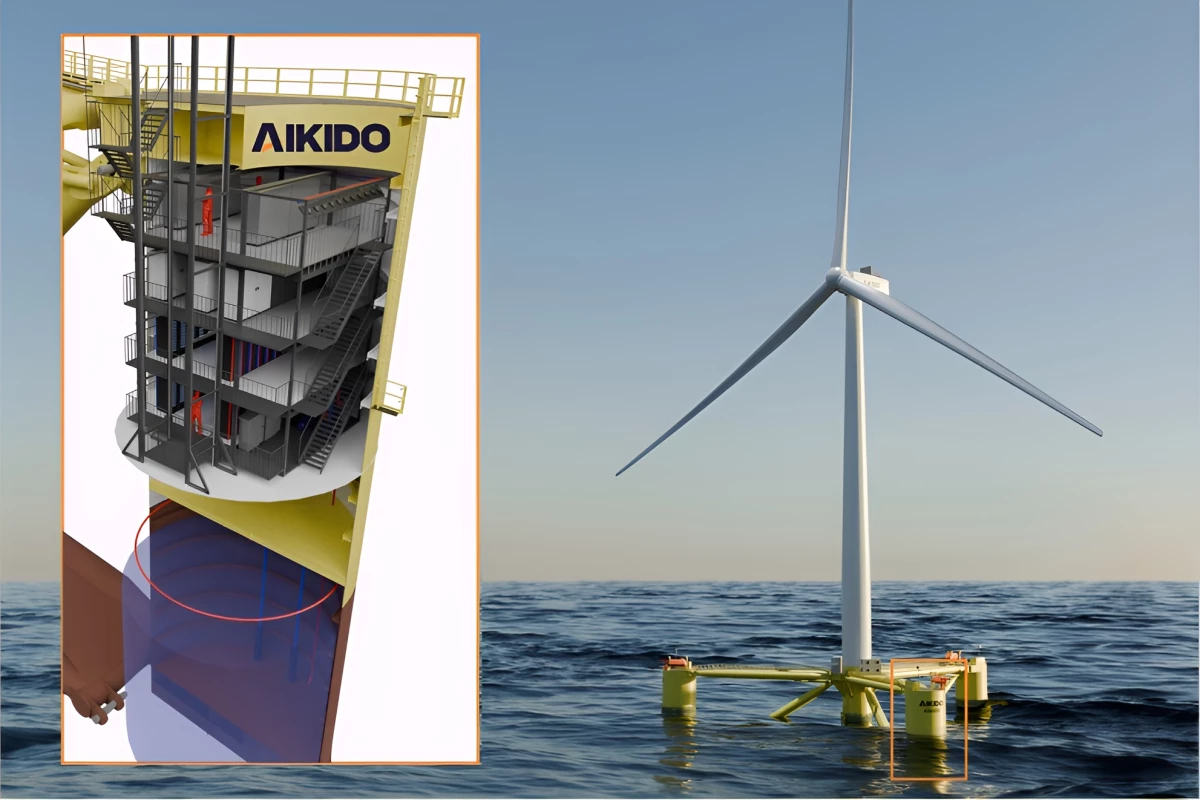
As AI energy consumption increases, engineers are seeking sustainable solutions for data centers. Aikido Technologies offers autonomous floating platforms equipped with wind power and seawater cooling, minimizing the load on power grids and reducing environmental impact.
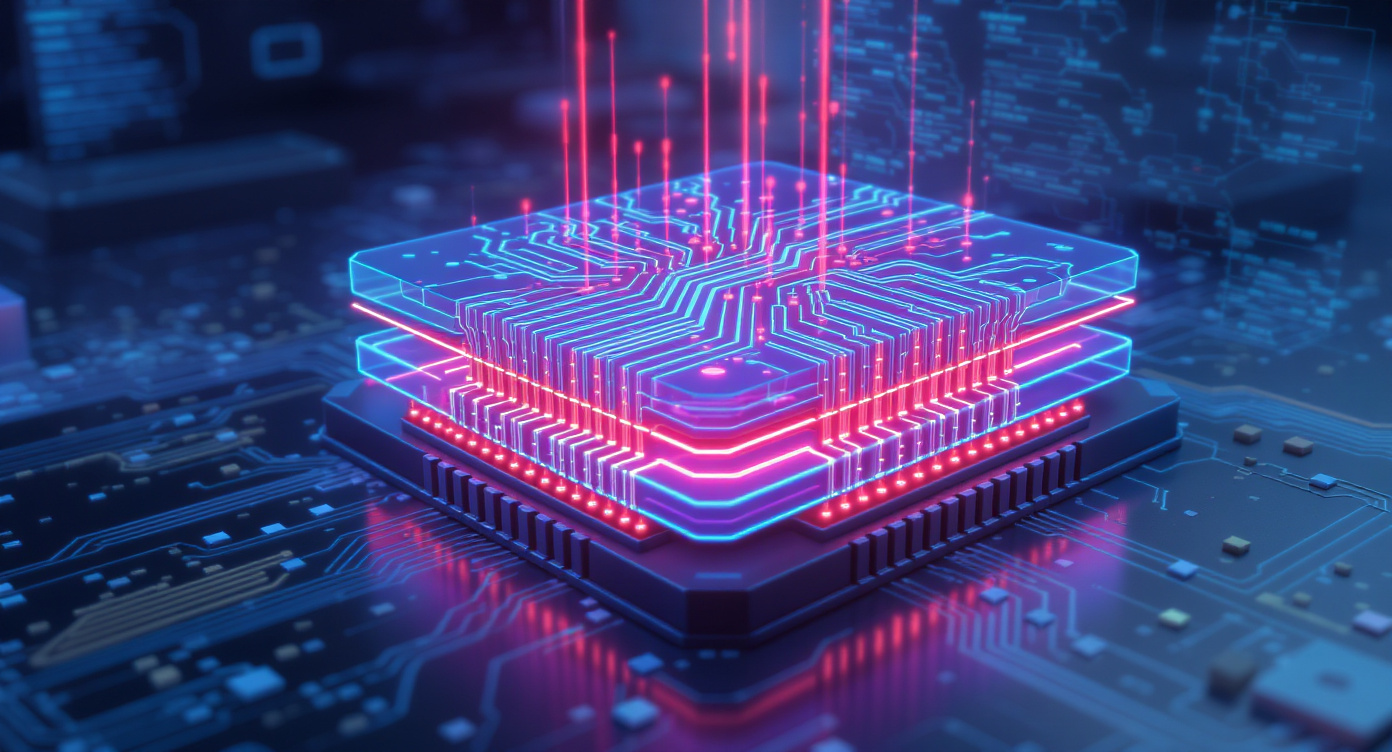
Researchers have developed a nanoprocessor that uses light instead of electricity, enabling it to perform complex calculations in trillionths of a second while significantly reducing energy consumption. The new photonic chip has successfully passed tests on biomedical images, paving the way for more efficient and environmentally friendly computing platforms.
The first reported case of a C1X modem failure in the iPhone Air has appeared online, resulting in the device losing connection to the mobile network. So far, no widespread issues with this modem have been recorded.
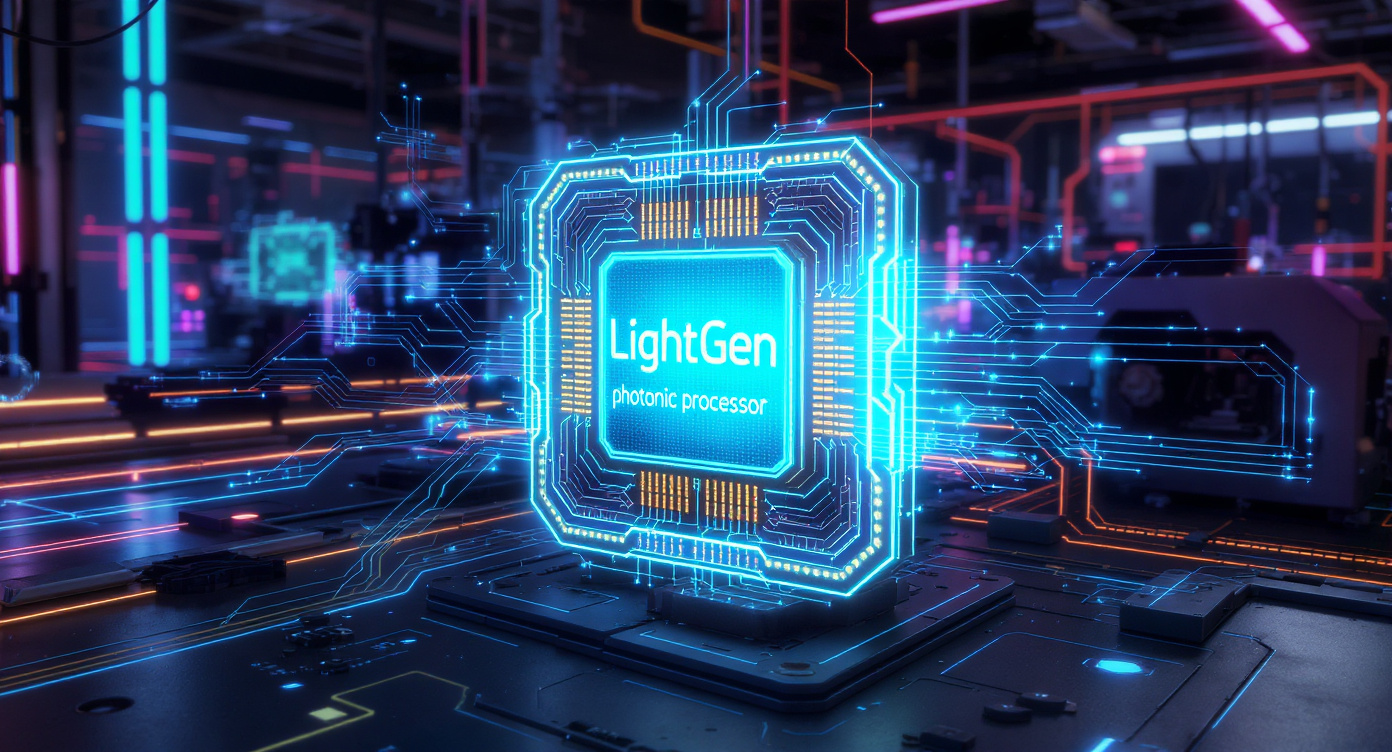
Chinese researchers have unveiled the LightGen photonic chip, which is capable of running large-scale AI models with performance up to 100 times greater than leading GPUs, while significantly reducing energy consumption.
Chinese scientists have developed flexible AI chips called FLEXI, which combine durability, energy efficiency, and low cost for medical monitoring applications. This technology paves the way for the widespread adoption of smart clothing and wearable electronics.
Chinese scientists have developed an innovative cooling technology based on the soluble barocaloric effect, which can deliver high energy efficiency and zero carbon emissions. This solution has the potential to become a promising alternative for cooling data centers and residential buildings.
The study found that radiation levels in Russian apartment buildings are generally low, but in some cities, they are noticeably higher due to construction materials and ventilation features. Newer buildings often have increased background radiation; however, this does not pose a significant health risk to residents.
Scientists have discovered a way to combine magnetic and electric forces in computing technology using magnons, which could lead to the development of faster and more energy-efficient computers. This research opens up new possibilities for creating chips that directly link magnetic and electric systems.

 Vectus