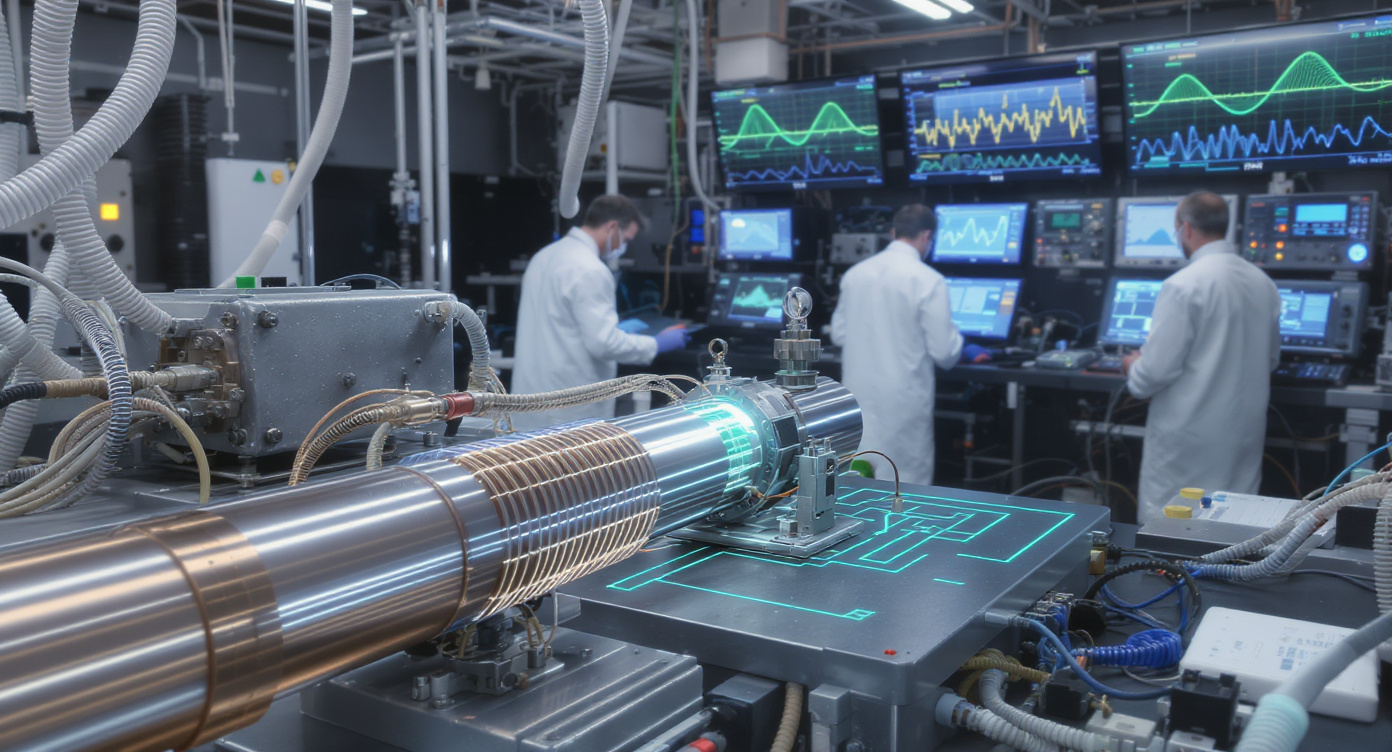
Scientists have developed a method that allows large quantum systems to be observed for more than a day without distorting their properties. This new approach opens up possibilities for non-invasive studies of materials and precise spectroscopy.
Scientists have developed a method to change the magnetic polarity of materials using a focused laser without heating. This technology paves the way for the creation of adaptive electronic circuits and high-precision sensors directly on a chip.
Japanese researchers have experimentally demonstrated for the first time that the Kondo effect can not only suppress but also enhance the magnetic properties of a material, depending on the magnitude of the spin. This discovery opens up new possibilities for controlling quantum states and developing materials for quantum technologies.
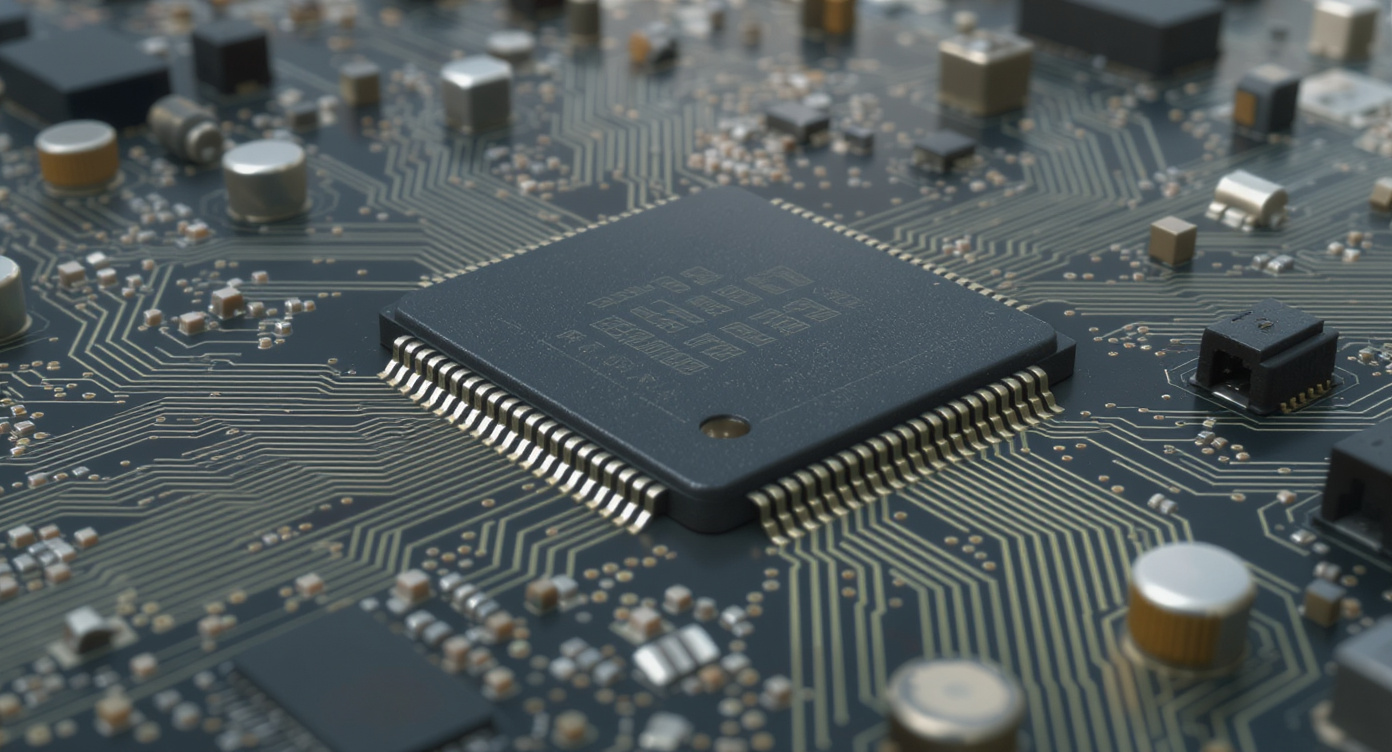
Scientists have discovered a way to combine magnetic and electric forces in computing technology using magnons, which could lead to the development of faster and more energy-efficient computers. This research opens up new possibilities for creating chips that directly link magnetic and electric systems.
UNSW engineers have achieved a breakthrough in quantum computing by enabling isolated atomic nuclei to interact at the scale of modern microchips. This paves the way for building scalable quantum computers using existing technologies.

 Cursus