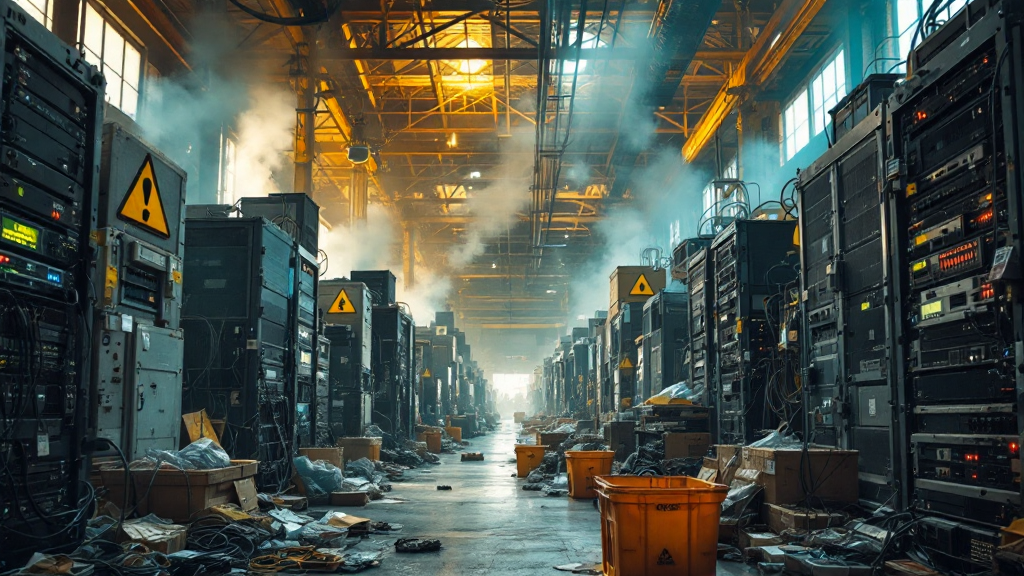
Large-scale development of infrastructure for artificial intelligence could triple the annual volume of electronic waste worldwide over the next 25 years, warns the environmental organization BAN. Experts are calling for strategies focused on repairing, reusing, and recycling equipment to prevent the e-waste problem from worsening.
For the first time, wave interference has been observed in positronium—an atom composed of matter and antimatter—confirming its quantum nature. This discovery opens new possibilities for studying antimatter and its interactions with gravity.
Researchers have developed fire-resistant panels made from sawdust and the mineral struvite, which offer high strength and are lighter than cement boards. The new material can also be recycled after use.
Scientists have developed a fully biodegradable soft robot that, after use, safely decomposes in the soil and even enriches it with nutrients. This new technology combines durability with environmental friendliness, offering a sustainable solution to the problem of electronic waste.
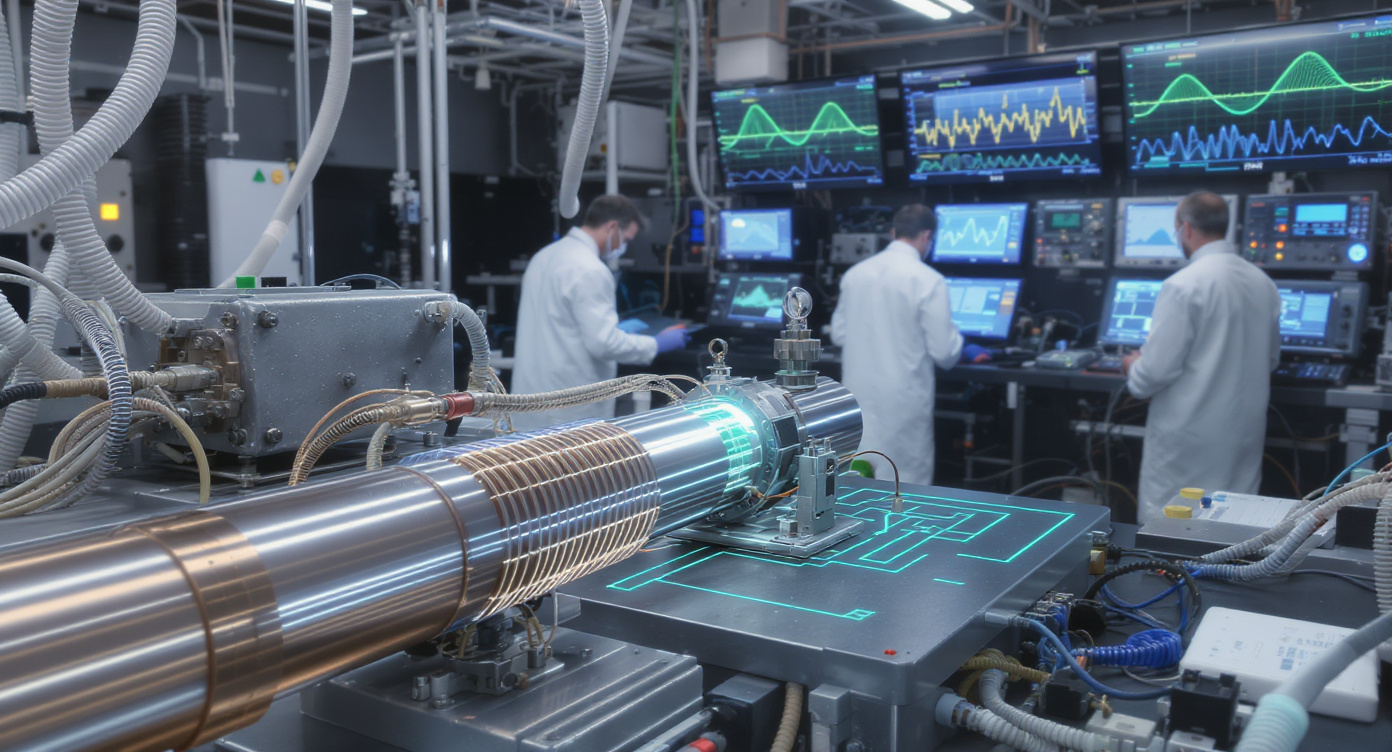
Scientists have developed a method that allows large quantum systems to be observed for more than a day without distorting their properties. This new approach opens up possibilities for non-invasive studies of materials and precise spectroscopy.
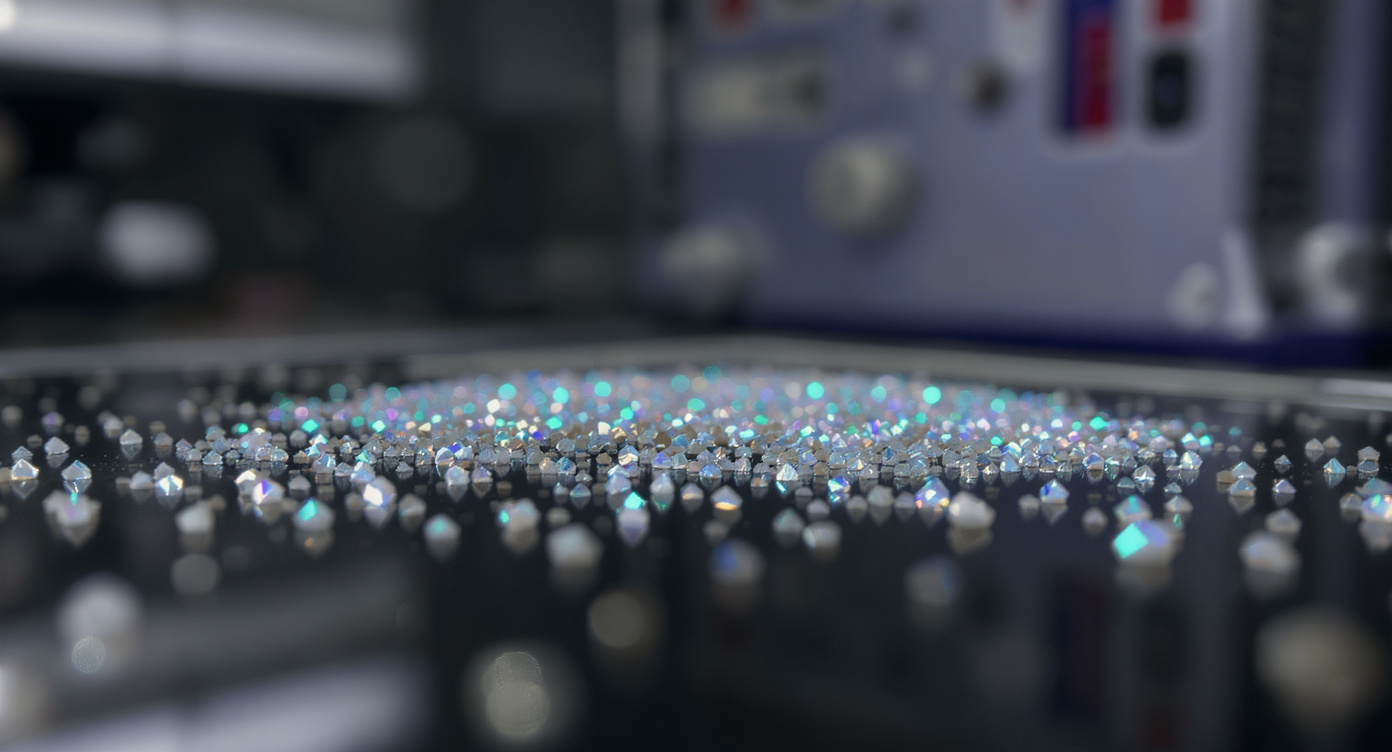
Scientists at New York University have developed a method to control the formation of microcrystals using light, paving the way for the creation of adaptive materials with customizable properties. This new approach allows for precise regulation of crystal growth, dissolution, and structure, which holds promise for applications in photonic technologies and sensors.
The DISH technology is making a breakthrough in 3D printing, enabling the creation of complex objects with high precision in just fractions of a second. It opens up new possibilities for mass production of photonic devices, microrobots, and biomodels.
Researchers have developed a programmable "smart skin" made from hydrogel that can conceal images and change its shape in response to external factors. This technology opens up new possibilities for camouflage, encryption, and adaptive materials.

 Natura