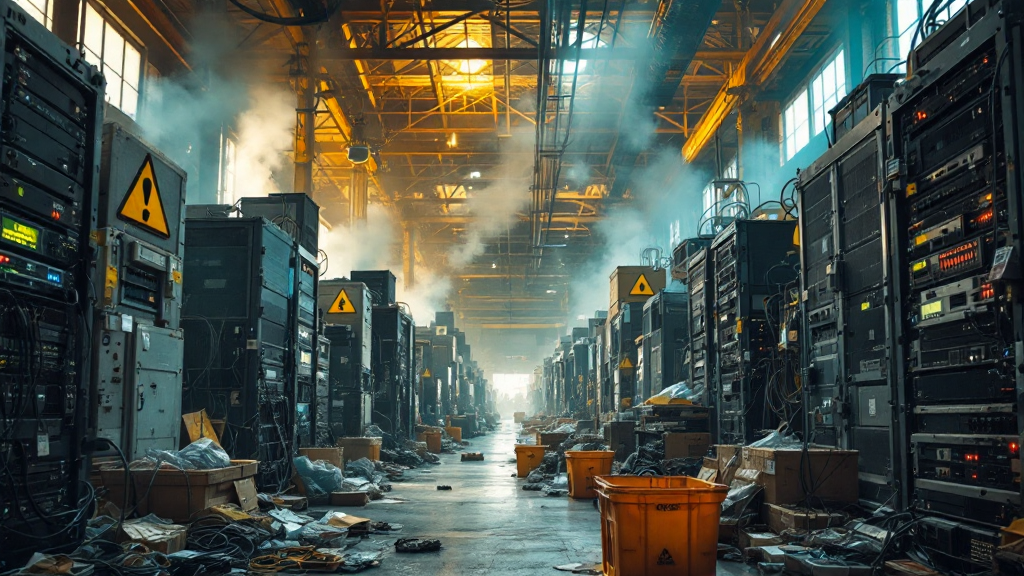
Large-scale development of infrastructure for artificial intelligence could triple the annual volume of electronic waste worldwide over the next 25 years, warns the environmental organization BAN. Experts are calling for strategies focused on repairing, reusing, and recycling equipment to prevent the e-waste problem from worsening.
Scientists from the Virginia Tech University have developed a method to recycle PVC waste into components for lubricants, which could help reduce plastic pollution and make oil production more environmentally friendly. The team is currently working on scaling up the technology for industrial use.
American researchers have developed a technology that transforms plastic waste into protein-rich food using genetically modified yeast. While widespread adoption is still a long way off, this method opens up new possibilities for recycling plastics and producing food products.
In the United States, new technologies are being developed to extract valuable materials and isotopes from nuclear waste for use in industry and medicine. The REDUCE project accelerates waste processing, turning what was once a problem into a valuable resource.
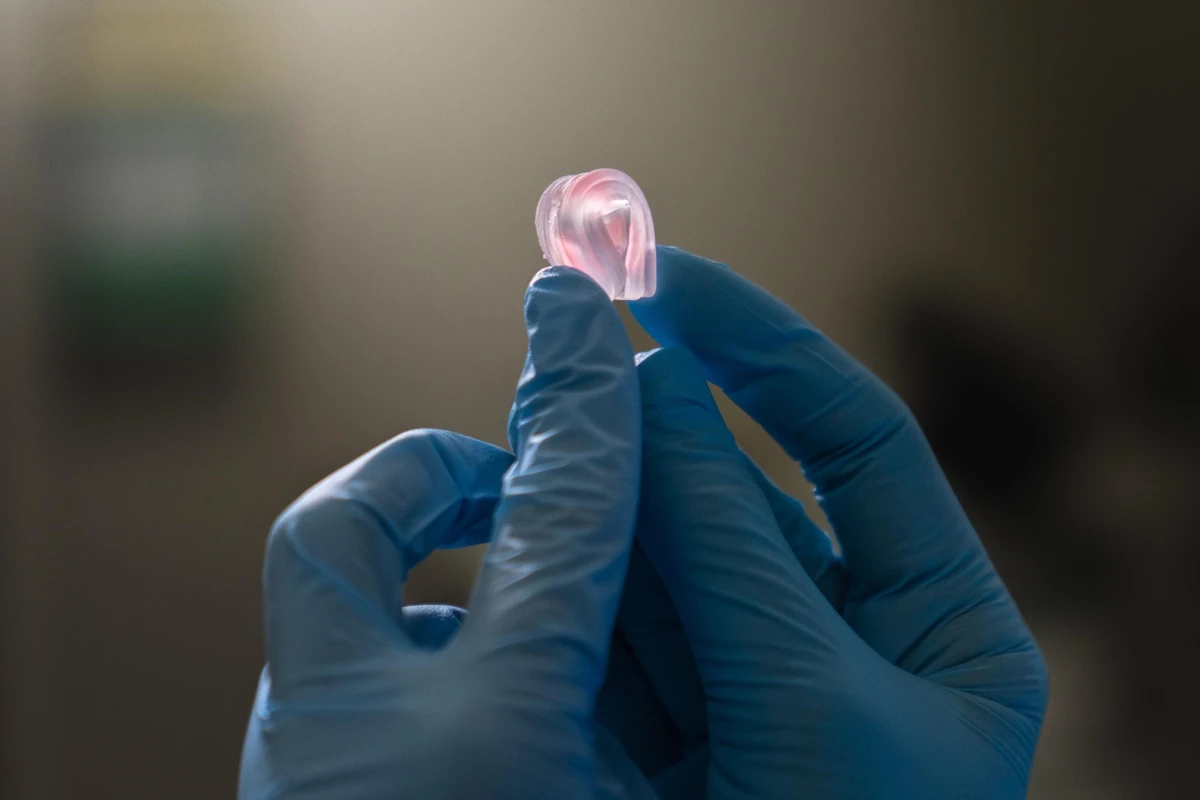
EPFL researchers have developed a new 3D-printable elastomer called DNGE, which combines high strength with excellent wear resistance. This material has the potential to significantly extend the lifespan of products used in wearable electronics, soft robotics, and medical applications.
A project for an extraordinary cultural center with a facade resembling moss-covered boulders has been unveiled in Rotterdam, aiming to inspire visitors to take action against climate change. The building will combine exhibition spaces, a hotel, gardens, and panoramic terraces, while its architecture will extend the line of the coastal park.
Galp reported a significant increase in profits in the second quarter, driven by higher production, elevated oil prices, and stable performance in its refining segment. The company has raised its forecast for 2026 and continues to expand production at key fields.
TotalEnergies reported steady profit growth in the second quarter, driven by rising global oil prices and strong refining results, despite a decline in production due to conflicts in the Middle East.
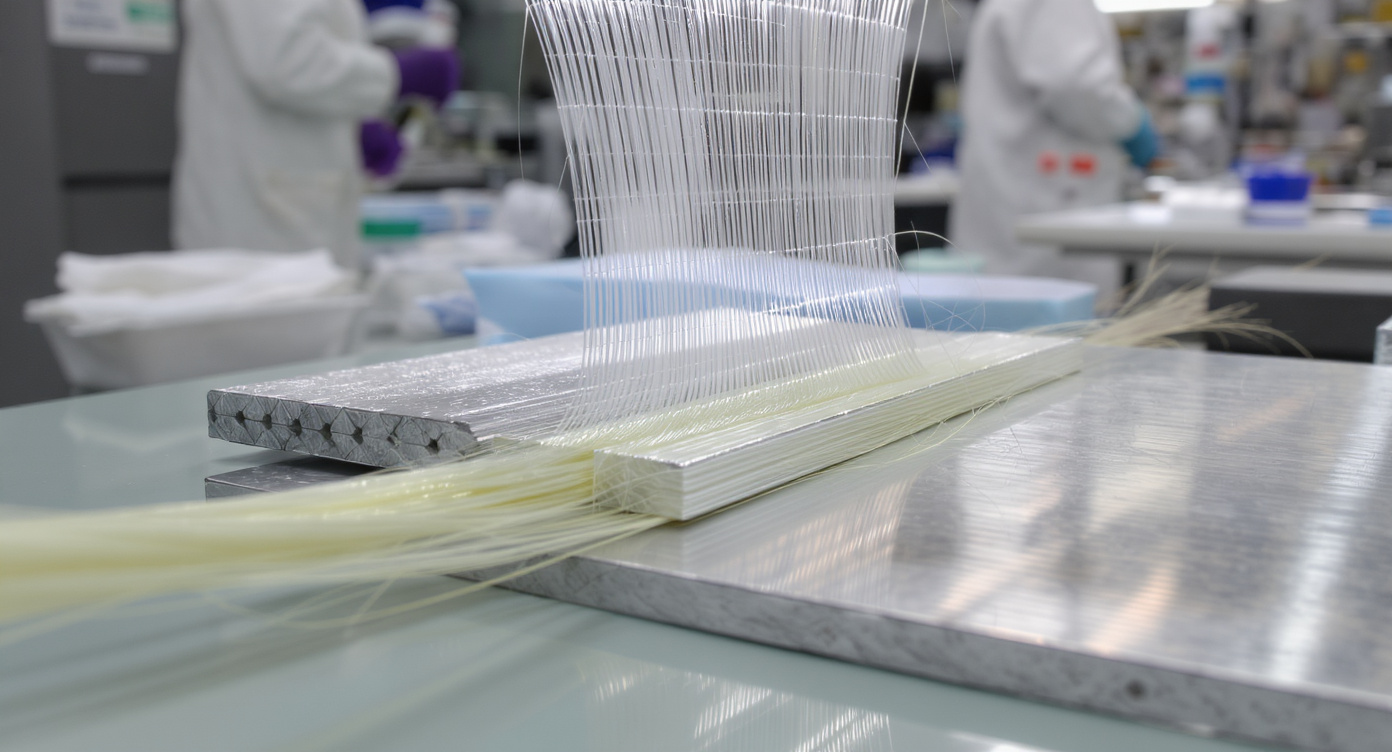
Scientists have developed a new silk-based material that boasts strength comparable to Kevlar and can polarize terahertz radiation. The technology is simple and suitable for industrial applications, opening up possibilities for use in 6G networks and protective coatings.
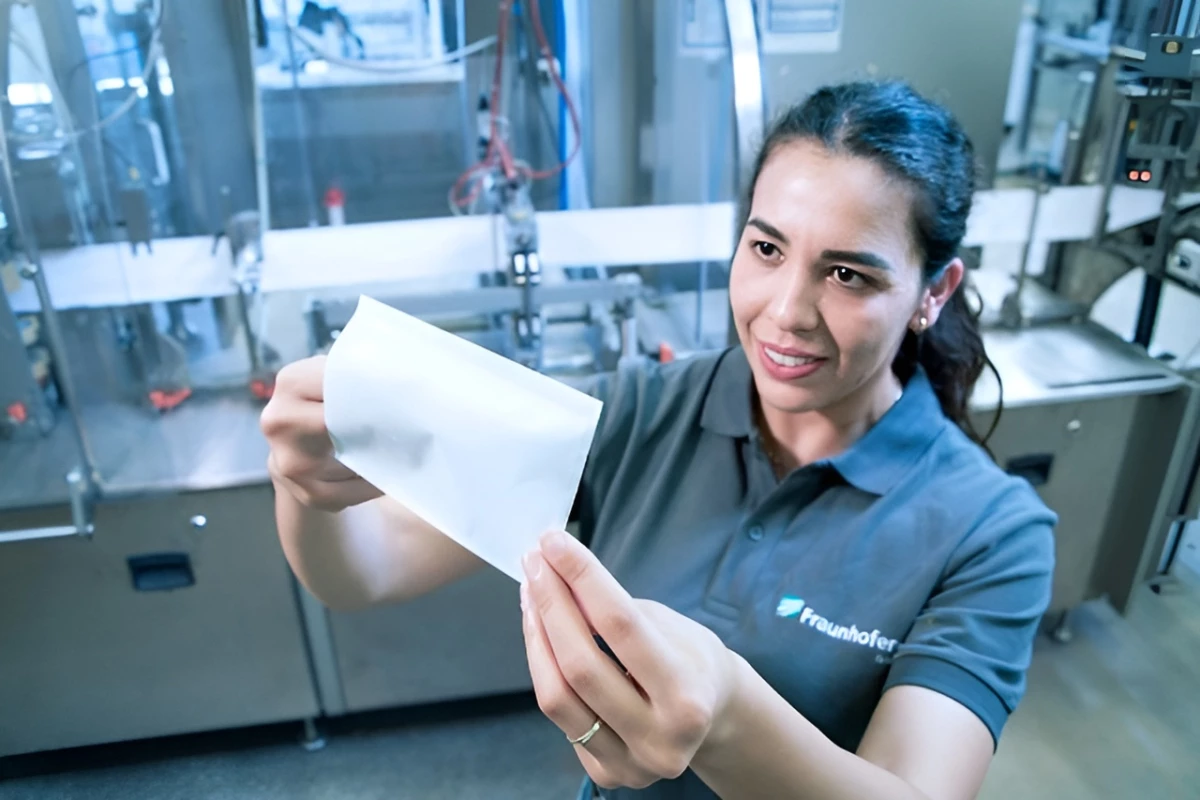
German scientists have developed a laser technology that enables the creation of airtight paper packaging without the use of plastic or glue. This new method makes packaging more environmentally friendly and simplifies its recycling.
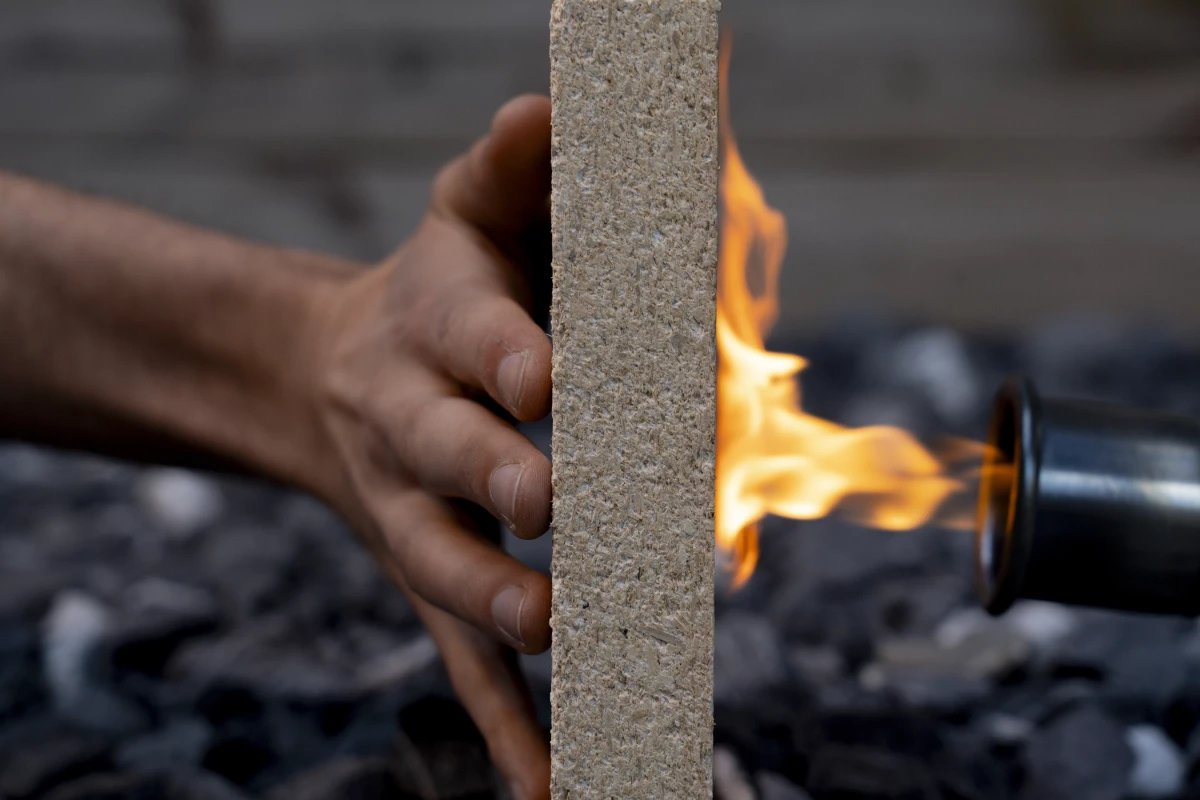
Researchers have developed fire-resistant panels made from sawdust and the mineral struvite, which offer high strength and are lighter than cement boards. The new material can also be recycled after use.
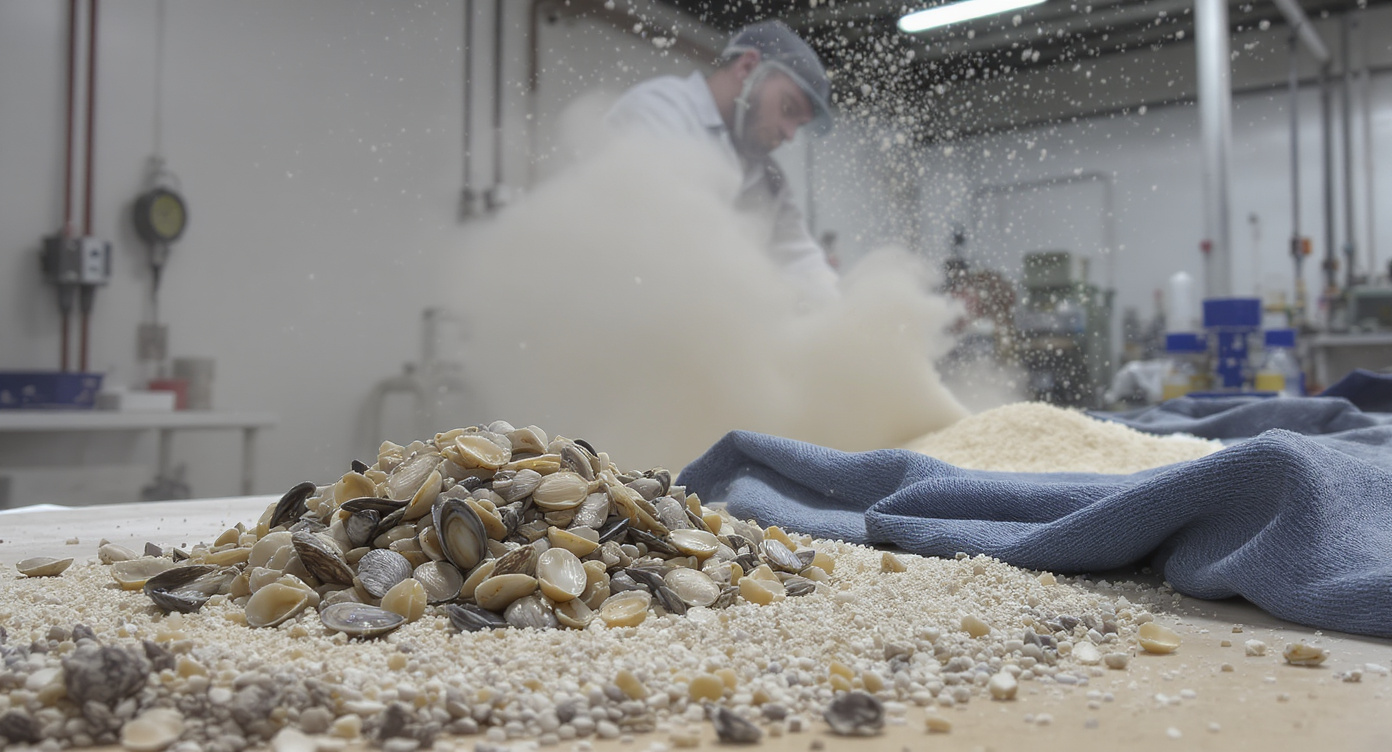
Использованные в рыболовной промышленности раковины мидий предлагают экологичную альтернативу традиционным абразивам для обработки джинсов. Новый материал эффективен, менее хрупок и может применяться повторно, снижая отходы и затраты.
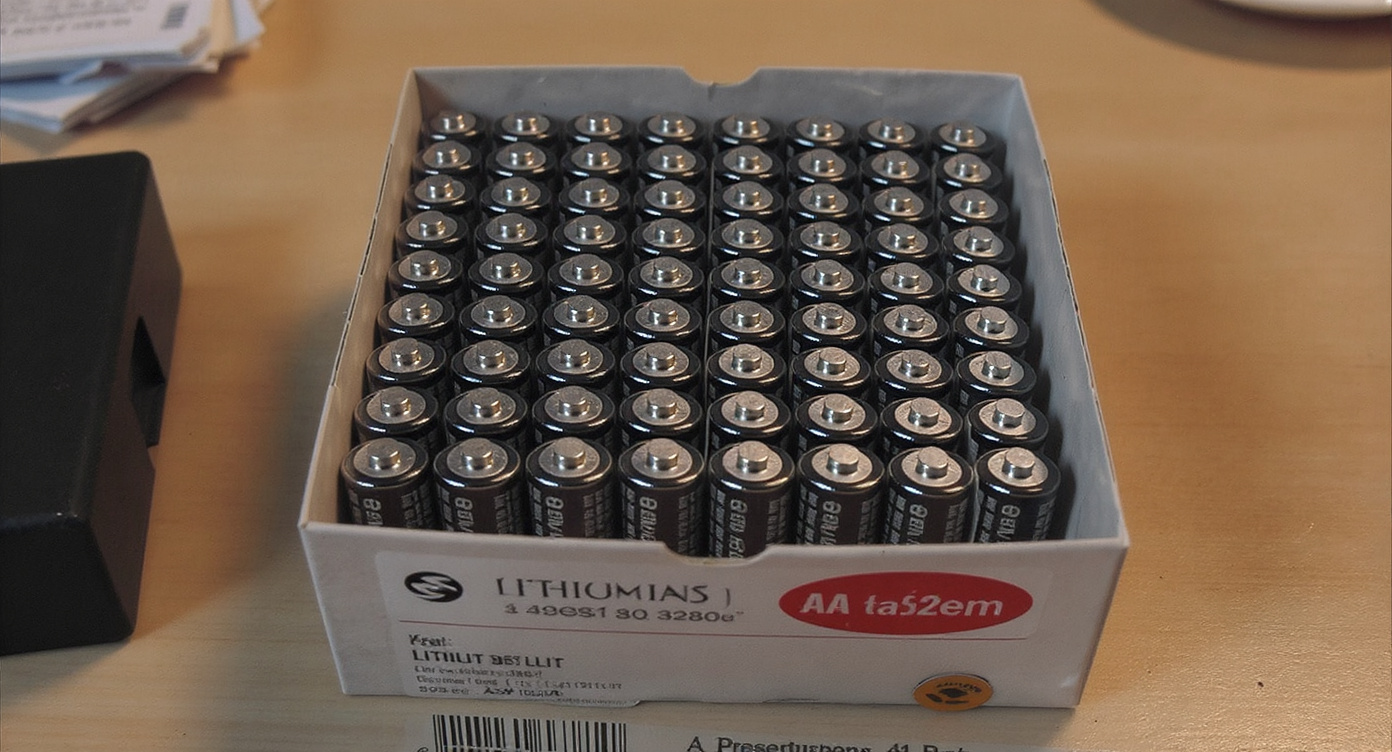
Scientists have developed an innovative method for extracting lithium from used batteries, which has proven to be significantly cheaper and more environmentally friendly than traditional techniques. This new approach could make lithium recycling a commercially viable and sustainable alternative to mining.
Scientists have developed an environmentally friendly and energy-efficient method for recycling Teflon, allowing it to be converted into valuable chemical ingredients without producing harmful waste. This new approach paves the way for reusing fluorine from industrial and household waste, helping to reduce environmental impact.
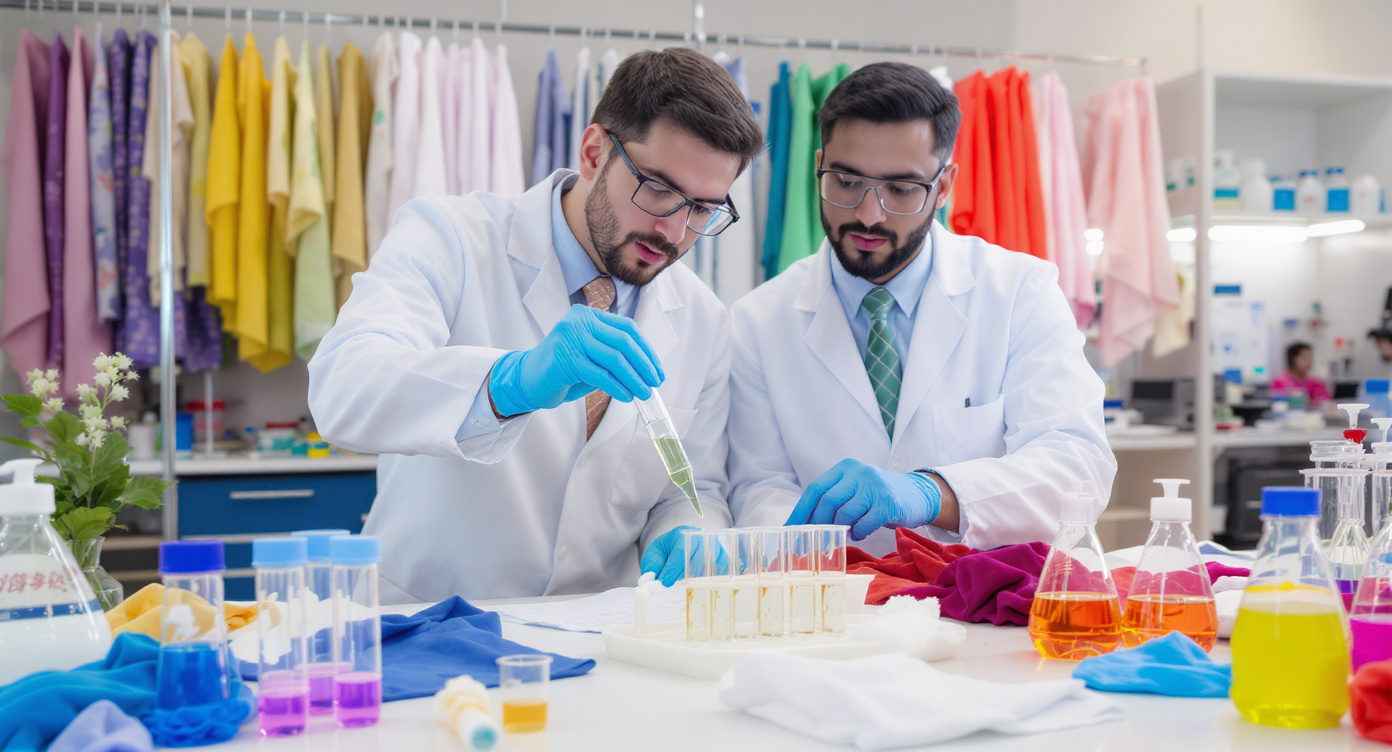
Scientists have developed a solvent that enables the rapid and efficient separation of polyester and cotton in blended fabrics, preserving their properties for reuse. This new method could significantly simplify textile recycling.

 Natura