

Durable Transparent Silk: An Alternative to Kevlar and Plastic
Scientists have developed a new silk-based material that boasts strength comparable to Kevlar and can polarize terahertz radiation. The technology is simple and suitable for industrial applications, opening up possibilities for use in 6G networks and protective coatings.
Ingenium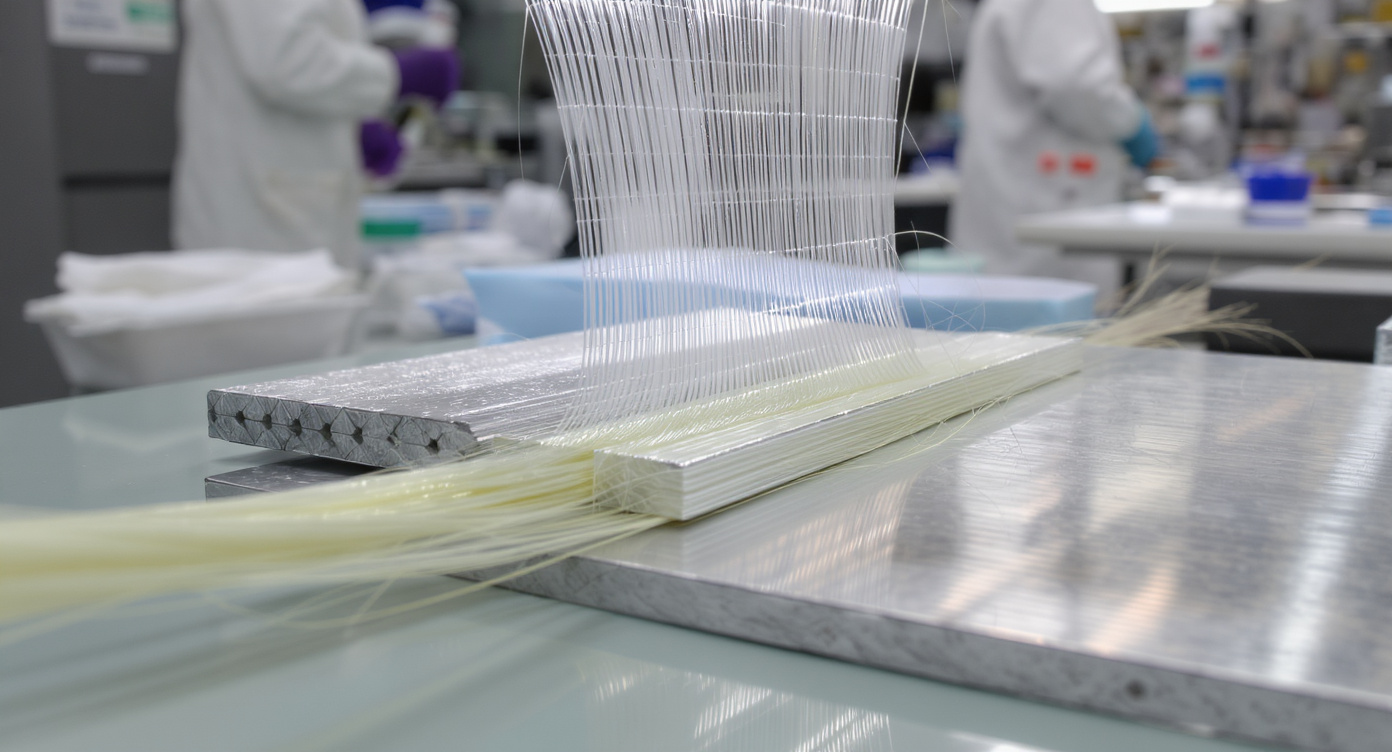
New Silk-Based Material with Kevlar-Like Strength
Natural silk is primarily composed of two proteins. In an experiment, one of these proteins was removed, while the other was subjected to pressing, resulting in a material with properties similar to Kevlar.
History and Properties of Silk
Silk has been used by humans since the Neolithic era. Silkworm caterpillars spin cocoons from long silk threads, which are collected, processed, and used to make fabrics. Silk is known for its strength, excellent moisture absorption and evaporation, and its distinctive sheen.
A New Processing Method
Silk production is resource-intensive, making disposal of this material undesirable. An international team of chemists has developed a method to create a transparent, plastic-like material from silk fibers that can polarize light in the terahertz range.
To produce this material, silk is first soaked in a heated sodium carbonate (Na2CO3) solution to remove the sericin protein. After rinsing, the remaining threads, composed almost entirely of fibroin, are dried, aligned in parallel, and pressed between aluminum plates at temperatures from 35 to 245°C and pressures up to one gigapascal. In some experiments, a two-layer material was created, with the fibers in the second layer oriented perpendicular to those in the first.
Properties of the Resulting Material
During processing, the fibers lose water and fuse together. The final material is transparent and strong: in ballistic tests, pressed silk demonstrated resistance to bullet penetration comparable to reinforced carbon fiber plastics. The rigidity and strength of the new material are similar to bone tissue, and its tensile strength approaches that of Kevlar.
Additionally, the fused silk can polarize terahertz radiation, opening up possibilities for its use in 6G data transmission networks. Typically, biological materials are opaque and unsuitable for such applications.
Advantages of the Method
Previously, silk processing involved turning it into powder and then sintering, which required multiple steps, solvents, salts, and water. The new method involves washing the raw material in a single solution, carefully aligning the fibers, and fusing them, greatly simplifying the process. The developed technology can be easily adapted for industrial use.